
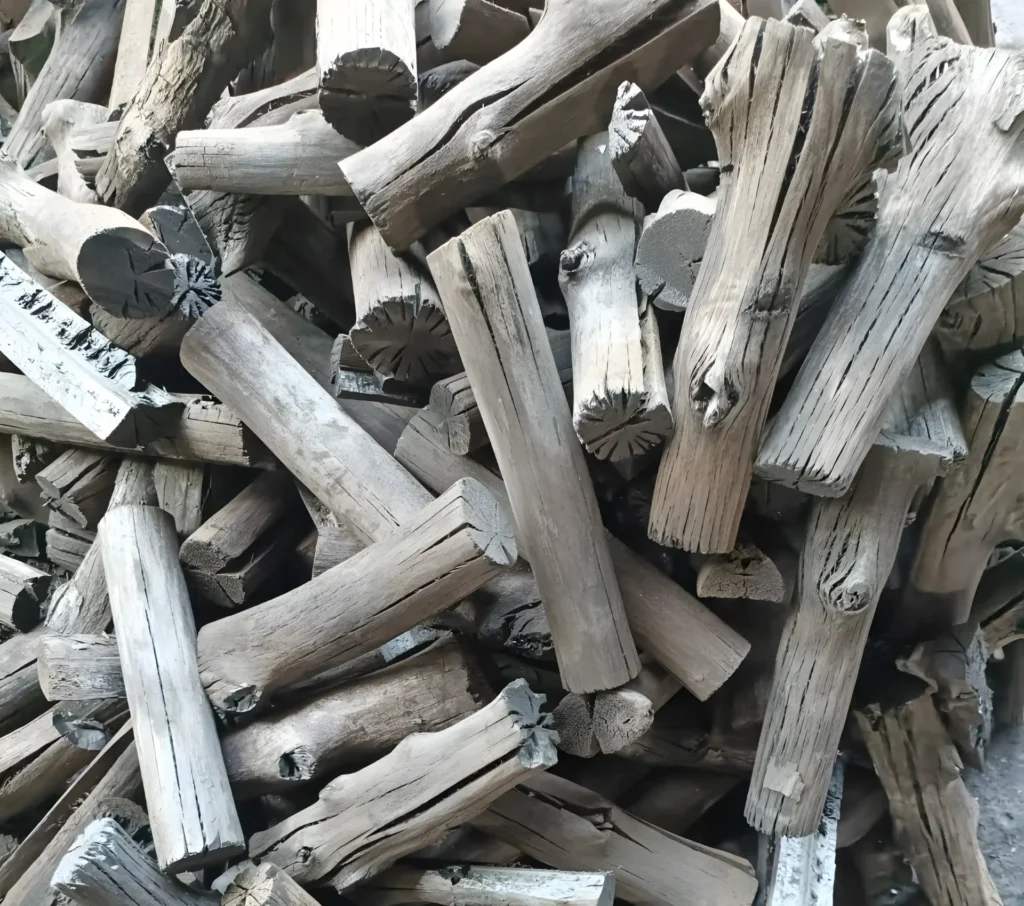
Vietnam Mangrove Charcoal is a solid fuel made from mangrove wood and produced in traditional kilns in Vietnam; buyers comparing fuel options can also explore sustainable Vietnam firewood options for commercial or home use. For industrial BBQ operations, buyers assess its dense hardwood structure, heat output tested up to 7,560 Kcal, and suitability for high-heat cooking. KAOLA CO., LTD refines its charcoal at 1,200°C and supplies export documentation, customizable sizing, and private-label options for wholesale customers; EU-bound buyers should also review the EU charcoal labeling requirements before shipment.
What Vietnam Mangrove Charcoal Is and How It Performs
Vietnam Mangrove Charcoal is mangrove wood carbonized into a solid fuel for cooking and industrial applications. Its value to BBQ buyers lies in its hardwood feedstock, measured heat output, and manufacturer-controlled production—not in an assumed burn-time guarantee, which buyers should verify against their own operating conditions.
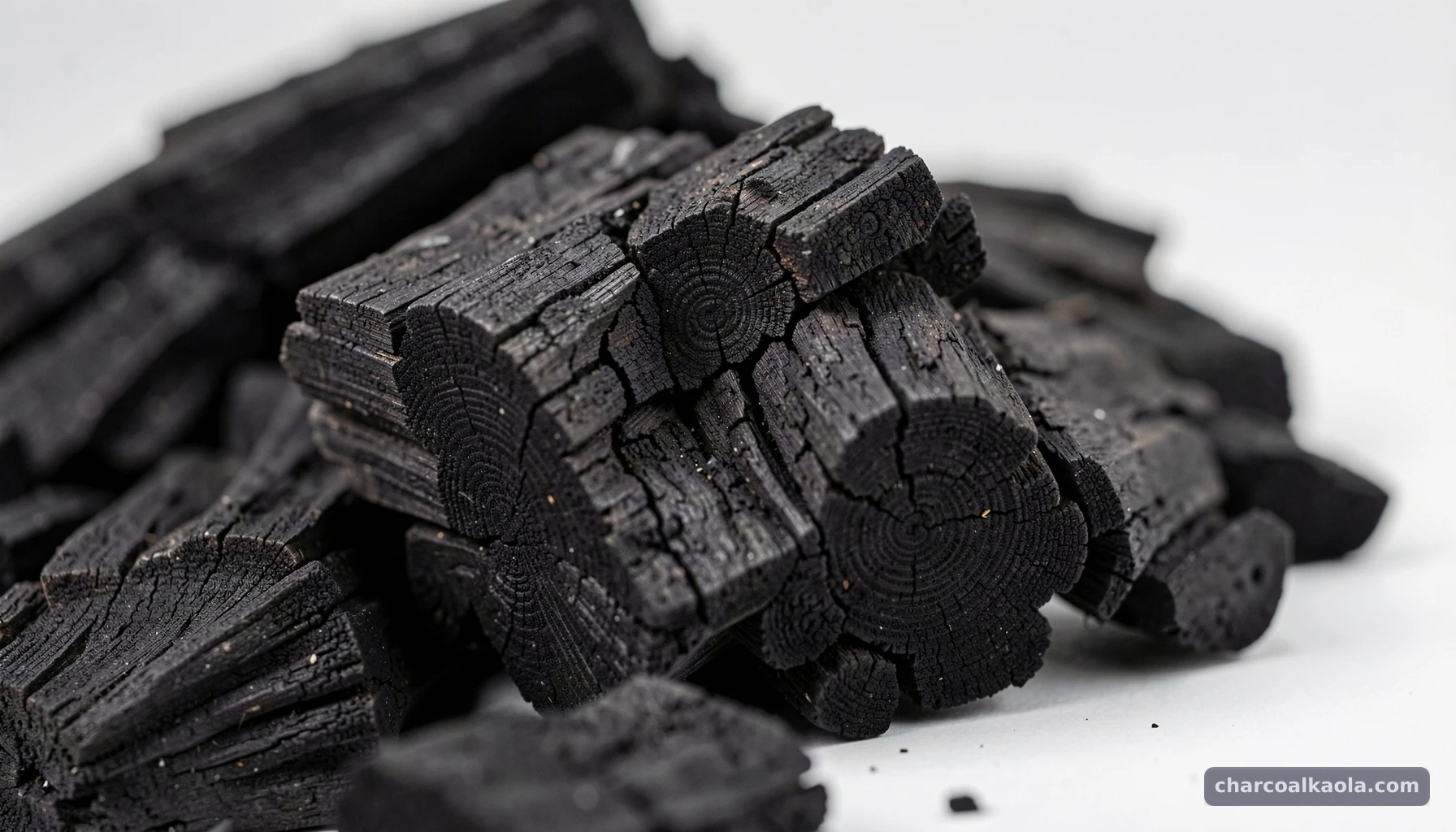
How does mangrove charcoal become an industrial BBQ fuel?
Mangrove charcoal is made by carbonizing mangrove wood in traditional kilns. KAOLA CO., LTD produces it at a facility in Quang Tri Province, Vietnam, using 40 traditional kilns. The manufacturer reports that its product is refined at 1,200°C to achieve high carbon content and purity.
That production description helps buyers understand the product, but it is not a substitute for a specification sheet or an application trial; buyers comparing Vietnamese suppliers may also review how to verify a Vietnamese Binchotan manufacturer for import. The practical performance of any shipment should be assessed against the intended grill, loading method, airflow, cooking duration, and the buyer’s requirements. Charcoalkaola can provide test reports and product documentation to support evaluation.
Mangrove hardwood’s dense physical structure is a relevant buying consideration for professional BBQ. Dense pieces may be suited to applications where a substantial, solid fuel is desired, but piece size and shape also affect how charcoal fits a firebox and how evenly a team can manage the fuel bed. Buyers should confirm the available sizing before placing a production order.
The supplier identifies high-heat grilling as a primary use. Its reported heat output reaches up to 7,560 Kcal in laboratory testing. Since the fact sheet does not specify the test basis or guarantee a particular temperature in a grill, request the applicable report and confirm whether its method and units match your procurement criteria.
What do “high heat” and “long burning time” mean for a BBQ buyer?
For a commercial kitchen, “high heat” matters when the cooking process requires a strong heat source, including high-temperature searing. KAOLA’s reported laboratory result of up to 7,560 Kcal is a useful point of comparison when reviewing supplier data. It should not be read as a promise that every load will deliver identical cooking conditions.
Long burning time is also important to industrial BBQ buyers, but it depends on more than the charcoal name. Piece dimensions, the amount loaded, grill design, airflow, and operating practice can affect how long a fuel bed remains useful. The available product facts do not state a specific burn duration, so buyers should not rely on an unverified number in purchasing decisions.
Instead, assess these questions in a controlled trial:
- Does the product suit your grill and preferred fuel-loading routine?
- Are the supplied sizes practical for your firebox and staff?
- Can your team maintain the heat needed for the menu?
- Does the supplier’s test documentation meet your internal review requirements?
Record the results using your normal equipment and procedures, then compare them with your existing fuel. This approach turns broad claims about heat or burn time into evidence relevant to your operation.
Specifications, Documentation, and Buyer Comparisons
Vietnam Mangrove Charcoal has defined supplier-reported production and export specifications, while application-specific outcomes need buyer verification. The table below separates documented product information from the questions procurement teams should resolve before ordering.
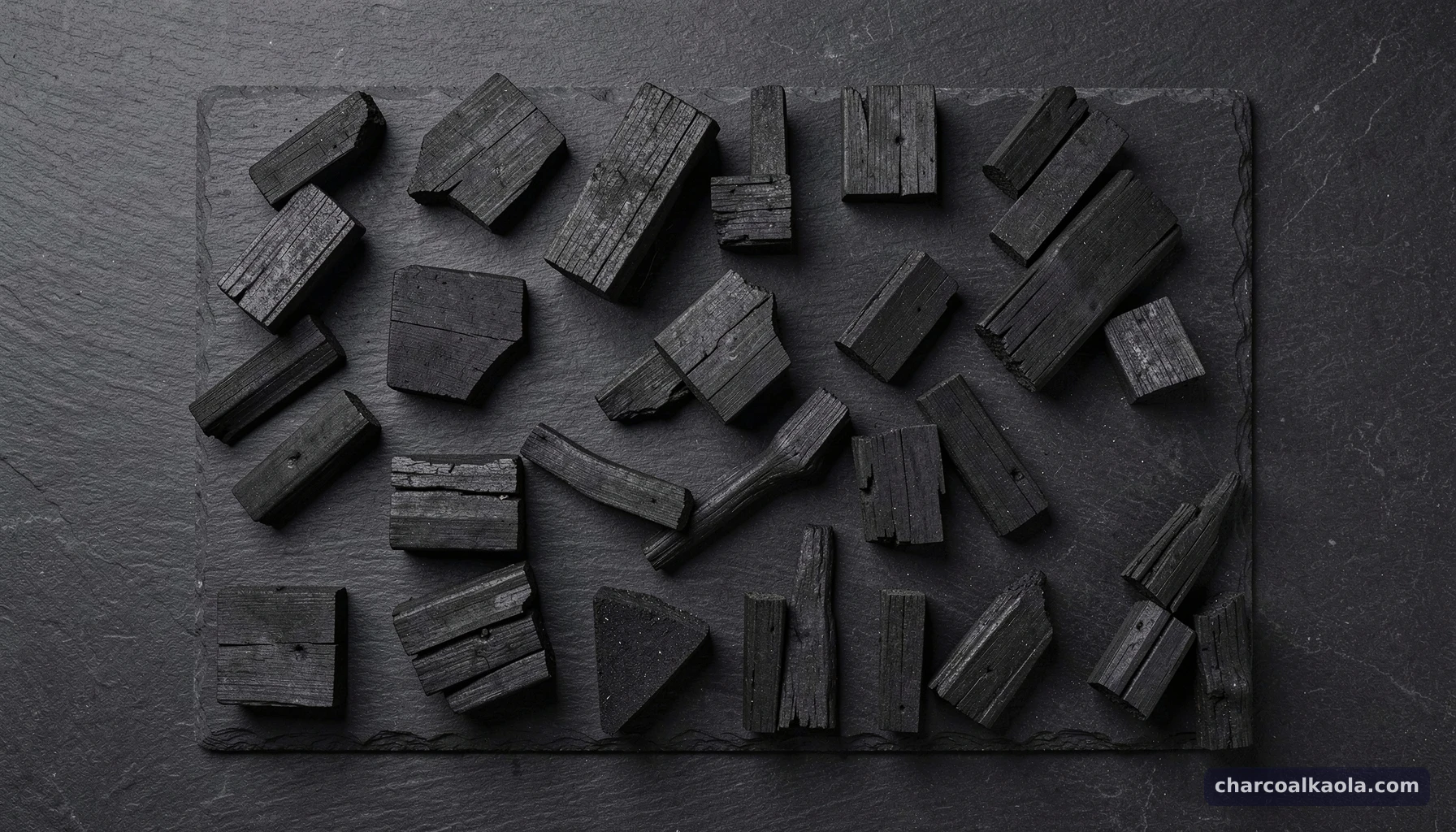
Which product specifications should you compare?
Use the following information as a starting point for supplier evaluation. Where the fact sheet gives a figure or capability, it is identified as a manufacturer-supplied detail; where it does not, request confirmation rather than assuming a standard.
| Evaluation point | Vietnam Mangrove Charcoal information | What a buyer should confirm |
|---|---|---|
| Feedstock | Mangrove wood | Product identity and any destination-market requirements |
| Production | Traditional kiln carbonization in Quang Tri Province, Vietnam | Details relevant to the buyer’s specification |
| Kiln capacity context | Facility operates 40 traditional kilns | Whether production timing suits the order |
| Refining temperature | Processed at 1,200°C, according to the supplier | Supporting process or product documentation, if required |
| Reported heat output | Laboratory-tested heat output reaching up to 7,560 Kcal | Test method, basis, and suitability for comparison |
| Sulfur | Described as low-sulfur | Actual test report and buyer’s acceptance criteria |
| Standards and methods | Testing according to TCVN, ISO, and ASTM methods | Which method applies to each result and whether it meets the destination requirement |
| Available documentation | MSDS, phytosanitary certificates, and AANZFTA certification | Which documents apply to the product, shipment, and destination |
| Customization | OEM/private label, customizable sizing and packaging | Specifications, artwork, and packing details |
| Monthly capacity | Approximately 180 tons | Availability for the required period and order volume |
How should you interpret testing and export paperwork?
A standards reference is useful only when the buyer knows what was tested and which method was used. KAOLA states that its charcoal is tested according to TCVN, ISO, and ASTM methods. Ask for the relevant report and check that the test parameter, method, and reported result address your actual specification.
The supplier also provides MSDS, phytosanitary certificates, and AANZFTA certification. These documents support different parts of product handling and export compliance; they should not be treated as interchangeable or assumed to satisfy every importing country’s rules. Confirm requirements with your customs broker or the relevant authority before shipment.
For an industrial BBQ program, procurement review should cover both fuel performance and delivery readiness. A lab result may inform product comparison, while packaging, carton configuration, labeling, and destination documents determine whether the shipment fits the operational and regulatory plan. Ask for written confirmation of the specifications attached to your order so that the product, packaging, and paperwork are aligned.
Some buyers evaluating charcoal from Vietnam may also compare other wood-based products, such as Khaya black charcoal from Vietnam. Treat each product as a separate specification: do not assume that its feedstock, performance, or intended application is identical to mangrove charcoal.
How to Evaluate and Order for an Industrial BBQ Operation
A reliable procurement process begins with a clear product specification and ends with a documented review of delivery and performance. KAOLA’s workflow runs from website inquiry through specification alignment, compliance checks, production, and export.
Step 1: Define the cooking and purchasing requirements
Before contacting a supplier, write down the operational need. Specify that the application is industrial BBQ, then identify the charcoal type, sizing preference, packaging format, expected order volume, and destination. If your business uses a particular firebox or fuel-handling routine, describe it so the supplier can discuss suitable sizing.
Separate mandatory requirements from preferences. Mandatory items may include a destination-specific document, a packaging format, or a defined product size. Preferences may include custom branding or a particular carton presentation. This makes it easier to compare a supplier’s confirmed offer against your actual needs.
Do not use “long burning” as a stand-alone measurable specification unless you define how you will assess it. Instead, state the operating conditions and test criteria your team will use. For example, identify the grill type, loading routine, and the cooking task being evaluated, then ask for product samples or a trial plan if available. The supplied facts do not confirm a sample program, so arrange any trial directly with the supplier.
Step 2: Request a quote and align the specification
Submit a Request a Quote through charcoalkaola.com. In the inquiry, include the charcoal type, target sizing, order quantity, destination, and packaging requirements. If you are considering OEM or private label, state that early so packaging and branding can be discussed as part of the order rather than added after specifications are settled.
KAOLA’s stated production capacity is approximately 180 tons per month. This is useful context for planning, not a guarantee that a specific quantity will be available on a particular date. Ask the supplier to confirm current availability, production timing, and shipping schedule for your proposed order.
Before approval, request a written specification covering the agreed product and packing details. Confirm that both parties are using the same description for the size and packaging. This reduces the chance of ordering a product configuration that does not fit your firebox, storage, or retail requirements.
Step 3: Verify compliance and review documents
Request the applicable MSDS, test reports, phytosanitary certificates, and AANZFTA certification. Confirm which documents are available for your shipment and whether they meet the import rules for the destination. Document requirements can differ by market, so the importer should verify them with its customs broker or relevant authority.
Review the test report for the precise parameter and method rather than relying on a general reference to ASTM, ISO, or TCVN. If your operation has a required threshold, communicate it to the supplier and confirm that the provided evidence addresses it. Keep the accepted reports and specification with the purchase record.
Step 4: Confirm production, export, and receipt
Once the product, packaging, and paperwork are aligned, confirm the production and logistics plan in writing. KAOLA prepares charcoal for international shipping and exports to markets including Japan, South Korea, the USA, the EU, and the Middle East. The fact sheet also cites a recent shipment of 850 cartons to Australia as an example of export activity; it is not a standard shipment size.
At receipt, compare the shipment with the purchase specification and documents. Record any mismatch promptly and retain relevant packaging and delivery records. For a new BBQ application, evaluate the product using your normal equipment and documented procedures before scaling up the purchasing program.
Practical Tips, Common Pitfalls, and Use Cases
The most useful procurement lessons are straightforward: compare documented specifications, test the fuel under your own operating conditions, and confirm export details before production. A buyer should treat heat output, burn duration, sizing, and destination compliance as related but separate evaluation questions.
What common purchasing mistakes can you avoid?
Mistake: treating a maximum heat figure as a guaranteed operating result. The supplier reports laboratory-tested output reaching up to 7,560 Kcal. Request the supporting report and clarify how the figure was obtained before comparing it with another supplier’s claim.
Mistake: buying without confirming piece size. Customizable sizing is available, but the buyer needs to specify what works for its grills, storage, and handling process. A product that is broadly suitable as charcoal may still be inconvenient if the size does not match the operation.
Mistake: assuming paperwork is universally accepted. MSDS, phytosanitary certificates, and AANZFTA certification are among the documents the supplier can provide. Confirm which apply to your shipment and which documents the destination requires.
Mistake: treating monthly capacity as reserved stock. Approximately 180 tons per month is the stated production capacity. Availability depends on the order and timing, so ask for confirmation rather than planning around the capacity figure alone.
Mistake: assuming burn duration or cooking results from a product name. Record a trial using your actual grill and workflow. A consistent internal evaluation is more useful than a duration claim without defined conditions.
How can the product fit different commercial uses?
For a restaurant group or BBQ franchise, the main evaluation is whether the fuel and sizing fit the kitchen’s cooking and replenishment routines. A documented trial can help the team decide whether the reported heat output is appropriate for its grilling tasks and whether the agreed packaging suits storage and handling.
For a retailer or distributor, OEM/private-label options allow buyers to discuss customized packaging and sizing. Confirm the approved branding, packaging details, product specification, and export paperwork before production. Do not assume that private-label packaging changes the charcoal’s underlying product characteristics.
For shisha or hookah suppliers, KAOLA identifies mangrove charcoal as a use case and describes its product as low-sulfur. A buyer should review the relevant test information and assess suitability for the intended market and application. That use case does not, by itself, establish a BBQ-specific performance result.
Industrial heating is another stated application. For specialized processes, the buyer should define the process requirements and verify the product against them rather than transferring BBQ trial results directly. Across all these uses, the practical advantage of buying direct from the manufacturer is the opportunity to align product, sizing, packaging, and documentation with the order.
2026 Outlook and Charcoalkaola’s Expert Perspective
In 2026, commercial buyers can make better charcoal decisions by focusing on verifiable specifications, application trials, and import readiness. Charcoalkaola’s perspective, informed by more than 10 years in Vietnam’s charcoal export industry, is that a procurement decision should connect kiln production details to the buyer’s operational and logistics requirements.
What should buyers prioritize in 2026?
Begin with the end use, then work backward to the specification. For industrial BBQ, define the cooking requirement, the grill setup, the desired size, and the packaging format. Use the reported 7,560 Kcal maximum laboratory result as a point for discussion, not as a substitute for a comparable test or an operational trial.
The supplier’s monthly production capacity of approximately 180 tons can help buyers start a capacity conversation. It does not provide a market-wide benchmark, forecast, or guarantee of availability. Instead, ask for a production schedule tied to your required quantity and shipment timing.
Likewise, do not assume a percentage saving, efficiency improvement, or reduction in fuel use without data from your own operation. If cost or fuel consumption is part of the buying case, track the charcoal used and the cooking outcome under controlled, repeatable conditions. That creates a useful baseline for comparing future shipments and suppliers.
For international purchasing, treat compliance as part of product selection rather than a final administrative check. Confirm destination requirements early and make sure requested documentation is available for the order. This is particularly important when a shipment is being prepared for a new market or a private-label program.
How does Charcoalkaola connect production to export needs?
KAOLA CO., LTD is a Vietnam-based manufacturer and exporter. Its Quang Tri facility uses 40 traditional kilns, and the company states a refining temperature of 1,200°C. Charcoalkaola brings more than 10 years of export experience to the practical side of procurement: aligning product requirements, test documentation, packaging, and shipping details with international orders.
Its stated export markets include Japan, South Korea, the USA, the EU, and the Middle East. The supplier’s process begins with an online quote inquiry, then moves through product and packaging alignment, compliance documentation, production, and export preparation. Buyers can use that sequence to identify decisions that need approval before production starts.
A useful takeaway for 2026 is to keep the purchase specification concise but complete. Record the charcoal type, agreed sizing, packaging, required documents, destination, and any trial criteria. This gives procurement, operations, and logistics teams a shared reference point and helps connect traditional kiln production with international purchasing requirements.
FAQ
Vietnam Mangrove Charcoal is mangrove wood carbonized in Vietnam and supplied for cooking and industrial applications. The answers below clarify its reported performance, evaluation, and purchasing process.
What is Vietnam Mangrove Charcoal used for?
The stated uses include high-heat BBQ and grilling, shisha or hookah, and industrial heating. Buyers should assess suitability for their own equipment and requirements rather than assuming that performance in one application transfers to another.
How much heat does Vietnam Mangrove Charcoal produce?
KAOLA reports laboratory-tested heat output reaching up to 7,560 Kcal. Ask for the relevant report and confirm its test basis before using it to compare products or predict results in a commercial grill.
Does the charcoal have a guaranteed long burning time?
No specific burn duration is provided in the available product facts. Burning time can depend on the charcoal size and the grill’s setup and operation, so buyers should evaluate it under their own defined conditions.
What documents can the supplier provide?
The stated documents include an MSDS, test reports, phytosanitary certificates, and AANZFTA certification. Confirm which documents are available for your order and whether they satisfy the destination’s import requirements.
Can buyers request customized sizes and private-label packaging?
Yes. KAOLA offers OEM/private-label services and customizable sizing and packaging. Include these requirements in the quote request and confirm the approved specifications before production.
