
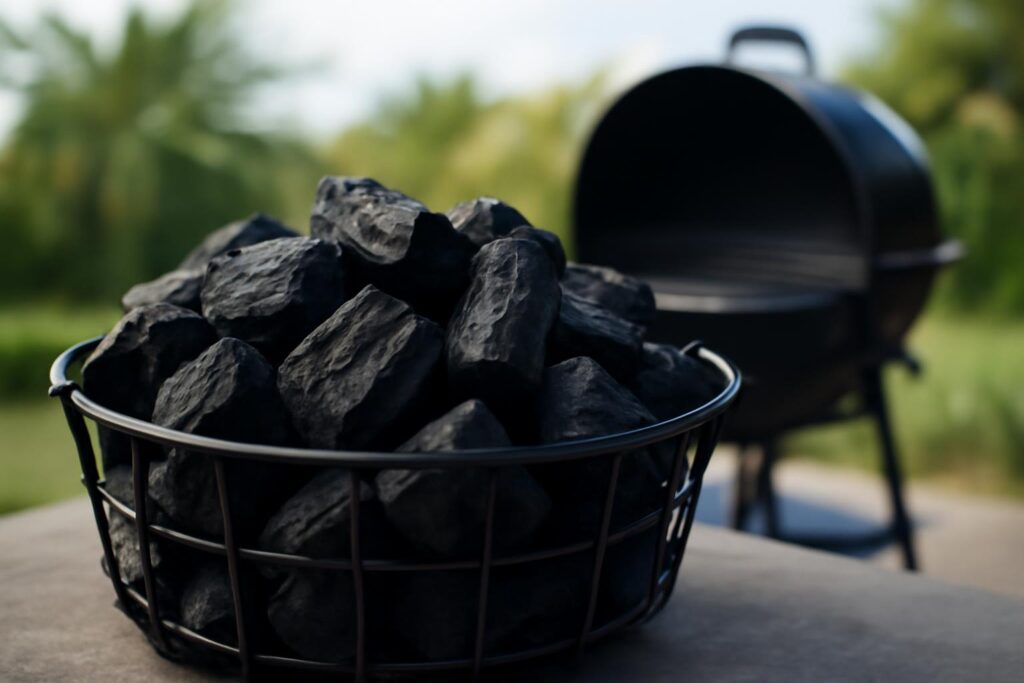
If you want to buy Vietnam Mangrove Charcoal, choose a supplier that can prove the wood origin, carbonization quality, size grading, moisture level, and export-ready packaging before you pay. This guide helps you compare Vietnam mangrove charcoal suppliers, inspect samples, select the right grade for your market, and place a lower-risk order with confidence. You will also find practical specifications, buying questions, and delivery checks that protect product performance from factory to final use.
Why Vietnam Mangrove Charcoal Is Worth Buying
Vietnam mangrove charcoal is valued by importers, restaurants, wholesalers, and barbecue users because dense hardwood charcoal can deliver steady heat, a long burn time, and relatively low ash when it is properly produced. The key is not simply buying charcoal labeled as mangrove; it is buying a consistent product with specifications that fit your intended application, including industrial BBQ use.
Dense charcoal for dependable heat
Well-carbonized mangrove charcoal has a dense structure that supports slow, stable combustion. This makes it a strong option for grilling and foodservice operations that need reliable cooking heat rather than frequent refueling. For a broader comparison of material quality, performance, and applications, review this Vietnam mangrove charcoal buying guide.
When evaluating hardwood charcoal for grilling, focus on usable heat rather than appearance alone. Uniform carbonization, low moisture, and a suitable lump size generally matter more than a perfectly black exterior. A supplier should be able to explain how its production process controls these variables.
Useful across several buyer segments
Restaurants often prioritize stable heat and manageable smoke, while retail buyers may prefer clean, attractive pieces in consumer-ready bags. Distributors commonly need flexible grades and dependable container-loading standards. Defining the final user first prevents the common mistake of ordering a charcoal grade that looks acceptable but performs poorly in the target market.
Responsible sourcing must be verified
Mangrove ecosystems are environmentally sensitive, so responsible purchasing is essential. Ask for clear evidence of legal and traceable raw-material sourcing, relevant documentation, and transparent answers about production. A credible supplier should never rely only on vague sustainability claims when buyers request verification.
Before requesting quotations, clarify whether you need restaurant charcoal, retail barbecue charcoal, or bulk industrial fuel. That single decision will shape the right specification, packaging format, quality checks, and shipping plan.
How to Verify Quality Before You Order
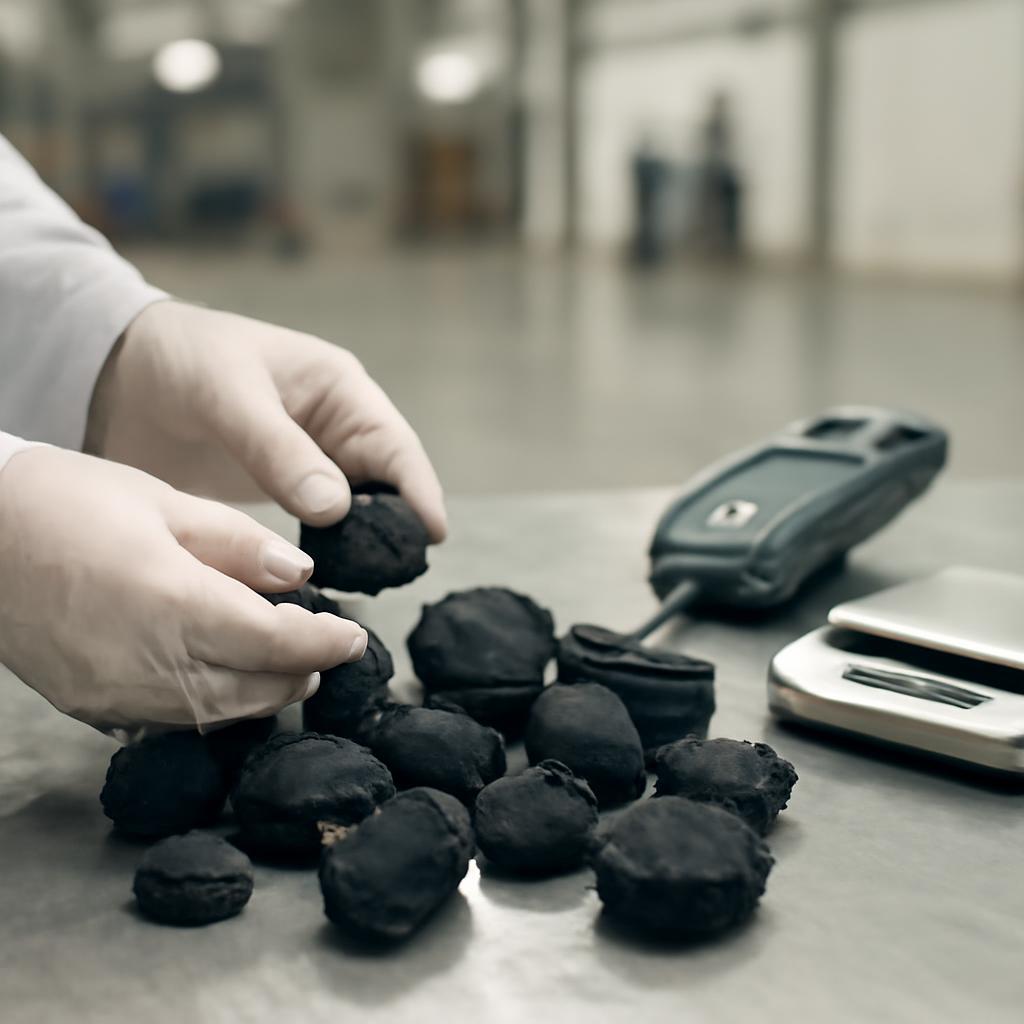
Buying charcoal without a written specification creates unnecessary risk. Request a product specification sheet and a representative sample before confirming a large order. The sample should reflect the exact grade, size range, packing method, and production quality proposed for shipment.
Check the essential product specifications
The most important charcoal quality specifications include fixed carbon, moisture, ash content, volatile matter, particle size, and foreign-material limits. Target values depend on the use case, but the supplier should provide measurable figures rather than broad claims such as “premium quality.”
- Fixed carbon: Higher levels generally indicate more effective carbonization and longer-lasting heat.
- Moisture: Lower moisture supports easier ignition and reduces unnecessary shipping weight.
- Ash: Low ash is particularly important for grilling, restaurants, and repeat consumer use.
- Size range: Consistent pieces make handling and combustion more predictable.
- Dust and fines: Excess breakage can reduce saleable yield and create customer complaints.
Test a production-representative sample
Examine the sample for density, dryness, visible soil, uncarbonized wood, and excessive powder. Then conduct a controlled burn test using the equipment relevant to your market. Observe ignition time, smoke during startup, heat stability, spark behavior, burn duration, and the amount of ash remaining after complete combustion.
A sample is valuable only when it matches the proposed shipment. Put the approved sample, specification limits, and acceptable tolerances into the purchase agreement. For a more complete reference on assessing charcoal quality and end-use performance, use a standardized checklist before finalizing the order.
Use independent inspection for larger orders
For container-scale purchases, consider a pre-shipment inspection. An independent inspector can check packing count, gross weight, bag condition, product size, moisture indicators, and consistency against the approved sample. This step is especially useful when buying from a new supplier or when the order will be sold under a demanding retail or foodservice standard.
Do not accept product photos as the sole quality proof. Photos can show a best-case selection, while written specifications, retained samples, inspections, and clear acceptance criteria provide a more reliable purchasing basis.
Choosing the Right Grade, Packaging, and Quantity
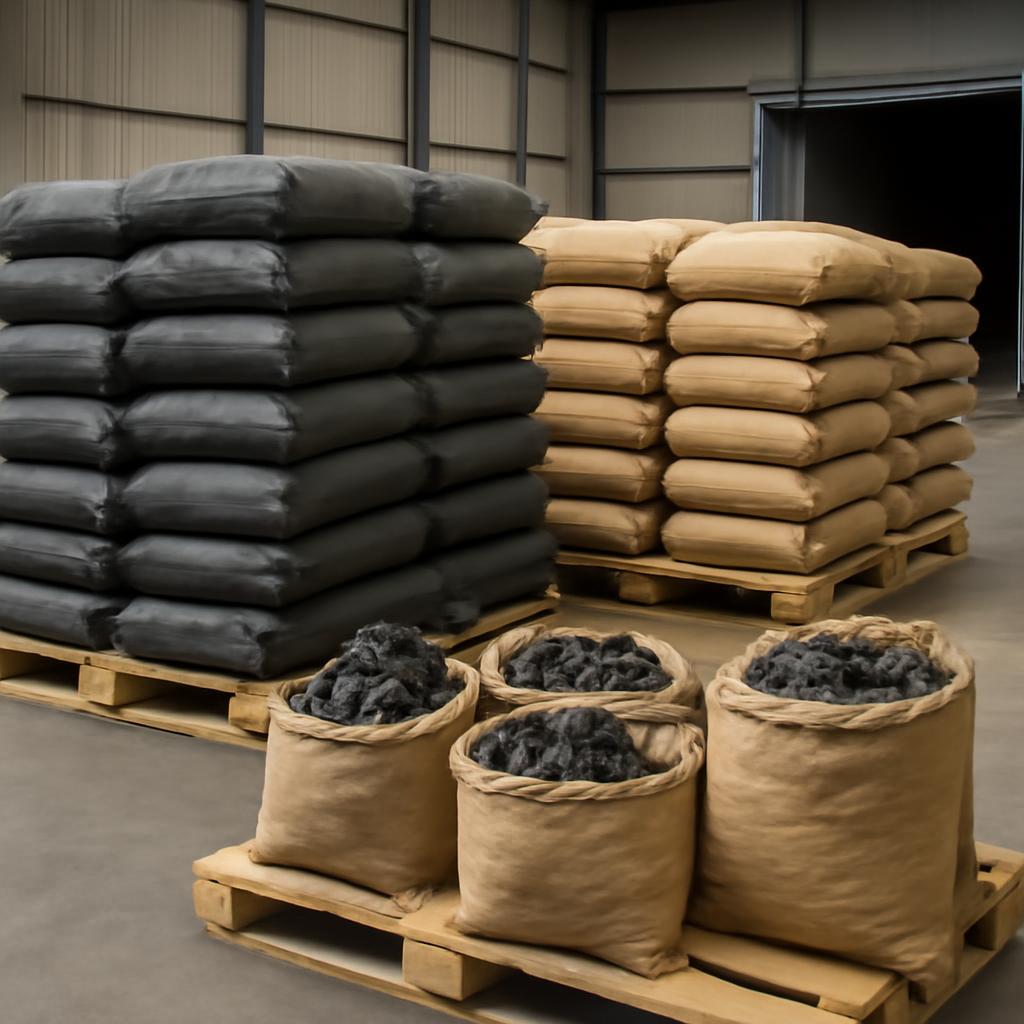
The best grade is the one that meets your customers’ performance expectations while controlling landed cost. To buy Vietnam Mangrove Charcoal efficiently, specify the intended use, preferred lump range, allowed fines, packaging design, and shipment volume before asking suppliers to quote.
Select lump size for the intended application
Large lumps are often preferred for longer grill sessions and premium barbecue applications because they can support extended burn time. Medium pieces can work well for general grilling and restaurant use, while smaller pieces may be appropriate for specific industrial needs or value-focused markets. Avoid mixing sizes unless the buyer has clearly approved the blend.
A practical order specification can state a size range, such as a defined percentage of pieces above a chosen dimension, alongside a maximum allowance for fines. This protects the usable yield inside each bag and helps prevent disputes after arrival.
Match packaging to your sales channel
Bulk charcoal export commonly uses strong woven polypropylene bags, kraft paper bags, or cartons, depending on destination requirements and handling conditions. Retail products may need smaller consumer packs, while wholesale customers may prefer larger bags to reduce repacking work and material cost.
Packaging must keep charcoal dry, limit breakage, and remain intact during loading, ocean transit, unloading, and local distribution. Confirm bag weight tolerance, inner liner requirements, carton strength, palletization needs, and whether the destination requires specific marks or compliance information.
Calculate quantity and landed cost accurately
Compare quotations using the same basis: product grade, net weight, packing type, Incoterms, loading plan, documentation, and destination port. A lower unit price may be less attractive if it includes more fines, weaker packaging, or a lower actual net weight. Ask for estimated container capacity by bag size and confirm whether the load is optimized for weight, volume, or product protection.
For buyers building a detailed sourcing plan, this overview of Vietnam charcoal grades and buying factors can help align product specifications with commercial goals.
How to Buy From a Reliable Vietnam Supplier
A reliable purchase process combines supplier due diligence, clear commercial terms, sample approval, and shipment inspection. Treat the first order as a controlled sourcing project, especially if you are entering a new supply relationship or importing into a market with strict product requirements.
Screen suppliers before requesting a final quote
Start by confirming that the supplier can consistently produce or source the grade you need. Request company details, export experience, recent product images or videos, specification sheets, packaging options, sample availability, and references where appropriate. Strong communication and precise documentation are positive signs; unclear answers to basic quality questions are not.
Ask how the supplier controls moisture, sorting, storage, and contamination. Charcoal stored in humid conditions can absorb moisture quickly, so factory handling and warehouse practices have a direct impact on the quality delivered to the port.
Make the purchase agreement specific
Your contract or purchase order should identify the product name, grade, size distribution, moisture limit, ash target, packing details, net weight, quantity tolerance, Incoterms, payment terms, delivery period, inspection method, and claim procedure. Include the approved sample or a detailed reference to it whenever possible.
For mangrove charcoal wholesale purchases, establish when title transfers, which documents will be provided, and how nonconforming goods will be handled. Typical export documentation may include a commercial invoice, packing list, bill of lading, certificate of origin where applicable, and any destination-specific documents required by the buyer.
Protect the order from deposit to arrival
Use a payment structure appropriate to the value and risk of the transaction. Keep written records of every approved specification change. Before shipment, verify final packing, bag count, visible condition, and container cleanliness. On arrival, inspect a reasonable sample of bags promptly and document any issue with photos, weights, and written findings.
The strongest buying decision is based on repeatable evidence: approved samples, measurable specifications, documented sourcing, and consistent shipment control. With those safeguards in place, Vietnam mangrove charcoal can become a dependable product line for barbecue, foodservice, and distribution markets.
Frequently Asked Questions
Is Vietnam mangrove charcoal good for grilling?
Yes. Properly carbonized, low-moisture mangrove charcoal can provide steady heat, a long burn time, and manageable ash, making it suitable for grilling. Always test a supplier sample in your own equipment before ordering in volume.
What should I ask before buying Vietnam mangrove charcoal?
Ask for the product specification, size distribution, moisture and ash data, photos of packaging, sample availability, minimum order quantity, Incoterms, lead time, and sourcing documentation. For large orders, ask whether pre-shipment inspection is accepted.
What is the best packaging for charcoal export?
The best option depends on your market and handling chain. Woven polypropylene bags, kraft bags, and cartons are common. The packaging should protect against moisture, tearing, and excessive breakage while meeting your retail or wholesale needs.
How can I reduce charcoal dust and breakage?
Specify the permitted fines level, use durable packaging, minimize unnecessary handling, and request careful container loading. A pre-shipment inspection can verify that the delivered grade is consistent with the approved sample.
Should I order a sample before a container?
Yes. A representative sample lets you test ignition, heat, smoke, burn duration, ash, odor, and piece size. Approve the sample in writing and use it as the quality reference for the commercial shipment.
