
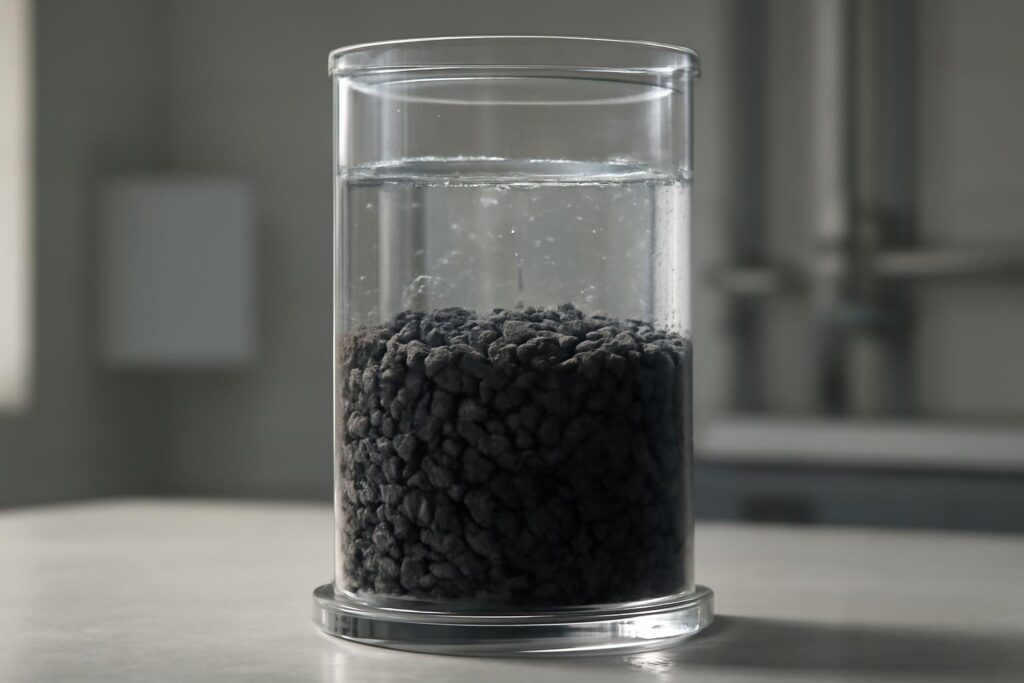
Vietnam Mangrove Charcoal filtration can reduce odor, color-causing organic compounds, and selected impurities when properly carbonized, sized, and installed in a suitable filter system. It is a practical natural-carbon media option, but it is not a universal substitute for activated carbon, membranes, or disinfection. If you need cleaner process water, improved air treatment, or a pre-filtration stage, this guide explains how mangrove charcoal works, where it fits, how to build an effective bed, and what quality checks matter most.
How Vietnam Mangrove Charcoal Works in Filtration
Vietnam mangrove charcoal filtration relies on a porous carbon structure formed when dense mangrove wood is heated with limited oxygen. As water or air passes through the media, contaminants may be retained through physical straining, surface adsorption, and contact with carbon pores. The result is often improved odor and reduced visible discoloration, especially when the charcoal is clean, dry, and correctly graded.
Adsorption Is the Main Treatment Mechanism
Carbon filtration media works primarily by adsorption: certain dissolved molecules attach to the internal and external surfaces of carbon. This makes mangrove charcoal useful for many odor-causing compounds and some natural organic matter. Performance depends on pore structure, contact time, flow rate, contaminant concentration, and whether the charcoal has been activated.
Raw charcoal and activated charcoal for water treatment are not identical. Activation creates substantially more accessible pore area, so it generally delivers stronger adsorption for dissolved contaminants. Standard charcoal can still serve as a lower-cost polishing or pre-treatment layer, particularly where the goal is odor control, coarse particulate capture, and basic organic reduction.
Porosity, Particle Size, and Contact Time
A charcoal bed needs enough empty space between particles for flow and enough surface area for contact. Fine particles expose more surface but can clog quickly and create excessive pressure drop. Larger pieces allow faster flow but may provide less treatment. A screened, washed granular grade is typically more reliable than mixed chunks and dust.
For a useful comparison of feedstock properties, end uses, and product selection, consult this Vietnam mangrove charcoal buying guide. Dense, well-carbonized material is usually more stable in a filter bed than under-carbonized pieces that shed fines, produce odor, or break down during backwashing.
What Charcoal Can and Cannot Remove
Mangrove charcoal can help address taste, odor, some organic compounds, and suspended fines when paired with proper pre-filtration. It should not be assumed to reliably remove pathogens, dissolved salts, all heavy metals, or industrial chemicals without verified testing. For drinking-water applications, use a validated treatment train and confirm performance through laboratory analysis.
- Often suitable for: odor reduction, color polishing, some organic matter, and pre-treatment support.
- Usually needs additional treatment for: bacteria, viruses, salinity, nitrates, and consistently high metal concentrations.
- Best practice: match media selection to measured source-water contaminants.
Where Mangrove Charcoal Filtration Performs Best
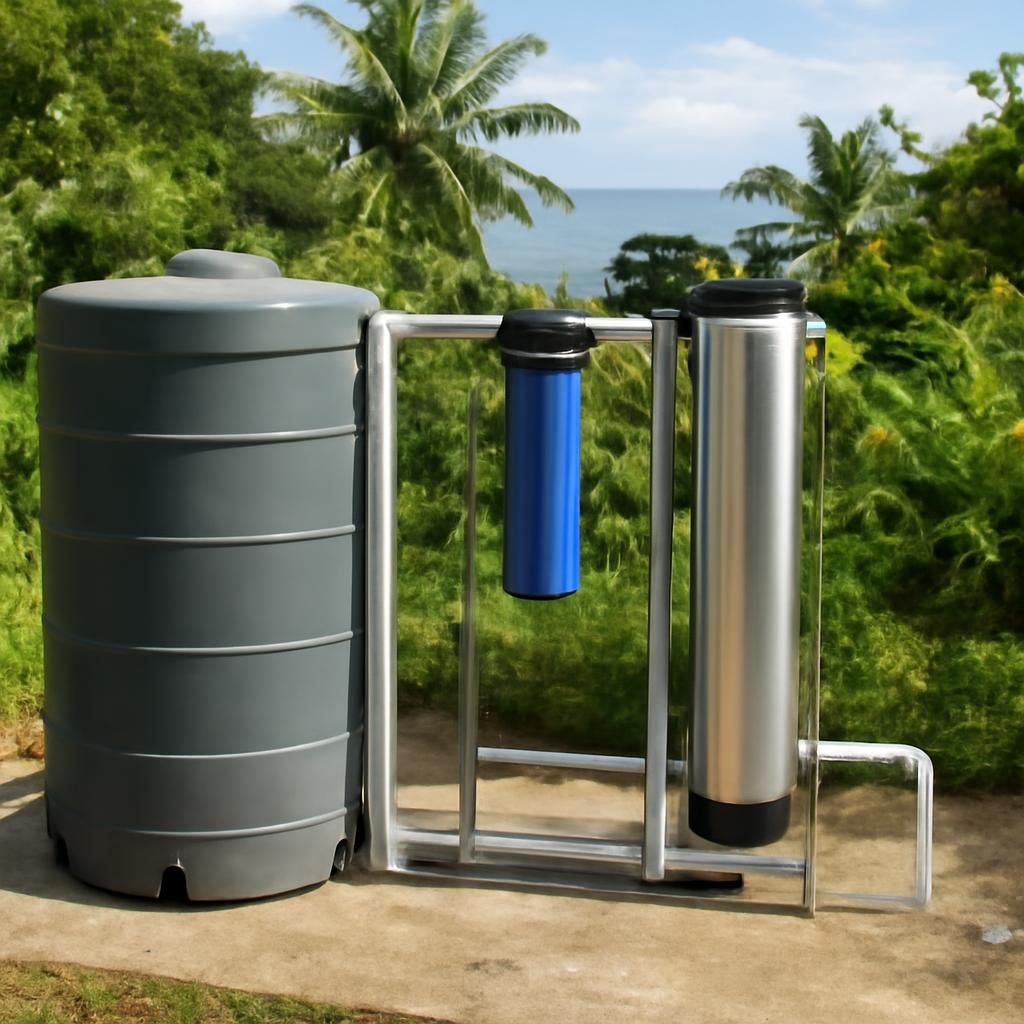
The best use of Vietnam mangrove charcoal filtration is as one layer within a complete treatment process. It can improve downstream performance by lowering organic loading, reducing nuisance odors, and protecting specialized media from premature fouling. Its role should be chosen according to the water or air stream, target contaminant, and required final quality.
Water Pre-Treatment and Polishing
In non-potable water systems, a mangrove charcoal water filter can be installed after sediment removal and before fine filtration, resin exchange, or disinfection. Removing sand, silt, and visible debris first prevents the carbon bed from plugging. The charcoal stage then has more opportunity to contact dissolved odor and color compounds rather than becoming a simple dirt trap.
Typical applications include rainwater polishing, wash-water treatment, aquaculture support systems, and process-water odor control. For potable water, the complete system must be designed to relevant local requirements, and its treated output must be tested rather than judged only by appearance or smell.
Air and Smoke Odor Treatment
Charcoal can also be used in ventilation and odor-control housings, where contaminated air moves through a packed bed. This approach is more effective when the media is dry and when moisture, grease, and dust are controlled upstream. A coarse pre-filter is important because sticky particles can coat the carbon surface and reduce adsorption.
For applications involving cooking smoke, production exhaust, or strong volatile compounds, activated media and engineered air-treatment units may be more appropriate. Use charcoal as a supplemental component only after determining the chemical composition and volume of the exhaust stream.
Industrial and Agricultural Support Uses
In agriculture and small-scale industry, natural charcoal filter media may provide economical support for low-to-moderate contaminant loads. It can be incorporated into multi-media columns with gravel, sand, and a final polishing layer. This layered approach reduces channeling and makes routine cleaning more manageable.
Selection should begin with an understanding of the source material. The broader uses of Vietnam mangrove charcoal show why density, ash level, and carbonization quality influence both fuel and filtration performance. A filtration project needs consistently screened media, not a random mix intended for combustion.
How to Design and Operate a Charcoal Filter
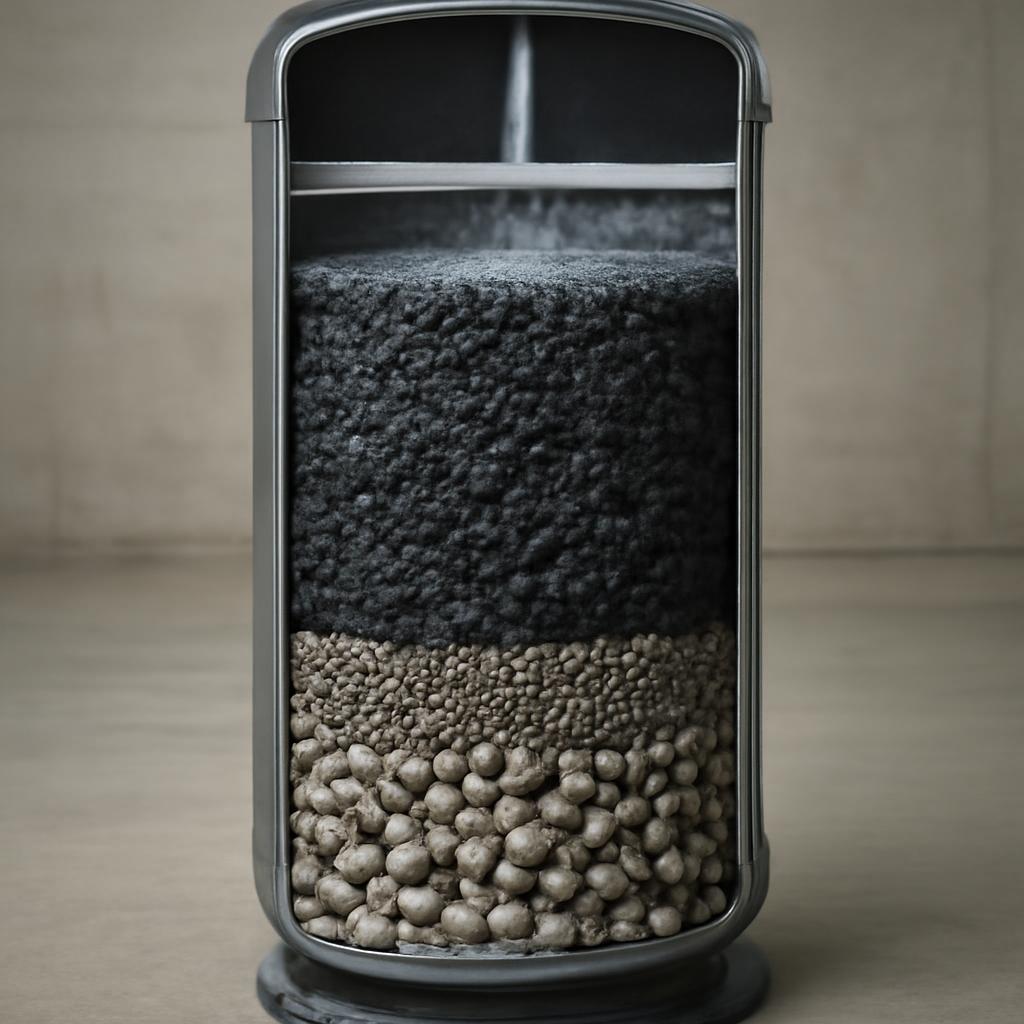
An effective filter is designed around the actual flow rate and contaminant load, not simply around the container size. Begin with source testing, select a clean media grade, and include upstream sediment control. This prevents common failures such as rapid clogging, carbon dust in the outlet, uneven flow, and disappointing odor removal.
Build a Layered Filter Bed
A basic gravity or low-pressure unit can use graded support layers beneath the charcoal. Clean coarse gravel supports the bed and protects the outlet, while a finer gravel transition helps prevent charcoal particles from escaping. The charcoal layer belongs above the support media, with a sediment screen or pre-filter ahead of the inlet.
- Use washed, dust-free charcoal screened to a consistent particle size.
- Install support gravel sized to retain the selected charcoal grade.
- Keep enough freeboard above the bed for expansion during rinsing or backwashing.
- Use food-safe housings and fittings where water may contact food or drinking-water equipment.
Control Flow Rate and Prevent Channeling
Slow, even flow is essential because it improves contact between the stream and the carbon surface. If water moves too quickly, it may pass through preferential channels and leave much of the media unused. Distribution plates, perforated pipes, or diffusers can help spread incoming flow across the bed.
Monitor inlet and outlet pressure, odor, color, turbidity, and flow rate. A rising pressure drop suggests clogging, while the return of odor or color may indicate exhausted media. These observations are more useful when recorded regularly instead of waiting until treatment quality visibly declines.
Rinse, Replace, and Verify Performance
New charcoal should be rinsed until the discharge runs clear enough for the intended use. This step removes loose fines that can blacken the initial effluent. Depending on the system design, gentle backwashing may restore hydraulic flow, but it does not fully restore adsorption capacity once the carbon pores are occupied.
Replacement intervals vary widely because source quality and operating conditions differ. Rather than relying on a fixed calendar, replace the media based on test results, pressure loss, and treatment targets. For procurement criteria such as low fines and uniform sizing, review this mangrove charcoal quality guide before specifying a supplier.
Quality, Safety, and Responsible Sourcing
Filtration outcomes are only as reliable as the media quality and the overall system design. Vietnam mangrove charcoal should be dry, consistently carbonized, low in loose dust, and free from paints, binders, chemical ignition aids, or mixed waste wood. Materials designed for grilling may not automatically be suitable for filtration.
Quality Specifications to Request
Ask suppliers for particle-size distribution, moisture content, ash content, fixed-carbon information, source traceability, and handling practices. For higher-risk applications, request contaminant testing relevant to your use case, including metals or polycyclic aromatic hydrocarbons where appropriate. Clear specifications reduce variation from one delivery to the next.
Low ash content matters because excessive mineral residue can reduce usable pore volume and contribute to unwanted solids. Uniform granules also improve predictable flow. When the target is dissolved contaminant removal, compare standard charcoal with activated options using actual adsorption data rather than marketing claims.
Health and Operational Safety
Charcoal dust can irritate the eyes and respiratory system, so use gloves, eye protection, and suitable dust control when filling or emptying filter vessels. Never enter enclosed vessels or storage spaces containing carbon media without professional confined-space procedures, since oxygen displacement and accumulated gases can be dangerous.
Do not claim that a charcoal bed makes water safe to drink unless the complete process has been designed, maintained, and verified for potable use. Charcoal does not provide residual disinfection, and poorly maintained beds can become a location for biological growth when nutrient-rich water is present.
Responsible Mangrove Supply Chains
Mangrove ecosystems protect coastlines, support fisheries, and store carbon, so responsible sourcing is essential. Favor producers that can document legal harvesting, managed plantations or approved forestry sources, efficient kiln practices, and traceable transport. Sustainable sourcing protects both supply continuity and the ecological value of coastal forests.
A responsible purchase decision balances filtration performance with environmental accountability. Specify the intended application, require consistent production records, and avoid material of uncertain origin. This approach supports a dependable biochar filtration system while reducing avoidable environmental and operational risks.
Frequently Asked Questions
Is Vietnam mangrove charcoal the same as activated carbon?
No. Standard mangrove charcoal is carbonized wood, while activated carbon is further processed to create more accessible pore structure and typically stronger adsorption capacity.
Can mangrove charcoal make water safe to drink?
Not by itself. It may improve odor and reduce some organic compounds, but safe drinking water requires treatment matched to tested contaminants, plus appropriate disinfection and verification.
How often should charcoal filter media be replaced?
Replace it when monitoring shows breakthrough, excessive pressure loss, or reduced treatment performance. The timing depends on flow, contaminant concentration, particle size, and maintenance practices.
Should charcoal be washed before use?
Yes. Rinse screened charcoal thoroughly to remove dust and loose fines before placing it in a filter housing or column.
What is the best particle size for filtration?
The best size depends on the system. Granular, consistently screened media is usually preferred because it balances adsorption surface area, flow rate, and resistance to clogging.
