
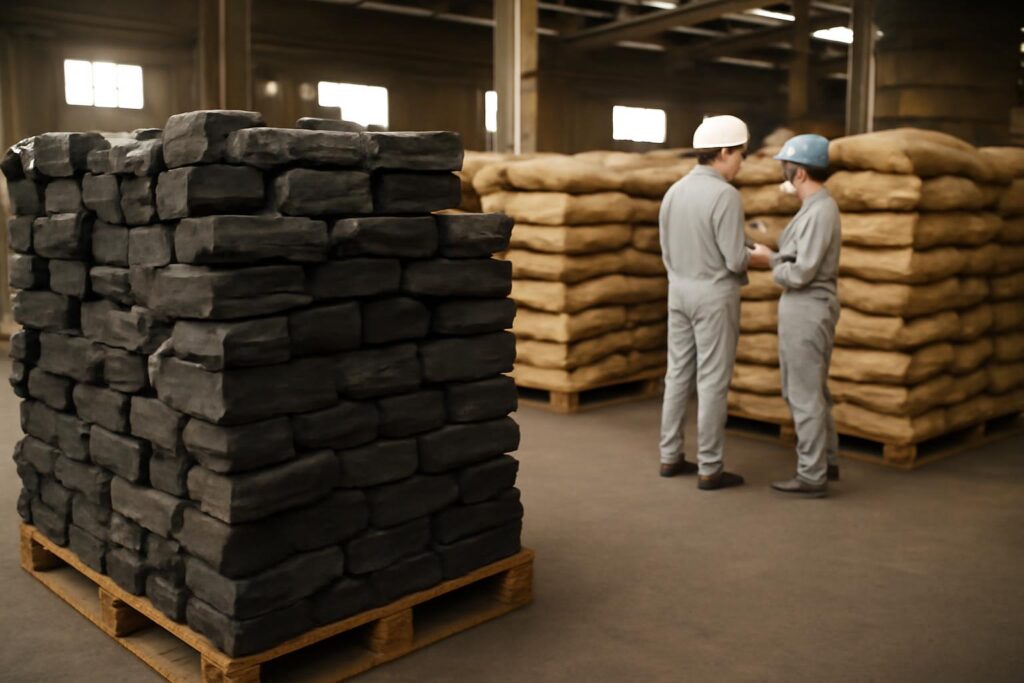
Vietnam Mangrove Charcoal exporters can be strong sourcing partners when they provide legal origin evidence, consistent grading, reliable moisture control, and export-ready documentation. If you need dependable charcoal for barbecue, restaurant, wholesale, or industrial distribution, this guide explains how to assess suppliers, compare specifications, manage shipping, and reduce purchasing risk when planning direct wholesale charcoal imports. You will also learn which questions to ask before placing a trial or container order.
Understanding Vietnam Mangrove Charcoal Exporters
Vietnam Mangrove Charcoal exporters typically serve overseas buyers seeking dense, long-burning hardwood charcoal for grilling and commercial fuel applications. The best suppliers do more than sell bags of charcoal: they control sorting, storage, packing, inspection, and export coordination to deliver a product that matches the agreed specification, while importers sourcing binchotan should also verify their Vietnamese Binchotan manufacturer before ordering.
Why mangrove charcoal is valued
Mangrove charcoal is known for its dense structure, stable heat, and relatively long burn time when properly carbonized. These characteristics make it attractive to buyers who prioritize dependable cooking performance, especially in restaurant supply, barbecue retail, and foodservice channels. For broader product context, review this Vietnam mangrove charcoal buying guide before comparing supplier offers.
Exporter, manufacturer, or trading company
Not every exporter owns a production facility. A manufacturer may offer better production visibility and more direct quality control, while a trading company may provide wider sourcing options, flexible consolidation, or access to several grades. Ask clearly whether the supplier produces, processes, or merely resells the charcoal, then request supporting evidence for the claimed role.
Common export product formats
Vietnam charcoal suppliers commonly offer lump charcoal in assorted size ranges, restaurant-grade larger pieces, barbecue charcoal, and customized retail packs. Specifications may include fixed carbon, ash content, moisture, volatile matter, piece size, and fines percentage. A clear specification sheet prevents confusion between a low-price mixed grade and a premium uniform grade.
How to Evaluate Export Quality and Compliance
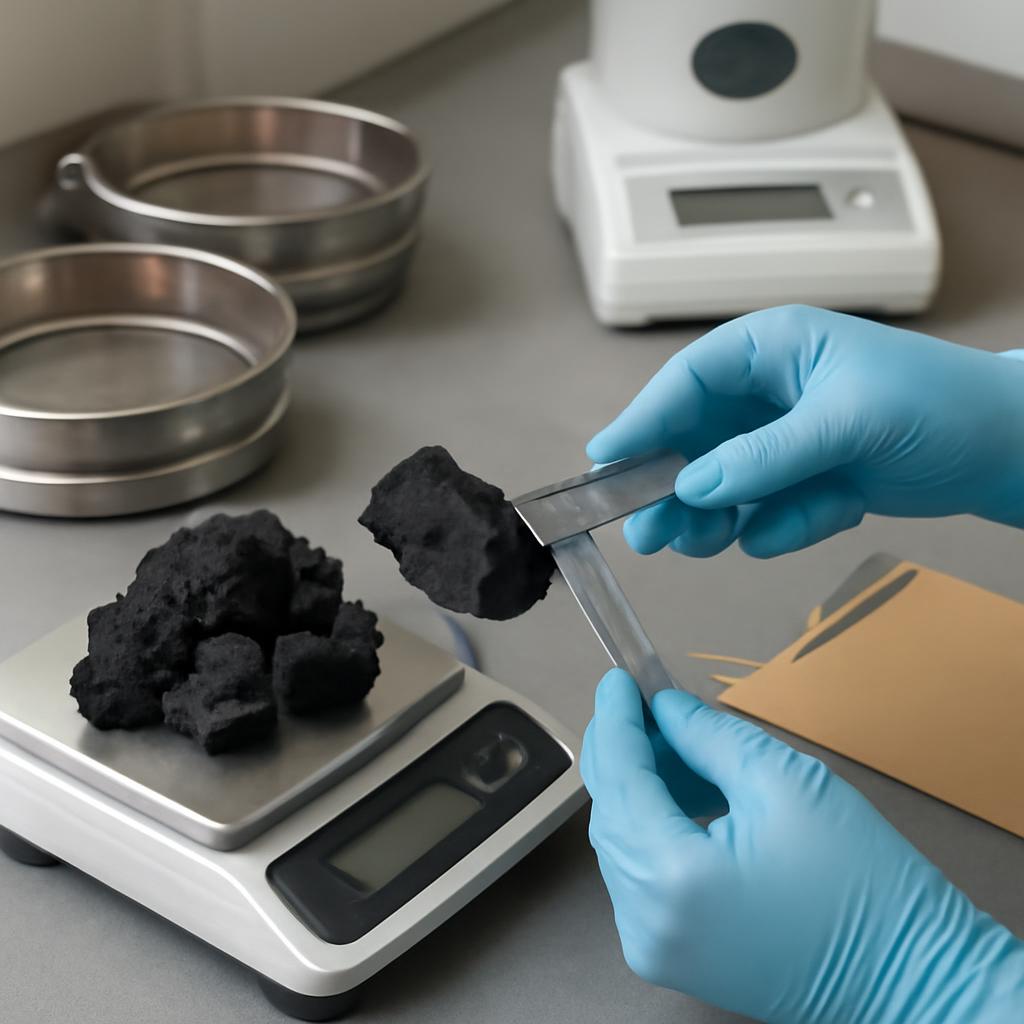
Supplier evaluation should begin with measurable criteria rather than photos alone. Ask Vietnam Mangrove Charcoal exporters for a current product specification, recent laboratory results where available, packing details, production photos or videos, and a sample that reflects the exact grade quoted for your order.
Core quality indicators to compare
For mangrove charcoal suppliers Vietnam, compare fixed carbon, ash level, moisture, volatile matter, piece-size distribution, and dust content. Higher fixed carbon and controlled moisture generally support longer, cleaner-burning performance, while low fines reduce breakage complaints from distributors and end users. Confirm the testing method and acceptable tolerance for every figure in the contract.
- Fixed carbon: Indicates the usable carbon portion after volatile materials are removed.
- Ash content: Affects cleanup, heat behavior, and customer perception.
- Moisture: Excess moisture can make lighting harder and add unnecessary shipment weight.
- Fines and dust: Excessive small particles can damage retail presentation and usability.
- Piece size: Must suit the intended grill, restaurant kitchen, or distribution market.
Legal origin and environmental responsibility
Responsible sourcing is essential when purchasing any forest-derived fuel. Request documents that support legal origin, applicable local compliance, and traceability through the supply chain. Avoid suppliers that make vague sustainability claims but cannot explain their raw-material source, processing location, or documentation process. Buyers should also verify import rules in their destination market before confirming a purchase.
Sample approval and pre-shipment checks
A sample should be treated as a benchmark, not a courtesy. Record its weight, size range, ignition behavior, smoke level, ash residue, and breakage rate. Before final payment, arrange a pre-shipment inspection or use a detailed loading checklist covering bags, labels, carton condition, moisture protection, container cleanliness, and final quantity. This disciplined approach supports a consistent mangrove charcoal quality standard across repeat orders.
Ordering, Packaging, and Shipping Considerations
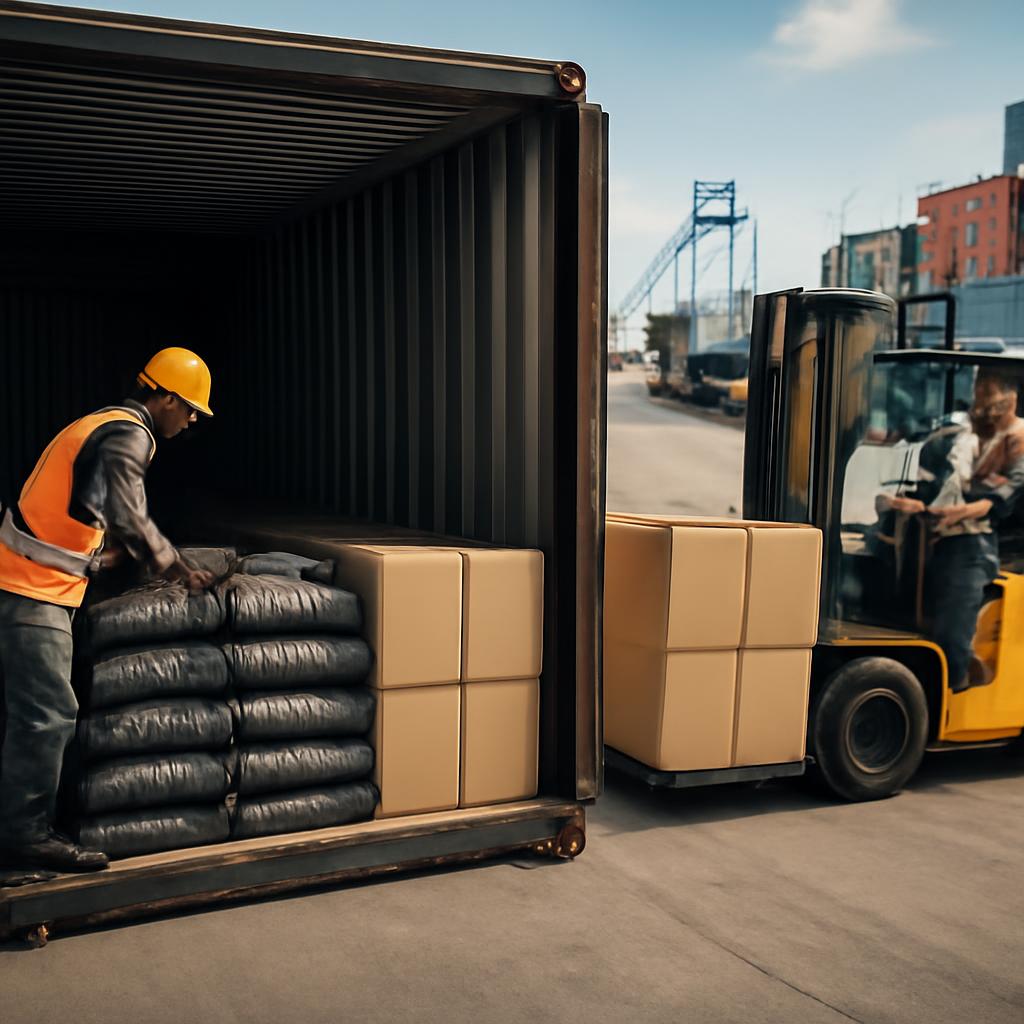
Successful charcoal exports depend on operational details as much as product quality. A competitive quotation should state the grade, packing configuration, minimum order quantity, Incoterm, payment terms, lead time, port of loading, and validity period. Never compare two prices until the commercial terms and specifications are aligned.
Choose packaging for the sales channel
Vietnam hardwood charcoal export orders may be packed in bulk bags, polypropylene sacks, kraft paper bags, cartons, or customized retail-ready formats. Foodservice buyers often prioritize durable large sacks and uniform pieces, while retailers may need barcoded consumer packs, inner bags, display cartons, and stronger presentation standards. Packaging must protect the charcoal from moisture and minimize damage during handling.
Understand container loading and freight risk
Charcoal is bulky, breakable, and sensitive to poor loading practices. Confirm the expected net weight per container, bag count, palletization requirements if any, and the method used to reduce empty spaces. Ask the supplier how bags are stacked, whether the container is dry and odor-free, and how loading photos will be shared. Freight quotations should be treated separately from product pricing because rates can change quickly.
Prepare export and import documents early
Typical documentation may include a commercial invoice, packing list, bill of lading, certificate of origin when applicable, and any buyer-requested inspection or phytosanitary-related paperwork. Requirements vary by destination and product classification, so confirm them with a customs broker before shipment. For purchasing decisions beyond logistics, consult the complete guide to Vietnam mangrove charcoal uses to match the grade with your market needs.
Building a Reliable Long-Term Supply Partnership
The most reliable buying strategy is to start with a controlled trial order, document the outcome, and scale only after the supplier proves consistency. This process protects both parties and creates a practical basis for forecasting volumes, refining packaging, and setting repeat-order quality standards.
Use a written specification and purchase agreement
A purchase agreement should define charcoal type, grade, size range, maximum moisture, ash threshold, acceptable fines, bag weight tolerance, total quantity, packing style, inspection rights, payment milestones, and claim procedures. Vague wording such as “high quality” is not enforceable enough for international trade. Measurable terms create a fair reference if a shipment does not match expectations.
Communicate with a repeatable order process
Establish a workflow for quotation approval, sample confirmation, production updates, inspection scheduling, document review, loading evidence, and shipment tracking. A dependable exporter should answer technical questions directly and notify the buyer early when timing, raw-material availability, or vessel schedules change. Clear communication is a key indicator of long-term supplier reliability.
Balance price with total delivered value
The lowest quoted price can lead to higher costs through excess dust, inconsistent size, poor packaging, delayed documents, or customer complaints. Evaluate the total delivered value: usable charcoal yield, performance, packaging durability, compliance support, logistics coordination, and supplier responsiveness. A stable partner can help protect margins better than a cheap but inconsistent source.
Frequently Asked Questions
What should buyers request from Vietnam Mangrove Charcoal exporters? Request a detailed specification sheet, product photos, sample, packing details, quotation terms, legal-origin information, export document list, and inspection options.
What is the ideal moisture level for export charcoal? The target depends on the agreed grade and intended use, but lower, controlled moisture is generally preferred for ignition performance, transport efficiency, and storage stability.
Can exporters provide private-label charcoal packaging? Many exporters can support customized bags, cartons, and retail formats, subject to minimum order quantities, artwork approval, and lead time.
How can buyers reduce quality risk before shipment? Approve a representative sample, define measurable contract specifications, request production updates, and arrange a pre-shipment inspection or detailed loading verification.
Are all mangrove charcoal offers equally sustainable? No. Buyers should verify legal origin, traceability, and applicable compliance documentation instead of relying only on marketing claims.
