
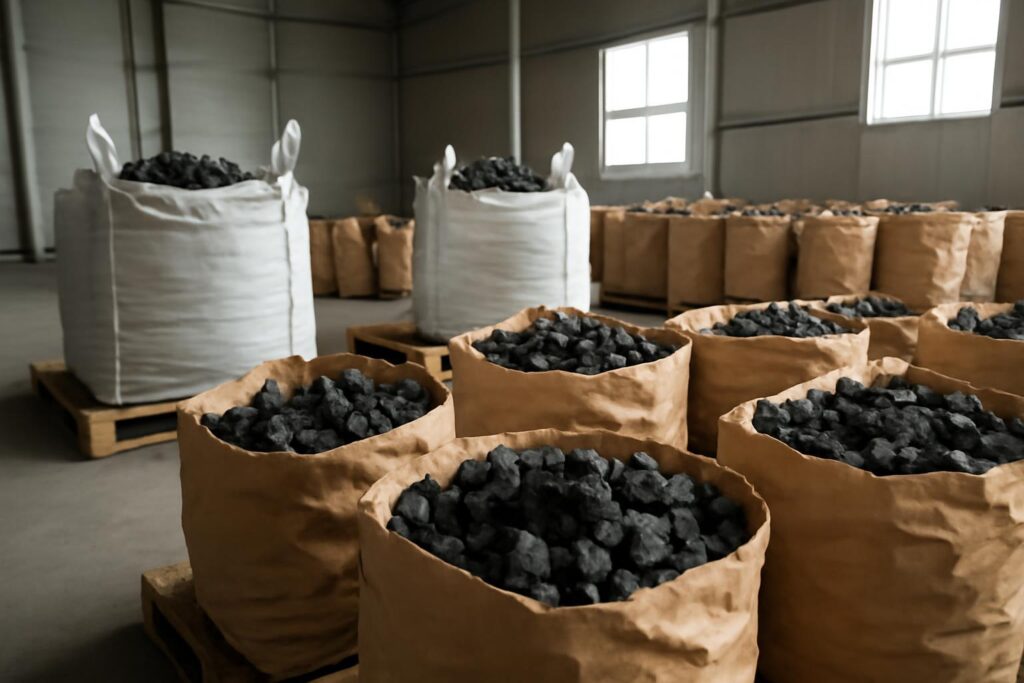
Vietnam Mangrove Charcoal price commonly ranges from about USD 450 to USD 900 per metric ton FOB, depending on grade, size, moisture, packaging, and order volume. Premium restaurant-grade lump charcoal and carefully screened shisha-grade products usually cost more than mixed or industrial grades. If you need a reliable quote rather than a misleading low headline price, this guide explains the main price drivers, how to compare supplier offers, and how to calculate your true delivered cost.
Vietnam Mangrove Charcoal Price Overview
Vietnamese mangrove charcoal is valued for its dense hardwood structure, long burn time, stable heat, and relatively low smoke when properly carbonized. Buyers should treat every quote as a specification-based offer, not as a fixed market number. A price that looks attractive may exclude sorting, export packaging, loading, documentation, or the quality controls needed for food-service use.
Typical FOB price ranges
For planning purposes, Vietnam mangrove charcoal export price levels often fall into broad bands. Mixed-size or less strictly sorted lump charcoal may be quoted around USD 450–600 per metric ton FOB. Standard BBQ-grade material with controlled moisture and more consistent sizing may sit near USD 600–750 per metric ton FOB. Premium, low-dust, hand-selected grades can reach USD 750–900 or more, especially for smaller-volume orders or demanding packaging requirements.
These ranges are indicative rather than guaranteed. Seasonality, available raw material, port congestion, exchange rates, fuel and labor costs, and destination-specific compliance can all move the final offer. Reviewing the broader Vietnam mangrove charcoal buying guide helps buyers connect a quoted price with the grade and end use they actually need.
Price by grade and intended use
Restaurant operators often pay more for large, dense pieces because they want predictable heat and fewer refills during service. Retail brands may prioritize clean appearance, retail-ready bags, and low breakage. Industrial users can sometimes accept smaller pieces or mixed sizes, which can reduce the mangrove charcoal wholesale price but may increase ash, dust, and handling loss.
For BBQ distribution, clarify whether the product is natural lump charcoal, machine-formed charcoal, or charcoal fines. These products have different production costs and performance characteristics. Do not compare them only by price per ton.
FOB, CIF, and landed cost
FOB means the supplier delivers the cargo on board at the agreed Vietnamese port; ocean freight, insurance, import duty, and destination charges remain with the buyer. CIF includes freight and insurance to the named destination port, but it still does not always include local terminal, customs, inspection, or inland delivery costs. Ask for the Incoterm, named port, validity period, and all inclusions in writing before comparing offers.
What Determines Mangrove Charcoal Export Prices
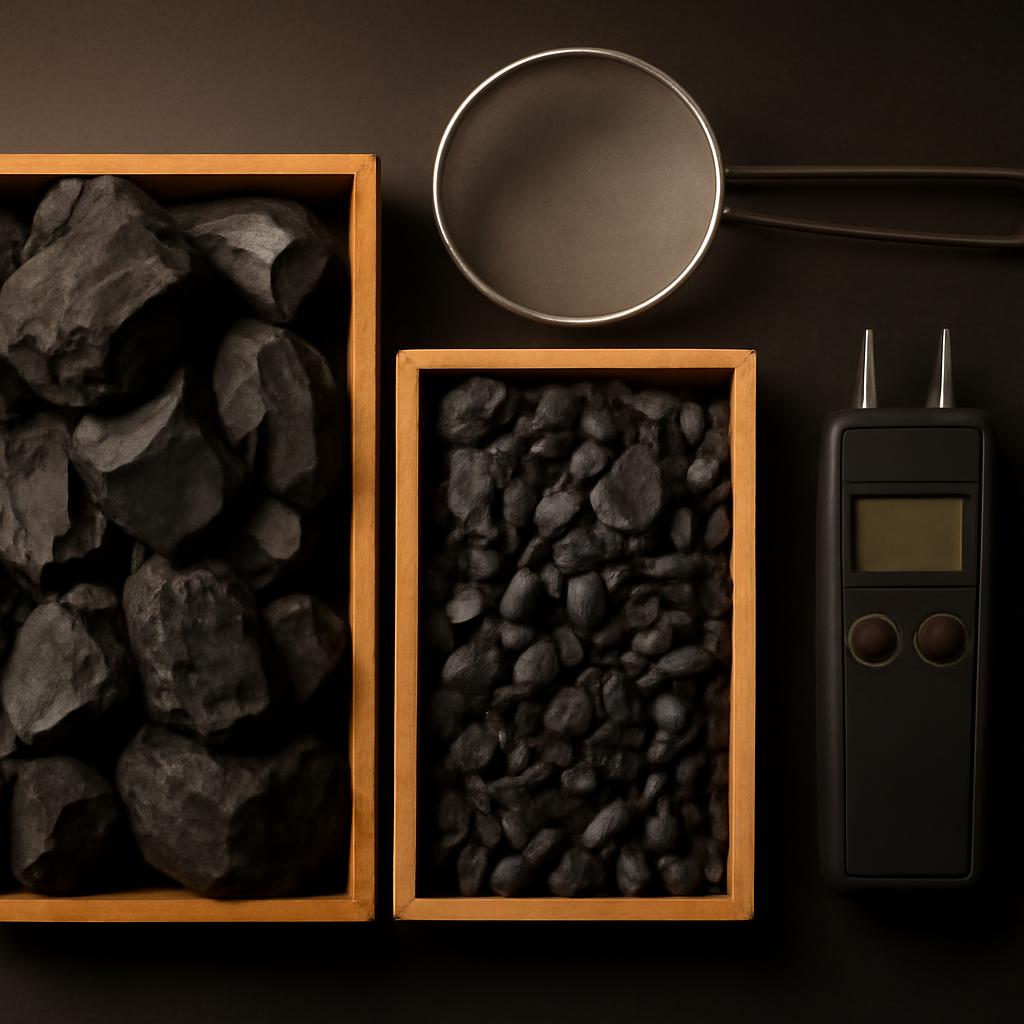
Two suppliers can quote very different prices for what appears to be the same product because charcoal quality is measurable in several ways. The key is to request a clear specification sheet and align it with the needs of your customers. This prevents disputes after loading and makes negotiations more productive.
Raw material density and carbonization
Mangrove hardwood is generally dense, but feedstock quality and kiln control still vary. Proper carbonization can improve fixed carbon, reduce volatile matter, and create a stronger, more consistent product. A lower-priced shipment with under-carbonized pieces may produce more smoke, odor, sparks, or unstable heat, creating higher costs for restaurants and retail consumers.
Request test results or agreed tolerances for moisture, ash, fixed carbon, volatile matter, and calorific value where relevant. For a practical benchmark, the mangrove charcoal quality standards should be reviewed alongside physical samples, because laboratory figures alone do not reveal breakage or size consistency.
Size, screening, and dust content
Large, uniform pieces require additional sorting and normally command a higher price. A common restaurant specification may favor pieces above a stated minimum size, while retail products may need a narrow size range for attractive presentation. Smaller fragments are not automatically poor quality, but they can lower usability and increase customer complaints if sold as premium lump charcoal.
- Large lump: Better airflow and longer burn potential, usually higher cost.
- Medium lump: Versatile for BBQ and food-service applications.
- Small pieces and fines: Lower-priced but more prone to rapid ignition, dust, and loss.
Packaging and order quantity
Bulk master bags, plain cartons, printed retail bags, inner liners, palletization, and moisture protection all affect the quote. A full-container order usually offers a better unit cost than a partial shipment because fixed handling and export expenses are spread across more cargo. When evaluating a BBQ charcoal price Vietnam quotation, ask whether the price is based on net weight, gross weight, and which packaging format is included.
How to Compare Offers and Calculate Landed Cost

The lowest FOB number is rarely the lowest overall cost. A disciplined comparison should convert every offer into the same unit, specification, Incoterm, and destination. This process is especially important when buying container loads for resale, where a small difference in breakage or freight can materially affect margin.
Build a like-for-like comparison sheet
Create one line for each supplier and record the product grade, piece-size range, moisture limit, ash limit, fixed carbon target, dust tolerance, net weight per bag, bags per container, port of loading, lead time, and payment terms. Include whether inspection, fumigation, certificates, palletization, and export documents are included. This approach turns a vague charcoal price per ton Vietnam into a commercial offer you can audit.
Also compare sample quality with the approved specification, not with a different premium sample. If possible, retain a sealed reference sample and include an independent pre-shipment inspection requirement for critical orders.
Estimate your landed cost
A simple landed-cost formula is: FOB cargo value + ocean freight + cargo insurance + origin charges not included + destination port charges + customs duty and taxes + customs clearance + inland transport + expected loss allowance. Divide the total by the saleable net weight, not merely the booked container weight. This gives a more realistic cost per kilogram or per retail bag.
For example, if a lower-cost supplier has higher dust content, the saleable yield may be lower after unloading and repacking. That lost yield can erase an apparent price advantage. Buyers sourcing for food service should also account for the cost of rejected stock, delayed replenishment, and reputational damage from inconsistent performance.
Protect margin with clear contract terms
State acceptable tolerances for moisture, ash, size distribution, foreign materials, damaged bags, and fines. Define the inspection method, sampling point, claim window, and remedy for non-conforming goods. For a full view of product selection before contract drafting, use this guide to Vietnamese charcoal uses and sourcing to match the grade to restaurant, retail, or industrial demand.
How to Buy Vietnam Mangrove Charcoal Safely
Reliable purchasing starts with verification. A professional supplier should be able to provide a product specification, recent photos or videos of production and packing, sample options, export history where appropriate, and transparent answers about lead time and documentation. Avoid making decisions based only on marketplace images or unusually low quotations.
Request the right documents and samples
Before placing a large order, request a representative sample from the proposed production grade. Confirm its size range, ignition behavior, burn duration, smoke level, ash, odor, and breakage after handling. Depending on the destination market, ask about phytosanitary requirements, origin documents, packing lists, commercial invoices, bills of lading, and any buyer-specific compliance paperwork.
Import rules differ by country, and charcoal may be subject to environmental, customs, or packaging requirements. Work with a qualified customs broker in the destination market to confirm the correct tariff classification and required permits before payment or shipment.
Choose a payment and inspection plan
For first transactions, reduce risk with staged payment terms that are commercially reasonable for both parties. Use a written sales contract, confirm bank details through an independent channel, and consider third-party inspection before shipment. The inspection should verify quantity, packaging, visible condition, and agreed quality attributes at the agreed location.
Container loading photographs, seal records, and a loading checklist provide useful evidence if a claim arises. Maintain communication records and approve final packing details before cargo is sealed.
Questions to ask before accepting a quote
- What exact charcoal species or feedstock category is supplied?
- What are the guaranteed moisture, ash, fixed carbon, and size tolerances?
- How much dust or fines are allowed in each bag and container?
- Is the quote FOB or CIF, and which charges are included?
- What is the production lead time and container loading capacity?
- Can pre-shipment inspection be arranged against the agreed specification?
A supplier that answers these questions clearly is easier to evaluate than one offering only a single low number. In charcoal trading, transparency is often a better predictor of value than the initial quote.
Frequently Asked Questions
What is the average Vietnam Mangrove Charcoal price? Typical FOB pricing is often around USD 450–900 per metric ton, depending on quality grade, lump size, moisture, packing, order volume, and commercial terms.
Why do Vietnam mangrove charcoal prices vary so much? Differences in carbonization quality, fixed carbon, ash, piece-size sorting, dust level, packaging, certification needs, and shipment quantity can significantly change the price.
Is FOB or CIF better for buying charcoal from Vietnam? FOB gives the buyer more control over freight, while CIF is simpler for buyers who want the supplier to arrange sea freight. Compare all destination charges before deciding.
What specification should restaurant buyers request? Request dense lump charcoal with an agreed size range, low moisture, controlled ash, low dust, stable burn performance, clean packaging, and pre-shipment inspection.
How can buyers avoid low-quality charcoal shipments? Approve a representative sample, use a detailed contract, verify supplier capability, require clear quality tolerances, and arrange independent inspection before shipment.
