
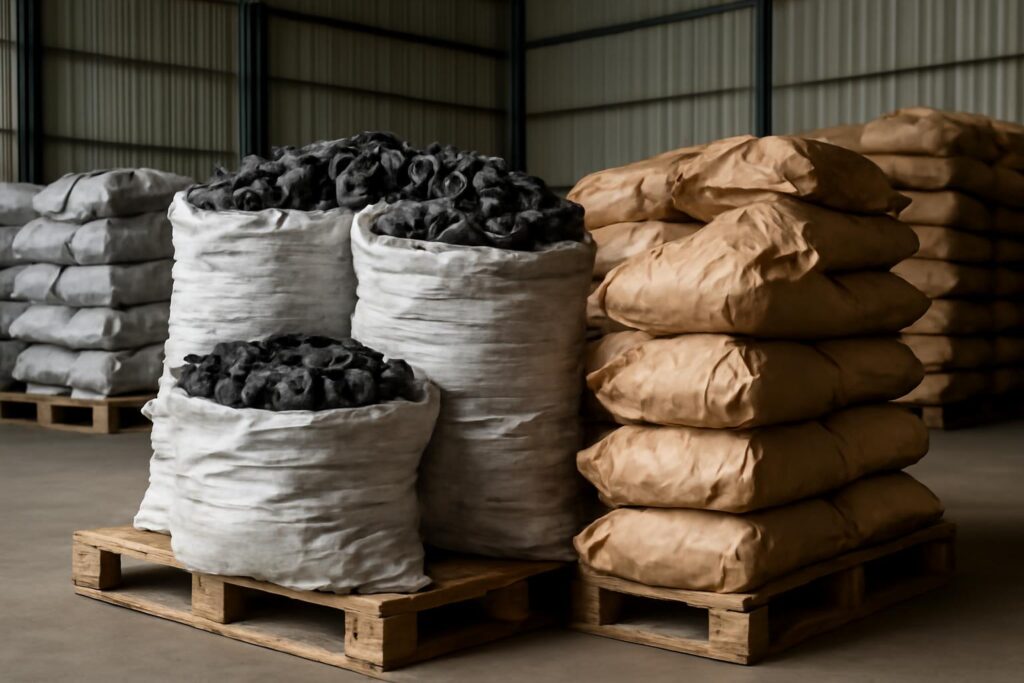
The typical Vietnam Mangrove Charcoal minimum order quantity ranges from one pallet or about 1-3 metric tons for sample-scale orders to one 20-foot container, commonly 10-18 metric tons, for export pricing. If you need a reliable buying decision, this guide explains realistic MOQ ranges, the cost factors behind them, and how to negotiate an order that protects quality, cash flow, and freight efficiency. You will also learn what to confirm before placing a mangrove charcoal wholesale order.
Typical Vietnam Mangrove Charcoal MOQ Levels
MOQ is not a single fixed number across all producers. A practical Vietnam mangrove charcoal MOQ depends on whether you buy loose bulk charcoal, retail-ready bags, or a full export container. Small trial orders may be available, but the lowest unit cost usually begins at container level because loading, documentation, and handling costs are spread across more product.
Sample and pallet-size orders
For product evaluation, buyers can often request samples or a palletized shipment. A trial order commonly falls between 1 and 3 metric tons, although availability depends on the supplier and destination. This option is useful when verifying burn time, ash level, odor, sizing, and breakage before committing to a larger shipment.
Small orders are normally more expensive per kilogram. Packaging, inland transport, export processing, and international freight do not decrease in proportion to the reduced volume. Ask for the product specification in writing, including carbon content, moisture, volatile matter, fixed carbon, ash percentage, and charcoal size distribution.
Standard export container quantities
For regular importers, a 20-foot container is often the most workable starting point. Depending on the bag format, density, moisture level, and destination rules, a Vietnam mangrove charcoal container load may hold roughly 10-18 metric tons. A 40-foot container can accommodate more volume, but weight limits and local road regulations may restrict the usable payload.
Before comparing offers, confirm whether the quoted quantity is net weight or gross weight. Net weight is the charcoal itself, while gross weight includes bags, pallets, and other packaging. This distinction prevents surprises when calculating landed cost and resale margins.
Retail packaging and private-label MOQ
Retail-ready charcoal bags, printed cartons, custom bag sizes, and private-label designs usually require a higher MOQ than plain export sacks. Suppliers may need minimum runs for film printing, carton production, artwork setup, and manual packing. Buyers seeking branded barbecue charcoal should expect a separate private label charcoal MOQ in addition to the base product quantity.
For a broader view of grades, applications, and procurement standards, review this Vietnam mangrove charcoal buying guide. It helps buyers match the requested MOQ with the correct charcoal type rather than selecting solely on price.
What Determines the Minimum Order Quantity
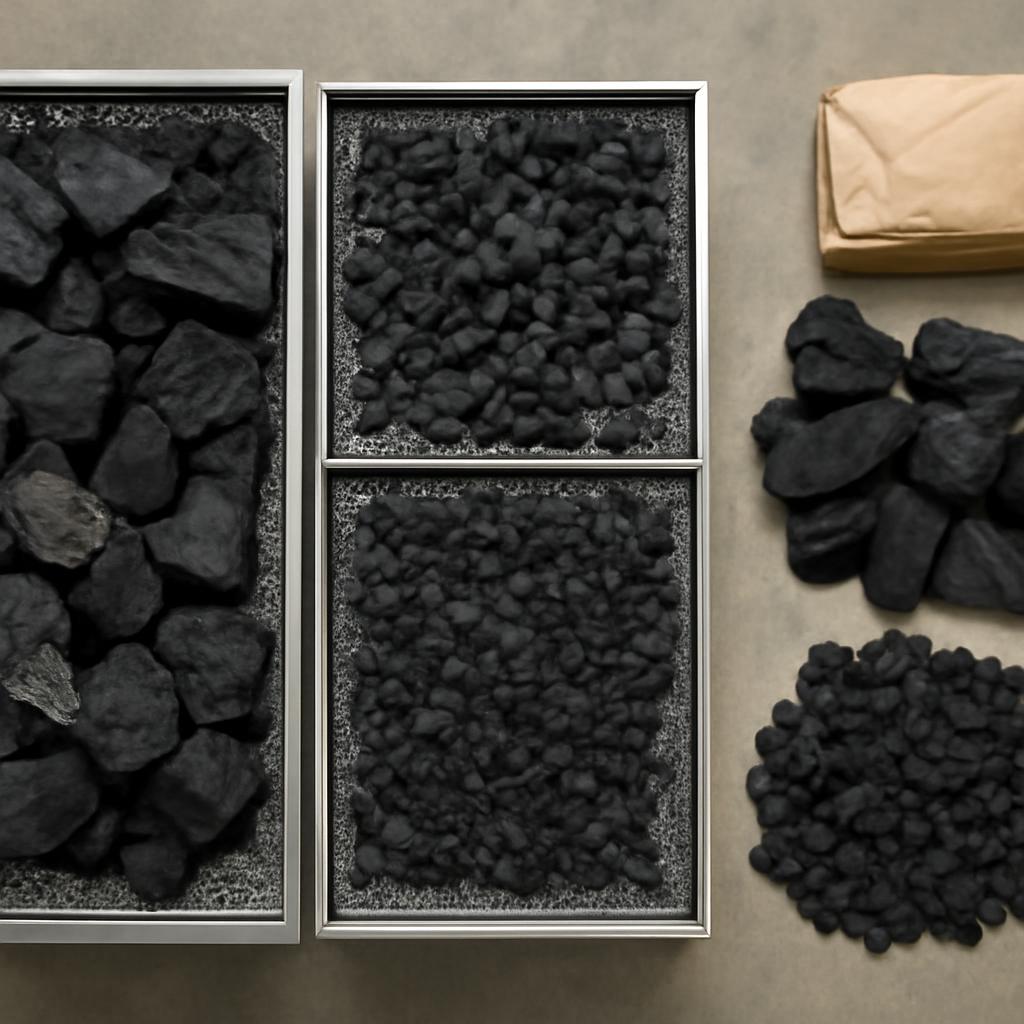
Suppliers set MOQ levels to cover production, sorting, packing, and logistics efficiently. Mangrove charcoal is a natural product, so consistent grading requires labor and inventory planning. A supplier may accept a lower quantity when stock is already available, while made-to-order sizing or packaging generally raises the minimum.
Charcoal grade, size, and quality specification
Lump charcoal, restaurant-grade large pieces, shisha-grade charcoal, and fine fragments have different sorting requirements. Tight size tolerances and low dust limits increase labor, which can increase the Vietnam mangrove charcoal MOQ. If your market can accept a broader size range, you may gain more flexibility in both MOQ and pricing.
Quality requirements should be measurable. State the acceptable moisture percentage, ash content, fixed carbon target, piece-size range, dust allowance, and permissible foreign material. Clear specifications reduce disputes and make it easier for a supplier to quote a realistic minimum order.
Bag format and packing materials
Standard PP bags or plain kraft bags are usually easier to source in low quantities than custom-printed retail bags. Common charcoal export packaging may include 5 kg, 10 kg, 15 kg, or 20 kg bags, but the best format depends on your sales channel and handling equipment.
Choose packaging based on the final use. Food-service buyers may prioritize durable bulk bags and low breakage, while retail distributors may need shelf-ready bags with consistent fill weights. Custom materials, special liners, pallets, and barcoding can all affect the minimum production run.
Export logistics and destination requirements
Ocean freight often makes a full-container shipment more economical than a partial load. Less-than-container-load shipments can work for trials, but they may have higher freight charges, extra handling, and a greater risk of bag damage. Request an Incoterms quote that clearly identifies whether the offer is EXW, FOB, CFR, or CIF.
Buyers should also verify import rules before ordering. Requirements can involve fumigation, phytosanitary considerations where applicable, packaging declarations, customs classification, and local product standards. Understanding mangrove charcoal quality and uses supports a more accurate specification for the intended market.
How to Negotiate a Practical Charcoal MOQ

Negotiating MOQ is most effective when you reduce complexity instead of simply demanding a lower number. Suppliers are more likely to support a smaller first order when the requested product matches existing stock, standard bag sizes, and routine loading practices. Present a clear purchasing plan and show how a successful trial can lead to repeat container orders.
Start with a precise request for quotation
A strong RFQ should include the charcoal grade, preferred piece size, target quantity, bag weight, destination port, desired Incoterms, inspection requirements, and expected order frequency. This information lets the supplier distinguish between an inquiry for a sample, a pallet, or a full mangrove charcoal wholesale order.
- Specify net weight and acceptable tolerance.
- Request recent photos or videos of stock and packing operations.
- Ask whether the product is in stock or made to order.
- Request separate prices for standard and custom packaging.
- Confirm the estimated production and shipping schedule.
Use standard specifications for the first order
For a first shipment, select standard product sizes and unprinted packaging whenever possible. This avoids custom material minimums and makes it easier to source from available inventory. Once the product is validated in your market, move to branded packaging and tighter specifications with a forecast-based purchase agreement.
Do not reduce quality controls to reach a smaller MOQ. Instead, use a pre-shipment inspection, define an acceptable quality level, and retain a reference sample when possible. The goal is to lower commercial risk while keeping the product requirements consistent.
Offer a repeat-order forecast
A supplier may be more flexible if you share a credible purchasing forecast, such as a trial order followed by quarterly container shipments. Forecasts help producers reserve raw material, schedule sorting labor, and plan packaging. They also create a basis for discussing tiered pricing at different order volumes.
Ask for price breaks at clear thresholds: pallet quantity, 20-foot container, and 40-foot container. This comparison shows the true cost of moving from a low MOQ purchase to an efficient shipment size. For sourcing context beyond MOQ, consult the Vietnam charcoal sourcing guide before finalizing a supply arrangement.
Ordering, Packaging, and Shipping Checklist
A successful charcoal order is built on written specifications and verifiable logistics details. Confirm every commercial point before making a deposit, especially when buying internationally. The cheapest quotation can become costly if it omits testing, packaging details, loading limits, or destination charges.
Pre-order documents and approvals
Request a proforma invoice that states the product name, grade, quantity, unit price, total value, payment terms, Incoterms, port of loading, port of destination, and shipment window. Review the specification sheet alongside the invoice so the commercial order and quality expectations match.
If purchasing a first commercial shipment, approve a production sample or retain a signed reference sample. Agree on how the product will be checked, who pays for inspection, and what happens if the shipment falls outside the agreed specification. These steps are especially important for charcoal because moisture and breakage can change during storage and transit.
Loading and container protection
Charcoal bags should be packed to limit movement, tearing, and moisture exposure. Depending on the shipment plan, loading may use pallets, slip sheets, container liners, desiccants, or other protective materials. Confirm the loading method and ask for loading photos that show bag condition, container cleanliness, and seal placement.
Weight limits matter. A container may have physical space for additional bags but exceed the permitted road or port weight limit. Your supplier should calculate the final payload using the selected bag weight and packaging configuration rather than relying on an estimated volume alone.
Final landed-cost review
Evaluate the complete landed cost, not only the FOB product price. Include product cost, inland delivery, export documentation, port charges, ocean freight, insurance, customs clearance, duties, destination handling, and local trucking. This is the most reliable way to decide whether a pallet order, 20-foot container, or larger shipment is commercially viable.
Maintain a supplier scorecard after each order. Track response speed, specification compliance, packaging performance, moisture results, breakage, documentation accuracy, and delivery timing. Over time, these records help identify the MOQ and order frequency that produce dependable margins.
Frequently Asked Questions
What is the usual minimum order quantity?
What is the usual Vietnam Mangrove Charcoal minimum order quantity? Trial orders may start around 1-3 metric tons, while export pricing commonly begins with a 20-foot container of roughly 10-18 metric tons, depending on packing and weight limits.
Can I buy a smaller order before a container?
Can I buy a smaller order before a container? Yes, some suppliers can provide samples or palletized trial shipments. Expect a higher unit price and potentially higher freight costs than a full-container order.
Does custom branding increase MOQ?
Does custom branding increase MOQ? Usually. Printed bags, custom cartons, special bag sizes, and private-label packing often require additional minimum quantities for materials and setup.
What should be included in an MOQ quotation?
What should be included in an MOQ quotation? It should state the grade, net weight, bag format, quality specifications, Incoterms, port, production lead time, payment terms, and any charges for custom packaging or inspection.
Is a 20-foot container always the best choice?
Is a 20-foot container always the best choice? Not always, but it is often the best balance of freight efficiency and inventory risk for first-time importers. Compare landed cost, storage capacity, sales velocity, and local weight restrictions before deciding.
