
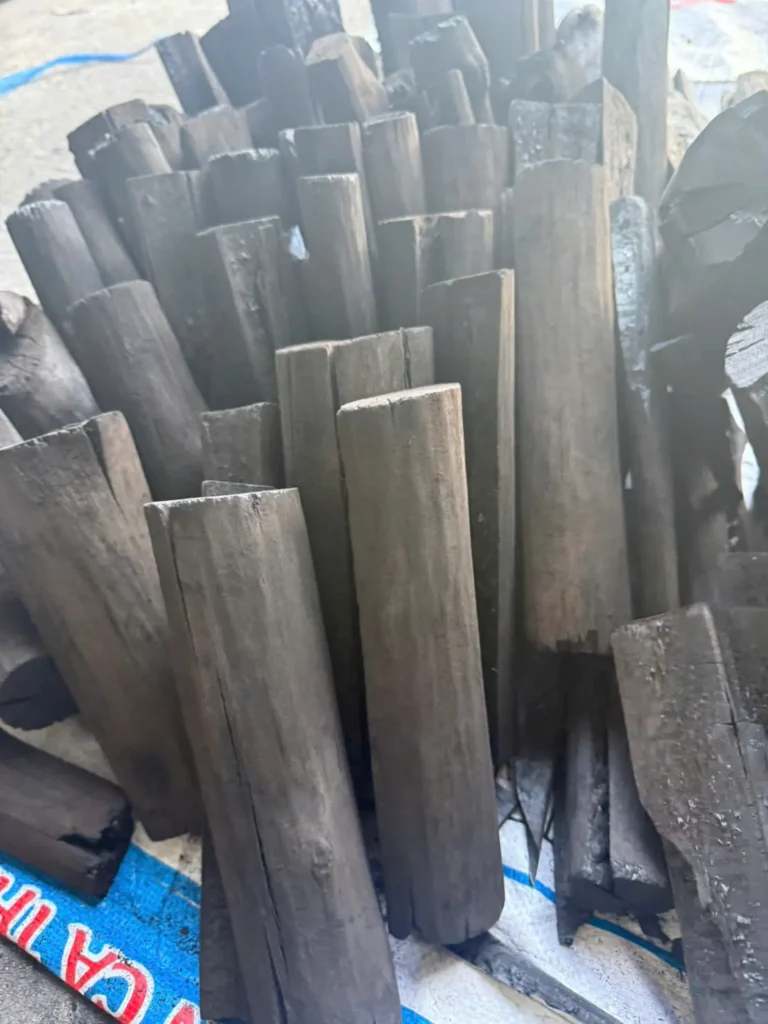
Black Charcoal Vietnam shipments need protection from moisture, contamination, rough handling, and fire risks from receipt through delivery, so buyers may also want to review this guide to a Vietnam charcoal manufacturer. Good warehouse practice preserves the charcoal’s condition and helps maintain safe, traceable cargo operations, while supply chain risk planning for charcoal wholesalers can help address risks across the wider shipment. This guide explains the product, sets out practical storage and handling workflows, and shows how importers can apply them without assuming that one packaging or stacking method suits every shipment.
What Black Charcoal Vietnam Is and How It Is Produced
Black Charcoal Vietnam is natural lump charcoal made from hardwood and supplied for applications such as grilling, making it relevant to restaurants exploring hardwood lump charcoal wholesale. Its storage requirements follow from its physical nature: it is a solid fuel that can absorb moisture, produce dust or fragments during handling, and present a fire risk if poorly managed. The following sections distinguish product characteristics from the warehouse controls buyers should establish.
Product definition and supply context
Black hardwood charcoal is a natural lump product. Charcoalkaola lists Vietnamese varieties including mangrove, Khaya, longan, coffee, and eucalyptus black charcoal. The company describes its black hardwood charcoal as fast-igniting, with an energy output range of 6,500–7,500 kcal. These are product-range specifications, not a guarantee that every species, size grade, or shipment will have the same measured result.
KAOLA CO.,LTD is a Vietnamese manufacturer and exporter operating a facility in Quang Tri Province with 40 traditional kilns and a stated monthly output capacity of 180 tons. The company reports more than 10 years of export experience and says its products can be supported with laboratory test reports, MSDS documentation, and export paperwork. Buyers should verify the documents and specifications that apply to their specific order and destination.
For an overview of how black hardwood charcoal differs from white charcoal, see Charcoalkaola’s comparison of Vietnam black charcoal and Binchotan.
The shipment’s real-world architecture
A charcoal shipment is not simply a collection of lumps. It is a sequence of linked controls: production and cooling, grading, packing, transport, receiving, warehouse storage, and final dispatch. A weakness at any handoff can affect condition or complicate safety management. For example, intact product can still become difficult to use if bags are torn, exposed to water, or mixed with unrelated material.
Treat each lot as a traceable unit. Record the product name, supplier lot or shipment reference, packaging condition, receipt date, and storage location. Keep the applicable product documents with the lot record. This makes it easier to investigate damaged packaging, unexpected moisture, or a discrepancy between the received product and the purchase specification.
Charcoalkaola describes its charcoal products as lab-tested using TCVN, ISO, and ASTM methods, with testing up to 7,560 kcal across its product range. That figure should not be applied automatically to every black charcoal shipment; check the specific report and test basis for the lot being received.
Technical Characteristics and Storage Controls
Black charcoal’s storage plan should be based on the product specification, packaging, transport conditions, and warehouse environment—not on an assumed universal handling rule. The table below separates stated product characteristics from operational checks that warehouse teams can verify.

Product specifications and practical implications
| Attribute | Charcoalkaola’s stated information | Storage or receiving implication |
|---|---|---|
| Product type | 100% natural black hardwood lump charcoal | Confirm species, grade, and product identity against the order and lot documents |
| Listed varieties | Mangrove, Khaya, longan, coffee, and eucalyptus | Keep varieties or grades identified and segregated when required by the order |
| Energy output | 6,500–7,500 kcal | Confirm the applicable test report; do not assume every lot has the same result |
| Ignition description | Fast ignition | Keep away from ignition sources during storage and handling |
| Production context | Quang Tri Province facility with 40 traditional kilns | Use lot and shipment records to connect received cargo with supplier documentation |
| Facility capacity | Stated monthly output of 180 tons | Capacity is not a substitute for confirming shipment quantity and lot particulars |
| Testing methods | TCVN, ISO, and ASTM methods are listed by the manufacturer | Request the report relevant to the product and verify method, result, and sample identity |
| Export documentation | MSDS, test reports, phytosanitary certificates, and customs-ready documents are available | Confirm which documents apply to the product, route, and destination before dispatch |
| Packaging and customization | Customizable sizes and packaging are offered | Agree packaging format and handling expectations before production or shipment |
| Moisture-control objective | Prevent water exposure and moisture re-absorption | Keep packages protected, inspect for wetness, and isolate suspected moisture damage |
Moisture, packaging, and condition checks
Charcoal can take up moisture after production, particularly if exposed to rain, damp floors, condensation, or humid air through compromised packaging. Moisture may affect ignition behavior and usable performance. The practical objective is therefore not to claim a specific moisture percentage without a test result, but to prevent avoidable exposure and identify suspect material before it is blended or dispatched.
On receipt, inspect the outer packaging for tears, punctures, damp patches, staining, and signs of condensation. Check the cargo area for evidence of water ingress or wet surfaces, and note any discrepancies in the receiving record. Keep intact packages closed until use or repacking is necessary. If a package is damaged, isolate it for assessment rather than placing it back into normal stock without documentation.
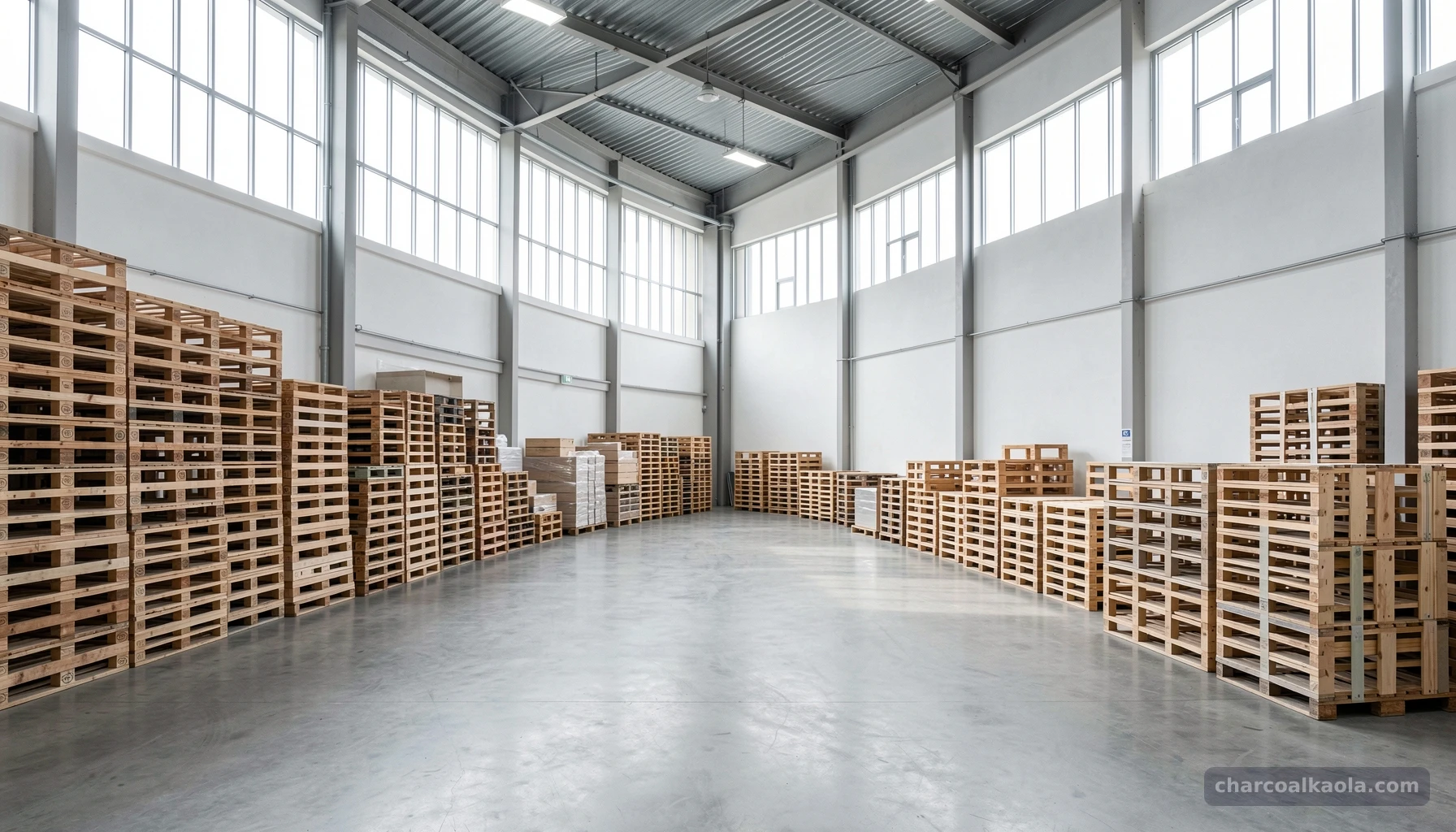
Storage conditions depend on the facility and packaging. Keep charcoal under cover, away from direct rain and known water sources, and off damp floors using suitable warehouse supports. Avoid placing it where leaks, washdown, or condensation can reach the packages. If the warehouse experiences seasonal humidity, review package condition and the storage area more frequently rather than assuming that a single inspection is sufficient.
Step-by-Step Receiving, Storage, and Dispatch Workflow
A repeatable workflow reduces avoidable damage and makes responsibilities clear. The steps below are operational controls, not a substitute for the applicable site fire plan, carrier requirements, or product-specific safety documentation.
Step 1: Prepare the receiving area and verify the shipment
Before unloading, confirm that the assigned area is dry, clear, and suitable for the load. Make sure the route from the unloading point to storage is unobstructed and that staff know how to report damaged cargo. Check the shipment identity against the order, packing list, and available product documents.
During unloading, avoid dragging or dropping packages. Rough handling can tear packaging and create loose charcoal, making product loss and housekeeping harder to control. Record visible damage before moving affected packages. If the cargo or packaging appears wet, separate it from dry stock and document the condition, location, and affected quantity.
Use the relevant MSDS and site procedures to brief staff. Charcoalkaola states that MSDS and test documentation are available, but the receiving team should confirm it has the documents applicable to the actual product and shipment. Do not infer a safe handling procedure from a product name alone.
Step 2: Assign a dry, orderly storage location
Place accepted packages in a covered, dry area protected from rain and other foreseeable water exposure. Keep stock clear of damp floors and maintain access for inspection, cleaning, and emergency response. Do not store charcoal where routine water use, leaks, or other operations could wet the packages.
Use a location system that identifies product, lot, and receipt date. Where multiple charcoal types or grades are stored, clearly separate them to avoid mix-ups. Apply a first-in, first-out approach where it matches the buyer’s quality system and order requirements, while retaining lot identity. The purpose is traceability, not a claim that charcoal has a universal storage life.
Step 3: Stack conservatively and inspect routinely
There is no universal safe stack height for every package, pallet, or warehouse. Follow packaging instructions, pallet capacity, racking design, and site rules. Stack on stable, level supports; keep loads aligned; and avoid overhangs, leaning stacks, or arrangements that could obstruct exits, firefighting equipment, or inspection access.
Record the storage location and inspect for damage, dampness, displaced packages, and housekeeping issues. Increase attention after heavy rain, roof leaks, flooding, or major changes in warehouse conditions. Any package showing possible water exposure should be assessed and kept identifiable until a responsible person decides whether it can be released for use.
Step 4: Control dispatch and transport handoffs
Before loading, confirm that the vehicle or container is clean and dry and that the cargo space is suitable for the shipment. Protect packages from rain during staging and loading. Verify that the quantity, lot identity, packaging condition, and required documents match the dispatch record.
For containerized charcoal, safe carriage needs to be addressed with the carrier and the applicable transport procedures. The TT Club’s guidance on the safe carriage of charcoal in containers is a useful reference point. Follow current carrier, regulatory, and site requirements; do not treat a warehouse checklist as a replacement for them.
Common Risks, Practical Corrections, and Case Examples
Most avoidable storage problems begin at a handoff: wet cargo is accepted without being flagged, damaged packages are returned to good stock, or stacking blocks inspection and access. A consistent record and clear escalation rule help teams correct these issues before dispatch or use.
Pitfalls and corrective actions
Moisture re-absorption: A covered warehouse can still have water exposure from roof leaks, condensation, wet cleaning, or damp floors. Correct the source, move unaffected stock only when the route is dry, and isolate suspect packages. Record the affected lot and disposition. Do not blend potentially damp charcoal into accepted dry stock before assessment.
Unclear stacking limits: Copying a stack height from another facility may ignore differences in packaging strength, pallet condition, or floor and racking capacity. Use the limits set by packaging instructions, equipment ratings, and the site’s risk assessment. Where limits are not documented, ask the responsible warehouse or safety lead to establish them before stacking.
Blocked access: Dense storage can make stock counts and damage inspections difficult. It can also obstruct routes or equipment. Maintain clear access according to site rules and ensure that emergency equipment and exits remain unobstructed.
Uncontrolled dust and debris: Broken pieces and dust can accumulate during handling. Clean up using approved site methods and equipment; do not use a method that could spread dust or create another hazard. Document recurring breakage and review packaging or handling practices.
Illustrative receiving scenarios
Scenario A: Wet outer packages, dry-looking interior. A delivery arrives with several packages bearing damp marks. The team records the affected packages, photographs the condition if permitted by procedure, and segregates them from dry stock. A designated person reviews the shipment documents and decides the next action. The crucial control is traceability: the affected material is not silently returned to the accepted lot.
Scenario B: A leaning stack after restocking. Staff discover that a stack has shifted after packages were added. They stop further handling in the immediate area and follow the site procedure to make the load safe. The team reviews the support surface, stacking arrangement, and package condition before restacking. No generic stack height can substitute for a site-specific assessment.
Scenario C: Dispatch during wet weather. A shipment is staged outdoors while loading is delayed. The team protects the cargo from precipitation or returns it to a dry covered area rather than leaving exposed packages waiting. The handoff record notes any packaging concern before loading begins.
For species-specific comparison, buyers can review Charcoalkaola’s guide to mangrove and eucalyptus charcoal. Product selection and handling are related but distinct decisions: the storage controls still need to reflect the actual packaging and site.
Enterprise Controls and the 2026 Outlook
In 2026, robust charcoal procurement depends on combining product evidence with practical warehouse controls. There is no single percentage benchmark that guarantees safe storage; measurable performance should instead be defined through site inspections, documented receiving exceptions, lot traceability, and corrective-action closure.
Build a documented control system
For multi-site importers and commercial grilling operations, standardize the records while allowing each facility to account for its own climate, layout, and equipment. A useful control set includes:
- Product and lot identity: species or product name, grade where applicable, supplier reference, and receipt date.
- Condition at handoff: package integrity, visible moisture, cargo-space condition, and exceptions recorded at receipt.
- Storage location: designated area and separation rules for different products or lots.
- Stacking basis: documented limits tied to packaging, supports, racking, and site assessment.
- Inspection and escalation: inspection frequency set by the facility’s risk assessment, plus a named route for reporting damage or water exposure.
- Dispatch verification: quantity, lot, packaging condition, transport readiness, and required paperwork.
These records help procurement teams compare actual shipment condition with agreed requirements. They also make supplier conversations more specific: instead of reporting “poor quality,” a buyer can identify the affected lot, packaging condition, and point at which damage was observed.
Use supplier documentation without overclaiming
Charcoalkaola reports that it can provide MSDS, test reports using TCVN and ASTM methods, phytosanitary certificates, and customs-ready documentation, and that its export status includes AANZFTA certification. Document applicability depends on the product, shipment, destination, and current requirements. Importers should confirm what is required with their customs broker, carrier, and relevant authorities.
The company also states that products undergo a 1200°C refining heat process and that laboratory testing across its range reaches up to 7,560 kcal. These statements should be read alongside the specific product’s test report, not as a substitute for it. For black charcoal listed at 6,500–7,500 kcal, the relevant lot documentation is the best basis for evaluating the reported energy result.
A practical 2026 improvement is to connect inspection records with lot and dispatch records, whether managed in a paper log or an existing warehouse system. The goal is not a particular technology: it is to make it possible to identify where a shipment was stored, what condition it arrived in, and how exceptions were resolved.
What experienced buyers should prioritize
From Charcoalkaola’s perspective, experienced procurement teams should align product specification, packaging, transport, and warehouse handling before the shipment is dispatched. Agree on product identity, requested size or packaging format, required documents, and the process for reporting damage. At the receiving site, train staff to distinguish an observation from a conclusion: a damp mark is evidence to investigate, not by itself a complete assessment of the charcoal inside.
The durable principles are straightforward:
- Keep the cargo dry from receiving through dispatch.
- Preserve lot identity when packages are moved, inspected, or segregated.
- Stack according to documented site and packaging limits, not habit.
- Keep fire-safety controls grounded in current site and transport procedures.
- Use shipment-specific records and test reports when evaluating performance.
These controls support consistent operations without treating all black charcoal, packaging, warehouses, or routes as identical.
FAQ
How should Black Charcoal Vietnam be stored to prevent moisture re-absorption?
Store the packages under cover in a dry area, away from rain, leaks, damp floors, and other foreseeable sources of water. Keep packaging intact where possible and use suitable supports to keep stock off potentially damp surfaces. Inspect for tears, wet marks, and condensation, and record exceptions by lot. Storage conditions vary by facility, so establish inspection and stacking practices through the site’s own risk assessment and packaging information.
Is there a universal safe stacking height for black charcoal?
No single stack height can be recommended for every charcoal shipment. Safe stacking depends on the packaging, pallet or support condition, floor or racking capacity, and the warehouse’s layout and procedures. Follow the relevant packaging instructions and equipment limits, and keep stacks stable, aligned, and accessible for inspection. If those limits are not documented, have the responsible warehouse or safety lead assess the arrangement before packages are stacked.
What should a warehouse team do if charcoal packages arrive wet or damaged?
Record the condition at receipt, identify the affected packages and lot, and keep them separate from accepted dry stock while the issue is assessed. Check for signs of water exposure in the cargo space and follow the site’s escalation procedure. Do not silently return suspect packages to normal stock or mix them with unaffected material. Use the shipment’s applicable documentation and the responsible quality or safety lead to determine the next step.
Which documents should importers verify for a shipment?
Check the documents applicable to the specific product, route, and destination. Charcoalkaola states that MSDS, test reports using TCVN and ASTM methods, phytosanitary certificates, and customs-ready export documentation are available. Confirm that the documents identify the relevant product and shipment where applicable, and ask the customs broker, carrier, or relevant authorities what is required. A general company capability statement does not replace shipment-specific documentation.
