

Hardwood charcoal export logistics begins with a clear handover between the supplier, importer, forwarder and carrier. Before promising a sailing or approving packing, agree what is being shipped, which transport requirements apply, who supplies each record and who confirms acceptance. This guide covers that booking handover—not a substitute for carrier approval or professional dangerous-goods advice.
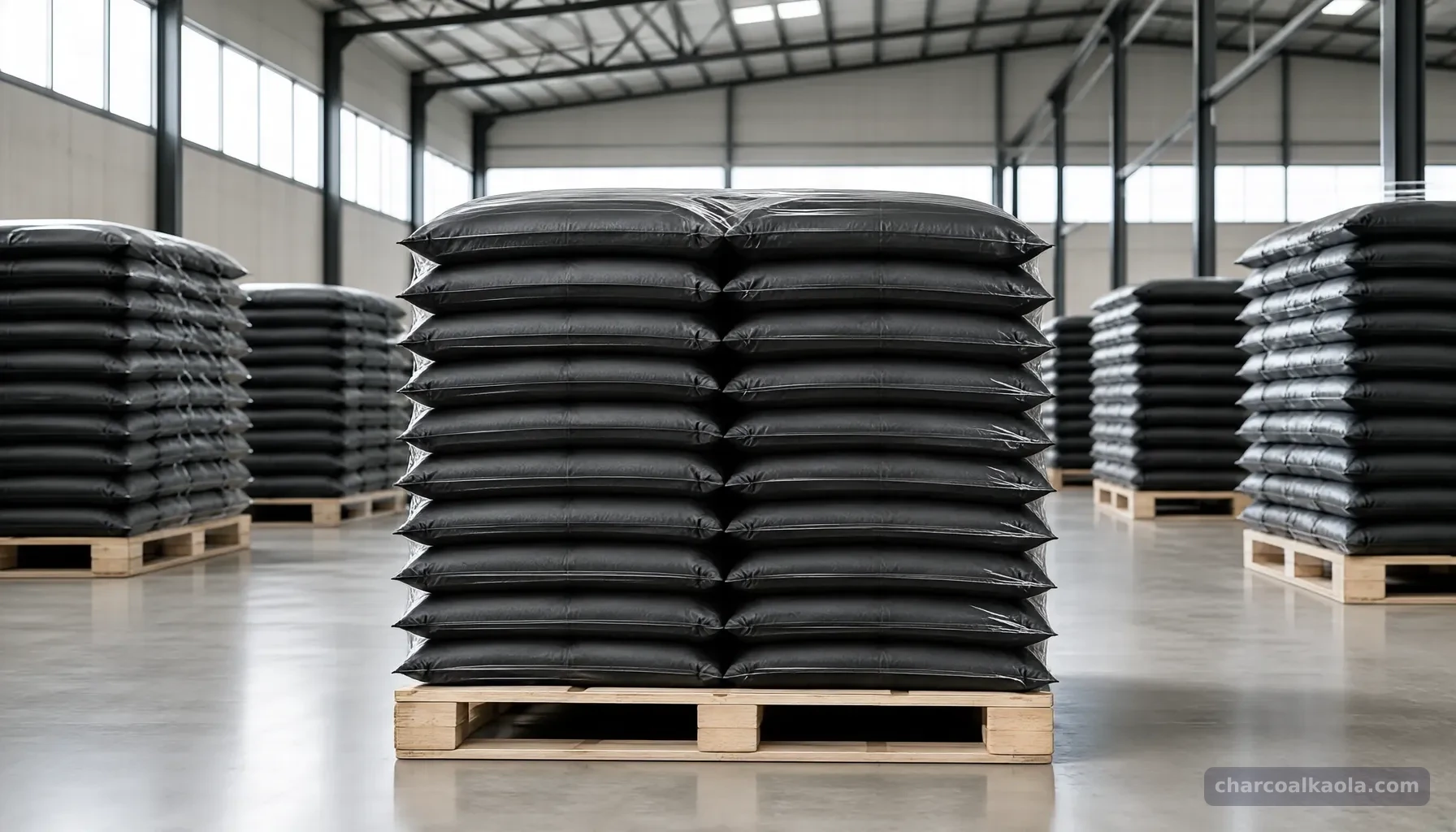
Define the product and destination in one shipment brief
State the charcoal species/feedstock, form, intended use, grade, quantity, package type and destination. Distinguish Eucalyptus black charcoal, Mangrove, Khaya and white Binchotan-style charcoal. A shared commercial name is not enough to identify every transport or quality requirement.
Use the black-charcoal product hub to select a product, then record the offered specifications in the quotation. Firewood is a separate product: do not reuse charcoal classification, loading references or documents without reviewing its own requirements.
Check current sea-transport requirements before booking
The IMO confirms IMDG Amendment 42-24 became mandatory on 1 January 2026. Hapag-Lloyd’s charcoal notice identifies UN1361, Class 4.2, with preparation, packaging and declaration requirements. Follow the applicable current rules and carrier instructions for the specific booking.
For Vietnam-origin shipments, Hapag-Lloyd also publishes additional acceptance conditions, including a thermal vacuum enclosure and a nominated-surveyor vanning report. This is a carrier-specific example, not a requirement attributed to every shipping line. Confirm the latest notice, permitted packaging and approval route directly before committing to that carrier.
A generic weathering statement or an old non-dangerous declaration is not a booking approval. Have the responsible dangerous-goods professional review preparation, temperature records, packing, marking, stowage and documentation together. Do not substitute this article for the current Code or a carrier’s written instructions.
Assign owners to the booking file
| Handover item | Record to agree | Who must confirm |
|---|---|---|
| Product identity | Product description, quantity, lot linkage and packing format | Supplier and buyer |
| Transport review | Classification, applicable preparation route and carrier conditions | Responsible DG professional and carrier |
| Package approval | Relevant approvals, artwork, marks and suitability | Packer, packaging provider and responsible transport parties |
| Booking acceptance | Route, equipment, document deadlines and written acceptance | Forwarder and carrier |
| Destination documents | Importer’s current document requirements and responsibilities | Importer and relevant advisers/authorities |
| Release review | Agreed inspection records, corrected documents and outstanding conditions | Named parties in the order and booking |
Name the actual owner in the order file; do not assume a general responsibility table allocates legal duties for a transaction. Record deadlines, versions and unresolved items so the parties do not work from different specifications.
Keep product testing separate from shipment paperwork
A quality Certificate of Analysis describes identified testing. It does not replace a dangerous-goods declaration, packing certificate or carrier-requested survey. Equally, carrier acceptance does not prove that a lot meets the buyer’s ash, size or fines limits.
Check product-report identity through the test-report verification guide. Review the available evidence scope with KAOLA. Do not transfer a White Eucalyptus sample result to a black-charcoal lot or treat a report as universal company certification.
Approve packing and loading only after the transport review
A retail carton or PP bag discussed commercially is not automatically approved transport packaging. Confirm the actual package with the responsible parties before production. Artwork approval and transport marks are separate checks; use the private-label packaging guide for the retail brief.
Payload depends on product density, grading, packages, pallets, approved stowage and route limits. Do not start with a desired tonne figure and force the loading plan to fit. The separate container-loading guide addresses handling and breakage; this article covers booking responsibilities and release gates.
Resolve commercial scope before confirming dates
Agree the Incoterm and named place, freight responsibility, inspection scope, document costs, sample charges and quote validity. Ask for current freight and dangerous-goods surcharges rather than reusing a fixed historical fee. Payment terms are negotiable based on the customer and order; final terms belong in the quotation, pro forma invoice or sales contract.
KAOLA’s capacity references are not available stock or a guaranteed production slot. Delivery planning must account for the approved specification, production allocation, preparation and carrier acceptance. Export experience in Australia and Taiwan does not establish prior EU exports or approval for another destination.
Final handover before dispatch
- Confirm the approved product and packing match the actual lot.
- Resolve outstanding carrier conditions and required survey/inspection records.
- Cross-check names, quantity, dates and product identity across documents.
- Confirm the importer’s applicable destination requirements and remaining actions.
- Keep the accepted document versions accessible to the responsible parties.
For storage between preparation stages, consult the black-charcoal storage and handling guide. Neither this checklist nor a complete-looking document folder guarantees customs release.

FAQ
Does a quality report prove a charcoal shipment is ready to sail?
No. Quality acceptance, transport preparation, carrier acceptance and destination clearance are separate checks.
Are all shipping lines’ requirements identical?
No. Obtain the current conditions for the intended carrier and route. A notice from one line is not automatically the booking policy of another.
What should I send KAOLA to start planning?
Send product/species, form, grading, quantity, packing, destination, delivery basis and intended timing. Use the wholesale enquiry guide or contact the CharcoalKaola Team. Feasibility and commercial terms are reviewed for the order.
