
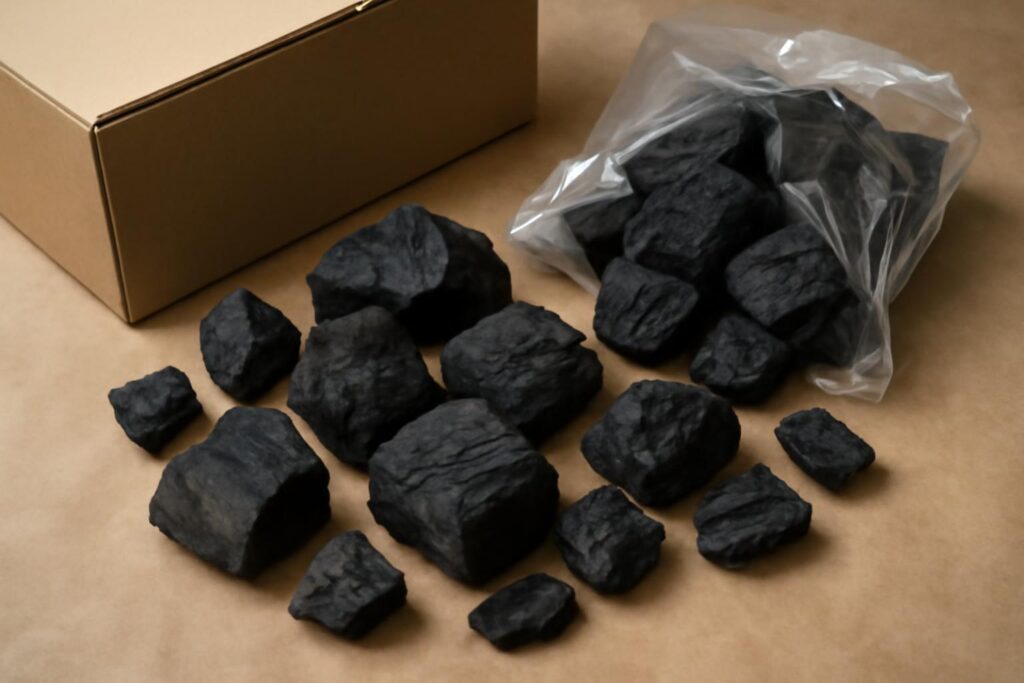
Vietnam Mangrove Charcoal samples let buyers verify density, burn time, ash level, odor, and size consistency before placing a bulk order. The best sample is not simply the darkest piece; it should represent the exact grade, packaging, and production batch you intend to buy. If you need dependable charcoal for grilling, resale, or industrial use, this guide explains what to request, how to test it, and how to compare suppliers with confidence. You will also find a practical approval checklist that reduces costly quality surprises.
What Vietnam Mangrove Charcoal Samples Should Include
A useful sample must be representative, traceable, and large enough for meaningful testing. Ask for pieces taken from the proposed production lot rather than a hand-selected display set. For a complete overview of grades, applications, and purchasing criteria, review this Vietnam mangrove charcoal buying guide before defining your sample specification.
Representative size, grade, and packing
Request a sample weight that allows several burn trials, typically at least 2 to 5 kilograms for restaurant, retail, or distribution decisions. State the required lump charcoal size range, such as 40–120 mm, and ask the supplier to disclose the percentage of fines and undersized pieces. A small parcel should mirror the expected bulk packing, including inner liner, outer bag strength, and moisture protection.
Essential product information
Each sample should be accompanied by a specification sheet identifying the raw material, carbonization method, origin, production date, moisture level, fixed carbon, volatile matter, and ash content. These details turn a physical sample into a verifiable charcoal quality test rather than a subjective first impression. If laboratory results are available, confirm whether they apply to the same lot sent for evaluation.
Visual indicators to inspect first
High-quality mangrove wood charcoal is generally hard, dense, and cleanly carbonized, with a deep black exterior and a ringing sound when two pieces are tapped together. Avoid samples dominated by soft, brown-centered, dusty, or visibly damp pieces. Natural surface cracks can occur, but excessive breakage may signal rough handling, low density, or poor packing control.
Record the sample arrival condition with photographs and a simple receiving checklist. This creates a clear benchmark if the final shipment differs from the approved sample, especially when ordering Vietnam charcoal export volumes across long shipping routes.
How to Test Charcoal Sample Quality
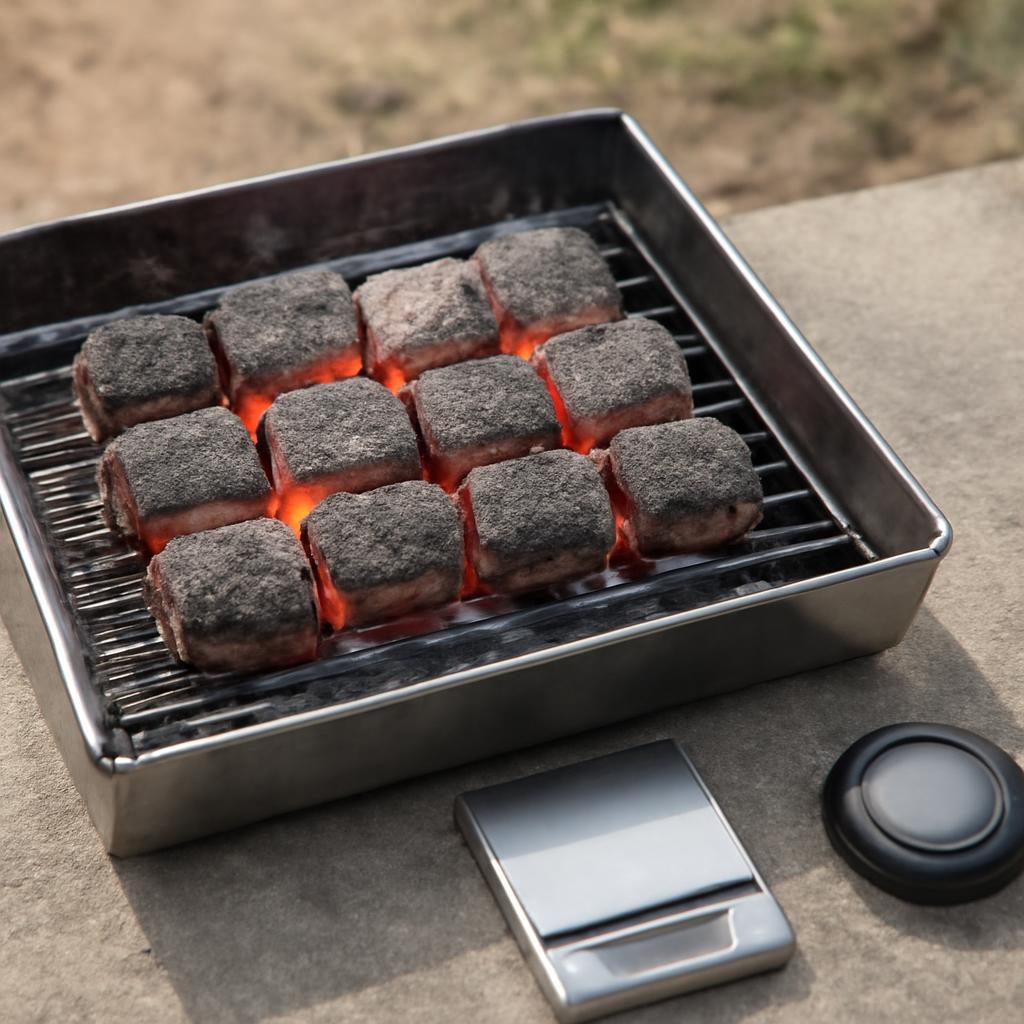
Testing should combine visual inspection, controlled ignition, and documented comparison. One quick lighting trial is useful, but repeated tests under the same conditions provide a far more reliable picture of actual performance.
Measure ignition and burn behavior
Weigh equal portions from each supplier, use the same fire starter, and record the time to stable glowing embers. Good Vietnam mangrove charcoal samples should light predictably without persistent smoke or harsh chemical odor. Once fully lit, observe whether the pieces hold a steady heat bed instead of collapsing rapidly.
Check heat duration and ash
For a practical charcoal burn time test, place equal weights in identical grills or braziers with comparable airflow. Note the time until cooking-grade heat is no longer maintained. After cooling completely, weigh the remaining ash; lower ash is often preferred because it reduces cleaning and helps preserve airflow, though the acceptable level depends on the buyer’s application.
Assess smoke, sparks, and odor
During ignition, watch for excessive white smoke, repeated sparking, or unusual odors. A brief amount of smoke while lighting can be normal, but heavy, prolonged smoke may indicate incomplete carbonization, moisture, or contamination. For food-service use, conduct a small cooking trial and ensure the charcoal does not transfer unpleasant aromas to food.
Use a scoring sheet with the same categories for every supplier: density, ignition, burn duration, heat stability, smoke, ash, breakage, and packaging. This disciplined approach supports a fair comparison of high carbon charcoal options rather than relying on appearance alone.
Comparing Samples for Your Intended Use
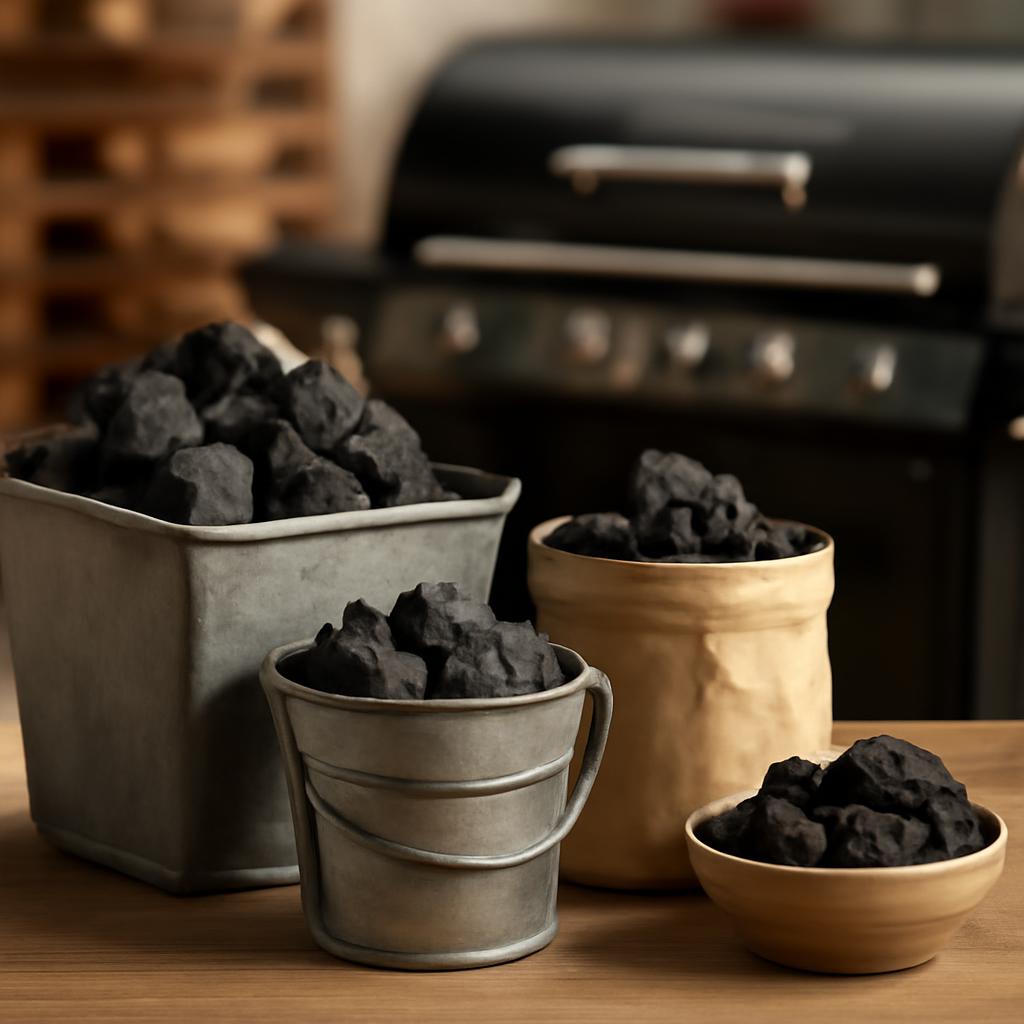
The right sample depends on where and how the charcoal will be used. A restaurant may value long, consistent heat, while a retail importer may prioritize low breakage, attractive sizing, and reliable bag presentation. Align your test criteria with the end user’s expectations before approving any lot.
Restaurant and barbecue performance
For grilling, prioritize dense pieces that produce stable, sustained heat with manageable ash and minimal smoke after ignition. Test the sample across several cooking cycles rather than only a fast searing session. Buyers seeking broader product context can use this guide to mangrove charcoal uses and selection when matching a charcoal grade to specific cooking equipment.
Retail and distribution requirements
Retail-grade samples should be checked for visual consistency, bag durability, clean handling, and an appropriate mix of lump sizes. Excessive dust can lead to customer complaints even if the charcoal burns well. Ask for a packing simulation or a photograph of stacked cartons and bags to assess how the product may withstand loading, transit, and warehouse movement.
Industrial and specialty applications
Industrial buyers may require tighter limits for moisture, ash, volatile matter, particle size, or fixed carbon. In this case, independent lab verification is more valuable than a visual review alone. Specify the test standard, sampling method, and permitted tolerances in the purchase contract so quality expectations are measurable.
Do not approve a supplier solely because one sample burns longest. Consider total commercial suitability: repeatability, lead time, communication, inspection access, packaging, and consistency from batch to batch. Strong supplier evaluation combines product performance with operational reliability.
Requesting, Handling, and Approving Samples
A structured sample request prevents misunderstandings before money is committed to bulk production. Send a written specification, preserve the evidence from every test, and convert the approved sample into a contractual reference point.
Write a clear sample request
Include the target species or raw-material description, lump size range, allowed fines, moisture maximum, ash target, packaging type, quantity, and destination market. Ask whether the shipment is a pre-production sample, production sample, or retained sample from a finished lot. These categories are not interchangeable, and the production sample is usually the most useful for final approval.
Keep an approval record
Label each sample upon arrival and retain a sealed reference portion until the bulk shipment has been accepted. Record test dates, conditions, results, photographs, and the supplier’s batch information. This evidence allows you to compare the delivered goods directly against the approved standard if a dispute occurs.
Turn sample criteria into purchase terms
State that the bulk order must conform to the approved sample and written specifications, subject to reasonable production tolerances. Define inspection timing, rejection thresholds, and the procedure for resolving nonconforming goods. For broader due diligence, consult this Vietnam mangrove charcoal quality checklist when preparing your sourcing documentation.
Finally, use a third-party inspection for higher-value orders or first-time supplier relationships. Inspection before loading can verify weight, packaging, piece size, moisture, breakage, and overall condition, providing an important safeguard between sample approval and final shipment.
Frequently Asked Questions
How much charcoal should a sample contain?
How much charcoal should a sample contain? Request at least 2 to 5 kilograms for practical burn and sorting tests. Larger samples are preferable when several stakeholders or repeated trials are involved.
Can a sample guarantee bulk-order quality?
Can a sample guarantee bulk-order quality? No. A sample establishes a benchmark, but written specifications, batch traceability, and pre-shipment inspection are needed to protect bulk-order consistency.
What is the best way to test burn time?
What is the best way to test burn time? Burn equal weights from each sample in identical equipment with similar airflow, then record the time each portion maintains useful cooking heat.
Why does charcoal spark or smoke excessively?
Why does charcoal spark or smoke excessively? Common causes include excess moisture, incomplete carbonization, contamination, or inconsistent raw material. Repeat the test and request updated production data from the supplier.
Should samples be laboratory tested?
Should samples be laboratory tested? Laboratory testing is recommended for industrial specifications, large contracts, or strict moisture, ash, and fixed-carbon requirements. For routine grilling use, controlled burn tests may be sufficient.
