

Vietnam Mangrove Charcoal quality control should convert a buyer’s intended use into measurable acceptance criteria before production begins. This guide focuses on how importers, distributors, and food-service buyers evaluate a production-ready lot through specifications, representative sampling, laboratory reports, physical checks, packaging inspection, and retained records. For the step-by-step manufacturing route, read how Vietnam mangrove charcoal is made.
Define the Purchase Specification Before Production
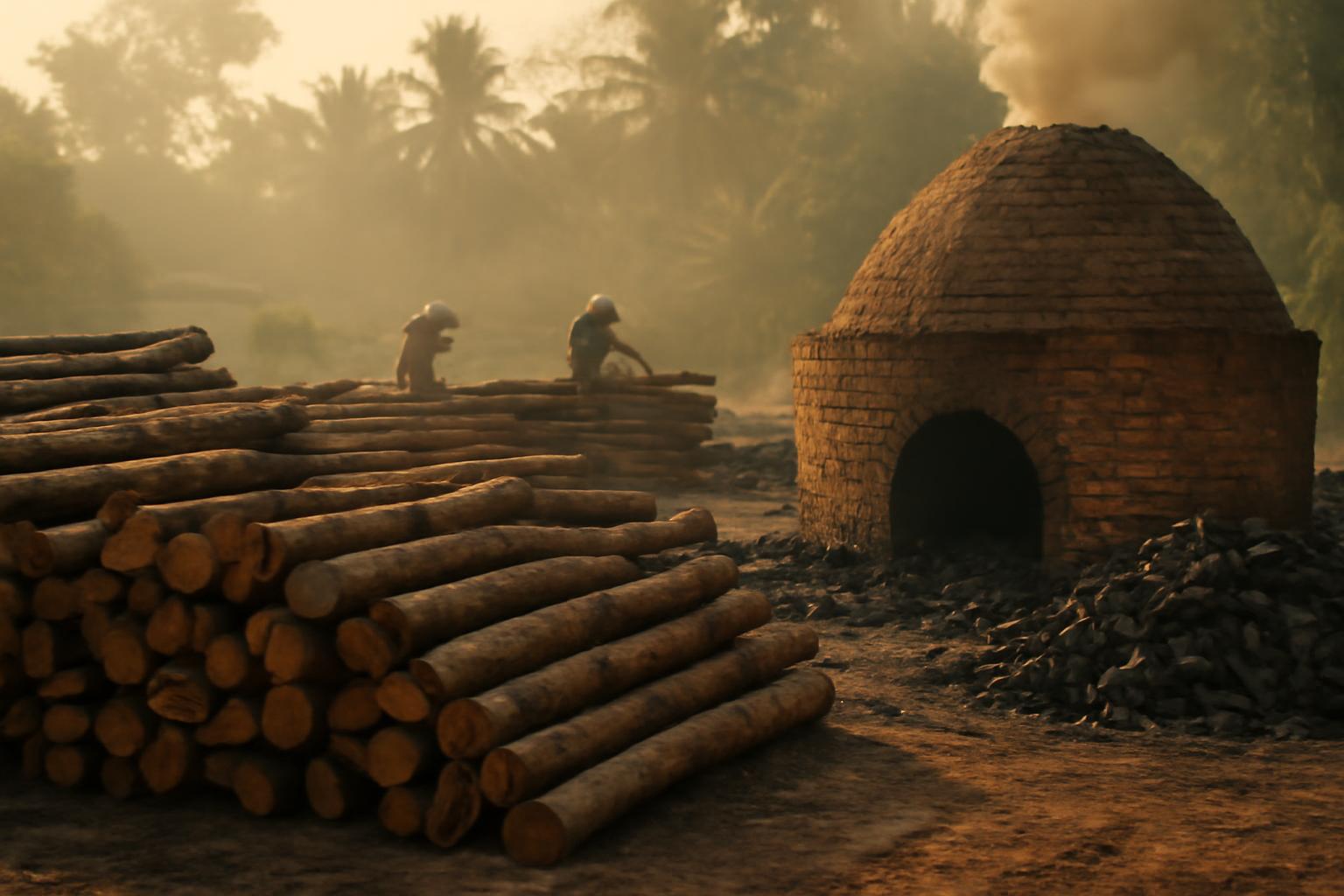
A useful quality-control plan starts with the application, not with a generic label such as “premium charcoal.” A restaurant grill, retail barbecue pack, industrial furnace, and distributor program can require different ignition behavior, heat stability, piece distribution, packaging, and documentation.
Translate end use into measurable criteria
The purchase specification should identify product format, intended application, agreed test methods, packaging, labeling, sampling method, inspection timing, and the procedure used when a lot does not match the approved requirements. Numerical limits should be product- and order-specific rather than copied from a general article.
- Product form and intended application
- Batch-specific laboratory properties and reporting basis
- Customized piece-size range, tolerance, and acceptable fines percentage
- Prohibited contaminants and unacceptable odors
- Bag or carton format, net weight, labeling, and loading method
- Inspection, retained-sample, and claim procedures
Approve a representative reference sample
A reference sample gives both parties a physical benchmark for appearance, carbonization, breakage, odor, size distribution, and practical burn behavior. It should represent the grade intended for supply, not a hand-picked display sample. The approved sample should be sealed, labeled, dated, and linked to the written specification.
Charcoal size is not universal. KAOLA confirms the final range, tolerance, and fines percentage according to the buyer’s intended use, destination market, grill or furnace type, packaging format, and contract. Sample approval and pre-shipment inspection establish the applicable specification for each order.
Use Representative Sampling and Document Control
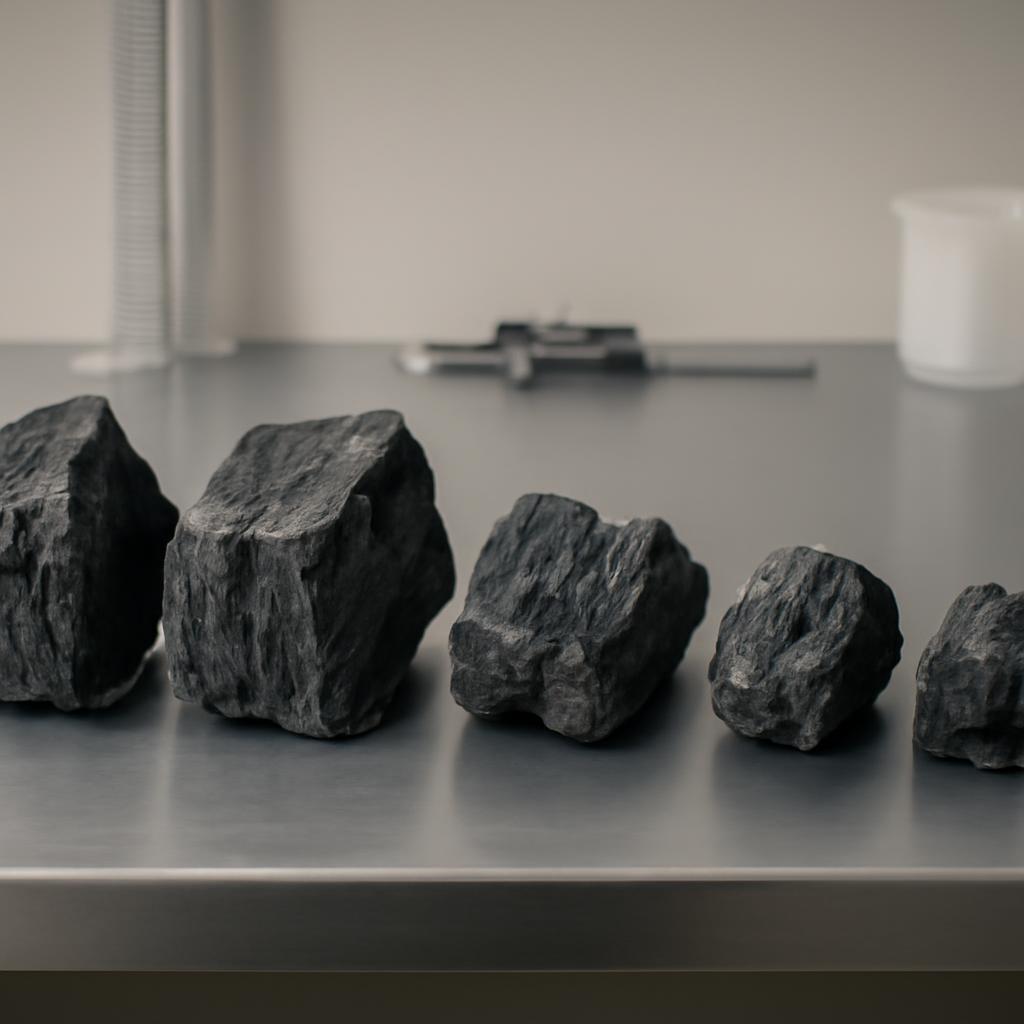
Quality cannot be established from a photograph or a few pieces taken from the top of one bag. A production-ready lot should be evaluated with a documented sampling plan that covers multiple packages and positions within the lot or container.
Sample across the lot
Sampling locations should be agreed before inspection. Portions may be taken from bags at different pallet or container positions and combined when laboratory analysis requires a composite sample. Sealed retained samples for the buyer and supplier help resolve later questions about test results or delivered condition.
Match every document to the offered batch
Technical data sheets, laboratory reports, packing lists, photographs, and inspection records should correspond to the actual product grade and production lot. A generic certificate or an old report should not be treated as proof for every future shipment. Buyers should verify the sample date, test method, reporting basis, product description, and responsible issuing party.
Verify Laboratory and Physical Performance
Laboratory results and physical performance answer different questions. Proximate analysis can report properties such as moisture, ash, volatile matter, and fixed carbon, while physical inspection evaluates carbonization, breakage, contamination, packaging, and size distribution.
Review the reporting basis
Results may be reported on an as-received, dry, or other stated basis. Values should only be compared when the basis and method are clear. Where contractual limits apply, the agreement should identify the method, sampling procedure, permitted tolerance, and process for resolving differences between laboratories.
Run controlled practical checks
A controlled burn test can evaluate ignition behavior, smoke after startup, heat stability, sparks, usable burn duration, ash residue, and the effect of piece distribution on airflow. The same fuel weight, equipment, and airflow conditions should be used when comparing samples. Practical checks support—but do not replace—laboratory evidence where technical limits are contractual.
Check for visible non-conformities
- Brown or incompletely carbonized cores
- Excessive powder, breakage, or unexpected undersized material
- Stones, metal, plastic, treated wood, or other foreign matter
- Damp bags, unusual odor, torn packaging, or inaccurate labels
- A delivered distribution that differs materially from the approved sample
Inspect Packing and Container Release

Even conforming charcoal can lose value through weak packaging, moisture exposure, rough handling, or excessive compression during loading. Pre-shipment inspection should therefore cover both the product and the loading process.
Verify packaging, weights, and labels
Inspect bag or carton condition, agreed net weight, label accuracy, sealing, moisture protection, palletization where applicable, and the loading pattern. Random weight checks and photographs can be included in the inspection record. Final requirements depend on the destination and contract and should not be assumed from another customer’s order.
Set a clear release decision
The inspection plan should define who can approve the lot, which findings require correction, whether reinspection is necessary, and which records are retained. If a deviation is accepted, document it in writing rather than changing the specification informally.
Build Repeatable Quality Control for Future Orders
Repeat orders should be reviewed against the same approved specification while allowing documented changes requested by the buyer. Batch numbers, sample records, laboratory results, packing data, photographs, and destination feedback create a useful history for investigating variation and improving future supply.
Separate production evidence from marketing claims
Terms such as “export grade,” “high carbon,” or “long burning” are not complete acceptance standards by themselves. A reliable program connects each claim to a defined method, representative sample, lot-specific evidence, and agreed tolerance.
Use supplier due diligence alongside product inspection
Buyers should also review lawful sourcing, traceability, production capability, and the documents required by the destination market. Product inspection does not replace legal or environmental due diligence, and a general company document does not automatically certify each shipment.
For available grades, packing options, and commercial enquiries, review KAOLA’s Mangrove Charcoal export program. For broader product-quality criteria, use the Mangrove Charcoal Buyer’s Checklist.
Frequently Asked Questions
What makes a charcoal lot production-ready?
A lot is production-ready when representative samples, documents, laboratory results where required, physical condition, packaging, and loading controls conform to the buyer’s approved order specification.
Should buyers inspect only the top bags?
No. Samples should cover multiple packages and positions so they represent the lot rather than a hand-picked surface sample.
Does KAOLA use one standard charcoal size?
No. Piece size, tolerance, and acceptable fines are customized according to the buyer’s application, destination market, equipment, packaging, and contract, then confirmed through sample approval and inspection.
Is a laboratory report enough to approve a shipment?
Not by itself. Laboratory evidence should be combined with representative sampling, physical checks, packaging inspection, document review, and the agreed acceptance procedure.
What records should be retained?
Keep the signed specification, approved sample details, sampling record, laboratory and inspection reports, packing and weight checks, loading photographs, and any written deviation approval.
