
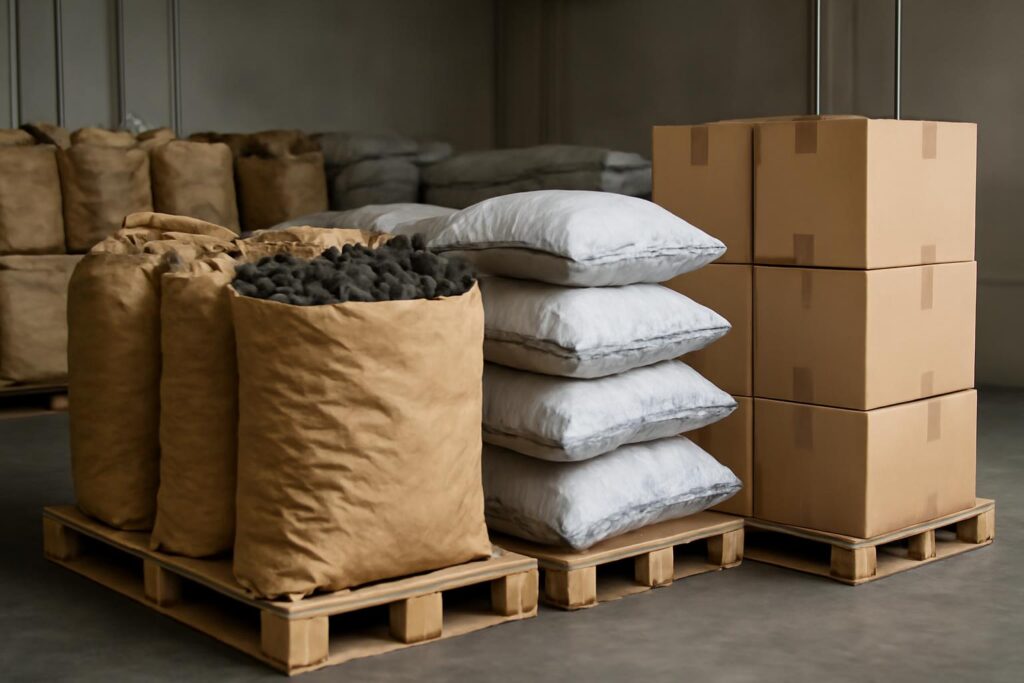
Vietnam Mangrove Charcoal packaging types commonly include kraft paper bags, polypropylene woven sacks, printed retail bags, carton boxes, and jumbo bags, each suited to different buyers and shipping conditions. The best option depends on whether the charcoal is sold for retail, foodservice, wholesale distribution, or container-scale export. If you need clean presentation, moisture protection, reliable weight control, and lower breakage, this guide explains how to compare materials, sizes, liners, and labeling requirements before placing an order.
Why Packaging Matters for Vietnam Mangrove Charcoal
Packaging is not simply an outer layer for charcoal. It protects product quality from the factory to the end user by limiting moisture exposure, reducing abrasion, and keeping dust and small pieces contained. For dense mangrove charcoal, correct packaging also helps preserve the premium appearance buyers expect from long-burning, low-smoke fuel.
Protection from Moisture and Contamination
Charcoal can absorb moisture during warehouse storage, port handling, and ocean transit. A moisture-resistant outer bag or an inner plastic liner is especially valuable in humid climates and long export routes. Dry product ignites more predictably, produces steadier heat, and helps distributors avoid complaints about weak combustion.
Clean, sealed packaging also prevents contact with dirt, odors, and other cargo. This matters most for barbecue charcoal packaging and restaurant supply channels, where presentation and handling hygiene influence customer confidence.
Weight Accuracy and Product Presentation
Retailers need consistent net weights, while importers need packaging that remains intact through repeated loading and unloading. Reinforced seams, durable bag fabric, and suitable bag dimensions reduce product loss. For a broader review of specifications and purchasing factors, consult this Vietnam mangrove charcoal buying guide.
Presentation also affects perceived value. A neat retail bag with a clear product format can support premium shelf placement, whereas a plain industrial sack is more practical for bulk buyers who prioritize cost and throughput.
Transport Efficiency and Cost Control
The right format improves stacking stability and container utilization. Packaging that is too thin may tear; packaging that is unnecessarily heavy can raise unit costs and reduce the amount of saleable charcoal loaded per container. The goal is to balance durability, product protection, and freight efficiency.
Main Vietnam Mangrove Charcoal Packaging Types
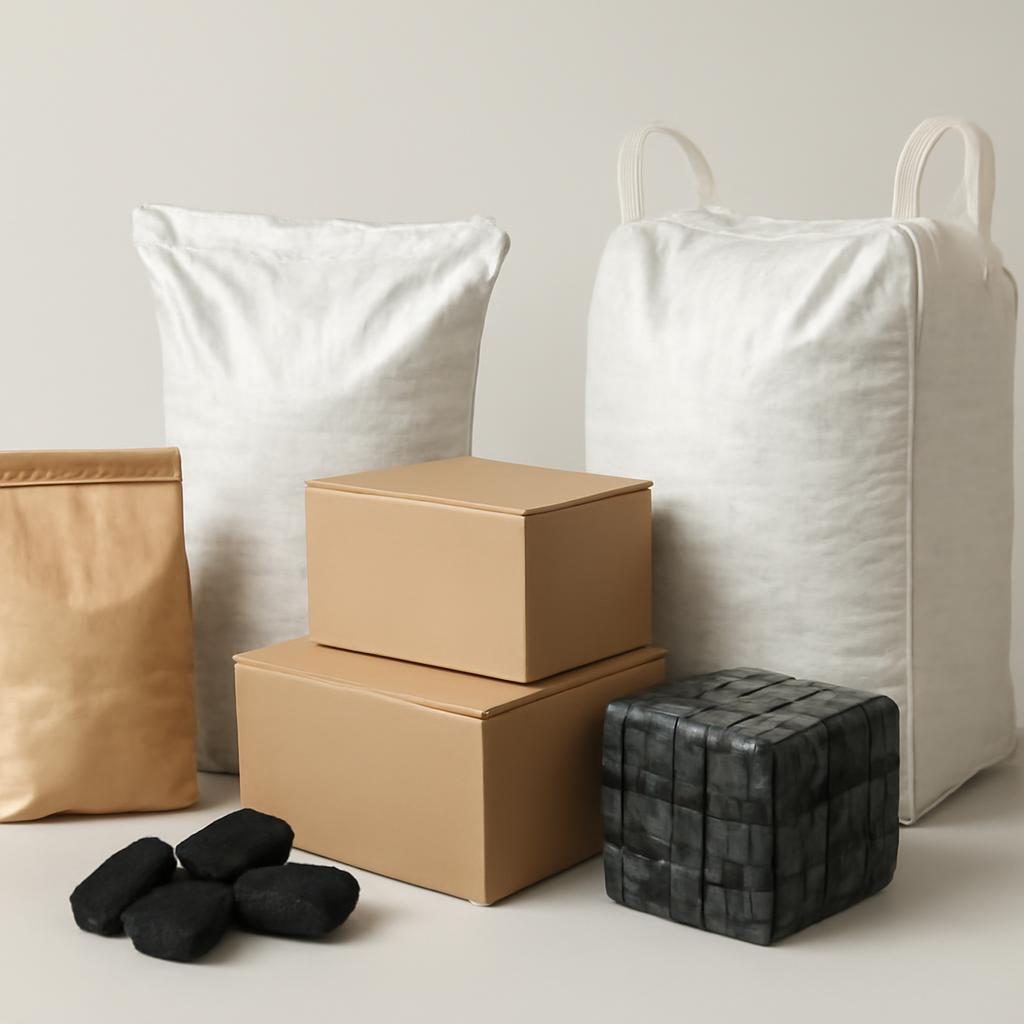
The most suitable Vietnam Mangrove Charcoal packaging types are selected according to order volume, market positioning, and route risk. Buyers generally choose between flexible bags for economical bulk handling, branded retail bags for consumer sales, and rigid cartons for better presentation and protection.
Kraft Paper Bags and Printed Retail Bags
Kraft paper bags are popular for premium barbecue and household charcoal because they look natural, are easy to print, and can be made in common retail weights such as 2 kg, 3 kg, 5 kg, and 10 kg. Multiwall paper construction provides greater tear resistance than a single paper layer, while an inner liner can add moisture protection.
Printed retail charcoal bags work best when visual merchandising matters. They can be designed with product details, handling instructions, and barcodes according to the destination market’s requirements. Confirm that inks, adhesives, and bag strength are appropriate for dusty, heavy contents rather than treating a charcoal bag like ordinary dry-goods packaging.
PP Woven Bags and Laminated Sacks
PP woven charcoal bags are a practical choice for wholesale and export orders. Their woven polypropylene structure handles rough handling well and is commonly used in 10 kg, 15 kg, and 20 kg formats. A laminated surface can improve resistance to moisture and provide a smoother printable finish.
These charcoal export bags are cost-effective for distributors, restaurant suppliers, and bulk resellers. They are particularly useful when bags may be stacked high, moved by hand, or transferred several times before reaching the buyer’s warehouse.
Carton Boxes, Shrink Packs, and Jumbo Bags
Carton boxes offer a tidy premium option for specialty retail, gift-ready barbecue products, and foodservice stockrooms. The charcoal may be packed directly in a lined carton or placed in smaller inner bags before boxing. This format helps reduce visible breakage and supports efficient shelf display.
For high-volume industrial supply, jumbo bags can carry large quantities with fewer individual units to handle. They are best suited to controlled logistics and buyers who can safely unload bulk product. Shrink-wrapped bundles can also group smaller bags together for improved pallet stability.
- Kraft paper bags: best for premium retail positioning and smaller consumer packs.
- PP woven sacks: best for durable wholesale and export distribution.
- Carton boxes: best for protected presentation and organized storage.
- Jumbo bags: best for large-volume industrial handling.
How to Choose the Right Charcoal Packaging Format
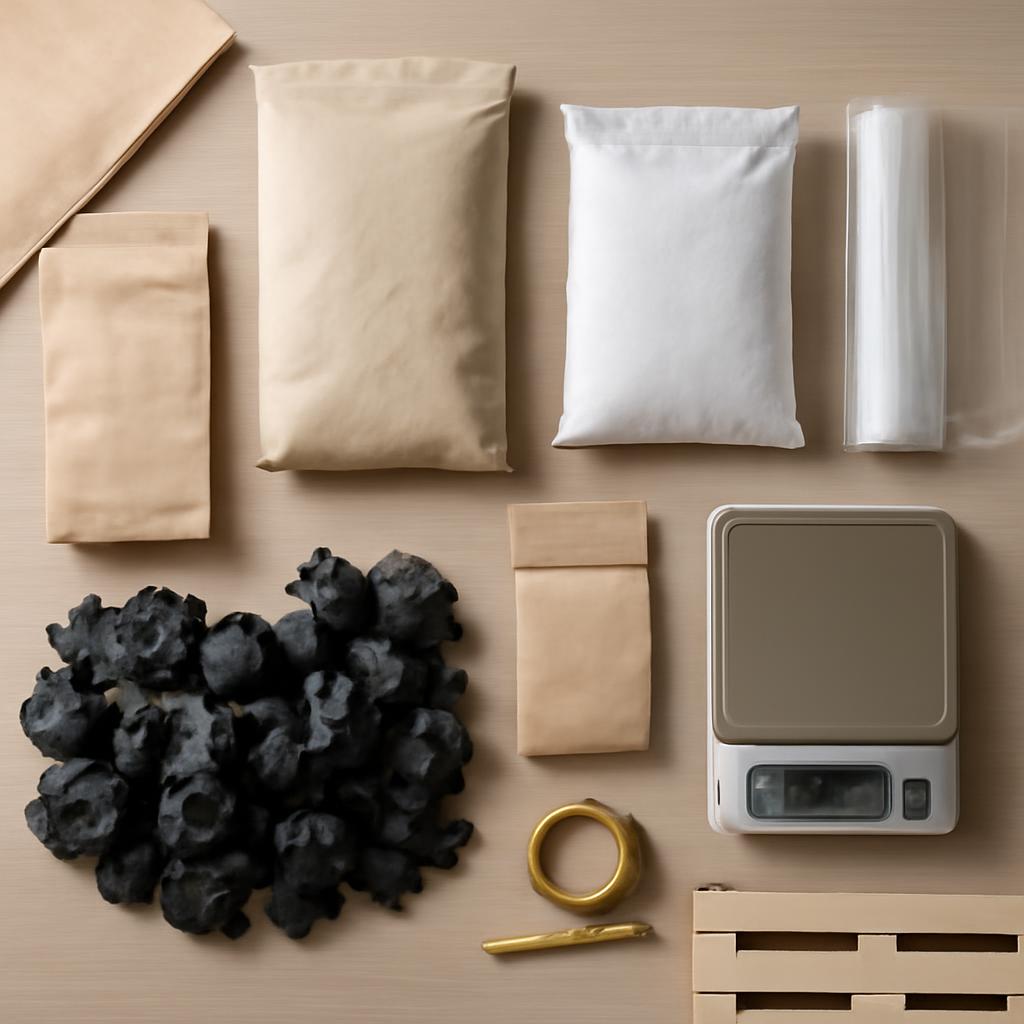
Choose packaging by starting with the sales channel, then matching bag material, net weight, closure, and moisture barrier to the actual handling conditions. A package that works in a local retail store may not withstand container loading, tropical port storage, and onward distribution in another market.
Match Pack Size to Your Customer
Small packs are convenient for households, camping outlets, and supermarket shelves. Medium packs suit restaurants and specialty shops that want manageable inventory. Larger sacks are more economical for wholesalers and professional users who purchase frequently and have storage capacity.
Before confirming a format, define the preferred charcoal size distribution. Larger lump charcoal needs enough internal space to limit crushing, while smaller pieces and fines require a secure closure to control dust. Product dimensions and packaging design should be planned together, not as separate decisions.
Choose a Liner and Closure for the Supply Chain
An inner liner is recommended where humidity is high or transit times are long. Common closure options include stitched tops, heat seals, drawstrings, and valve-style configurations. The best closure should prevent leakage without making the bag difficult for the final customer to open.
For export orders, ask suppliers to confirm whether the packaging is suitable for palletization and whether outer bags have been tested for seam strength. Understanding mangrove charcoal quality and uses also helps buyers select a pack format that fits the intended grilling, restaurant, or industrial application.
Balance Branding with Compliance
Retail packaging may need country-of-origin details, net weight, safety notices, storage guidance, barcodes, and language-specific information. Requirements differ by market, so importers should provide approved artwork and required claims before mass production begins.
Do not overpromise through packaging claims. Focus on verifiable characteristics such as product form, net weight, pack count, and handling instructions. Strong compliance practices reduce relabeling costs, customs delays, and retailer rejection risks.
Packing, Storage, and Shipping Quality Checks
Reliable charcoal packaging begins with inspection before loading and continues through storage and shipment. Buyers should use a written packaging specification that states the bag type, dimensions, weight tolerance, liner requirement, closure method, printing approval, and acceptable breakage level.
Pre-Shipment Inspection Checklist
Inspect random bags for accurate net weight, torn corners, weak stitches, print defects, and visible moisture. Check that the charcoal grade inside matches the agreed specification and that bags are clean, evenly filled, and easy to stack. Photographs of packed goods and loading stages provide useful documentation.
- Verify net weight and permitted tolerance.
- Check seams, handles, closures, and liner integrity.
- Confirm the correct bag count per pallet or container.
- Inspect for dampness, dust leakage, and excessive fines.
- Approve final packaging artwork before full production.
Warehouse Storage Practices
Store packed charcoal in a dry, ventilated area away from direct ground contact. Use pallets to improve airflow and protect bags from floor moisture. Keep stock away from water leaks, strong odors, and ignition sources, and rotate inventory so older production is dispatched first.
Cartons should not be overloaded or exposed to rain during transfer. Woven sacks should be protected from sharp edges and excessive dragging. These simple measures preserve bag integrity and reduce claims caused by avoidable handling damage.
Container Loading Considerations
Container floors should be dry, clean, and free of odor before loading. Use dunnage, stretch wrap, corner protection, or moisture-control materials when the route and packaging format justify them. Stable rows reduce shifting that can split bags or crush lump charcoal during sea transport.
Packaging is one part of a successful sourcing decision. When comparing suppliers, combine bag specifications with product density, carbon content, ash level, and intended use through this complete guide to Vietnam mangrove charcoal.
Frequently Asked Questions
What is the most common package for export charcoal?
What is the most common package for export charcoal? PP woven sacks, often with a liner, are widely used because they are durable, economical, and suitable for bulk handling.
Are kraft paper bags suitable for mangrove charcoal?
Are kraft paper bags suitable for mangrove charcoal? Yes. Multiwall kraft bags are suitable for retail charcoal, especially when they include an inner moisture barrier and strong seams.
Which pack sizes are best for retail?
Which pack sizes are best for retail? Common retail sizes include 2 kg, 3 kg, 5 kg, and 10 kg. The right choice depends on local buying habits and shelf space.
Should charcoal bags have an inner liner?
Should charcoal bags have an inner liner? A liner is recommended for humid destinations, long sea freight routes, or premium products requiring stronger protection from moisture and dust.
Can carton boxes be used for export shipments?
Can carton boxes be used for export shipments? Yes, provided the cartons are strong enough for stacking, protected from moisture, and designed with suitable inner packing or liners.
