
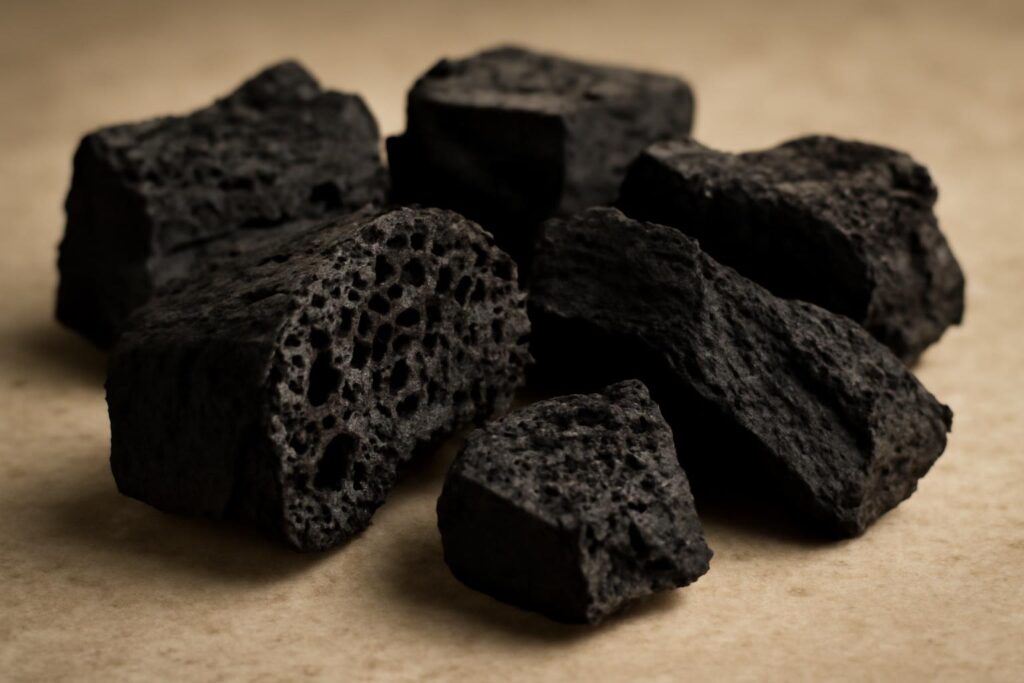
Vietnam Mangrove Charcoal fixed carbon is the key quality measure that indicates how much solid combustible carbon remains after moisture, volatile matter, and ash are excluded. Buyers seeking longer burn time, steadier heat, and less smoke should prioritize a consistently high fixed-carbon specification rather than judging charcoal by appearance alone. This guide explains the metric, realistic specification ranges, testing methods, and purchasing criteria so you can match Vietnamese mangrove charcoal to grilling, shisha, industrial, or resale needs.
What Fixed Carbon Means in Vietnam Mangrove Charcoal
Fixed carbon is the non-volatile carbon fraction left in charcoal after moisture, ash, and volatile compounds are measured. In practical terms, it is the part that produces sustained heat. For Vietnam mangrove charcoal fixed carbon is therefore a central indicator of fuel performance, especially where predictable burn duration and stable thermal output matter.
The relationship between carbon and heat
A higher fixed-carbon percentage generally means more usable fuel in each piece of charcoal. It commonly supports a longer, more even burn with fewer sudden flames than material containing excessive volatile matter. However, fixed carbon should never be reviewed in isolation; ash content, moisture, size grading, density, and carbonization quality also influence real-world results.
Dense mangrove wood charcoal is valued because its natural structure can yield hard, durable pieces when carbonized correctly. Properly produced charcoal should feel relatively light for its volume while remaining firm enough to resist unnecessary breakage during packing and transport.
How the value is calculated
Laboratories normally determine fixed carbon through proximate analysis. The common calculation is: fixed carbon = 100% minus moisture, volatile matter, and ash. Because testing methods and reporting bases can differ, purchase contracts should state whether the result is reported on an as-received, dry, or dry ash-free basis.
This distinction prevents misleading comparisons. A shipment with low moisture may appear to have a stronger as-received result than a wetter shipment, even if the underlying carbonized material is similar. Requesting a certificate of analysis and a clear test basis protects both buyer and supplier.
Why appearance is not enough
Black color, large pieces, and a clean surface can be useful first impressions, but they do not prove fixed carbon. Charcoal can look attractive yet contain elevated ash, residual volatiles, or unevenly carbonized cores. A technical specification is more reliable than visual inspection alone.
For a wider view of grades, applications, and sourcing factors, consult the Vietnam mangrove charcoal buying guide. It helps place fixed carbon within the broader set of quality signals used by serious buyers.
Interpreting Fixed Carbon Results
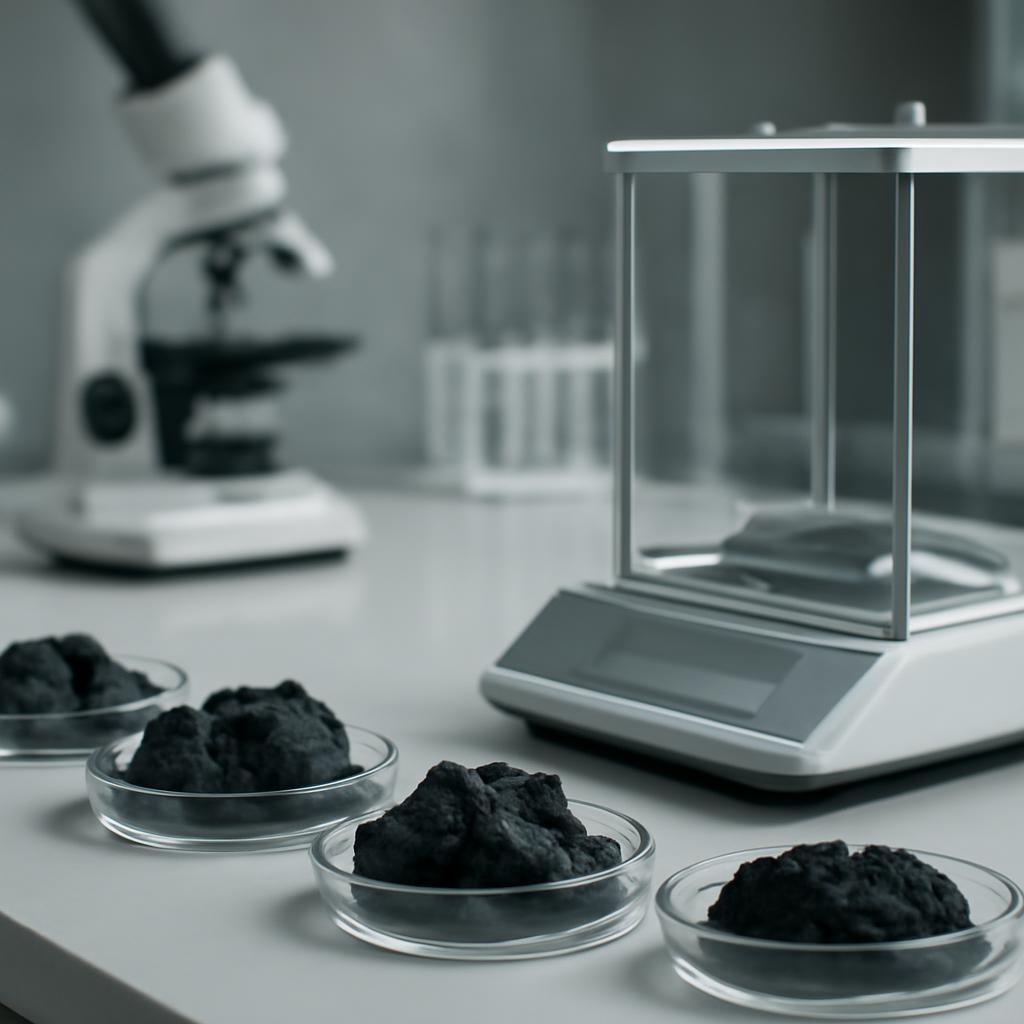
There is no single fixed-carbon figure suitable for every Vietnam mangrove charcoal product or application. A useful result must identify the tested sample, method, date, and reporting basis. Buyers should define a product- and order-specific acceptance value rather than treating an unsupported headline percentage as a universal KAOLA specification.
Compare like with like
Fixed carbon is commonly derived from proximate analysis after moisture, volatile matter, and ash are measured. A result on an as-received basis is not directly comparable with a dry-basis result. The contract or technical sheet should therefore state the calculation basis and recognized method used by the laboratory.
Understand measurement uncertainty and sample variation
Different samples from the same lot can vary, especially if the lot contains mixed carbonization, moisture exposure, or non-representative hand-picked pieces. Sampling, preparation, crushing, drying, and laboratory repeatability all influence the reported result. Where a contractual threshold is important, agree how samples are selected, how results are rounded, and how a disputed result will be checked.
Do not interpret fixed carbon in isolation
Fixed carbon helps explain sustained heat, but it does not by itself prove cleanliness, suitable sizing, low breakage, safe feedstock, or correct packaging. Those complementary acceptance criteria belong in a broader shipment-quality plan. Use the Vietnam Mangrove Charcoal Buyer’s Checklist for ash, moisture, customized size, contamination, packaging, and inspection controls.
How to Verify Fixed Carbon Before Buying
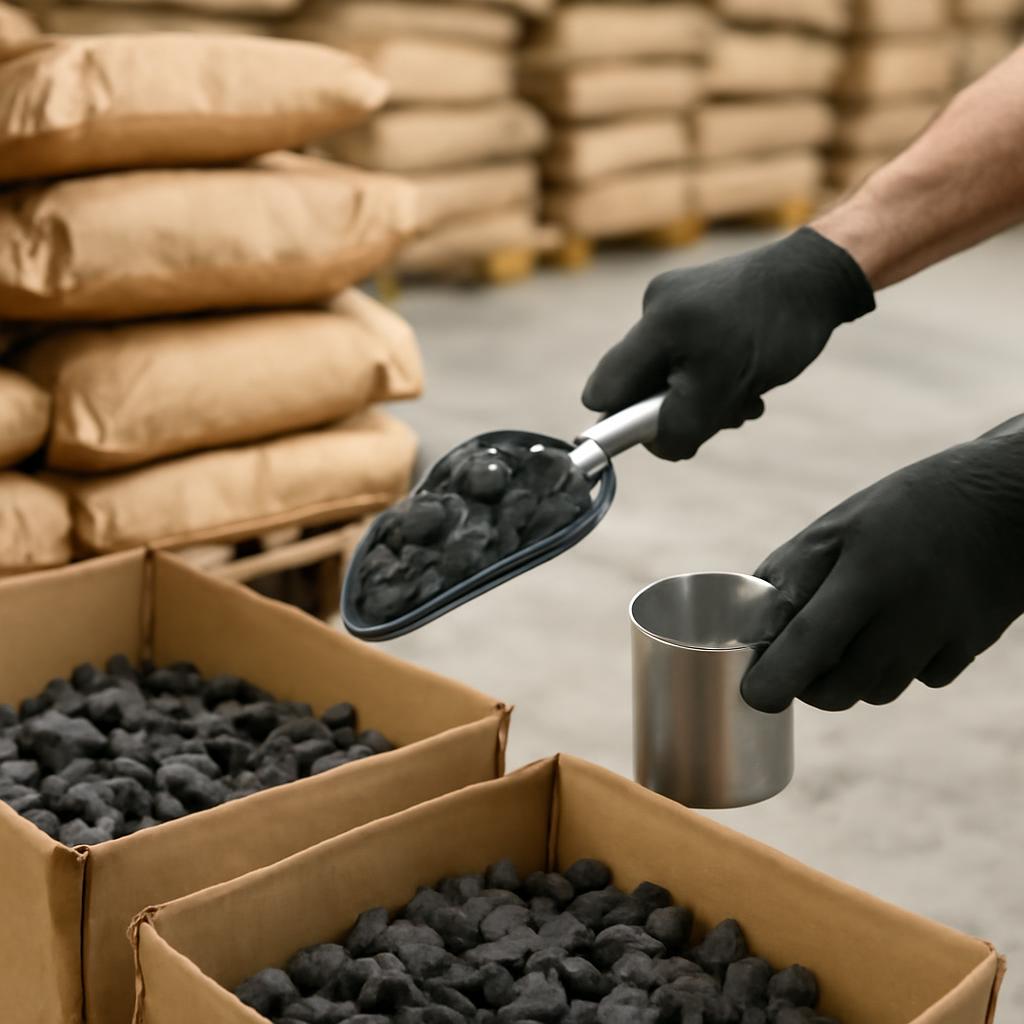
The most dependable way to verify Vietnam Mangrove Charcoal fixed carbon is to combine a written specification, representative sampling, independent laboratory analysis, and pre-shipment inspection. This process turns a marketing claim into a measurable acceptance standard and reduces disputes after delivery.
Request a complete technical data sheet
Ask for a technical data sheet that lists fixed carbon, moisture, ash, volatile matter, calorific value, particle size, origin, packaging, and test method. The supplier should also identify the reporting basis for each result. Vague phrases such as “premium quality” are not a substitute for measurable criteria.
For bulk orders, include tolerance limits in the purchase agreement. For example, define the minimum fixed-carbon result, maximum moisture and ash limits, acceptable fines percentage, and the method for resolving results when the buyer’s and seller’s laboratories differ.
Use representative sampling and third-party tests
A sample taken only from the top of a bag or from a hand-picked display carton may not represent the shipment. A better approach is to take increments from multiple bags, different pallet positions, or several container locations, then combine them under an agreed sampling plan.
Independent testing is particularly valuable for commercial orders. The laboratory should use recognized proximate-analysis procedures and document sample preparation, because crushing, drying, and homogenization affect reliability. Keep retained reference samples sealed and labeled until the transaction is closed.
Inspect physical performance as well
Laboratory results should be matched with practical checks: ignition time, flame behavior, smoke level, spark tendency, breakage, burn duration, and ash residue. A small controlled burn test cannot replace analysis, but it can reveal handling or combustion issues that a single number will not show.
Buyers evaluating supply continuity can use the mangrove charcoal quality standards as a broader checklist for inspection, packaging, and application fit. A consistent evaluation process makes supplier comparisons more objective.
Apply Fixed Carbon to the Purchase Decision
The appropriate fixed-carbon requirement depends on the buyer’s intended use and the agreed reporting basis. Foodservice, retail, and industrial buyers may value sustained heat differently, so KAOLA does not present one unsupported percentage as correct for every order.
Set an application-specific target
Start with the performance required by the buyer, review a representative sample, and request batch-specific evidence when a numerical limit is contractual. The target should appear in the purchase specification together with the test method, sampling plan, tolerance, and procedure for non-conforming results.
Connect the laboratory result to a controlled burn test
Use the reported result alongside practical observations such as usable burn duration, heat stability, ignition behavior, and smoke after startup. A controlled test does not replace proximate analysis, but it shows whether the offered product performs as expected in the buyer’s equipment.
Confirm the applicable grade for each order
Product size, fines tolerance, packaging, and other specifications are customized according to the intended application, destination market, equipment, and contract. For available commercial grades, review KAOLA’s Mangrove Charcoal export program and request the product- and batch-specific technical information applicable to the order.
Frequently Asked Questions
What is a good fixed carbon level for Vietnam mangrove charcoal? A good level depends on the intended use and the reporting basis. Seek a documented, consistently tested value combined with low moisture, controlled ash, and an appropriate size grade rather than relying on one number alone.
Does higher fixed carbon always mean better charcoal? Not always. Higher fixed carbon generally supports longer-lasting heat, but excessive ash, poor size consistency, difficult ignition, or shipping damage can still reduce overall usability.
How is fixed carbon tested? It is usually calculated through proximate analysis by subtracting moisture, volatile matter, and ash from 100%. Use an agreed laboratory method and confirm the reporting basis.
Can moisture change the reported fixed carbon? Yes. Moisture affects as-received results and usable energy. Compare results only when the reporting basis is clear, and protect charcoal from humid storage and transit conditions.
Should I request third-party inspection before shipment? Yes, especially for bulk or repeat orders. Third-party sampling, laboratory testing, and visual checks help confirm that the shipment meets the agreed specification before it leaves the supplier.
