
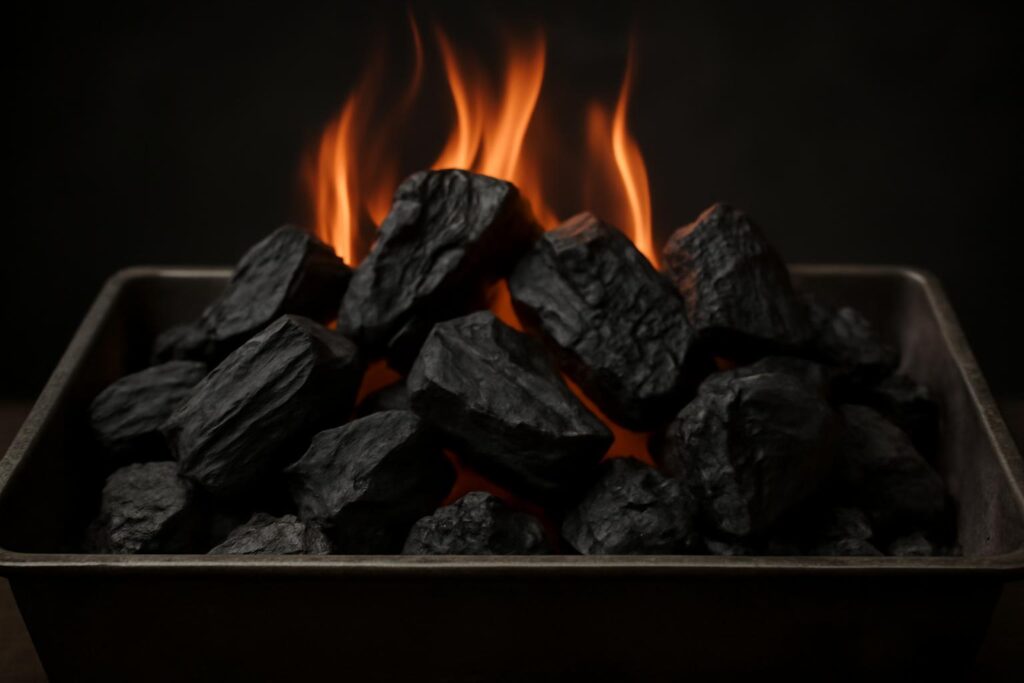
Vietnam Mangrove Charcoal ash content is commonly evaluated as a key quality indicator because lower ash generally means more usable carbon, cleaner combustion, and less residue. For grilling, shisha production, and industrial heat, buyers should request a dry-basis ash test and compare it with the intended application. This guide explains what ash content means, the factors that change it, practical testing methods, and specification tips for purchasing dependable mangrove charcoal.
What Ash Content Means for Vietnam Mangrove Charcoal
Ash content is the non-combustible mineral residue left after charcoal has burned completely. It is normally reported as a percentage of the charcoal mass, preferably on a dry basis. In practical terms, a lower percentage often indicates that more of the product can deliver heat instead of becoming residue.
A direct indicator of usable fuel
For buyers, low ash charcoal can support longer effective burn time, easier cleanup, and more stable performance. Ash itself does not create useful heat, so excessive ash reduces the usable portion of every bag, carton, or container purchased.
Ash must be assessed alongside fixed carbon, moisture, volatile matter, size distribution, and hardness. A product with low ash but poor carbonization may still ignite unevenly or smoke more than expected. For a broader evaluation framework, review this Vietnam mangrove charcoal quality guide.
Why mineral residue varies
The minerals in charcoal may originate from the wood itself, soil and sand contamination during handling, bark content, or foreign materials introduced during storage and transport. Careful processing is therefore as important as the natural characteristics of mangrove wood.
Why the result should be reported on a dry basis
Moisture changes the apparent weight of a sample. Reporting ash on a dry basis removes that distortion and makes supplier comparisons more reliable. A purchase specification should clearly state the test basis, sampling procedure, and acceptable tolerance.
Typical Ash Levels and What Influences Them
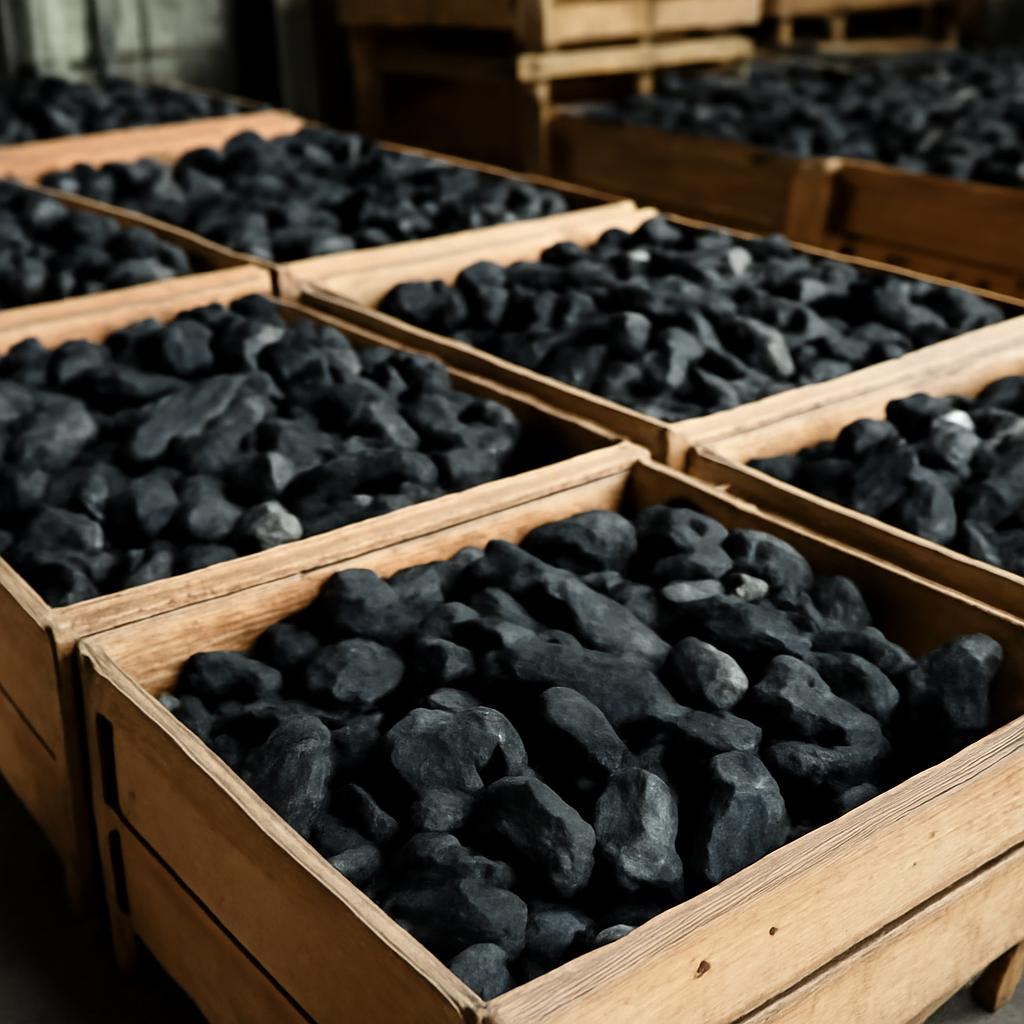
Vietnam mangrove charcoal ash content can vary by wood source, kiln practice, sorting standards, and contamination control. Rather than relying on a single universal number, professional buyers should treat ash as a contractual specification verified through representative testing.
Wood selection and carbonization quality
Dense, properly carbonized mangrove wood can produce strong charcoal with good heat output. However, incomplete carbonization may leave higher volatile matter, while uncontrolled burning can create fragile pieces and inconsistent properties. The best evaluation considers the entire charcoal quality specification, not ash alone.
Well-managed production separates raw wood from dirt, avoids unnecessary bark and debris, and protects finished charcoal from ground contact. These controls help limit mineral contamination before the product is packed.
Processing, sorting, and storage conditions
Fine charcoal dust, soil, sand, and fragments collected during handling can raise measured ash. Screening, clean loading surfaces, lined storage areas, and sealed packaging reduce these risks. The same care also improves the appearance and consistency of lump charcoal.
Application-specific ash expectations
For cooking and hospitality use, lower residue is valued because it keeps grills cleaner and reduces interruptions. For briquette manufacturing, consistent ash is especially important because it affects binder formulation, finished density, and burning behavior. Learn how source characteristics connect with end use in this mangrove charcoal uses and selection guide.
How to Test and Specify Ash Content
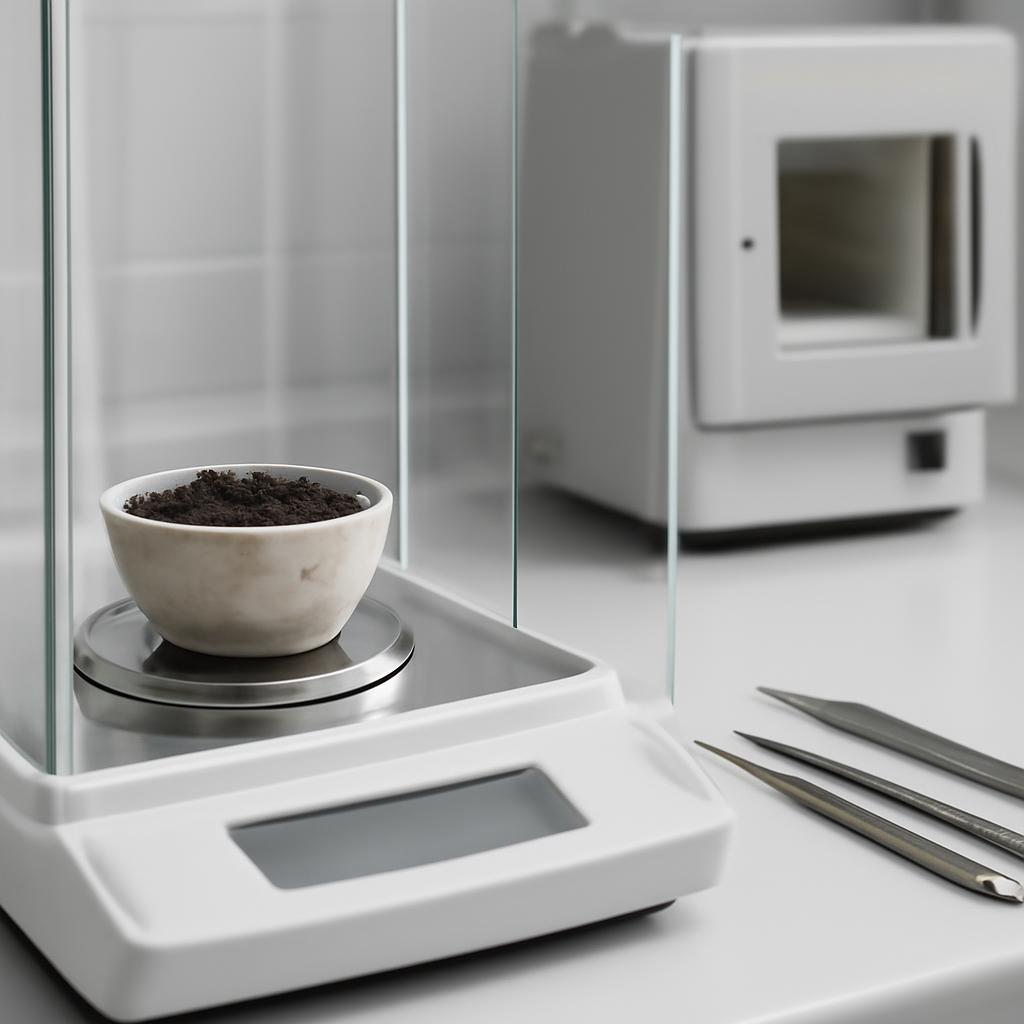
A reliable ash result begins with representative sampling. Testing only a few attractive large pieces can produce a misleading result, especially when a shipment includes fines, mixed sizes, or material from multiple production batches.
A practical laboratory test method
In a typical charcoal ash test, a prepared sample is weighed, heated in a controlled furnace until combustible matter is removed, cooled in a moisture-controlled environment, and weighed again. The remaining inorganic residue is calculated as a percentage of the original dry sample mass.
- Collect samples from multiple bags or locations within the shipment.
- Combine and reduce the sample using a documented method.
- Dry and prepare the sample consistently before analysis.
- Use an accredited laboratory or an agreed standard test method.
- Record both the result and the sampling date, batch, and test basis.
What to include in a purchase specification
A clear specification should state the maximum ash percentage, whether the result is dry basis or as received, the test method, the sample size, and the acceptance process. It should also define how disputes are handled if an independent retest differs from the supplier certificate.
Interpreting the result with other metrics
Do not accept a low number without context. Verify moisture content, fixed carbon content, volatile matter, particle size, and visible cleanliness. These figures together provide a more accurate picture of mangrove charcoal performance than any single test result.
For importers and distributors, pre-shipment inspection and retained reference samples are practical safeguards. They help confirm that the tested sample matches the goods that were actually loaded.
Choosing Low-Ash Mangrove Charcoal for Every Use
The right target for Vietnam Mangrove Charcoal ash content depends on the application, equipment, and customer expectations. A premium restaurant grill may prioritize clean, low-residue fuel, while an industrial user may prioritize a consistent range that works predictably in a defined process.
For grilling and food service
Choose clean, dense lumps with limited dust and a documented ash specification. Lower residue supports easier airflow through the grill, simpler ash removal, and a more efficient cooking workflow. Request a sample burn before committing to a large order.
For shisha and briquette production
Briquette producers need consistency as much as a low ash value. Variation between batches can affect pressing, ignition, ash color, structural strength, and customer experience. Confirm mesh size, moisture, and fixed carbon together with ash before approving feedstock.
For industrial heat and resale programs
Industrial buyers should align specifications with furnace design and process requirements, while resellers should ask for documentation that can be shared confidently with their customers. A disciplined approach to sourcing begins with a complete Vietnam charcoal buying guide and continues with lot-by-lot quality verification.
Before placing a container order, request a product data sheet, recent laboratory report, photos of packing, and a pre-shipment sample. These simple steps can reduce avoidable disputes about ash, fines, moisture, and grade consistency.
Frequently Asked Questions
Is lower ash always better?
Is lower ash always better? Usually, lower ash means less residue and more usable fuel, but it should be evaluated with fixed carbon, moisture, and consistent carbonization quality.
How is ash content measured?
How is ash content measured? A prepared charcoal sample is burned under controlled laboratory conditions, and the remaining non-combustible residue is calculated as a percentage of sample mass.
Can dust increase ash content?
Can dust increase ash content? Yes. Dust mixed with soil, sand, or other contamination can raise the measured ash result and reduce product value.
Should ash be stated on a dry basis?
Should ash be stated on a dry basis? Yes. Dry-basis reporting removes the effect of moisture and allows a more accurate comparison between suppliers and batches.
What documents should buyers request?
What documents should buyers request? Request a product specification sheet, laboratory test report, sampling details, packing information, and pre-shipment inspection records when available.
