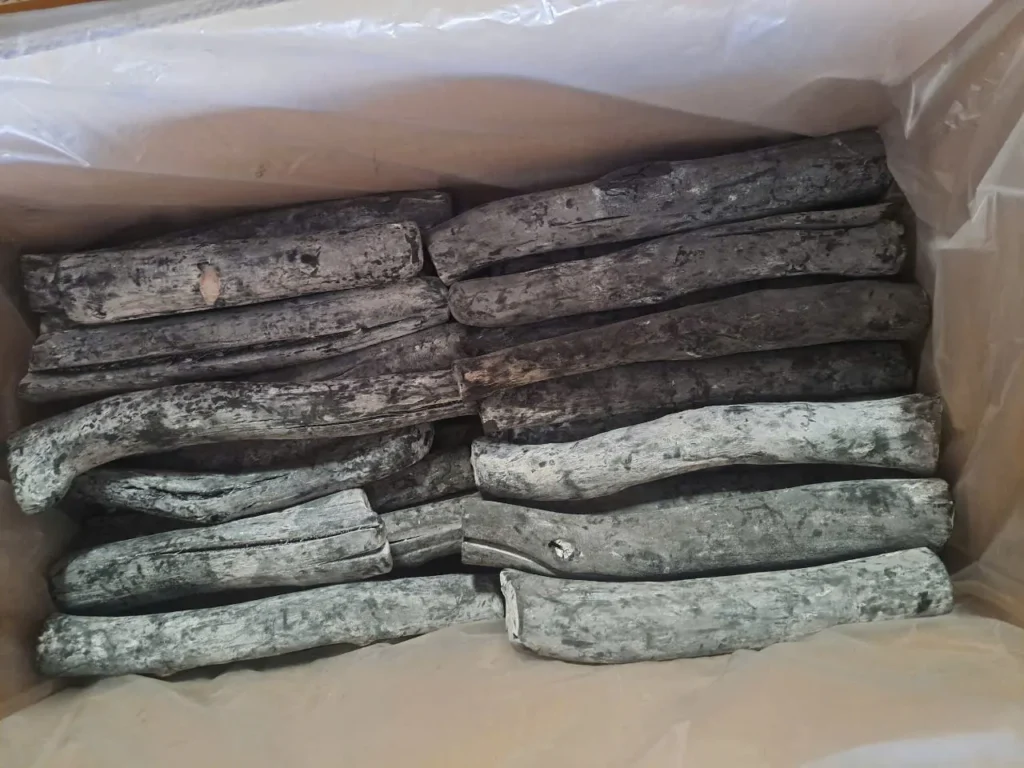
Binchotan sample inspection checks whether the proposed pieces and identified test evidence match a written acceptance specification. Use this checklist for dimensions, grading, fines, packing condition and report scope. For legal identity and factory review, use the separate manufacturer verification checklist.
Once the sample and acceptance criteria are approved, prepare your Binchotan carton-packing and RFQ brief. The Binchotan product hub helps you choose the relevant wood-species page.
Define the Binchotan product before comparing suppliers
Identify the wood species, intended cooking application, dimensions, acceptable size distribution and packing. KAOLA’s eucalyptus white charcoal is associated with its Quang Tri production operation. The declared 40-kiln facility and 180 MT/month capacity refer to White Charcoal, not every product supplied by KAOLA.
Begin with the Eucalyptus Binchotan product page. Do not apply one species’ test report to Maitiew, Lychee, Longan or other charcoal.
Read laboratory evidence in its correct scope
The documented Vinacontrol White Eucalyptus sample in report 23G15THQ02472-01 records 92.3% fixed carbon, 1.8% ash and 7,728 cal/g. These are results for that tested sample, not guaranteed values for every shipment.
Ask for sample identity, report date, test method and reporting basis before comparing moisture, ash, fixed carbon or calorific value. Confirm whether a new test is required for the proposed lot. Review the evidence on KAOLA’s certifications and testing page.
Test figures apply only to the named sample or lot. A laboratory method is not company-wide certification. Documents, availability, production scheduling and shipment arrangements are confirmed for the product, destination and order.
Use physical screening without confusing it with a laboratory test
- Check dimensions across several pieces, not only the best-looking sample.
- Record cracks, dust, broken pieces and packing condition.
- If using a drop test, agree height, surface, sample quantity and acceptance criteria first.
- A metallic sound is a field observation, not proof of carbon content or certification.
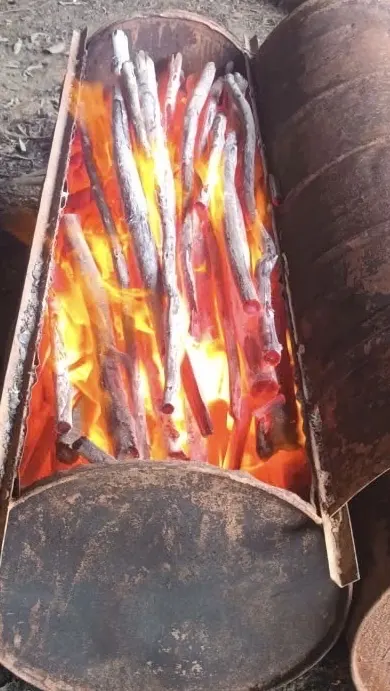
- Run a controlled cooking trial with documented ignition, airflow and fuel size.
Charcoal generates carbon monoxide. Do not use it in enclosed or inadequately ventilated spaces.
Build a supplier approval file
- State the product, country, destination port and intended use.
- Agree dimensions, quality targets and sampling procedure.
- Evaluate a representative sample in the buyer’s equipment.
- Approve packing, labeling and inspection requirements.
- Identify applicable reports and order-specific export documents.
- Record acceptance criteria in the quotation and contract.
See KAOLA’s manufacturing and supply capability and wholesale purchasing options. This article covers product-quality checks; the manufacturer verification guide covers business and operational verification.
Frequently asked questions
Can appearance prove low ash or high carbon?
No. Appearance and sound cannot replace an identified laboratory analysis.
Does one report cover all Binchotan varieties?
No. Apply results only to the product and sample stated in the report.
How can an importer request a quotation?
Send KAOLA the species, application, dimensions, packing, volume and destination, with any testing or inspection requirements.
When comparing laboratory evidence, follow the charcoal test report verification checklist; check the product and sample scope rather than treating a method reference as certification.
