
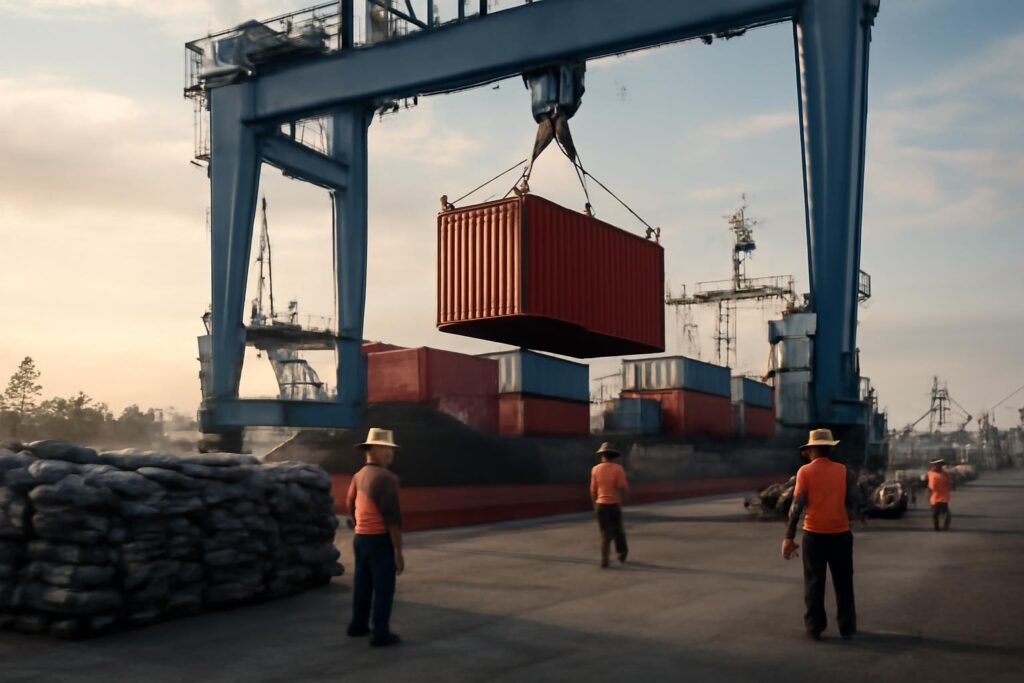
Vietnam Mangrove Charcoal sea freight is the most practical shipping method for importers moving commercial volumes because it offers scalable capacity and lower per-kilogram transport costs than air cargo. Success depends on selecting suitable packaging, accurately planning container space, preparing compliant documents, and managing moisture and fire-risk controls. If you need dependable delivery from Vietnam to an overseas port, this guide explains the freight process, container choices, paperwork, cost drivers, and practical steps to protect product quality from loading through arrival.
How Vietnam Mangrove Charcoal Sea Freight Works
Sea freight begins long before a container reaches the terminal. The exporter confirms the product specification, volume, destination port, cargo-ready date, and shipment terms, then coordinates with a freight forwarder or shipping line. For buyers sourcing Vietnam mangrove charcoal quality and buying guidance, freight planning should begin as soon as the purchase order is confirmed, not after production is complete.
From Factory Collection to Port Gate-In
After final packing and quality inspection, the cargo is collected from the production site or delivered to a consolidation warehouse. For a full container load, an empty container is positioned for loading, sealed after stuffing, weighed where required, and transported to the port. The carrier then receives the container before the cargo cut-off date.
For smaller orders, LCL charcoal shipping may be possible through a consolidator, but it requires extra handling and may increase exposure to moisture, odor transfer, and schedule changes. A full container load is usually the better choice for regular buyers because it provides dedicated space and clearer control over loading conditions.
Choosing FCL or LCL Service
FCL charcoal shipping is generally recommended when the order can use a substantial share of a 20-foot or 40-foot container. The cargo remains in one sealed unit from origin to destination, reducing handling points. LCL may suit trial orders, but importers should confirm whether the consolidator accepts charcoal and whether destination charges are commercially reasonable.
Transit time depends on the destination, carrier route, transshipment pattern, congestion, and seasonal weather. A realistic freight plan includes buffer time for factory readiness, export clearance, port cut-off, sailing, transshipment, destination customs clearance, and inland delivery.
Incoterms Define Responsibility
Terms such as FOB, CFR, and CIF determine who arranges freight, pays named charges, and bears risk at each stage. Under FOB, the buyer usually appoints the carrier or forwarder while the seller clears the goods for export. Under CFR or CIF, the seller arranges ocean carriage to the named destination port, although cargo risk typically transfers once the goods are loaded on board.
Make every booking instruction specific: product name, number of packages, gross weight, container type, destination, dangerous-goods status confirmation, and required documents. Clear instructions reduce costly amendments and help keep the shipment aligned with the commercial agreement.
Packing and Container Planning for Safe Delivery
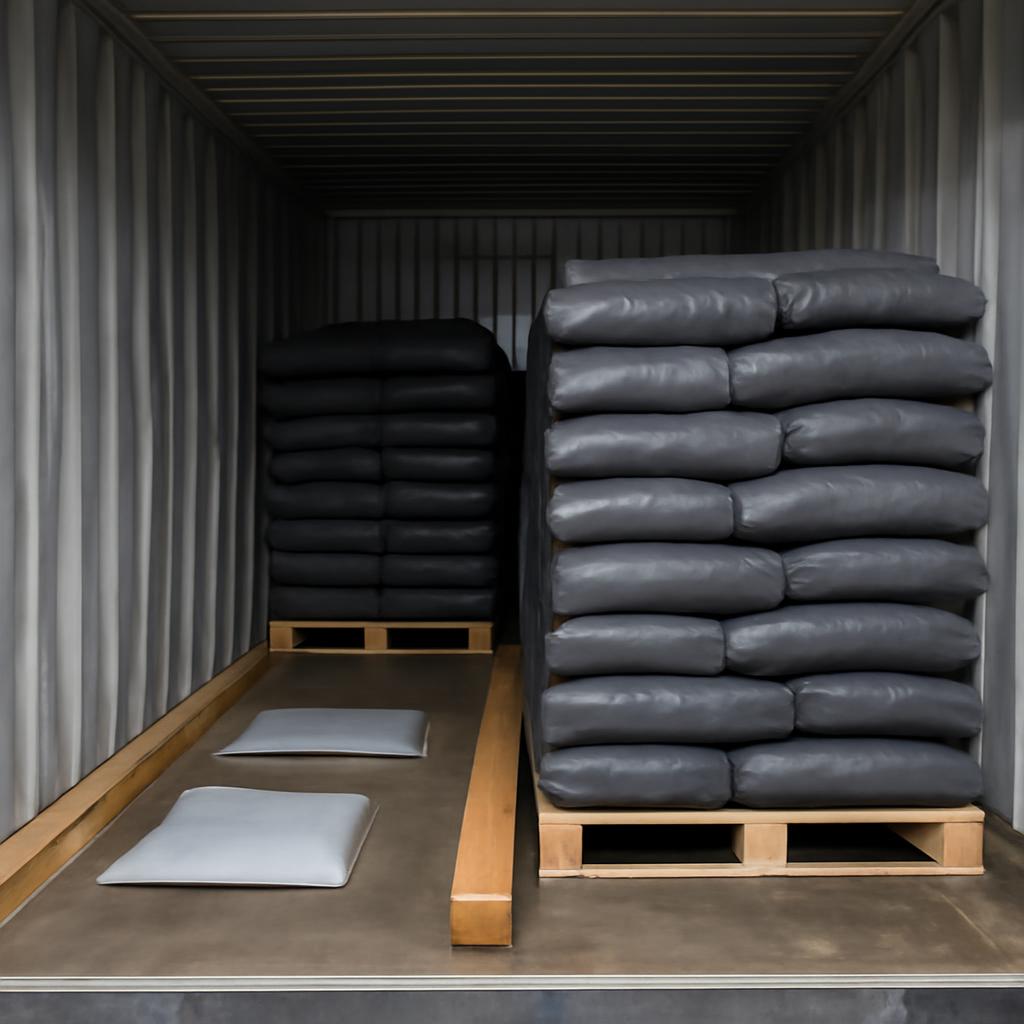
Charcoal is highly sensitive to moisture, breakage, contamination, and poor ventilation. Reliable charcoal container loading starts with dry, fully cooled material and clean packaging that withstands stacking, port handling, and ocean movement. Buyers should define packaging specifications in the contract rather than relying on general descriptions.
Use Moisture-Resistant, Export-Ready Packaging
Common packing formats include kraft paper bags, laminated bags, cartons, and outer protective bags. The ideal solution depends on the intended retail or industrial market, package weight, and local labeling rules. Inner liners, strong seams, palletization when appropriate, and dry cargo areas help protect the charcoal during long voyages.
Before loading, inspect the container for holes, standing water, odor, damaged flooring, residue, and door-seal condition. Place a liner or moisture barrier when suitable, use desiccants according to the route and packing design, and avoid loading cargo that is warm or visibly damp. These controls directly support dependable mangrove charcoal export logistics.
Optimize Weight Distribution and Space
Container planning must balance cubic volume with payload limits. Loose or bagged charcoal can fill volume quickly, while carton dimensions and pallet configurations may leave unused space. The exporter should provide a packing list with package count, net weight, gross weight, dimensions, and loading layout before stuffing begins.
Distribute weight evenly from front to rear and side to side. Use dunnage, bracing, straps, or other suitable securing materials to reduce shifting at sea. Keep packages clear of damaged walls or wet areas, and photograph the container condition, loading sequence, and seal number for shipment records.
Prevent Heat and Moisture Problems
Charcoal must be properly carbonized, cooled, and stored before export packing. Loading material too soon after production can create heat retention and quality concerns. Ask the supplier for production controls, moisture information, and confirmation that the goods are safe for the selected transport arrangement.
For a broader evaluation of product suitability before shipment, review mangrove charcoal specifications for buyers. A defined standard for fixed carbon, ash, volatile matter, moisture, size range, and packaging makes freight claims easier to assess if quality issues arise at destination.
Documents, Compliance, and Port Procedures

Accurate paperwork is essential for Vietnam Mangrove Charcoal sea freight. Even a well-packed container can be delayed by mismatched weights, incorrect consignee details, missing certificates, or a product description that does not match customs requirements. Document preparation should be checked against destination-country rules before the vessel is booked.
Core Export and Shipping Documents
A standard shipment typically requires a commercial invoice, packing list, bill of lading, sales contract or purchase order, and export customs declaration. Depending on the destination and buyer requirements, additional documents may include a certificate of origin, phytosanitary or fumigation-related documentation where applicable, inspection certificates, insurance certificates, or laboratory reports.
The bill of lading must match the commercial documents precisely, including shipper, consignee, notify party, package quantity, weight, and cargo description. Confirm whether an original bill of lading, sea waybill, or electronic release is appropriate for the payment method and destination clearance process.
Confirm Cargo Classification Before Booking
Charcoal can face carrier-specific acceptance rules because of fire and self-heating concerns. Do not assume every line, vessel, or consolidator will accept it under identical conditions. Verify the applicable cargo classification, packaging requirements, declarations, and acceptance procedures with the appointed carrier or qualified forwarder before cargo delivery.
Importers should also confirm the destination tariff classification, duty rate, tax treatment, port restrictions, and any local environmental or food-contact rules for barbecue charcoal. Early review prevents the common problem of a container arriving before the buyer has the documents needed for release.
Build a Pre-Shipment Compliance Checklist
A practical checklist should include:
- Approved product specification and packaging artwork
- Confirmed carrier acceptance and booking reference
- Verified container condition and loading photographs
- Final invoice, packing list, and weight details
- Correct shipping instructions submitted before document cut-off
- Destination customs and clearance requirements confirmed by the importer
Buyers who need a complete procurement perspective can connect freight controls with Vietnam charcoal sourcing best practices. Aligning quality checks, packaging, documents, and shipping milestones creates a far more predictable import process.
How to Control Sea Freight Costs and Delivery Risks
The total landed cost includes more than the ocean rate. Importers should compare origin handling, trucking, export clearance, documentation, terminal charges, ocean freight, equipment fees, insurance, destination charges, customs duty, tax, and inland delivery. A low headline quote can become expensive when local surcharges or demurrage are not understood in advance.
Request Comparable Freight Quotations
Ask providers to quote the same container type, loading point, destination port, shipment window, and Incoterm. Confirm whether the rate includes peak-season surcharges, documentation fees, terminal handling, carrier security fees, and destination charges. For accurate ocean freight from Vietnam budgeting, request both an itemized quote and a written list of exclusions.
Container type should match actual cargo volume and weight. A 20-foot container may be more economical for dense loads, while a 40-foot container can improve unit economics for bulky packaging. Avoid overbooking space simply because a larger container has a lower quoted rate per cubic meter.
Protect Against Delay, Damage, and Extra Fees
Book early during peak shipping periods and set internal deadlines ahead of port cut-off dates. Ensure the importer can pay destination charges, file required entries, and collect cargo promptly after arrival. Demurrage and detention can escalate quickly when customs documents, payment approvals, or trucking arrangements are incomplete.
Marine cargo insurance is worth considering for commercial shipments, especially when the invoice value is significant or the route includes transshipment. Keep independent inspection records, loading photographs, seal details, and copies of all transport documents. These records are valuable if a shortage, water damage, or handling claim occurs.
Use a Repeatable Shipping Schedule
For ongoing imports, establish a repeatable operating calendar covering production completion, inspection, booking, container positioning, loading, customs filing, document approval, and payment release. This method improves forecast accuracy and helps suppliers reserve vessel space before rates rise or equipment becomes scarce.
The best sea-freight strategy combines product quality control with disciplined logistics management. When packing, compliance, booking, and destination clearance are handled as one process, Vietnam mangrove charcoal can arrive in market-ready condition with fewer unexpected costs.
Frequently Asked Questions
Is sea freight suitable for Vietnam mangrove charcoal?
Yes. Sea freight is the preferred option for commercial volumes because it offers much lower unit transport costs than air freight and supports full-container shipments.
Which container size is best for charcoal?
The right size depends on package dimensions, total weight, and destination costs. Compare usable volume and payload limits for 20-foot and 40-foot containers before booking.
What documents are normally needed?
Common documents include a commercial invoice, packing list, bill of lading, export declaration, and any destination-specific certificate or inspection document.
How can moisture damage be reduced?
Use dry, cooled charcoal; inspect the container; apply suitable moisture barriers or desiccants; and ensure packaging is strong and moisture resistant.
How early should a shipment be booked?
Book as early as practical after the cargo-ready date is reliable, especially during peak seasons. Allow enough time for carrier acceptance, equipment release, loading, and port cut-off.
