
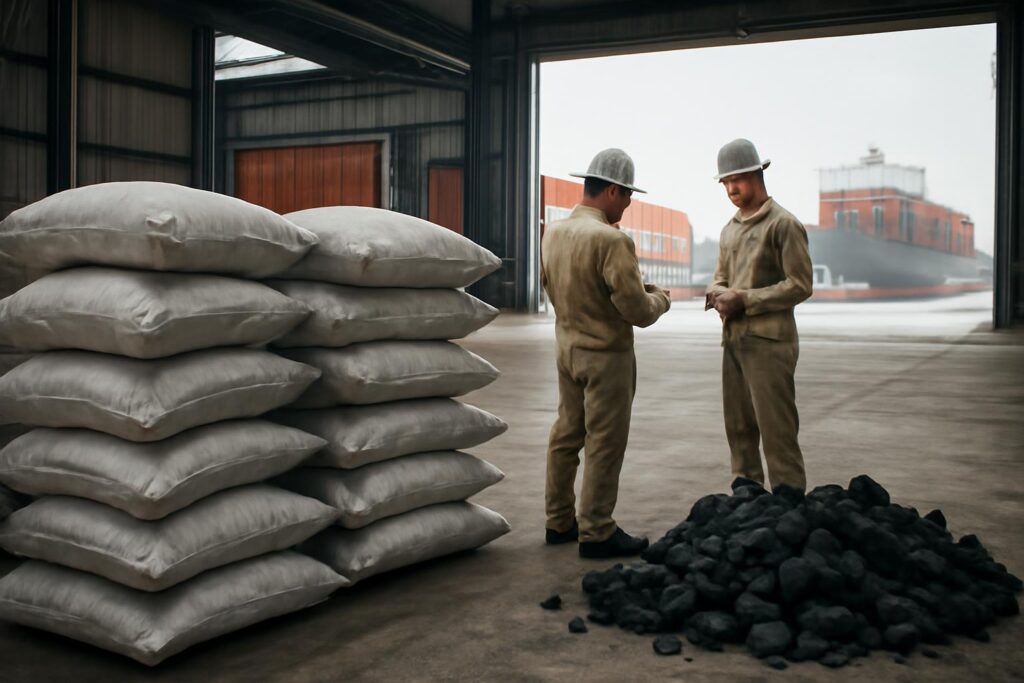
Vietnam Mangrove Charcoal import regulations depend on the destination country, the product’s plant-origin status, customs classification, and the evidence supporting legal sourcing. In most cases, importers need a commercial invoice, packing list, bill of lading, correct HS code, and any phytosanitary, fumigation, origin, or sustainability documents required locally. If you need to import confidently, this guide explains the compliance checks, document package, customs risks, and practical steps to prepare before shipment.
How Vietnam Mangrove Charcoal Import Regulations Work
Import rules for mangrove charcoal are not governed by one universal regulation. The exporter must meet Vietnam’s export requirements, while the importer must satisfy the customs, plant-health, environmental, product-safety, and trade rules of the destination market, including applicable EU charcoal safety warning label requirements. The first task is therefore to identify the importing country’s exact requirements before placing an order.
Product classification drives the first customs decision
Charcoal is commonly declared under HS code 4402, covering wood charcoal, including shell or nut charcoal. However, the precise tariff line can vary by country and by product form. Lump charcoal, briquettes, powdered charcoal, and activated carbon may be treated differently. Confirm the applicable charcoal HS code with a customs broker or the importing authority before issuing shipping instructions.
Accurate classification affects duty rates, statistical reporting, licensing checks, and the documents customs may request. An incorrect description such as “fuel” or “BBQ charcoal” without a detailed product specification can delay clearance and trigger reclassification, penalties, or unexpected duty assessments.
Plant-origin and biosecurity rules may apply
Although properly carbonized charcoal is often considered processed material with a lower plant-health risk than raw wood, some destinations still assess it under wood charcoal customs requirements or biosecurity rules. Authorities may ask for a phytosanitary certificate, a fumigation certificate, a treatment statement, or evidence that the cargo is free from bark, soil, insects, and unprocessed wood contamination.
Importers should not assume that charcoal is automatically exempt from agricultural inspection. Check the current rules with the destination country’s customs and plant-protection authorities, especially for Australia, New Zealand, the United States, the European Union, and other markets with strict border controls.
Legal origin matters for mangrove-based products
Mangrove material can receive heightened scrutiny because mangrove forests are environmentally sensitive. Importers should obtain clear evidence that the charcoal was made from legally sourced material and produced under applicable Vietnamese rules. For a broader product evaluation framework, review this Vietnam mangrove charcoal buying guide alongside your compliance review.
Good due diligence includes supplier identity, production location, input-material description, purchase records, permits where applicable, and a written declaration of legal origin. Keep these records accessible in case customs, a retailer, or an environmental regulator requests substantiation after import.
Required Documents and Product Information

A complete document package reduces the chance of cargo holds. The exact paperwork varies by destination and sales terms, but every shipment should be supported by documents that consistently identify the seller, buyer, product, quantity, packing, origin, and transport details.
Core commercial and transport documents
At minimum, importers typically need a commercial invoice, packing list, bill of lading or air waybill, purchase order, and customs declaration. The invoice should state the product as Vietnam mangrove charcoal with the correct product form, net and gross weight, unit price, total value, country of origin, and agreed Incoterm.
- Commercial invoice: confirms transaction value and product description.
- Packing list: shows bag counts, pallet details, weights, and container loading information.
- Bill of lading: provides transport and consignee details.
- Certificate of origin: may support preferential tariff claims where a trade agreement applies.
- Product specification sheet: confirms dimensions, moisture, ash, volatile matter, fixed carbon, and intended use.
Ensure weights and product names match across every document. Mismatches between the invoice, packing list, and bill of lading are a frequent reason for customs queries.
Origin, treatment, and inspection evidence
Depending on the market, the importer may need a certificate of origin for charcoal, phytosanitary documentation, fumigation evidence, or a declaration that the charcoal is fully carbonized and free from prohibited contaminants. Some buyers also require third-party test reports covering moisture, ash content, calorific value, odor, or spark behavior.
Do not create documents solely to satisfy a checklist. Every certificate must accurately match the shipment, including container number, production batch, species or feedstock description when required, and date of issue. False or inconsistent certificates can create customs, insurance, and contractual exposure.
Packaging and labeling information
Retail-ready charcoal may be subject to consumer labeling rules in the destination country. Labels can require net contents, country of origin, importer details, safe-use instructions, batch identification, and warnings appropriate for combustible goods. Bulk industrial shipments may have different requirements, but outer packaging should still identify the cargo clearly for handling and traceability.
Packaging must also protect the product from moisture and contamination during ocean transit. If your shipment is intended for grilling or food-related use, align the packaging and specification with the intended market segment. Understanding mangrove charcoal quality and uses helps buyers match documentation, packaging, and performance expectations.
Destination-Country Rules and Restricted Materials
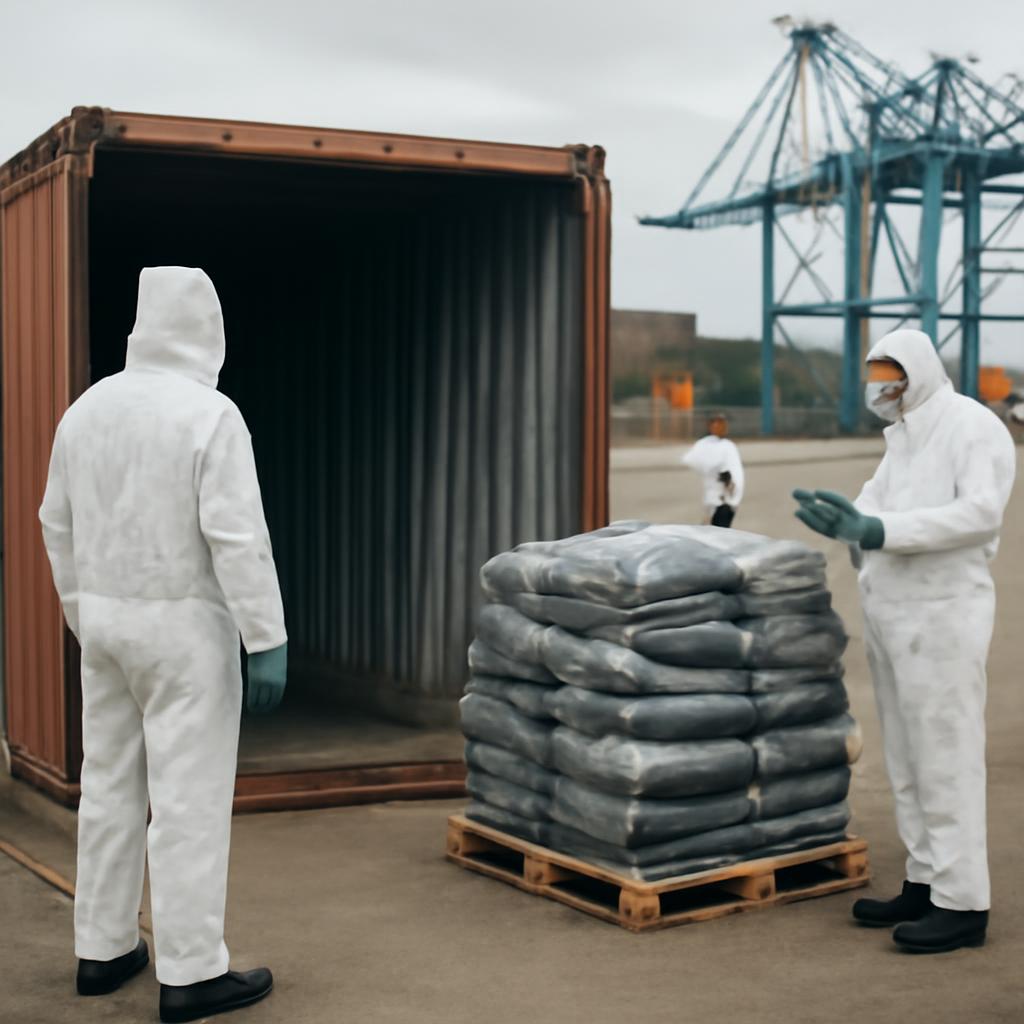
The destination country determines the final import conditions. Before production begins, verify tariff treatment, import permits, biosecurity restrictions, consumer product rules, and any sustainability or deforestation-related obligations that may apply to wood-derived goods.
Tariffs, trade agreements, and customs valuation
Duty on charcoal varies by importing market, tariff classification, and preferential origin status. A valid origin document may reduce or eliminate duty under an applicable trade agreement, but it does not replace normal customs entry requirements. Customs authorities can still review valuation, classification, origin, and related-party pricing.
Use a licensed customs broker to confirm the current tariff line and calculate landed cost before signing a contract. Landed cost should include product value, freight, insurance, duty, port charges, broker fees, inspection costs, storage risk, and local taxes.
Environmental due diligence and legality controls
Some markets impose strict legality and supply-chain due diligence obligations on wood-derived products. These requirements can evolve, so importers should verify whether their charcoal category, feedstock, and shipment date fall within any applicable timber, deforestation, or environmental reporting regime. The safest approach is to maintain traceable sourcing information from raw material through carbonization and export.
Ask suppliers for a documented chain of custody, production records, and legal-harvest support where relevant. Buyers seeking reliable sourcing criteria can use this guide to selecting Vietnam mangrove charcoal as a commercial reference, while still obtaining market-specific legal advice.
Hazardous-goods and transport considerations
Charcoal can present a self-heating or fire risk when improperly produced, insufficiently cooled, or packed while still hot. Carriers may impose additional conditions under dangerous-goods or cargo safety procedures, even where the product is not classified as dangerous goods for a particular shipment. Follow carrier instructions on cooling time, moisture control, ventilation, container loading, and declarations.
Never load freshly produced charcoal without confirming that it has been fully cooled and stabilized. A container fire or rejected booking can be far more costly than a short production hold. Obtain written confirmation from the supplier on cooling, storage, and pre-shipment loading controls.
A Practical Compliance Process for Importers
A disciplined pre-shipment process is the best way to manage Vietnam Mangrove Charcoal import regulations. Begin with the destination rules, document each decision, and do not release the shipment until the product, paperwork, and transport plan align.
Step 1: Confirm the product and destination requirements
Define the product precisely: lump charcoal or briquettes, bag size, intended use, raw-material description, expected moisture and ash levels, and annual volume. Then ask a customs broker or relevant authority to confirm the tariff classification, duty rate, permit needs, biosecurity conditions, labeling requirements, and whether a phytosanitary certificate for charcoal is required.
Document the response in a compliance file. Regulations and administrative interpretations can change, so a previous successful entry is useful evidence but not a guarantee that the next shipment will be treated identically.
Step 2: Vet the supplier and approve a sample batch
Perform supplier due diligence before paying a deposit. Request business registration details, export capability information, factory photographs, sample specifications, legal-origin declarations, production records, and references. For recurring orders, require batch-level traceability and retain inspection reports.
Approve a pre-production or pre-shipment sample against measurable standards. Check carbonization quality, moisture, ash, size distribution, dust level, odor, and packaging strength. A clear specification prevents the common problem of receiving charcoal that is commercially usable but inconsistent with the declared customs description.
Step 3: Audit documents before container loading
Before loading, compare every document against the purchase order and physical cargo. Confirm the HS code, product name, country of origin, number of bags, net weight, container number, seal number, consignee name, and invoice value. Request scans early enough to correct errors before the vessel departs.
A practical pre-shipment checklist includes:
- Destination-country import rules confirmed in writing.
- Correct charcoal HS code and duty treatment verified.
- Commercial invoice, packing list, and transport document aligned.
- Origin, treatment, plant-health, or legality documents prepared where required.
- Product inspection and packaging checks completed.
- Carrier cargo-safety conditions reviewed and followed.
Step 4: Retain records after customs clearance
Keep the full import file for the period required by the destination country. Store contracts, payments, shipping records, customs entries, certificates, test reports, supplier declarations, and communications. These records are essential if customs conducts a post-entry audit or if a commercial customer asks for sourcing evidence.
For high-value or repeat imports, obtain formal advice from a licensed customs broker, trade lawyer, or environmental compliance specialist in the destination market. This article is a practical overview, not a substitute for country-specific legal or customs advice.
Frequently Asked Questions
Do I need an import permit for Vietnam mangrove charcoal?
It depends on the destination country. Many markets allow entry with normal customs documentation, while others may require a plant-health permit, environmental review, or other import authorization. Confirm before shipment.
What HS code is used for mangrove charcoal?
Wood charcoal is commonly classified under HS heading 4402, but the exact subheading depends on the importing country and product form. Confirm the final code with a customs broker.
Is a phytosanitary certificate always required?
No. Fully carbonized charcoal may be exempt in some markets, but biosecurity authorities can still impose conditions. Check the current destination-country rule for your exact product.
Can a certificate of origin reduce import duty?
Yes, when the shipment qualifies under a relevant trade agreement and the required origin documentation is valid. It does not eliminate other customs, inspection, or safety requirements.
What is the main compliance risk for mangrove charcoal?
The main risks are incorrect classification, missing plant-health documents, weak proof of legal origin, inconsistent paperwork, and failure to meet carrier safety requirements for charcoal cargo.
