
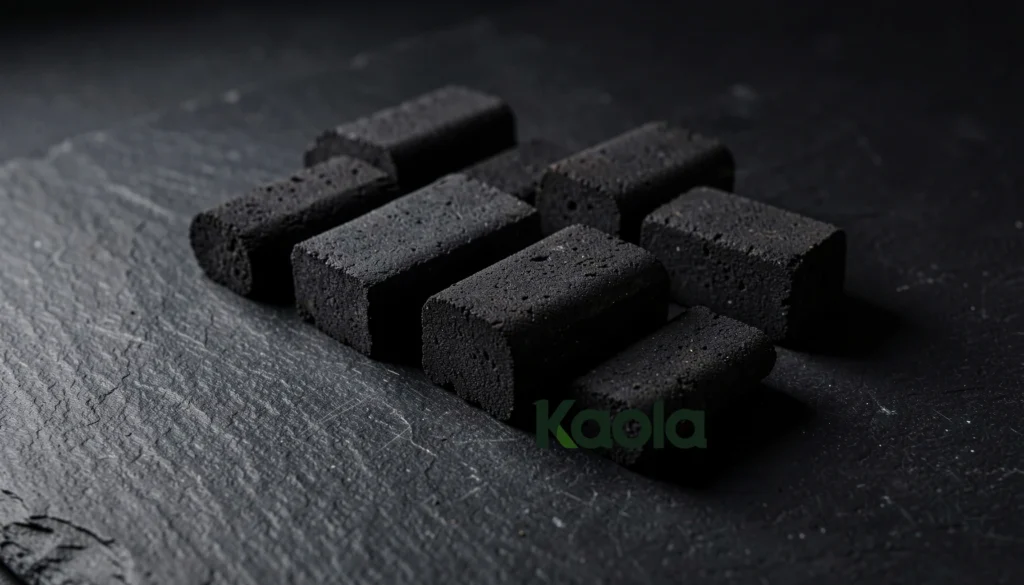
The charcoal labeling requirements EU importers should plan for include clear product identification, responsible business details, metric net weight, batch traceability, and prominent safe-use warnings. Packaging must also use the official language or languages of the destination market. The exact compliance file depends on the product, its claims, and the member state, so verify requirements before artwork approval and shipment.
What EU charcoal labeling covers in practice
EU charcoal labeling connects the package, the product’s safety information, and the shipment’s traceability documents. Charcoal is generally classified as wood charcoal under CN code 4402; it is sold as a solid fuel, not as food, unless specifically marketed for direct food contact.
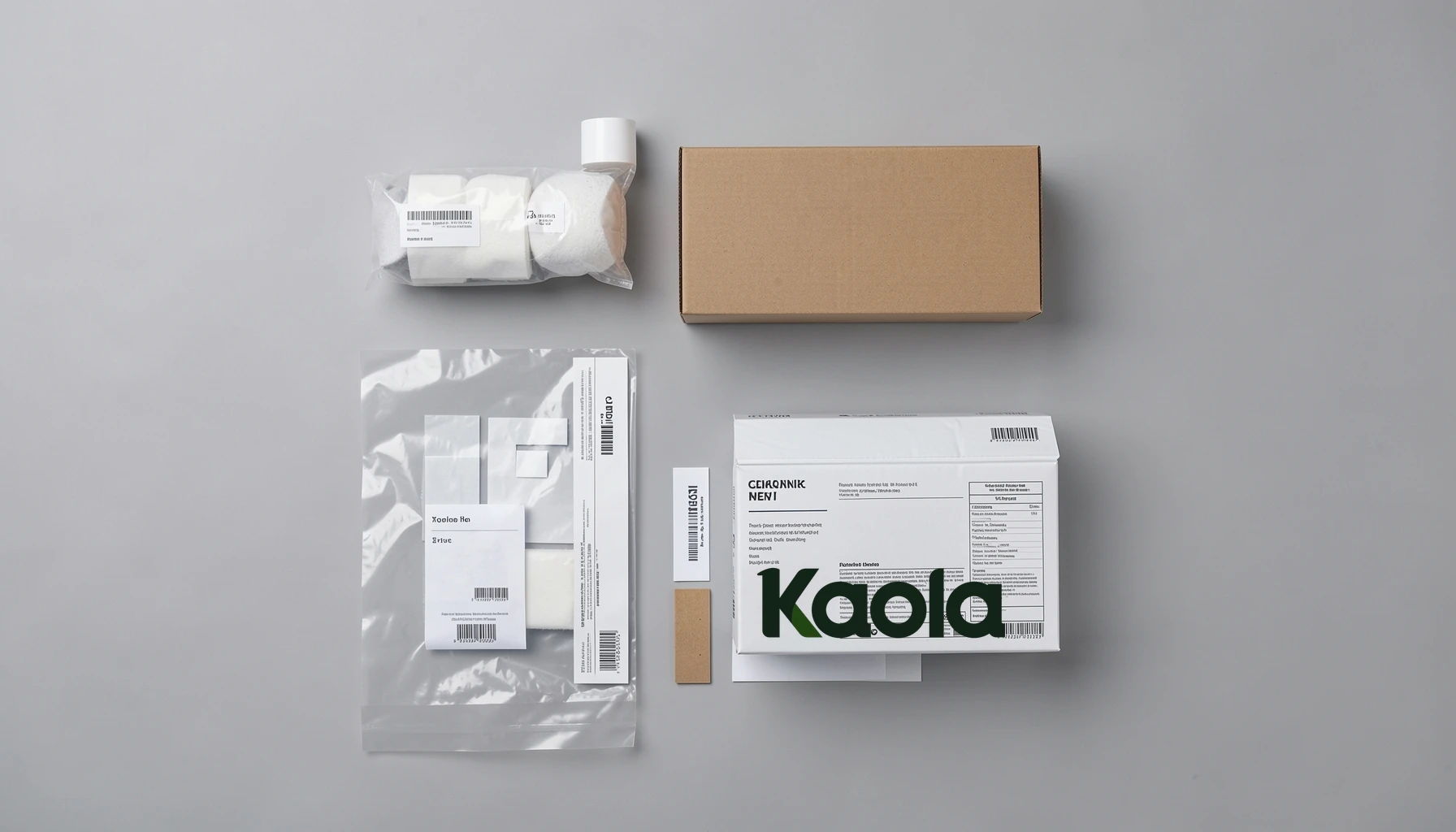
Product classification and intended use
The first labeling decision is how the charcoal is identified and intended to be used, such as Vietnam mangrove charcoal for industrial BBQ use. Packaging should name the product plainly—for example, “Binchotan White Charcoal,” “Coconut Shell Charcoal Briquettes,” or “Fuel for BBQ.” Product identity should match the material and form inside the package, including whether it is lump charcoal or briquettes.
Charcoal is generally classified under CN code 4402, covering wood charcoal, including shell or nut charcoal, whether or not agglomerated. Classification is a customs and product-identification starting point; it does not, on its own, determine every safety statement or labeling obligation.
Avoid presenting fuel as food or implying that it is “food grade” without the necessary basis. Charcoal intended for grilling is fuel. If a product is specifically marketed for direct food contact, additional assessment, including migration testing, may be required. The intended use and claims on the package should therefore be reviewed together, not treated as separate design decisions.
The package and documentation work as one system
A compliant label is only one part of an export shipment’s information architecture. Buyers and authorities may need to connect the package to the manufacturer or EU-based importer, the batch record, product test results, and transport documents.
The package communicates immediate information to the user: what the product is, who is responsible for it, how much it contains, and how to handle it safely. The batch or lot number connects those statements to production records and quality-control evidence. The shipment file supports logistics, customs review, and importer due diligence.
Charcoalkaola’s export experience in Vietnam highlights the practical value of keeping these elements consistent: product description, batch identification, technical data, and supporting documents should refer to the same product and shipment. An MSDS, test report, or certificate does not replace required package information, and a well-designed label cannot compensate for missing shipment documentation.
Who is responsible for checking the destination market?
The exporter, manufacturer, importer, and distributor each have a role in preparing a market-ready product. The manufacturer supplies accurate product and production information; the importer or distributor should verify a Vietnamese Binchotan manufacturer, confirm the rules that apply where the charcoal will be sold, and ensure the required local-language content is available.
There is no reason to assume that one English-language artwork file will suit every EU destination. Labels must use the official language or languages of the member state where the product is marketed. Requirements can also vary with product presentation, intended use, and applicable national rules.
For that reason, the phrase mandatory charcoal labeling requirements should be treated as a destination-specific compliance checklist rather than a universal artwork template. Before printing, confirm the language, safety wording, importer details, and any applicable chemical or product-safety obligations with the responsible importer and relevant authorities.
Label elements and shipment specifications to verify
A practical label checklist separates information printed on the package from evidence carried with the shipment. The following matrix helps teams review both layers before artwork release and dispatch.
Package information, safety statements, and traceability
| Element | What to check | Practical verification |
|---|---|---|
| Product identification | State the product type clearly, such as Binchotan white charcoal or coconut shell charcoal briquettes | Match the wording to the product form, material, and intended use |
| Manufacturer or importer | Provide the responsible company’s name and full address | Confirm the correct legal entity and address for the market |
| Safe-use warnings | Include carbon monoxide risk information, including “Do not use in confined spaces” or “Use only in well-ventilated areas” | Check that warnings are legible, prominent, and translated as required |
| Fire safety | Include relevant fire-safety cautions, such as keeping the product away from children and not using flammable liquids to ignite it | Ensure the statements suit the product and are visible on the package |
| Net weight | State the quantity in metric units, such as kilograms or grams | Check the declared quantity against the packaged product |
| Batch or lot number | Assign a traceable production identifier | Confirm the number can be linked to production and quality records |
| Language | Use the official language or languages of the destination member state | Have translations reviewed before printing |
| Customs classification | Generally use CN code 4402 for charcoal products in scope | Confirm the final classification with the importer or customs specialist |
| MSDS | Prepare safety information covering composition and fire-fighting measures | Ensure the document corresponds to the shipped product |
| Test reports | Provide relevant results, such as fixed carbon, ash, and calorific value | Identify the method used, such as an applicable ISO or ASTM method |
| Phytosanitary documentation | Confirm the applicable plant-health documentation for the product and route | Verify current destination and commodity requirements before shipment |
| Chemical and binder review | Check briquette ingredients and applicable REACH/CLP considerations | Do not assume every product has the same classification or obligations |
Technical claims must match the tested batch
A label may communicate product characteristics, but every claim should be supportable by product-specific evidence. Fixed carbon, ash content, and calorific value are common points of buyer review. Reports may use ISO or ASTM methods, while the appropriate method and acceptance criteria should be agreed with the importer rather than presumed to be identical for every shipment.
For example, Charcoalkaola’s product information describes some Binchotan products as having 85–95% fixed carbon and 2–3% ash, and certain sawdust briquettes as approximately 89% fixed carbon with 7,000–7,500 Kcal calorific value. These are product-line specifications, not blanket values for all charcoal. A package should not apply one product’s results to a different product or batch.
A useful pre-print check is to compare each numerical statement against the latest report for the relevant material and production lot. If the label includes a calorific-value claim, confirm that the actual batch has been tested to support it. Where a result changes by product or batch, use accurate, appropriately scoped wording rather than a generic claim that could mislead buyers.
Chemical and food-contact claims need careful boundaries
Charcoal is generally handled as a fuel, not as a food-contact article. Unless a product is specifically certified or otherwise assessed for direct food contact, use a clear fuel description such as “Fuel for BBQ” rather than “Food Grade.” The distinction helps prevent the package from suggesting a use that has not been established.
Chemical obligations should also be checked against the product’s composition and classification. Charcoal is often exempt from REACH registration, but that does not mean every formulation or claim is automatically exempt from chemical-safety review. For briquettes, examine binders and other ingredients and verify that they do not create a compliance issue. CLP labeling depends on applicable classification; do not add or omit hazard statements by copying another product’s artwork without checking the actual product.
A step-by-step workflow for export-ready packaging
A reliable export workflow begins with the destination market and ends with a physical verification of both the package and shipment file. Each approval gate should connect the label to the actual product, its test evidence, and the importer’s market requirements.
Step 1: Confirm product, destination, and intended use
Start by recording the product’s material, physical form, intended use, and destination country. Distinguish among white charcoal, black hardwood charcoal, coconut shell charcoal, and briquettes; these descriptions are not interchangeable. Confirm whether the product is sold as BBQ fuel, shisha fuel, or for another stated application.
Next, review the destination member state’s language requirements and relevant national rules. The fact that charcoal generally falls under CN code 4402 does not settle every question about the final label. The importer should confirm the applicable classification and any market-specific requirements, including whether national standards or additional documentation are relevant.
For products with an intended food-contact use, pause before approving artwork. Confirm what testing or certification is necessary for that claim. If the product is simply charcoal fuel for grilling, keep the package language aligned with that use and avoid unsupported “food grade” wording.
Step 2: Build and approve the label content
Prepare the label copy as a controlled checklist before creating final packaging artwork. Include:
- Product name and form, stated clearly and accurately.
- Manufacturer or importer name and full address, using the responsible entity’s verified details.
- Metric net weight and a batch or lot number.
- Carbon monoxide and ventilation warnings, together with relevant fire-safety cautions.
- Destination-language versions of all required information.
- Any technical claims, limited to values supported by applicable test evidence.
Have the importer or a qualified reviewer check the translated warnings and destination-market details. Artwork should not be considered approved merely because it looks complete in English. For private-label products, coordinate approval with the manufacturer before production or packaging so that the right version is applied to the right product.
Step 3: Match documents to the shipment
Compile the documents requested or required for the shipment and confirm that each identifies the correct product. The export file may include an MSDS covering chemical composition and fire-fighting measures, product test reports, a phytosanitary certificate where applicable, and commercial and customs documents.
Check report scope carefully. A test report for a different charcoal type, production batch, or specification may not substantiate the claims on the current package. Similarly, the batch number printed on the label should be traceable to the relevant production and quality records.
Phytosanitary requirements should be confirmed for the commodity, processing status, and destination rather than assumed from a previous shipment. The fact-sheet checklist identifies phytosanitary certification as part of the export documentation to prepare; the exporter and importer should still verify the current official requirement for the specific consignment.
Step 4: Inspect the packed product before dispatch
Before release, compare the approved artwork against the physical package. Confirm that the product description, net weight, batch code, addresses, and warnings are present, legible, and consistent with the approved language version. Check that the package contains the product described and that the batch identifier matches the shipment records.
Then compare all technical claims against the correct test reports. If the packaging claims a specific calorific value, fixed-carbon percentage, or ash percentage, ensure that the evidence covers the product and batch being shipped. Record the final artwork version and inspection outcome so that any later question can be traced to the exact packaging used.
Common pitfalls, practical examples, and 2026 planning
Most avoidable labeling problems arise from a mismatch: between a claim and a test, between a label and its translation, or between a batch code and its documents. The best controls are simple, documented approval steps that catch those mismatches before goods leave the factory.
Pitfalls and how to prevent them
Using English-only packaging is a common planning error. A label intended for a particular EU member state should be reviewed for that market’s official language requirements. Arrange translation and review before printing rather than relying on an importer to add information after production.
Treating a test value as universal can also create problems. Fixed-carbon, ash, and calorific-value results should be connected to the relevant product and supported by test reports. Avoid copying figures from a previous product specification or shipment without checking whether the same material and batch are covered.
Leaving out traceability information weakens the link between the package and its production record. A lot number should be clearly printed and usable in quality-control systems. Define how the code maps to production details before the first shipment, then test that link during the pre-dispatch review.
Finally, avoid unsupported food-contact or environmental claims. “Food grade” should not be used simply because the charcoal is intended for BBQ use. Likewise, describe coconut-shell charcoal or other materials accurately; do not add claims that are not supported by the product’s evidence and the applicable rules.
Two practical review examples
Consider a shipment of coconut shell charcoal briquettes for retail BBQ use. The label should identify the product as fuel, show metric net weight and a batch number, include the responsible manufacturer or importer details, and carry the required safe-use warnings in the destination language. The accompanying documentation should match the product and include relevant test and safety information. Charcoalkaola’s overview of coconut shell charcoal can help buyers distinguish this product type from other charcoal categories, but label claims still need shipment-specific evidence.
For a Binchotan white charcoal shipment to a professional grilling distributor, the exporter should verify that the product description and any fixed-carbon or ash claims match the relevant test report. The package remains a fuel package; premium positioning does not make it “food grade.” In both examples, approval should be based on the actual destination, product, packaging format, and evidence—not on a label file copied from another market.
Enterprise controls and the 2026 outlook
For 2026 planning, importers and manufacturers should treat labeling as a controlled production input rather than a final graphic-design task. Maintain a master record for each product covering approved descriptions, warning text, translations, responsible-party details, test evidence, and artwork revision. A change to formulation, product type, destination, or claim should trigger a review before the next print run.
Large buyers may standardize their supplier onboarding around traceability, lab reports, and shipment documentation. Charcoalkaola’s experience with export supply from Quang Tri Province supports a practical principle: keep production data, batch identification, test reports, and package claims aligned, and make the supporting documents available for review before shipment.
There is no single percentage benchmark that can replace a destination-specific legal check. Instead, use measurable internal controls: confirm every required label field, verify every numerical claim against the correct report, and reconcile every batch code with its records. This approach supports repeatable procurement across BBQ distributors, shisha suppliers, restaurants, and other commercial users without treating a previous approval as automatic approval for a new product or market.
FAQ
What information should appear on charcoal packaging for sale in the EU?
At a minimum, plan for a clear product description, the manufacturer’s or EU importer’s name and full address, net weight in metric units, a batch or lot number, and appropriate safe-use warnings. Include carbon monoxide and ventilation warnings, plus relevant fire-safety cautions. Labels must use the official language or languages of the destination member state. Confirm additional obligations for the specific product, claims, and market before artwork is finalized.
Does every charcoal product need CLP hazard pictograms?
Not automatically. CLP requirements depend on the product’s applicable classification and composition, so pictograms or other hazard elements should not be copied from a different charcoal product without review. Charcoal is generally a solid fuel, but the exact product and any ingredients—particularly binders in briquettes—should be assessed. Ask the responsible importer or a qualified compliance professional to verify the applicable classification and label elements for the product being placed on the market.
Is charcoal for grilling “food grade” in the EU?
No such assumption should be made simply because charcoal is used to cook food. BBQ charcoal is normally presented as fuel. Unless the product is specifically assessed or certified for direct food contact, avoid “food grade” claims and use wording such as “Fuel for BBQ.” If direct food-contact use is intended, identify the applicable requirements and testing, including any necessary migration assessment, before making the claim or approving packaging.
Which documents should accompany an EU charcoal shipment?
Prepare an MSDS with relevant composition and fire-fighting information, applicable test reports, and the commercial and customs documents for the shipment. Phytosanitary documentation may also be required; confirm the current requirement for the commodity, processing status, and destination rather than assuming every route has identical rules. Ensure documents identify the correct product and that test results support any values printed on the label. The importer should confirm any additional destination-specific documentation before dispatch.
