
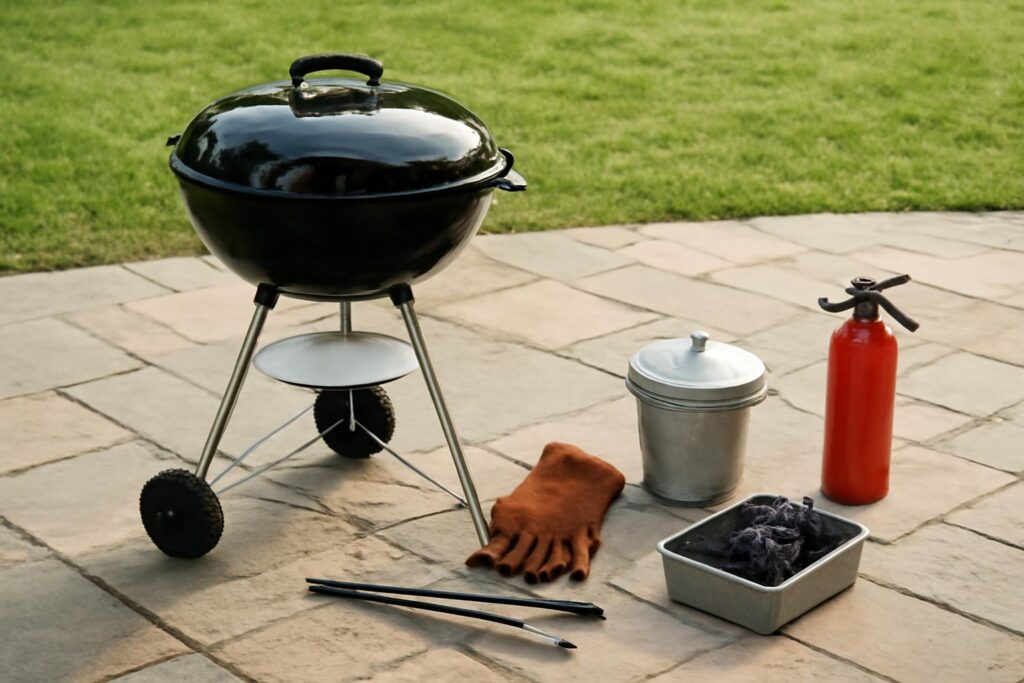
To light Vietnam Mangrove Charcoal safely, use a stable outdoor grill, a chimney starter or natural firelighter, and keep water or a fire extinguisher within reach. Never use gasoline, alcohol, or charcoal fluid on hot coals. If you want dependable heat without dangerous flare-ups, this guide covers safe setup, lighting methods, temperature control, and proper shutdown from start to finish.
Prepare a Safe Charcoal Lighting Area
Safe grilling begins before the first spark. Place your grill or brazier outdoors on a flat, non-combustible surface, well away from dry leaves, wooden walls, vehicles, overhead branches, and busy walkways. Good airflow is essential because burning charcoal produces carbon monoxide, an odorless gas that can be deadly in enclosed or partially enclosed spaces.
Choose the right outdoor location
Keep the cooking unit on concrete, stone, compacted soil, or another heat-resistant base. Avoid balconies, tents, garages, sheds, and indoor kitchens unless the appliance is specifically designed and professionally vented for charcoal use. Maintain a clear safety zone around the grill so children, pets, and loose clothing cannot contact hot metal or embers.
Before lighting, inspect the grill for cracked legs, blocked vents, accumulated ash, or damaged grates. Open the vents fully to support clean ignition and consistent airflow. A clean fire bowl helps prevent ash from restricting oxygen and makes safe charcoal grilling easier to control.
Gather essential safety equipment
Use long-handled tongs, heat-resistant gloves, a metal ash container with a lid, and a grill brush. Keep a fire extinguisher rated for ordinary combustibles nearby; a bucket of dry sand is also useful for containing small ember spills. Water can cool a fire in an emergency, but pouring it into a hot grill may create steam and scatter ash.
- Use dry, untreated charcoal and natural firelighters.
- Wear close-fitting clothing and tie back long hair.
- Keep a clear route away from the grill in case conditions change.
- Check local fire restrictions before cooking outdoors.
Select clean, dry charcoal
High-quality mangrove charcoal should be dry, hard, and free from chemical odors, paint, or plastic contamination. Its dense structure can provide long-lasting, even heat when it is lit correctly. For product characteristics, cooking applications, and selection standards, review this Vietnam mangrove charcoal buying guide before stocking up.
Light Mangrove Charcoal With a Chimney Starter
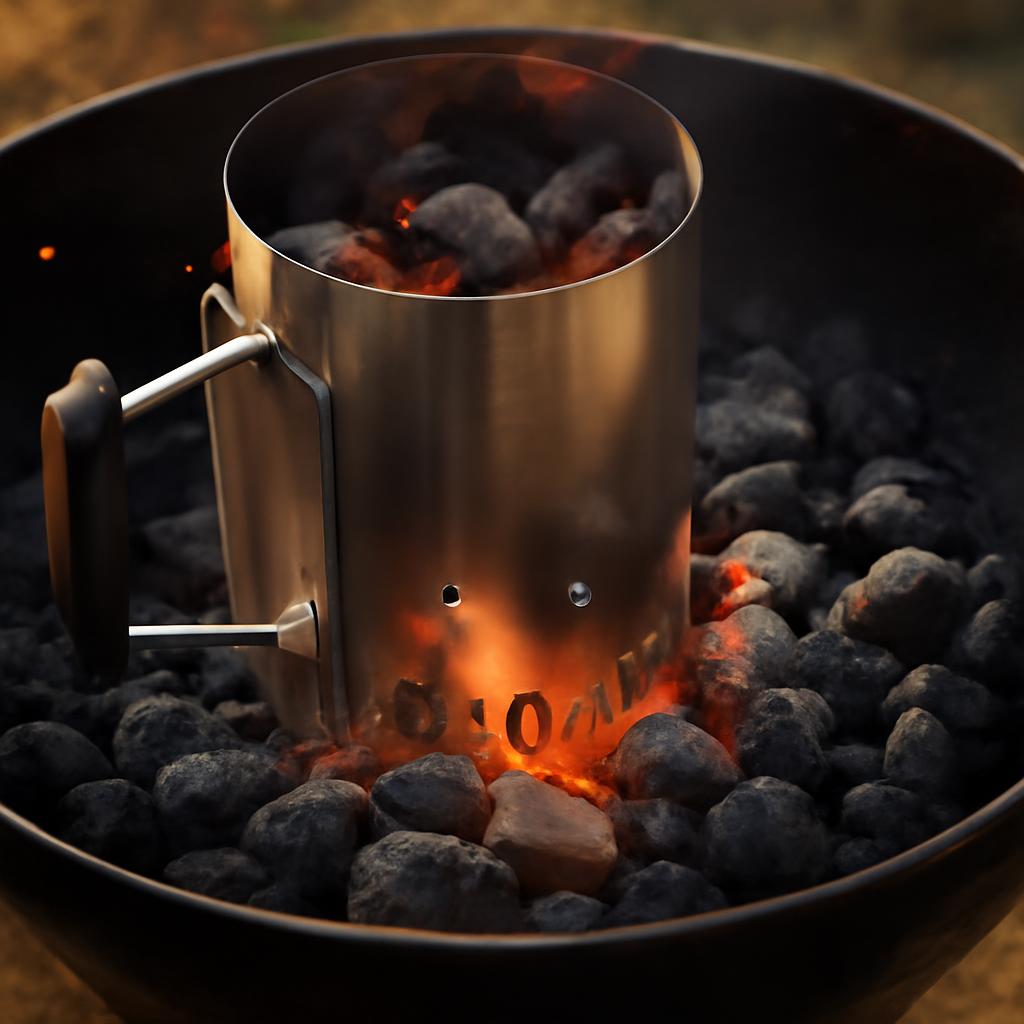
A chimney starter is the most reliable way to light Vietnam Mangrove Charcoal safely because it uses natural draft rather than volatile liquids. The method creates an even bed of glowing coals and reduces the risk of chemical taste, sudden flames, and uncontrolled flare-ups.
Set up the chimney starter
Place the chimney on the charcoal grate or another heat-safe surface inside the grill. Fill it with enough lump charcoal for your cooking session, leaving room for air to circulate. Put one or two natural firelighter cubes, loosely crumpled plain paper, or a small amount of untreated kindling beneath the chimney.
Light the material from the side opening using a long match or grill lighter. Keep your face and hands away from the opening, then step back and allow the draft to do the work. Do not add lighter fluid, kerosene, gasoline, alcohol, or aerosol products; these can flash, contaminate food, and cause severe burns.
Wait for complete ignition
Allow approximately 15 to 25 minutes for the coals to ignite, depending on charcoal size, weather, and airflow. The top pieces should show a light gray ash coating and a warm orange glow beneath. If only the bottom layer is burning, wait longer rather than shaking the chimney aggressively.
When ready, put on heat-resistant gloves, lift the chimney by its insulated handle, and slowly pour the coals onto the charcoal grate. Spread them with long tongs into an even layer for direct cooking or bank them to one side for a two-zone grill setup. This controlled approach is central to a reliable charcoal chimney starter method.
Use a natural firelighter as an alternative
If you do not have a chimney starter, build a small loose charcoal mound around one or two natural firelighters. Leave gaps between pieces so oxygen can reach the flame. Light the firelighter, let the center coals establish, then add more charcoal gradually instead of burying the flame under a heavy load.
Dense hardwood charcoal rewards patience. Once the coals are evenly lit, its steady performance makes it suitable for grilling, roasting, and longer cooking sessions. Learn how charcoal density affects cooking results in this overview of mangrove charcoal uses and quality.
Manage Heat Safely for Cooking
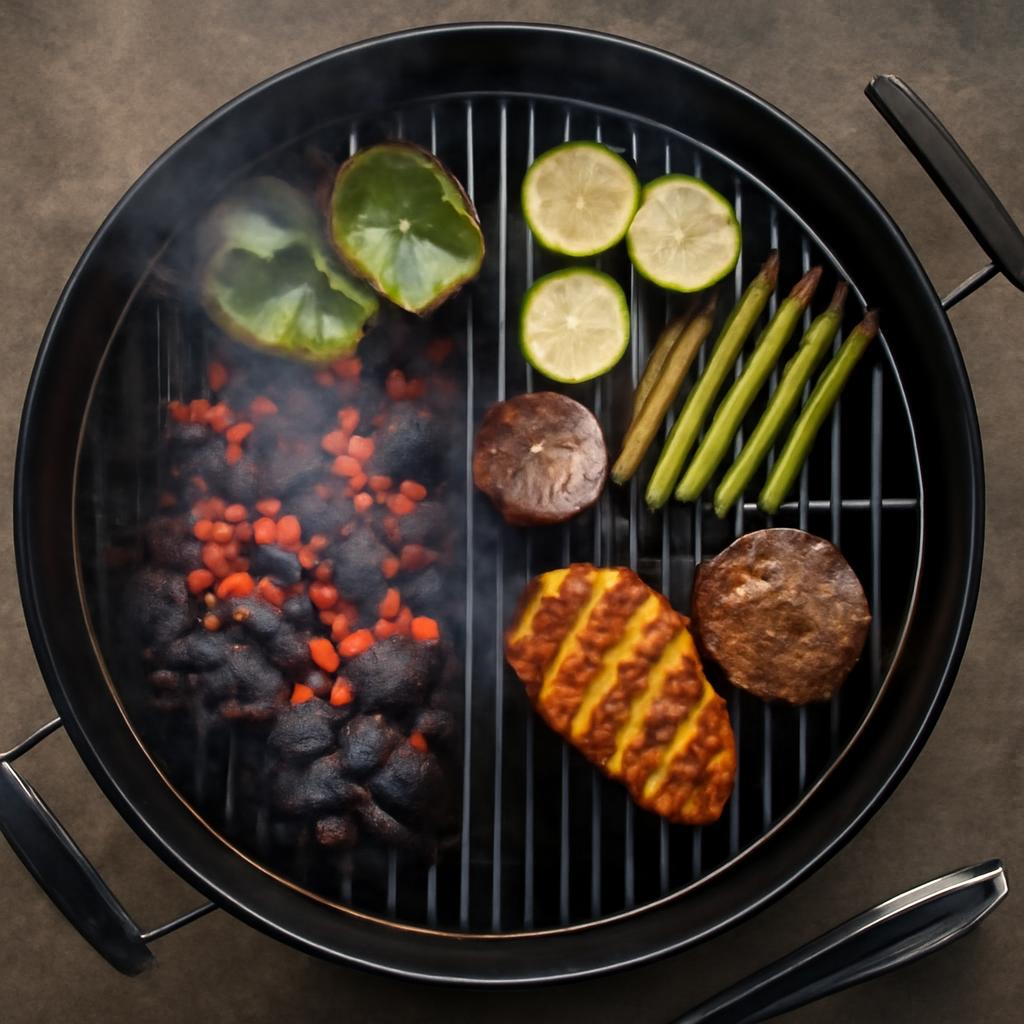
After ignition, safe cooking depends on controlling oxygen, spacing, and fat exposure. Arrange the charcoal according to the food you are preparing, monitor the grill continuously, and avoid treating a charcoal fire as unattended background heat. Even stable coals can flare when grease reaches them.
Build direct and indirect heat zones
For steaks, skewers, and quick-cooking vegetables, spread a portion of the coals beneath the cooking grate for direct heat. For chicken, thick cuts, ribs, or foods that need longer cooking, bank the coals on one side and cook over the empty side with the lid closed. This two-zone method gives you a cooler refuge when flames rise.
Use the vents to adjust airflow in small increments. More open vents generally increase combustion and heat, while partially closing them slows the burn. Never close all vents while actively cooking unless your grill instructions specifically require it, because incomplete combustion can create heavy smoke and unstable temperatures.
Prevent flare-ups and burns
Trim excessive surface fat, avoid dripping oily marinades directly over the hottest coals, and keep a clean section of grate available for moving food. If a flare-up occurs, move the food to indirect heat and close the lid briefly to reduce oxygen. Do not spray water on hot grease, as this may spread burning oil and send ash onto food.
Use tools rather than hands to reposition food, grates, or coals. Open the lid slowly and stand to one side so heat and smoke vent away from your face. A thermometer is useful for both grill temperature and food safety, especially when cooking poultry, burgers, or large cuts.
Know when coals are ready
Cooking should begin when the charcoal is mostly gray on the surface, glowing steadily underneath, and no longer producing thick black smoke. This stage delivers more predictable heat and cleaner flavor. Understanding proper readiness is part of choosing and using quality charcoal for grilling with confidence.
Add fresh charcoal only when needed, placing it beside—not directly on top of—established coals whenever possible. Give new pieces time to catch before placing delicate food over them. For extended cooks, add small batches to avoid abrupt temperature spikes.
Extinguish, Clean Up, and Store Charcoal
Proper shutdown is just as important as ignition. Charcoal can remain hot for many hours, and hidden embers may ignite trash, decks, dry vegetation, or storage containers. Plan for the full cooling period before you leave the cooking area.
Close down the grill correctly
When cooking is finished, remove the food, close the lid, and close the intake and exhaust vents if your grill design allows it. Limiting oxygen gradually starves the coals and preserves any unburned pieces for a later session. Do not carry or dump hot charcoal into a bin, garden bed, or plastic container.
Leave the grill untouched until the charcoal and ash are completely cold. Depending on the amount of fuel and grill design, this can take 24 hours or longer. Treat ash as hot until you have confirmed otherwise by touch only after sufficient cooling time and with protective gloves.
Dispose of ash without creating a fire risk
Once fully cold, transfer ash and spent charcoal into a metal container with a tight-fitting lid. Store that container outdoors on a non-combustible surface until disposal. Never place ash in cardboard, paper bags, plastic bins, or household waste while there is any possibility of retained heat.
Clean the grill grate after it has cooled, remove ash from the fire bowl, and inspect vents for blockage. Regular cleaning supports better airflow and helps each future mangrove charcoal lighting session start more evenly.
Store unused charcoal properly
Keep unused charcoal in a dry, sealed container away from moisture, direct rain, ignition sources, and chemicals. Damp charcoal is harder to light and may create excess smoke as it dries over the fire. Store fuel out of reach of children and away from areas where sparks or open flames are used.
If weather becomes windy, extremely dry, or restricted by local fire rules, postpone charcoal cooking. Safe decisions before, during, and after grilling protect people, property, and the quality of the meal.
Frequently Asked Questions
Can Vietnam Mangrove Charcoal be used indoors?
No. Use it only outdoors in a well-ventilated area. Burning charcoal produces carbon monoxide and must never be used in homes, garages, tents, or enclosed spaces.
Is lighter fluid safe for mangrove charcoal?
It is best to avoid lighter fluid entirely. A chimney starter, natural firelighter, or untreated kindling provides a safer, cleaner way to ignite charcoal.
How long does mangrove charcoal take to light?
With a chimney starter, most loads are ready in about 15 to 25 minutes, once the upper coals are lightly ash-covered and the center is glowing.
What should I do if charcoal flares up?
Move food away from direct heat, close the lid briefly to limit oxygen, and wait for the flame to settle. Do not spray water onto grease flames.
How do I know charcoal ash is safe to discard?
Wait until the grill has cooled completely, usually at least 24 hours. Put cold ash in a metal container with a lid before disposal.
