
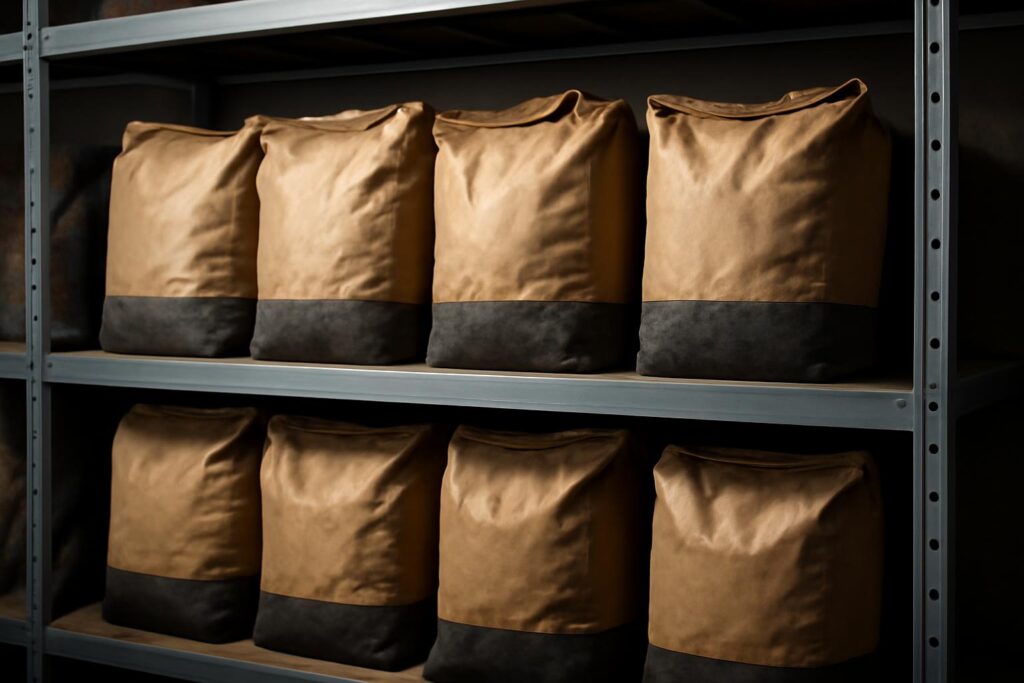
Vietnam Mangrove Charcoal retail packaging must keep briquettes or lump charcoal dry, clean, durable in transit, and easy for shoppers to understand at a glance. The right retail pack protects product quality while strengthening shelf appeal and buyer trust. If you need a practical packaging brief, this guide explains material choices, pack sizes, barrier features, labeling priorities, and quality checks for retail distribution.
Why Retail Packaging Matters for Vietnam Mangrove Charcoal
Retail packaging is not simply a container. It is a product-protection system and a sales tool that influences whether charcoal arrives usable, looks credible on the shelf, and is easy for consumers to carry home. For Vietnam mangrove charcoal, the package should control moisture exposure, contain dust, resist punctures, and preserve the clean, premium appearance expected in barbecue and foodservice retail channels.
Protecting performance from warehouse to grill
Charcoal can absorb moisture during storage and transport, which may make ignition slower and create excess smoke. A properly specified moisture-proof charcoal bag reduces this risk by using a suitable barrier layer, strong seals, and a format appropriate for local humidity and handling conditions. The goal is to keep the product stable from packing line to point of use.
Package strength also matters because sharp charcoal edges can puncture weak material. A torn bag creates product loss, dust, poor merchandising, and customer complaints. Retailers should ask suppliers to verify burst resistance, seam integrity, drop performance, and load capacity before approving a format for wide distribution.
Building confidence at the point of sale
Consumers cannot always evaluate charcoal quality through an opaque bag, so packaging must communicate the essentials clearly and honestly: product type, net weight, intended use, storage guidance, safety warnings, and origin information where applicable. These details turn a package into a useful buying aid rather than a simple wrapper.
For broader sourcing and product-selection context, review this Vietnam mangrove charcoal buying guide. It helps retail teams match packaging claims with the product’s actual quality profile and end-use expectations.
Reducing losses across the supply chain
A retail-ready charcoal pack should be designed around its real route to market: pallet stacking, container shipment, warehouse storage, store replenishment, and consumer handling. If bags are likely to be stacked high or moved repeatedly, stronger outer layers and carefully engineered seams are more valuable than a low upfront material cost.
Consider using master cartons or shrink-wrapped bundles for added protection when individual bags travel long distances. This approach can reduce scuffing, pinholes, and crushed corners while making inventory handling more orderly.
Selecting the Right Retail Bag and Format
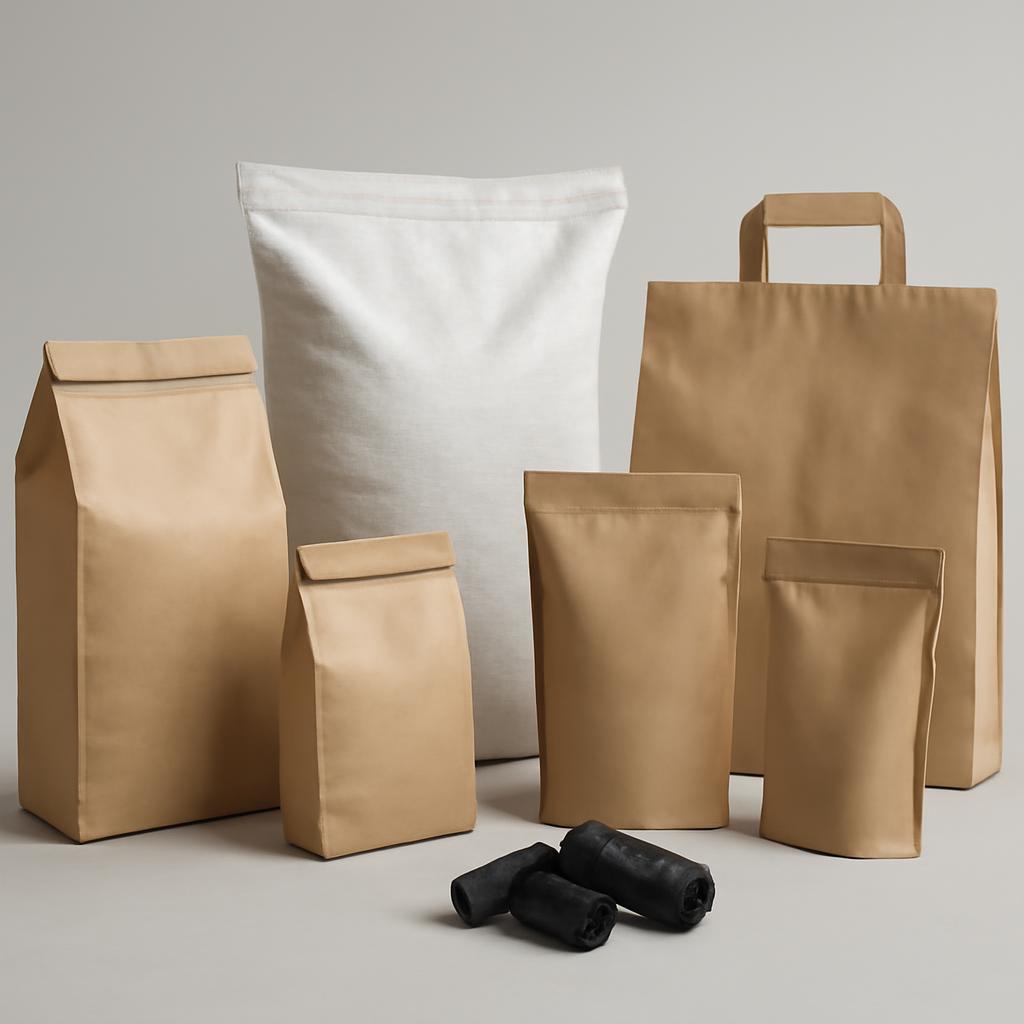
The best format depends on charcoal type, retail channel, target price point, and expected customer behavior. A compact bag may suit convenience retail and occasional grilling, while larger packs work better for warehouse clubs, specialty barbecue stores, and households that grill frequently.
Popular pack sizes for retail buyers
Common retail weights include 1 kg, 2 kg, 3 kg, 5 kg, and 10 kg. Smaller packages lower the trial barrier and are easier to carry, while larger packs often provide a better value perception. Before finalizing a size, compare shelf dimensions, retailer requirements, shipping costs, and the expected purchase frequency of the target market.
- 1–2 kg: travel, camping, trial purchases, and convenience sales.
- 3–5 kg: mainstream home grilling and supermarket shelves.
- 8–10 kg: high-volume home use, specialty retail, and value-oriented shoppers.
Choosing materials for durability and presentation
A charcoal packaging bag may use multiwall kraft paper, woven polypropylene, laminated polypropylene, or a hybrid construction. Kraft paper offers a natural, premium visual identity, while woven polypropylene provides strong tear resistance. Laminated structures can improve moisture protection and print quality, but material selection should also account for recycling options in the destination market.
For premium barbecue charcoal packaging, a reinforced paper exterior combined with an internal moisture barrier can balance presentation and protection. For rugged wholesale-to-retail distribution, woven material with a sealed inner layer may be more suitable. The right solution is the one that survives the supply chain without overengineering the pack.
Functional features shoppers notice
Useful features include carry handles, resealable closures, easy-tear openings, reinforced bottoms, and side gussets that let the pack stand upright. A handle should be tested under a fully loaded weight, while a resealable feature must not compromise moisture resistance or create unnecessary manufacturing complexity.
Transparent windows can help shoppers inspect charcoal size, but they should be used carefully. A window may expose the product to light and can become a weak point if poorly integrated. For many brands, clear product specifications and high-quality visual presentation offer a more reliable alternative.
Packaging Specifications That Protect Charcoal Quality
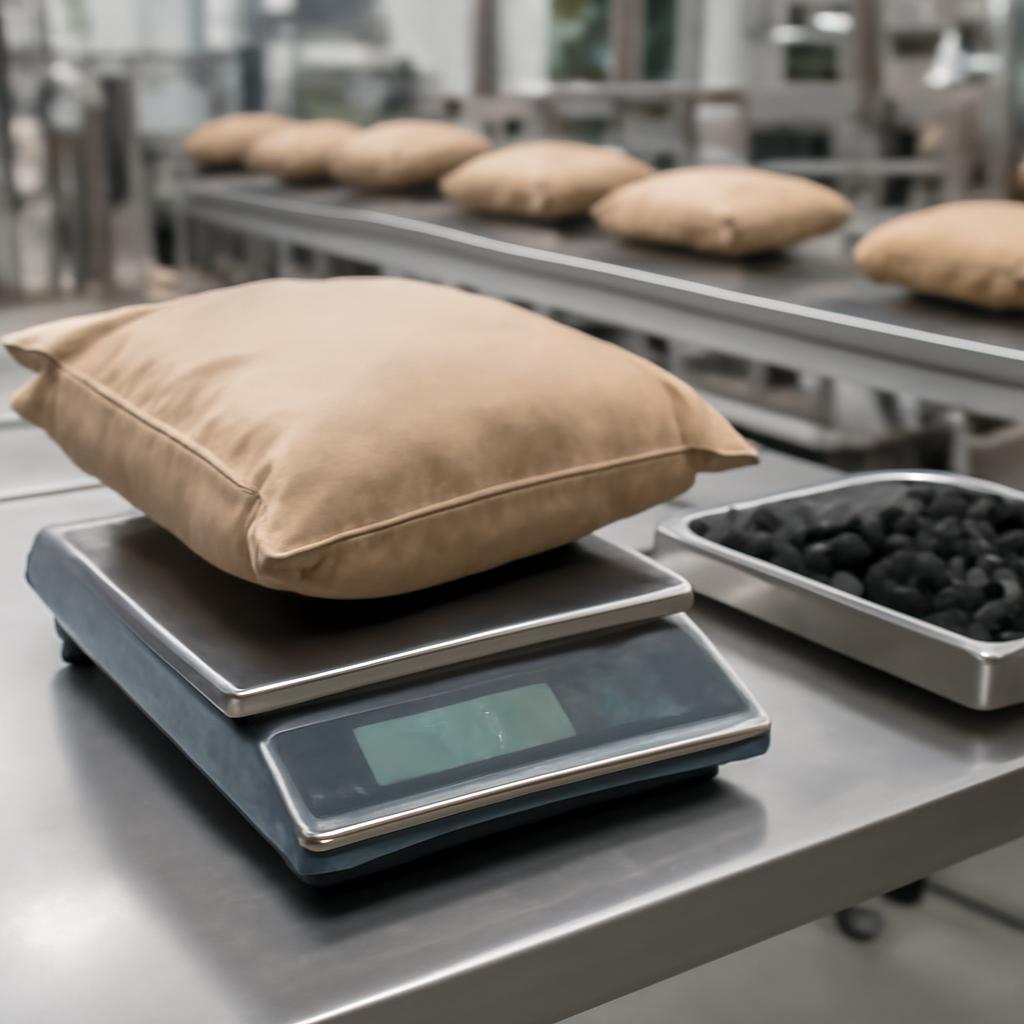
Clear specifications prevent misunderstandings between charcoal producers, packaging suppliers, and retail buyers. A retail pack should define its net weight tolerance, material structure, dimensions, seal method, printing requirements, acceptable defect rate, and performance standards before production begins.
Moisture, dust, and contamination control
Vietnam mangrove charcoal should be packed only after it has cooled fully and reached the agreed moisture level. Packing warm charcoal can create condensation inside the bag, while insufficient screening can leave excessive fines that make the product appear low grade. A reliable process combines cooling, size sorting, dust management, weighing, and immediate sealing.
Specify an inner liner or lamination when the destination has humid storage conditions. The package should also protect against external contaminants, especially where bags may be stored near chemicals, food products, or strongly scented goods. Good packaging preserves both performance and the clean smell expected from quality grilling charcoal.
Weight accuracy and pack integrity
Use calibrated scales and routine check-weighing to maintain declared net content. Retail buyers commonly require consistent weights, and repeated underweight packs can cause compliance problems and damage trust. Overfilling may seem safer, but it can quietly erode margins at scale.
Every production run should include seal inspections, visual checks, and practical handling tests. A basic test plan can include drop testing, compression testing, abrasion checks, and a short-term humidity exposure assessment. Documenting results provides a stronger basis for approving or improving a retail charcoal bag design.
Information that belongs on the package
Information requirements vary by country, but most retail packs benefit from clear product identification, net weight, country of origin, usage instructions, storage advice, safety warnings, batch or lot traceability, and distributor details where required. Avoid unsupported environmental or performance claims; every claim should be verifiable.
Buyers seeking a complete understanding of product characteristics can consult this mangrove charcoal quality and uses overview. It is especially useful when writing accurate product descriptions and selecting claims that align with the charcoal’s intended application.
Designing a Retail-Ready Charcoal Pack
A successful retail design makes the product easy to identify in seconds without overwhelming the shopper. Build the front panel around the product name, charcoal format, key practical benefit, net weight, and a clear visual hierarchy. The back panel can carry instructions, warnings, storage guidance, and technical details.
Create a clear shelf hierarchy
Start with the information a buyer needs most: what the charcoal is, how much is inside, and what it is suitable for. Keep contrast strong enough for in-store viewing and make essential safety guidance easy to find. The design should remain legible even when bags are stacked or partially obscured on a shelf.
For an export charcoal packaging program, make room for market-specific compliance elements without disrupting the core design. Creating a flexible artwork system can reduce revision costs when the same product is sold across several regions.
Use claims responsibly
Claims such as long-burning, low smoke, natural hardwood, or restaurant-grade should be supported by product testing, sourcing records, or clearly defined internal standards. Vague superlatives can invite customer disappointment, while specific and substantiated benefits create stronger long-term credibility.
Where sustainability is part of the brand proposition, communicate it carefully. Recyclability, responsible sourcing, and reduced-plastic statements should reflect the actual package construction and available collection systems. Responsible messaging is more persuasive than broad claims that consumers cannot verify.
Prepare for retail approval and repeat orders
Before launching, submit a complete sample set that includes filled bags, color proofs, specification sheets, pallet configuration, and test results. Retail buyers often assess both visual standards and operational readiness, so a professional approval package can shorten the path to listing.
Packaging is only one part of a dependable offer. Pair it with consistent charcoal grading, accurate fill weights, and stable lead times. For a wider framework covering selection, use cases, and purchasing decisions, use this guide to buying Vietnam mangrove charcoal.
Frequently Asked Questions
What is the best material for retail charcoal bags?
Multiwall kraft paper, woven polypropylene, and laminated hybrid bags are common choices. The best option depends on required strength, moisture protection, print finish, budget, and local recycling expectations.
What retail pack size sells best?
There is no universal size, but 3 kg and 5 kg packs often suit mainstream household grilling. Smaller packs encourage trial purchases, while 8–10 kg packs appeal to frequent users and value-focused shoppers.
How can packaging keep charcoal dry?
Use a suitable moisture barrier, strong seals, dry packing conditions, and protected storage. The product must be completely cooled before bagging to avoid internal condensation.
Should charcoal packaging include a handle?
A handle can improve convenience for heavier retail packs, particularly 5 kg and above. It must be engineered and tested to carry the full product weight safely.
What details should appear on Vietnam mangrove charcoal retail packaging?
Include product type, net weight, origin information where applicable, usage directions, storage instructions, safety warnings, traceability details, and any legally required market-specific information.
