
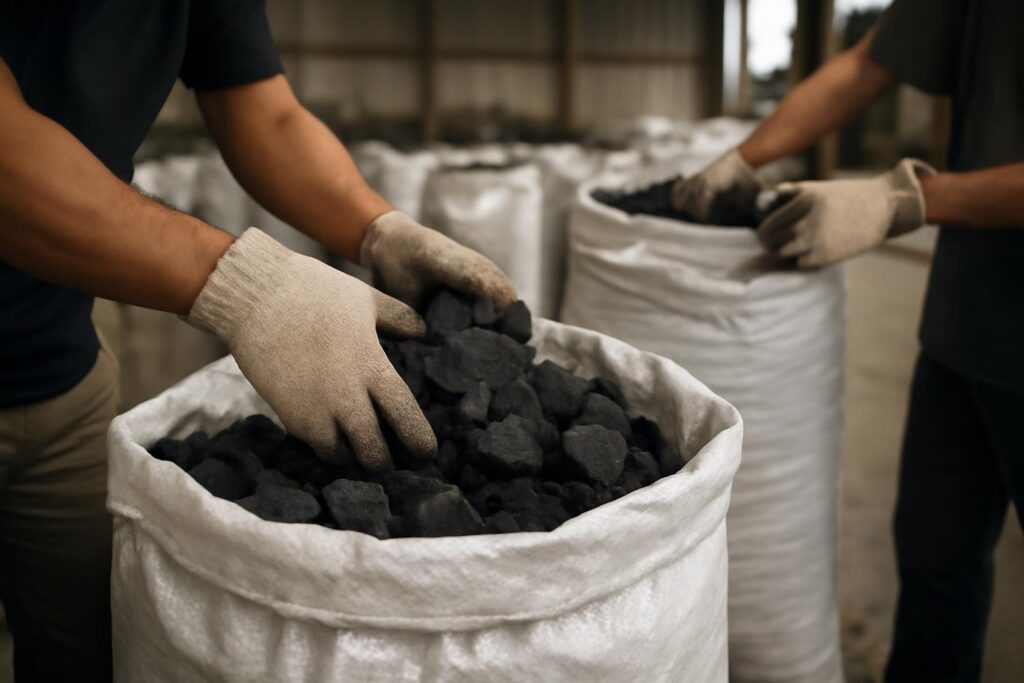
Vietnam Mangrove Charcoal bulk packaging should protect the charcoal from moisture, breakage, contamination, and short weight throughout storage and international transport. Buyers need packaging that matches the product grade, retail or foodservice channel, and container plan. This guide explains practical bag and carton options, loading standards, quality checks, and purchasing specifications so importers can source reliable shipments with less risk.
Bulk Packaging Standards for Vietnam Mangrove Charcoal
For export orders, packaging is not merely an outer layer; it is part of product quality. Mangrove charcoal is brittle, porous, and highly sensitive to humidity, so the packing system must retain dry, clean pieces while limiting fines during handling. A clear specification for charcoal export packaging helps suppliers, freight partners, and receiving teams work to the same standard.
Start with the charcoal grade
Packaging should be selected after the buyer defines grade, size range, intended use, and acceptable fines percentage. Large restaurant-grade pieces usually require stronger bags and lower drop exposure, while smaller barbecue grades can tolerate a different pack format. For a broader view of sourcing criteria, review this Vietnam mangrove charcoal buying guide before confirming pack sizes.
Common export formats include 10 kg, 15 kg, and 20 kg woven sacks for wholesale distribution, plus inner retail packs packed into master cartons. The best option depends on whether the customer will repack locally, sell directly, or supply commercial kitchens. Each unit should show a consistent net weight and remain easy to stack safely.
Moisture protection is essential
Dry charcoal can absorb moisture from humid warehouses, ports, and containers. A polypropylene woven bag with a suitable inner liner can reduce exposure, while sealed retail packs provide an additional barrier. Specify dry storage, clean loading conditions, and protection from rain at every transfer point.
Moisture control also supports predictable ignition, heat output, and smoke performance. Buyers should request pre-shipment moisture testing and agree on the measurement method in advance. Packaging cannot correct charcoal that is already damp, but it can prevent a dry shipment from deteriorating in transit.
Clear specifications prevent disputes
A purchase order should state bag material, bag dimensions, net weight, tolerance, closure type, liner requirement, master-carton configuration, and marking instructions. It should also define the maximum permitted broken pieces and charcoal dust. These details make inspection objective rather than dependent on visual impressions alone.
Use a packing list that identifies the number of bags or cartons, gross weight, net weight, and lot reference. Traceable records are particularly valuable when several containers or mixed product grades are shipped to the same destination.
Selecting Bags, Cartons, and Container Loads
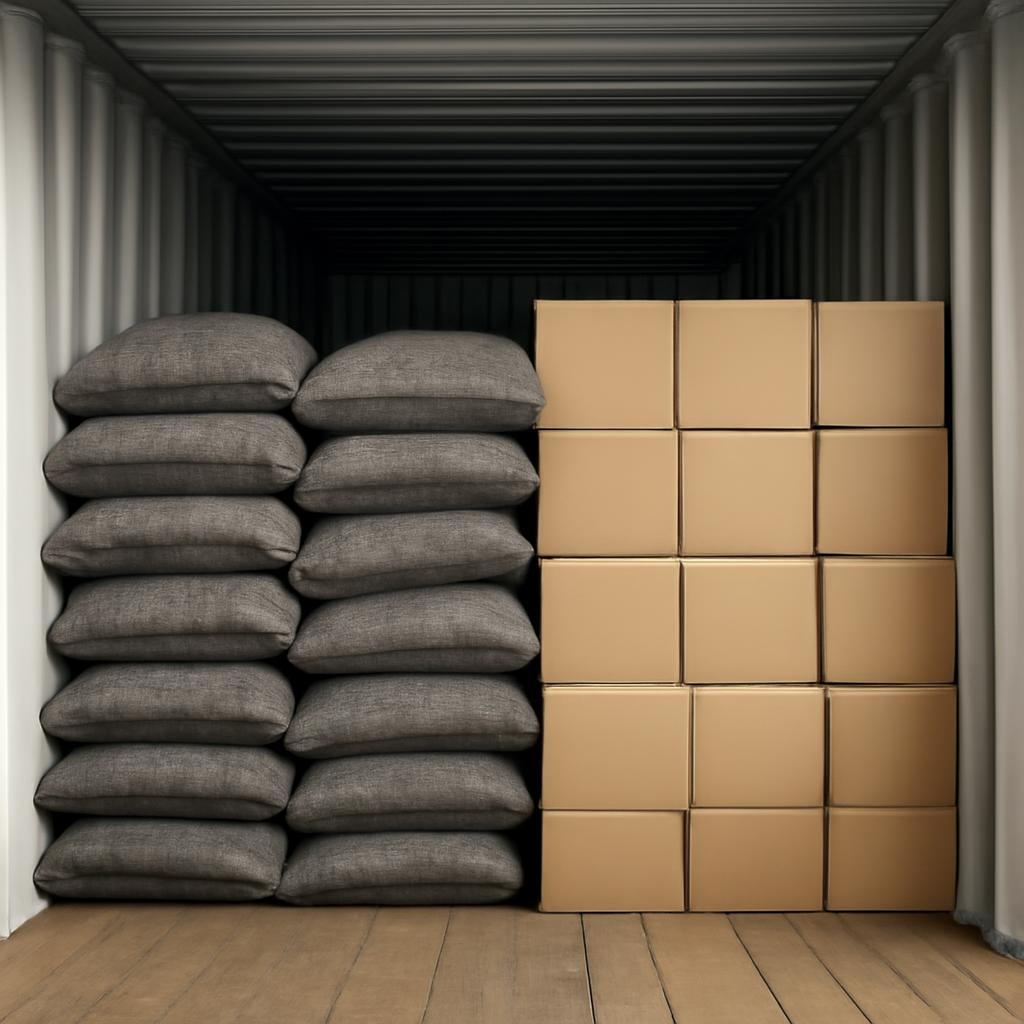
The right bulk charcoal bags balance durability, cost, handling speed, and the expectations of the final market. Heavy-duty woven polypropylene sacks are widely used for wholesale charcoal because they are practical for manual loading and resist tearing. For branded retail programs, printed paper bags, laminated bags, or cartons may be more appropriate.
Woven sacks for wholesale distribution
Woven sacks are suitable for importers supplying restaurants, distributors, and repackers. A properly specified sack should have consistent fabric strength, secure stitching, a dependable closure, and dimensions that support stable palletizing or container stacking. An inner plastic liner may be selected when humidity exposure is a concern.
Do not choose the lightest bag solely to reduce unit cost. A torn sack creates loss, dust, labor delays, and claims at destination. Request samples, assess seam strength, and test the pack under realistic lifting and stacking conditions before approving mass production.
Cartons and retail-ready formats
Charcoal carton packing is useful when the product will be sold in supermarkets, specialty stores, or smaller hospitality channels. Master cartons should hold retail units firmly enough to avoid movement while still allowing efficient unloading. Use dry, rigid cartons with reliable sealing and avoid oversized boxes that leave fragile charcoal pieces unsupported.
Retail packaging should prioritize consumer convenience without sacrificing product protection. Options may include sealed inner bags, carry handles, or compact pack sizes, but every added component must be compatible with the destination market’s regulations and waste-management expectations.
Container loading and weight planning
Container planning should account for both legal payload limits and the physical behavior of charcoal. Over-compressing bags can increase breakage, while underfilled spaces allow cargo to shift. Use a stable loading pattern, distribute weight evenly, and secure the final rows with appropriate bracing when necessary.
For full-container orders, ask the supplier to confirm the estimated bag count, total net weight, gross weight, and loading arrangement before production begins. Understanding mangrove charcoal quality and uses also helps buyers match pack format to the needs of grilling, restaurant cooking, or wholesale resale.
Quality Control and Shipping Protection
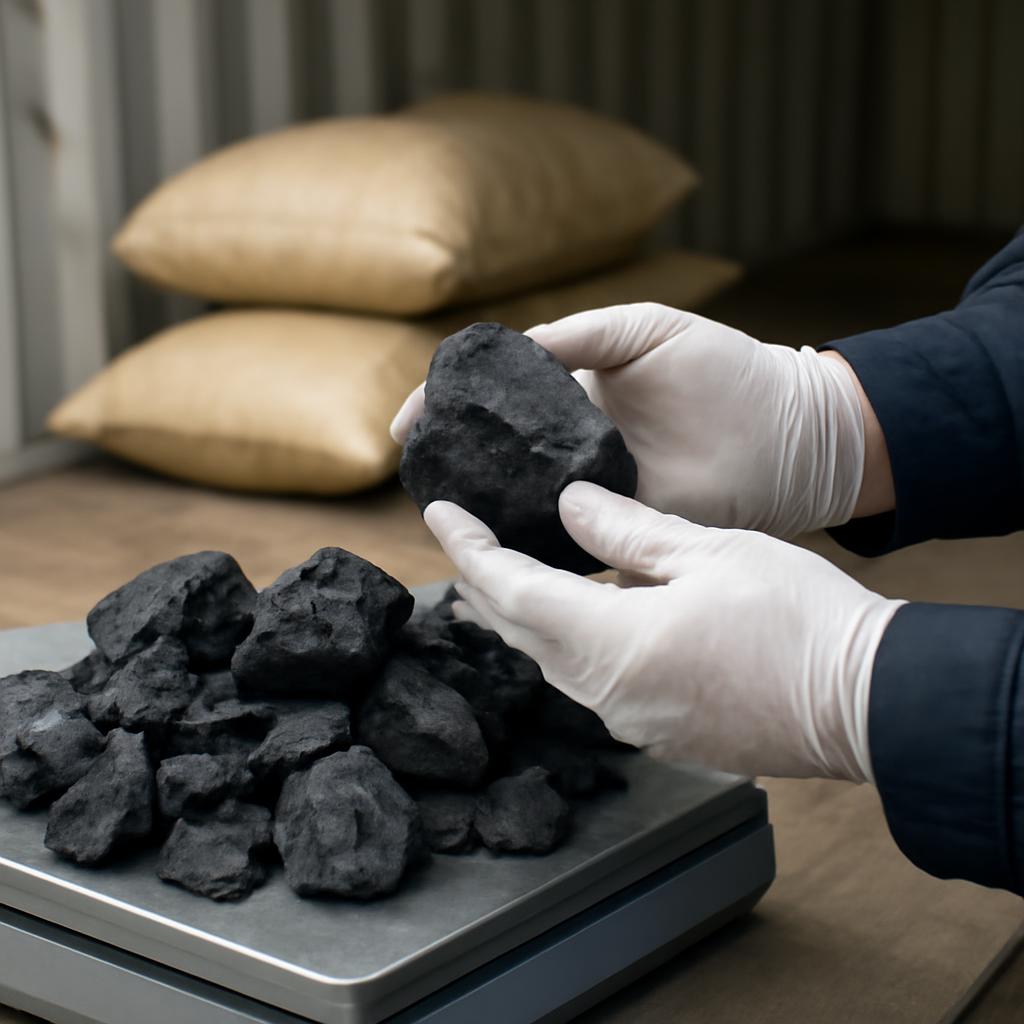
Strong packaging performs best when combined with systematic inspection. Quality control should begin at packing, continue during loading, and finish with complete shipping documentation. This approach reduces avoidable claims related to wet cargo, excessive dust, torn bags, incorrect weights, or mixed grades.
Inspect before the container is sealed
Pre-shipment inspection should verify charcoal size distribution, moisture level, foreign-material control, bag weight, bag integrity, and correct counts. Randomly select units from different parts of the lot rather than inspecting only the top layer. Record findings with photographs and a signed inspection report.
Check that every bag or carton is clean and securely closed. Loose closures allow charcoal dust to escape and can cause significant losses during repeated handling. If the order includes multiple grades, separate them clearly to prevent accidental mixing.
Protect cargo from water and contamination
The container must be clean, dry, odor-free, and free of holes before loading. Floors should not be wet, and cargo should never be loaded in rain without effective cover. Depending on the route and season, desiccant use and moisture-resistant liners can be considered as part of the moisture-proof charcoal packaging plan.
Charcoal readily absorbs odors and contaminants, so it should not share space with chemicals, perfumed goods, or cargo that can leak. Confirm the container condition with a documented pre-loading checklist and retain photos of the empty container and completed load.
Documents that support a smooth delivery
Accurate commercial invoices, packing lists, bills of lading, certificates requested by the destination market, and inspection records support customs clearance and receiving checks. Ensure that package counts and weights match across all documents. Even minor inconsistencies can delay release or complicate a claim.
For buyers building a long-term procurement program, align packaging requirements with the wider Vietnam charcoal sourcing standards. Consistent specifications make repeat orders easier to compare and help suppliers maintain stable results.
How to Order Bulk Packaging for Your Market
Ordering Vietnam Mangrove Charcoal bulk packaging is most effective when the buyer provides a written specification before production. Do not rely only on a product photo or a general request for large bags. Define the commercial objective first, then turn it into measurable packaging, quality, and logistics requirements.
Build a complete packaging brief
Your brief should include the charcoal grade, piece-size range, moisture target, acceptable fines level, pack size, bag or carton material, inner-liner requirement, closure type, and label information if applicable. Add the destination port, preferred loading method, and whether the order is for wholesale, foodservice, or retail distribution.
- Confirm net weight per unit and permitted tolerance.
- Specify whether bags must be plain, printed, lined, or palletized.
- Set measurable limits for moisture, dust, broken pieces, and foreign matter.
- Request pre-production samples and pre-shipment inspection records.
- Agree on container quantity, loading pattern, and document requirements.
Approve samples before mass packing
A physical sample is the simplest way to prevent misunderstanding. Test the bag or carton for appearance, dimensions, seam quality, ease of handling, and protection after basic drop and stack tests. For retail packs, evaluate shelf presentation and confirm that the unit remains intact after normal transport handling.
Once approved, keep the sample and final specification as the reference standard for future orders. Any proposed substitution in bag material, carton board, liner thickness, or closure method should require written approval before use.
Plan for receiving and storage
Receiving teams should count packages, inspect for wet or damaged units, and compare the shipment against the packing list before moving stock into storage. Store packed charcoal indoors in a dry, ventilated area away from direct water exposure and strong odors. Rotate stock carefully to preserve pack condition.
With a documented specification and disciplined checks, bulk packaging becomes a practical tool for controlling product condition from Vietnam to the final customer. The result is lower waste, clearer accountability, and a more dependable supply of mangrove charcoal.
Frequently Asked Questions
What is the most common bulk pack size?
What is the most common bulk pack size? Wholesale orders commonly use 10 kg, 15 kg, or 20 kg bags, but the best size depends on local handling practices, distribution channels, and customer demand.
Should bulk charcoal bags have inner liners?
Should bulk charcoal bags have inner liners? Inner liners are recommended when humidity exposure is likely or when extra moisture protection is required. They should be selected alongside dry loading and storage procedures.
How can breakage be reduced during shipping?
How can breakage be reduced during shipping? Use durable bags or supported cartons, avoid over-compression, maintain a stable loading pattern, and limit unnecessary handling after packing.
What quality checks should be done before shipment?
What quality checks should be done before shipment? Verify moisture, piece size, fines, foreign matter, net weight, bag integrity, package counts, and container cleanliness before sealing the load.
Can bulk packaging be customized for retail resale?
Can bulk packaging be customized for retail resale? Yes. Retail-ready formats can use branded inner packs and master cartons, provided the design still protects charcoal from moisture and breakage during export transport.
