
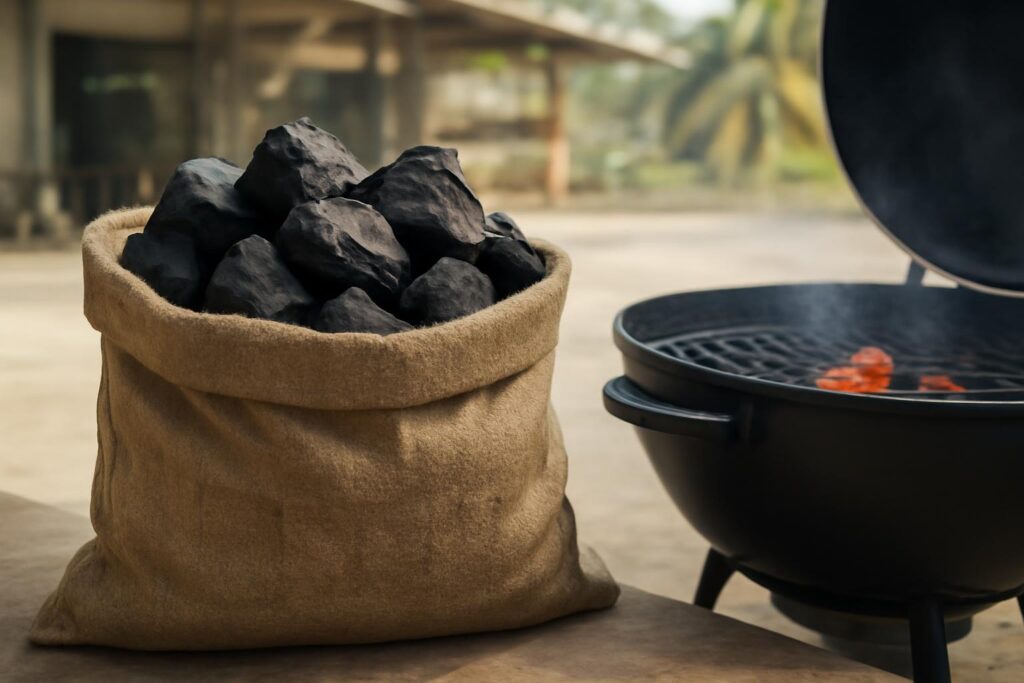
A reliable Vietnam Mangrove Charcoal supplier should offer consistent heat performance, transparent specifications, legal export support, and dependable shipment planning. If you are sourcing charcoal for barbecue, restaurants, retail, or industrial use, this guide explains exactly how to assess suppliers, compare grades, confirm quality, and reduce purchasing risk. You will also learn which documents, packaging options, and pre-shipment checks matter most before placing an order.
Why Vietnam Mangrove Charcoal Is a Strong Export Choice
Vietnamese mangrove charcoal is valued by international buyers for its dense structure, stable combustion, and naturally long burning time. When produced correctly, it delivers high heat with relatively low smoke and low ash, making it suitable for demanding foodservice and distribution channels.
Dense hardwood structure and dependable heat
Mangrove wood is naturally dense, which can result in high calorific value charcoal after proper carbonization. Buyers commonly select it for grilling because dense pieces hold heat longer and require fewer refills during service. Product performance still depends on carbonization control, moisture level, sizing, and careful storage.
For a broader understanding of material grades, performance factors, and buyer considerations, review this Vietnam mangrove charcoal buying guide. It helps procurement teams compare charcoal options based on end use rather than price alone.
Versatile applications across international markets
Quality hardwood charcoal for barbecue is used by restaurants, wholesalers, private-label retailers, and outdoor cooking distributors. Larger, durable pieces are often preferred for restaurant grills, while uniform retail-ready formats may suit supermarkets and e-commerce brands.
Buyers should define their intended use before requesting a quotation. A product optimized for fast lighting may not match the needs of a premium steakhouse grill, while a retail product may require more precise sizing, cleaner packaging, and barcode-ready outer cartons.
Responsible sourcing requires verification
Demand for sustainable charcoal continues to grow, but sustainability claims must be supported by clear sourcing and production information. Ask a supplier to explain raw-material origin, carbonization practices, traceability procedures, and applicable legal documentation. Never treat a general statement as proof of compliance.
A responsible supplier will welcome reasonable due diligence and provide specifications that accurately describe the offered product. This approach protects buyers from inconsistent quality, avoidable customs issues, and misleading environmental claims.
How to Evaluate a Vietnam Mangrove Charcoal Supplier
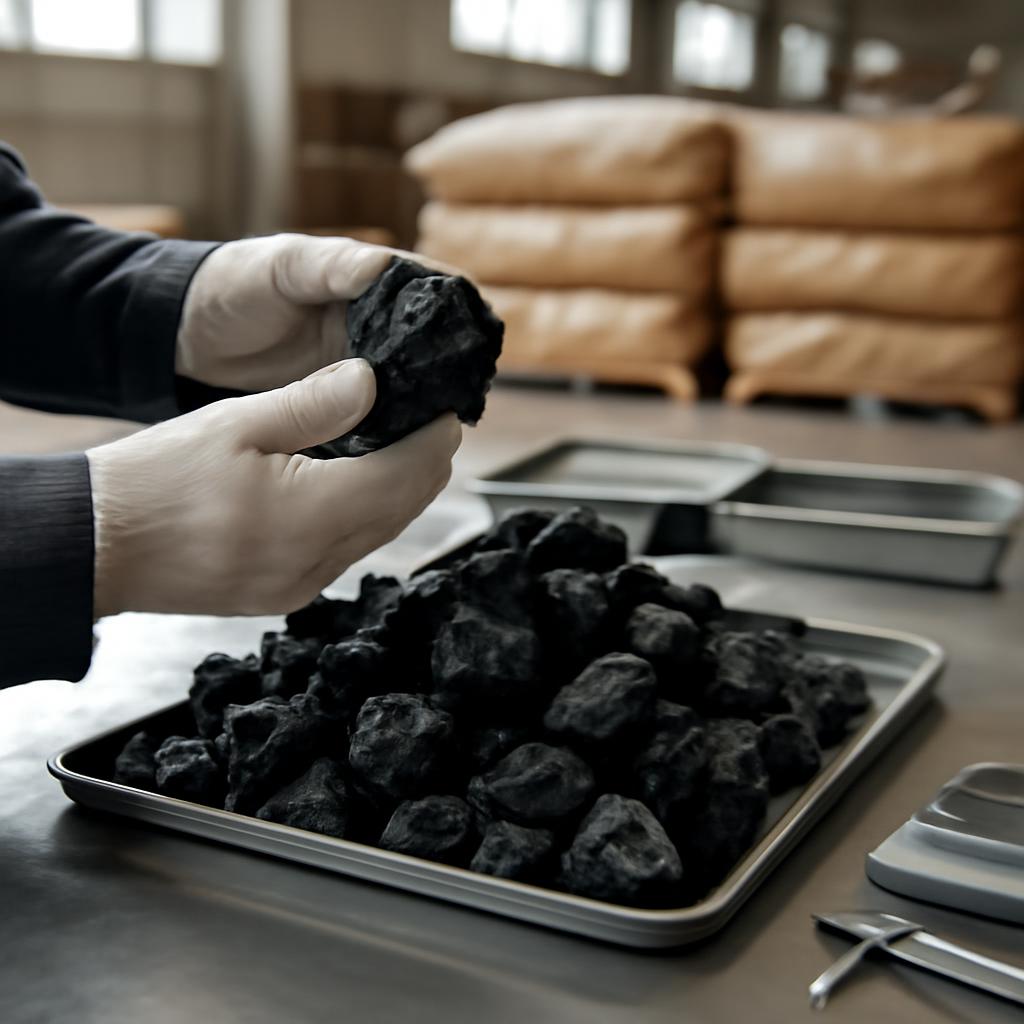
The best supplier is not simply the lowest-priced exporter. A qualified partner can consistently meet agreed specifications, communicate clearly, provide representative samples, and manage production and delivery without changing key terms after confirmation.
Start with a written product specification
Before comparing offers, send a detailed request covering charcoal type, lump size range, fixed carbon target, ash limit, moisture limit, volatile matter, packaging, order volume, destination port, and Incoterms. A clear specification prevents the common problem of receiving charcoal that looks acceptable but performs differently from the approved sample.
For BBQ charcoal export Vietnam, practical specifications often include clean pieces, limited dust, consistent grading, and packaging that protects the product from moisture. Ask whether the supplier can separate oversized pieces, fines, and broken charcoal before packing.
Request samples and verify real-world performance
A sample should be evaluated for more than appearance. Test ignition time, burn duration, heat stability, smoke, odor, sparking, ash residue, and breakage after transport simulation. If the product will be sold under a private label, inspect whether its visual profile matches the positioning of the brand.
Sample approval should become part of the purchase agreement. State that bulk goods must match the approved reference sample and written specifications within mutually accepted tolerances. This gives both sides a practical quality benchmark.
Assess production capability and communication
Ask direct questions about monthly capacity, lead time, quality-control steps, loading process, and the supplier’s experience with your destination market. A capable bulk charcoal supplier should give specific, consistent answers rather than broad assurances.
Pay attention to communication quality from the first inquiry. Timely replies, accurate documents, clear quotations, and realistic lead times are strong indicators of operational discipline. If important details remain vague before payment, the risk will rarely decrease after an order is placed.
- Confirm the legal business identity and export experience.
- Request product photos and videos from recent production and loading.
- Verify capacity against your required order frequency.
- Agree on inspection standards before production begins.
- Use a written contract with specifications and claim procedures.
Specifications, Packaging, and Export Documentation
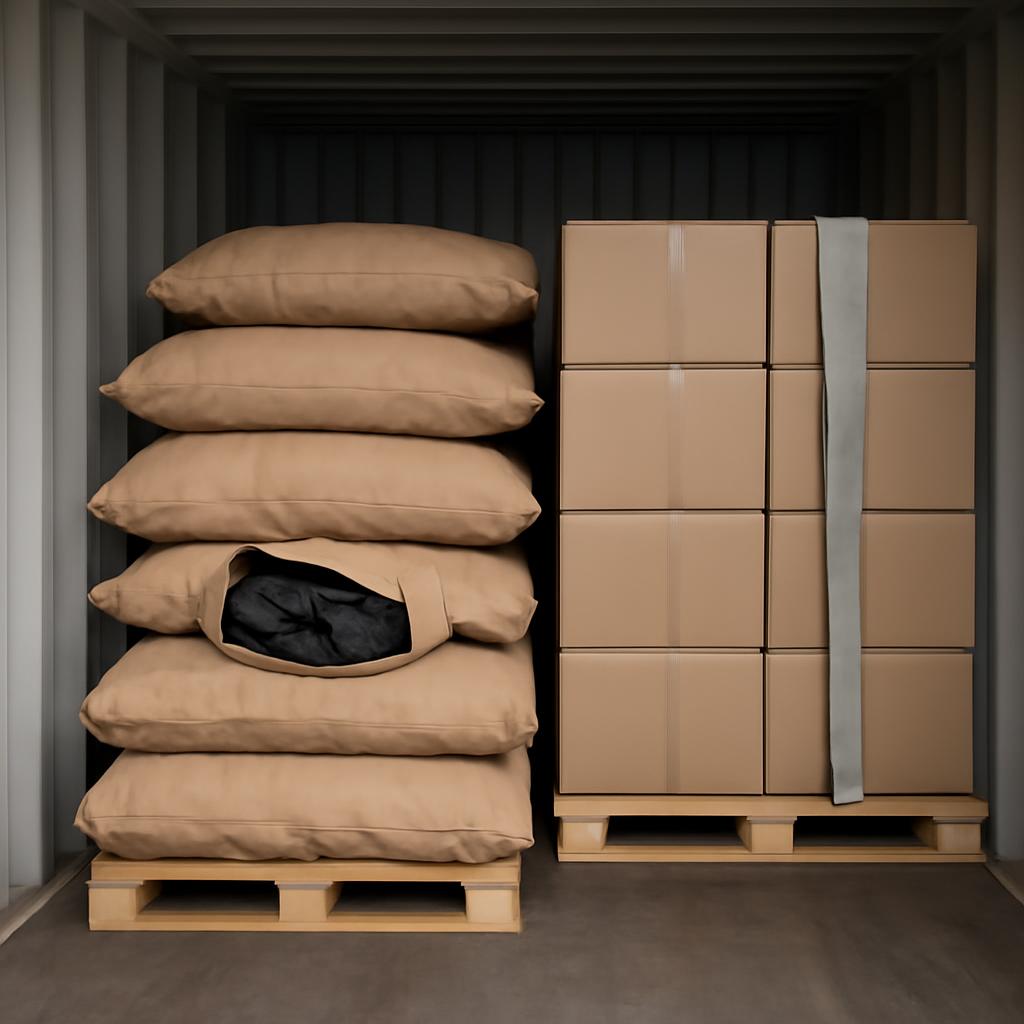
Successful charcoal procurement depends on converting expectations into measurable requirements. Clear specifications, suitable packaging, and accurate documentation reduce disputes, limit transit damage, and support smoother customs clearance at the destination.
Core quality metrics to include
Key metrics for restaurant grade charcoal typically include fixed carbon, ash, moisture, volatile matter, sulfur where applicable, size distribution, and fines content. No single figure determines overall quality; the best specification depends on your grill type, customer segment, storage conditions, and target price point.
For instance, very low moisture can support easier lighting and efficient combustion, while controlled ash content may matter to restaurants that want less frequent grill cleaning. Request test methods and determine whether results come from internal checks, third-party inspection, or both.
Packaging that protects charcoal in transit
Charcoal is vulnerable to crushing and moisture exposure. Common export formats include printed paper bags, plain kraft bags, polypropylene bags, master cartons, and palletized cartons. The right choice depends on whether the product is intended for bulk foodservice use or consumer retail shelves.
Discuss net weight per bag, inner liner needs, carton strength, container loading pattern, and labeling requirements before production. If using branded packaging, approve artwork, colors, barcode placement, and proof samples before the full packaging run begins.
Documents and shipment controls
Export paperwork may include a commercial invoice, packing list, bill of lading, certificate of origin when required, phytosanitary or other destination-specific documents where applicable, and inspection records. Requirements vary by destination, so buyers should confirm them with a customs broker or local authority before shipment.
To understand the product factors that affect documentation and import planning, explore the detailed mangrove charcoal quality and uses overview. Aligning product classification, packaging, and paperwork early helps prevent expensive delays.
How to Build a Reliable Long-Term Supply Relationship
Long-term sourcing works best when both buyer and supplier operate from the same written standards. Instead of treating each container as an isolated transaction, establish a repeatable system for forecasting, approvals, inspection, feedback, and corrective action.
Use a practical pre-shipment inspection plan
Inspection should cover quantity, bag weight, packaging condition, size distribution, visible contamination, moisture exposure, and overall conformity with the approved sample. For larger orders, an independent inspection company can provide additional confidence before container sealing.
Define the inspection timing in advance: before packing, during packing, or before loading. Specify what happens if goods fail the agreed standard, including re-sorting, replacement, discount negotiation, or shipment postponement.
Plan forecasts and reorder cycles early
Seasonal demand can affect charcoal availability, packaging schedules, freight rates, and production lead times. Share rolling forecasts with your supplier, especially before barbecue season or major retail promotions. Better visibility allows the supplier to reserve raw materials and production capacity.
Reliable replenishment also depends on realistic order timing. Consider manufacturing lead time, quality checks, port handling, vessel schedules, and destination customs clearance when calculating reorder points and safety stock.
Measure performance after every shipment
Track supplier performance using simple indicators: on-time delivery, conformity rate, packaging damage, customer complaints, response speed, and claim resolution. Regular reviews turn recurring problems into measurable improvement actions instead of repeated frustration.
For strategic sourcing decisions, compare your outcomes against the product guidance in this Vietnam charcoal sourcing resource. The right supplier relationship combines verified product quality with transparent communication and predictable fulfillment.
Frequently Asked Questions
What should I ask a Vietnam Mangrove Charcoal supplier before ordering? Ask for a full specification sheet, current photos, sample availability, monthly capacity, lead time, packaging options, export experience, Incoterms, payment terms, and quality-control procedures.
Is mangrove charcoal suitable for restaurants? Yes, properly produced mangrove charcoal can be suitable for restaurants because of its dense structure, long burn time, and stable heat. Confirm ash, moisture, size, and smoke performance with a sample test.
How can I reduce the risk of inconsistent charcoal quality? Approve a representative sample, include measurable specifications in the contract, require pre-shipment inspection, and document acceptable tolerances for size, moisture, ash, and fines.
What packaging is best for export charcoal? The best packaging depends on the market. Paper bags and cartons are common for retail, while stronger bulk bags may suit foodservice. Packaging should limit moisture exposure and breakage during shipping.
Should I choose the cheapest supplier? Not necessarily. The lowest price can create higher total costs through poor yield, broken pieces, delayed shipments, weak documentation, or customer complaints. Compare total value, consistency, and service reliability.
