
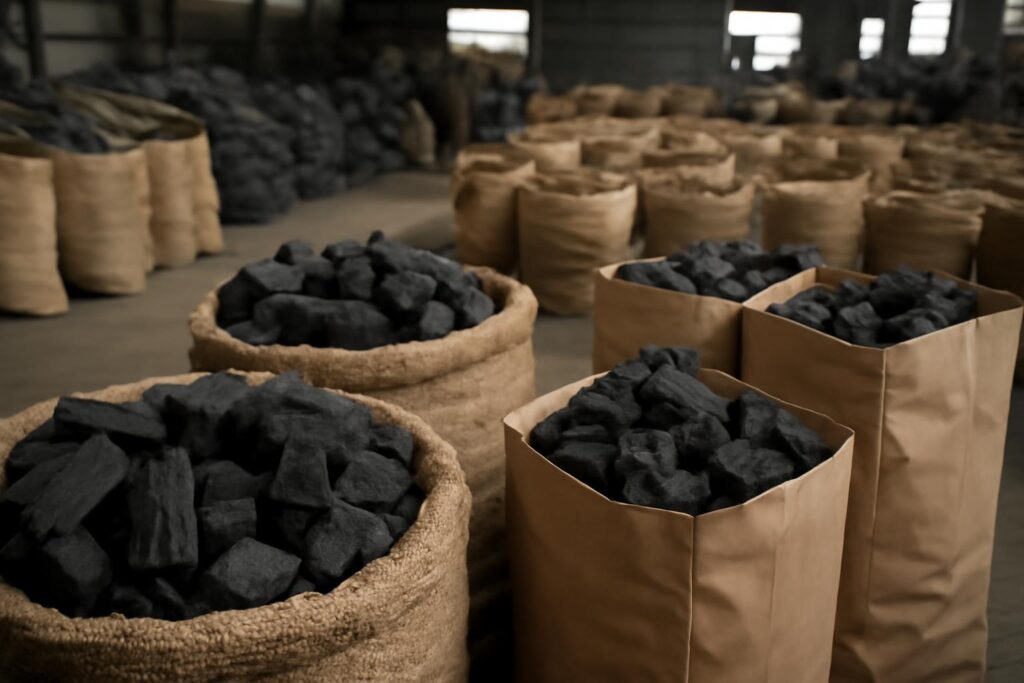
Vietnam Mangrove Charcoal wholesale is a practical sourcing option for importers, distributors, restaurants, and retailers seeking dense, long-burning charcoal in bulk. The best results come from buying against verified specifications, responsible sourcing evidence, and a shipment plan matched to your market. This guide explains charcoal grades, quality checks, supplier qualification, packaging, logistics, and margin-focused purchasing so you can source with greater confidence.
Why Vietnam Mangrove Charcoal Works for Wholesale Buyers
Mangrove charcoal is valued in professional grilling and commercial resale channels for its density, steady heat, and relatively long burn time. For buyers comparing bulk charcoal options, Vietnam can offer multiple formats, including lump charcoal and shaped charcoal products, allowing purchasing teams to align the product with restaurant, retail, or distribution requirements.
Performance characteristics that matter
A strong wholesale program begins with measurable performance. High-quality Vietnamese hardwood charcoal should be dry, well-carbonized, and consistent in size. These factors influence ignition, heat stability, smoke level, breakage, and the end customer’s cooking experience. Ask suppliers to state moisture, ash content, fixed carbon, volatile matter, and size range rather than relying on broad quality claims.
Density is especially important for buyers serving barbecue restaurants and premium grill retailers. Dense pieces generally burn longer and create dependable cooking heat when they are properly carbonized. Review the broader product context through this Vietnam mangrove charcoal buying guide before selecting a grade for a specific application.
Matching the product to the end market
Restaurant buyers often prioritize longer-lasting pieces, low dust, and predictable heat, while retail buyers may focus on clean presentation, convenient bag weights, and easy-lighting performance. Distributors need a specification that can remain stable across repeat containers. Define the end use before requesting quotations, because a product optimized for open-fire grilling may not be ideal for every retail shelf or shisha market.
For foodservice, request a representative sample and test it in the actual grill or oven used by customers. Observe lighting time, usable burn duration, odor, spark behavior, ash residue, and breakage after handling. A sample test reduces the risk of ordering a visually attractive product that performs poorly in real operations.
Responsible sourcing is a commercial requirement
Mangrove ecosystems are environmentally sensitive, so responsible procurement is essential. Request transparent documentation on legal origin, permitted production, traceability, and any applicable forestry or environmental compliance. Do not assume that a product called mangrove charcoal automatically meets import rules or sustainability expectations in the destination market.
Buyers should treat documentation as part of product quality. For a complete overview of performance, applications, and responsible purchasing considerations, use this resource on mangrove charcoal quality and uses. Clear paperwork protects supply continuity and supports credible communication with commercial customers.
How to Evaluate Quality and Select a Supplier

Reliable Vietnam Mangrove Charcoal wholesale sourcing depends on a written specification, not a photo gallery or a low initial quote. Suppliers should be able to explain what is being supplied, how it is packed, how it is inspected, and what happens when the delivered cargo differs from the agreed standard.
Create a buyer-ready specification sheet
Your purchase specification should identify the product format, size distribution, acceptable fines, moisture ceiling, ash target, packaging type, net weight, and loading arrangement. Include a reference sample where possible. For lump charcoal export Vietnam transactions, it is also useful to define the permitted percentage of oversized and undersized pieces because size inconsistency can affect both packing efficiency and customer satisfaction.
- Charcoal type and intended use
- Piece-size range and allowed fines
- Moisture, ash, and fixed-carbon expectations
- Bag material, printing requirements, and net weight
- Inspection method, claim window, and tolerance limits
Verify production consistency
Ask how the supplier sorts material, controls contamination, stores finished charcoal, and prevents moisture absorption before loading. Good factories separate grades, use covered storage, and maintain a clear packing process. A pre-shipment inspection should check product condition, bag count, net weight, carton quality where applicable, and container cleanliness.
Do not judge a supplier only by sample quality. Request recent production photos or video, batch-level test data when available, and references from comparable markets. For larger orders, use an independent inspection provider or arrange an on-site quality review. The cost of verification is normally far lower than the cost of a rejected container.
Compare quotations on landed value
A low unit price may hide lighter bags, higher dust content, weaker packaging, or unfavorable payment and claim terms. Compare quotations using the same Incoterm, currency, bag weight, quality specification, and destination port. Estimate the landed cost per usable kilogram, not merely the purchase price per bag.
When assessing charcoal supplier Vietnam options, ask for clear payment milestones, lead times, export documents, and replacement or credit procedures for substantiated quality claims. Professional suppliers welcome precise questions because a clear agreement helps both sides deliver repeatable results.
Wholesale Ordering, Packaging, and Shipping Essentials
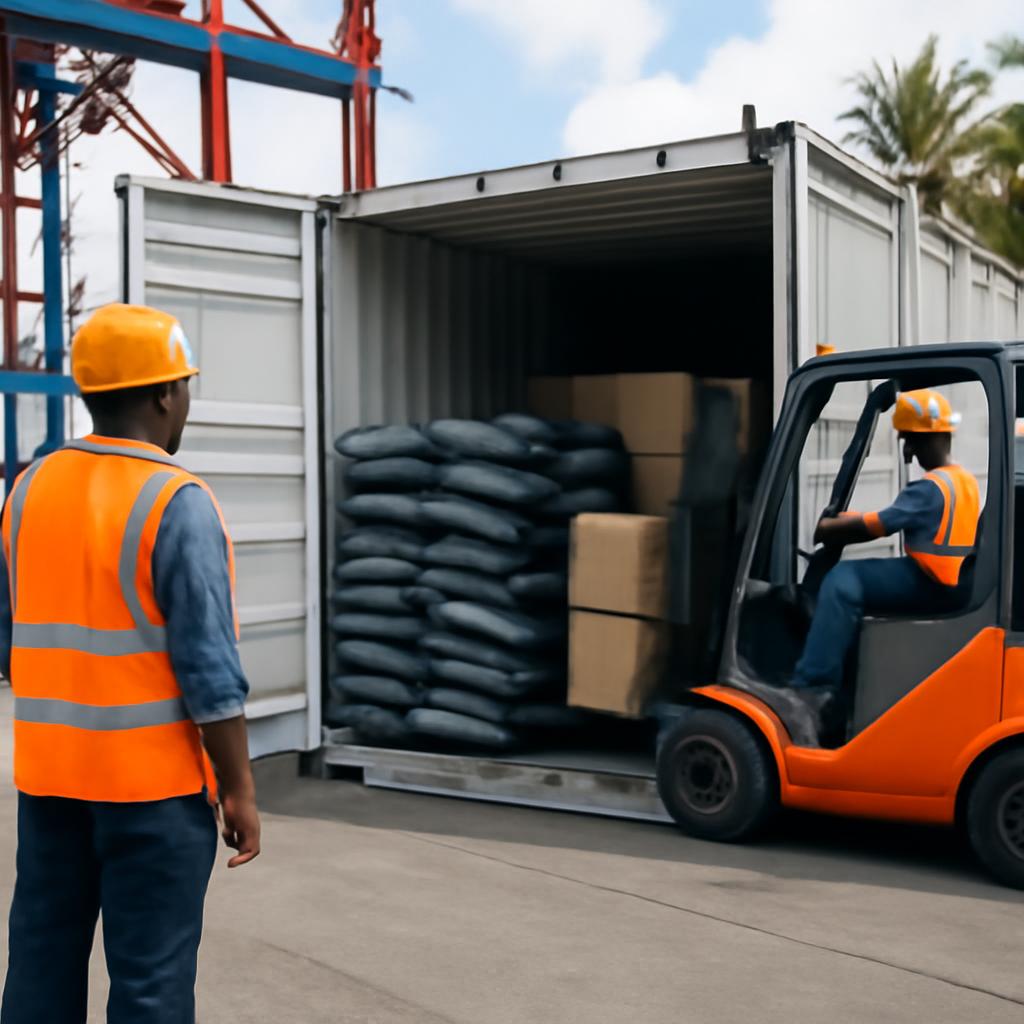
Charcoal logistics require close attention because the product is dusty, moisture-sensitive, and subject to carrier and destination-country requirements. A successful order plan covers packaging strength, container loading, export paperwork, cargo safety, and arrival inspection before the first production batch is approved.
Choose packaging for the sales channel
Bulk charcoal packaging can range from large industrial sacks to smaller retail bags packed into master cartons or palletized loads. Select packaging based on handling conditions and customer expectations. Retail bags need durable seams, accurate net weight, and strong resistance to puncture, while foodservice bulk packs require efficient storage and reliable handling.
Packaging should preserve product integrity, not just appearance. Discuss inner liners, ventilation needs, moisture protection, drop-test expectations, carton strength, and loading patterns. If private-label packaging is requested, approve a final digital proof and a physical pre-production sample before full-scale printing begins.
Plan container loading and cargo protection
Container loading should minimize empty space and protect bags from crushing. Confirm whether pallets are needed, how bags are stacked, and whether desiccants or moisture barriers are appropriate for the route. The supplier should provide a realistic container capacity estimate based on bag dimensions and loading method, rather than an optimistic number that causes last-minute changes.
Before shipment, verify commercial invoice details, packing list, bill of lading instructions, certificate needs, and any destination-specific import rules. Depending on the route and cargo classification, carriers may require additional declarations or handling measures. Work with a qualified freight forwarder and confirm requirements before booking.
Inspect on arrival and manage claims promptly
At destination, inspect the container seal, take photographs before unloading, count bags, and document visible damage. Retain samples from several points in the load to compare against the approved specification. If a problem is found, notify the supplier promptly and provide organized evidence such as photos, weights, inspection reports, and batch details.
These practical controls complement the purchasing standards covered in the Vietnam charcoal sourcing guide. Consistent documentation makes it easier to resolve issues fairly and improve future shipments.
How to Build a Profitable Charcoal Buying Program
Profitability in charcoal wholesale comes from consistency, useful product positioning, and disciplined inventory planning. The goal is not simply to find the cheapest container; it is to secure a grade that performs well enough for customers to reorder while protecting your cash flow and service reputation.
Start with a controlled trial order
Begin with a manageable quantity, preferably after approving a production sample and written specification. Track breakage, customer feedback, reorder speed, and real landed cost. A controlled launch gives importers a factual basis for deciding whether to expand into more bag sizes, private-label formats, or additional sales territories.
For premium positioning, communicate tangible value: dense pieces, steady heat, lower waste, careful grading, and responsible sourcing documentation. Avoid claims that cannot be substantiated. Clear product facts build more trust than exaggerated promises, especially with restaurant clients and experienced grill enthusiasts.
Set inventory and reorder rules
International lead times can be significant, so calculate reorder points using average monthly sales, seasonal demand, transit time, customs clearance, and a safety-stock allowance. Keep charcoal in a dry, covered, well-ventilated location away from ignition sources. Poor storage can raise moisture and breakage, reducing the value of an otherwise strong shipment.
Review performance by product grade and customer segment. If larger pieces sell quickly to restaurants while smaller screened pieces move through retail outlets, separate the specifications and pricing. This approach can turn natural size variation into a structured product portfolio rather than a quality complaint.
Build long-term supplier accountability
Repeat orders improve when both parties work from the same scorecard. Assess each shipment against agreed quality, document accuracy, production lead time, loading quality, communication, and claim resolution. Share practical feedback after every container and request corrective actions when results fall outside the target range.
A dependable long-term relationship should include transparent pricing logic, advance notice of material changes, and ongoing compliance checks. With disciplined procurement, Vietnam Mangrove Charcoal wholesale can become a stable category for foodservice supply, retail distribution, and specialized grilling markets.
Frequently Asked Questions
What is the typical minimum order quantity?
What is the typical minimum order quantity? Many exporters quote by container load, but minimums vary by bag size, product grade, and private-label requirements. Confirm the exact MOQ in writing before approving artwork or production.
How can buyers verify charcoal quality?
How can buyers verify charcoal quality? Use an approved sample, a written specification, pre-shipment inspection, and arrival checks. Review moisture, ash, size distribution, fines, packaging quality, and cooking performance.
Is mangrove charcoal suitable for restaurants?
Is mangrove charcoal suitable for restaurants? It can be suitable when the grade provides consistent size, low dust, reliable heat, and properly documented sourcing. Test samples in the actual restaurant equipment before scaling up.
What packaging is best for wholesale charcoal?
What packaging is best for wholesale charcoal? The best option depends on the channel. Durable retail bags and master cartons suit consumer sales, while larger reinforced sacks may suit foodservice and distribution operations.
What documents should an importer request?
What documents should an importer request? Typically request a commercial invoice, packing list, bill of lading, origin and compliance documents where required, product specifications, and any carrier-required cargo declarations. Confirm destination regulations with a customs broker.
