
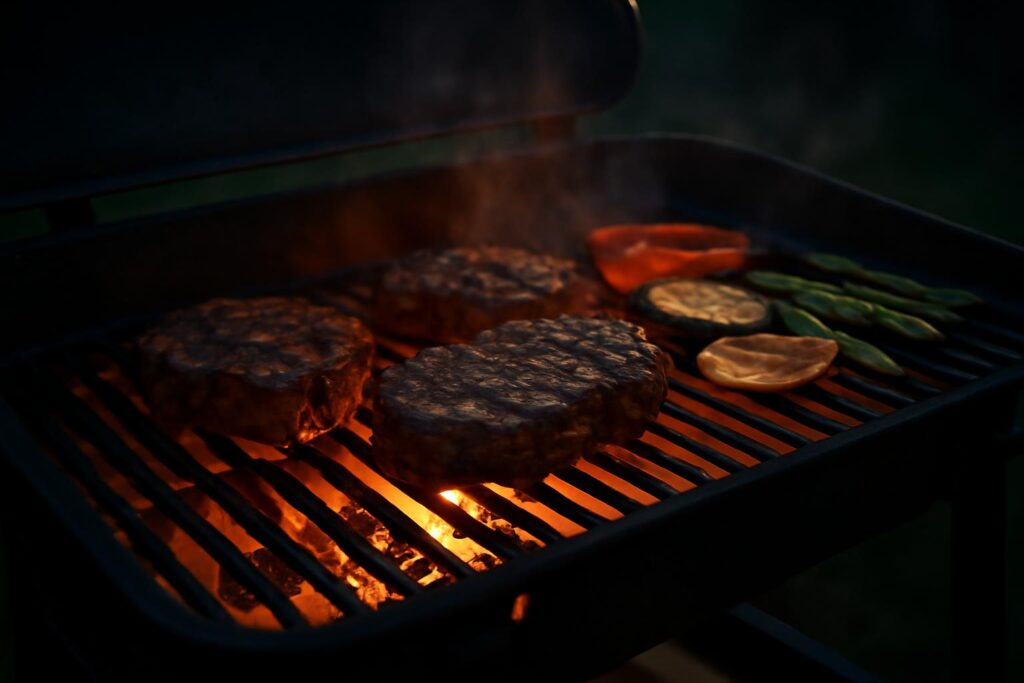
Vietnam Mangrove Charcoal for barbecue is an excellent choice for grilling because it delivers long-lasting heat, low ash, and dependable temperature control for meat, seafood, and vegetables. For larger-scale grilling, our guide to industrial BBQ use covers fuel selection and performance, while this article explains how to select, light, use, and store charcoal with confidence. You will also learn which grades suit different grills, how to avoid poor-quality bags, and how to barbecue safely.
Why Vietnam Mangrove Charcoal Performs So Well on a Barbecue
Vietnam mangrove charcoal is valued by barbecue users for its dense structure and stable burn. Compared with lighter, inconsistent charcoal, quality mangrove lump charcoal can maintain strong heat for extended grilling sessions, making it practical for both quick searing and slow, indirect cooking; for a comparison with white charcoal, see how Black Charcoal Vietnam compares with Binchotan.
Dense wood creates longer-lasting heat
Mangrove wood is naturally dense, and properly carbonized pieces retain that density in the finished fuel. This means the charcoal generally burns more slowly than softwood-based alternatives. For a barbecue, longer burn time helps reduce interruptions when cooking ribs, whole fish, chicken, or multiple batches of skewers.
Good long-burning charcoal also makes temperature management easier. Rather than constantly adding fuel and waiting for the grill to recover, you can build a controlled two-zone fire: a hotter direct-heat side for searing and a cooler indirect-heat side for finishing thicker cuts.
High heat for searing and consistent grilling
Well-made hardwood charcoal for grilling produces intense, reliable heat once fully lit. That heat supports crisp skin, caramelized surfaces, and defined grill marks without forcing food to sit over flames for too long. The result is better browning while helping preserve moisture inside the food.
For broader product knowledge, review this Vietnam mangrove charcoal buying guide to understand the material’s common grades, applications, and quality indicators beyond barbecue use.
Lower ash supports cleaner airflow
Premium charcoal with low ash leaves more room beneath the cooking grate for airflow. Clear airflow is essential because oxygen feeds the ember bed and keeps the fire responsive when vents are adjusted. Excessive ash can restrict the draft, lower heat, and create uneven cooking zones.
Look for low ash barbecue charcoal with dry, solid pieces and minimal dust at the bottom of the bag. A small amount of fines is normal after transport, but a bag full of powder usually signals fragile, over-processed, or poorly handled charcoal.
How to Choose Quality Vietnam Mangrove Charcoal for Grilling
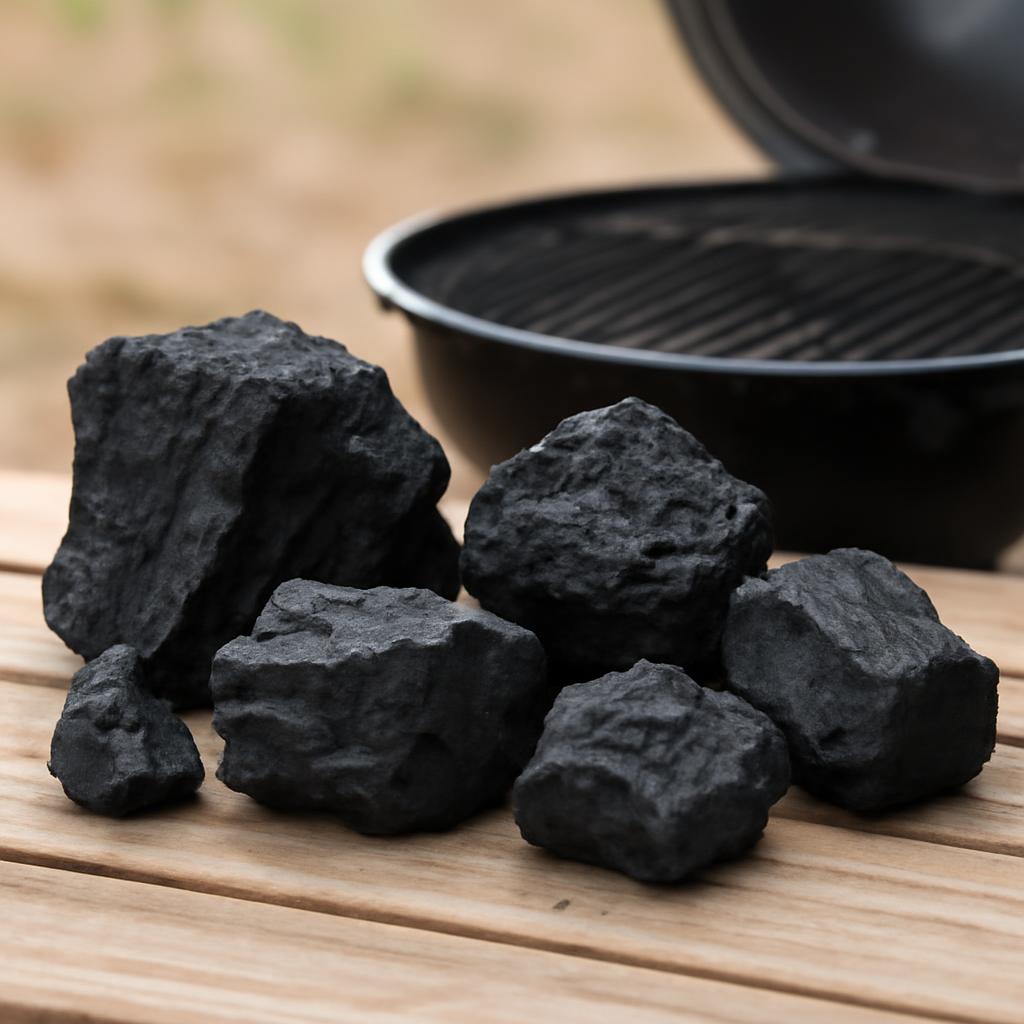
Not every bag of charcoal will perform the same way. The best Vietnam mangrove charcoal for barbecue is dry, carbonized evenly, sized appropriately for your grill, and packed to protect it from breakage and moisture during shipping and storage.
Check piece size and physical condition
Choose a mix dominated by medium and large pieces. Large pieces are useful for long cooks because they burn gradually, while medium pieces help fill gaps and establish an even coal bed. Avoid bags that contain mostly tiny fragments, since they ignite too fast and can choke airflow when piled tightly.
Quality lumps should feel light for their size but still sound hard when tapped together. Their surfaces should appear deeply carbonized rather than brown, raw, or damp. Brown areas may indicate incomplete carbonization, which can create more smoke and less predictable heat.
Prioritize clean carbonization and low moisture
A clean-burning charcoal should not smell strongly chemical, oily, or musty. Choose products made without accelerants, fillers, or artificial fragrance. Dry charcoal lights more consistently, while wet charcoal wastes energy evaporating moisture before the cooking bed reaches usable temperature.
When comparing suppliers, examine specifications such as fixed carbon, ash level, moisture, and size range. These details are useful signals of production control. A deeper overview of mangrove charcoal quality standards can help buyers assess offerings with greater precision.
Match charcoal grade to your barbecue setup
For kettle grills and ceramic cookers, larger lump pieces support longer sessions and steady airflow. For open grills or compact portable barbecues, a medium-size grade can be more convenient because it spreads evenly and reaches cooking temperature quickly.
- Fast grilling: Use a medium-size charcoal bed for burgers, vegetables, kebabs, and seafood.
- High-heat searing: Use larger, fully lit pieces arranged in a concentrated direct-heat zone.
- Low-and-slow barbecue: Use large pieces with a small number of lit coals added to an unlit fuel bed.
How to Light and Use Mangrove Charcoal for Better Barbecue Results
Proper lighting is just as important as choosing the charcoal. Allow Vietnam mangrove charcoal to develop a glowing ember core and a light gray exterior before placing food over it. Cooking too early often causes bitter smoke, flare-ups, and uneven browning.
Use a chimney starter or natural fire starters
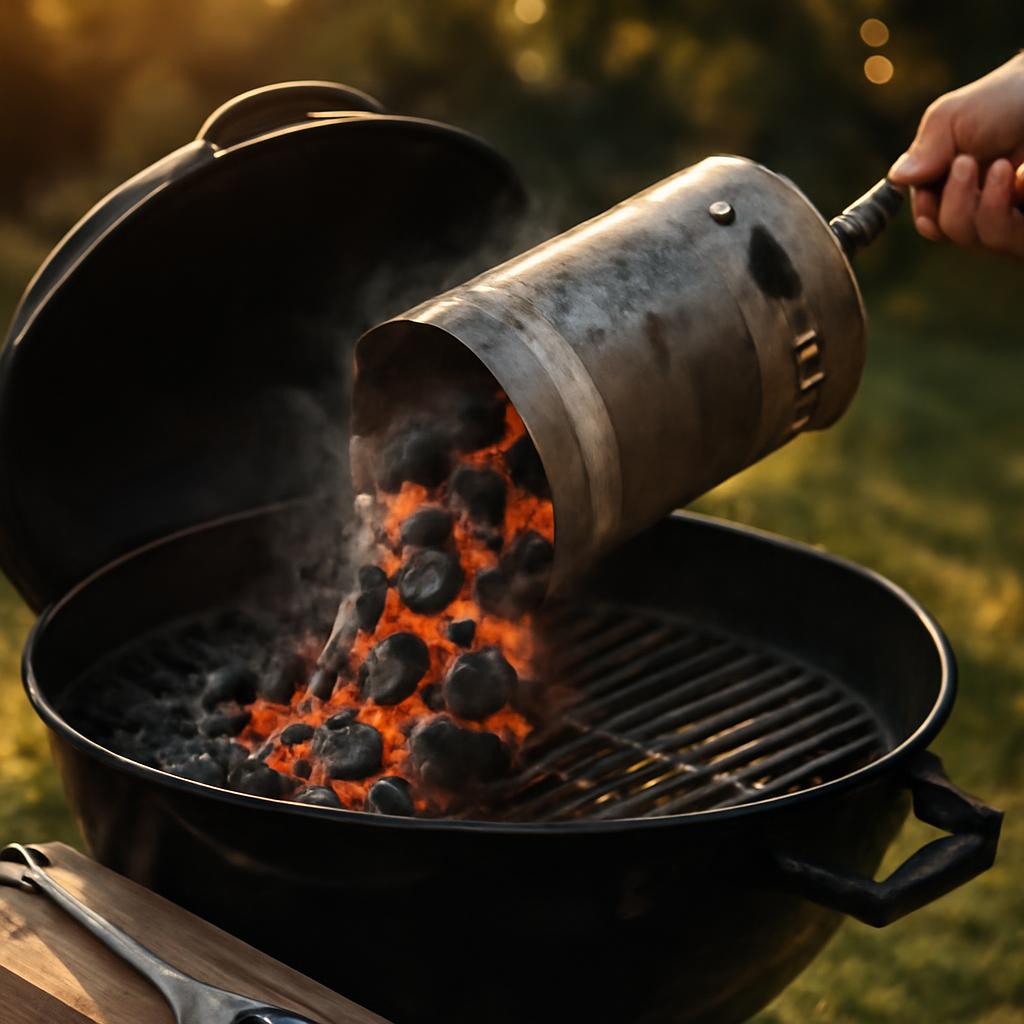
A chimney starter is one of the most reliable ways to ignite Vietnam Mangrove Charcoal for barbecue. Fill the chimney with charcoal, place natural fire starters or crumpled uncoated paper below it, and allow the coals to ignite with open airflow. Once the top pieces show ash around the edges, carefully pour them into the grill.
Do not use gasoline, solvents, or other dangerous liquids. If using lighter fluid, follow the manufacturer’s instructions exactly and allow all fluid to burn off before cooking. Natural fire starters or an electric charcoal lighter are cleaner options for flavor-sensitive foods.
Build direct and indirect cooking zones
Arrange the charcoal on one side of the grill to create a two-zone setup. The side above the coals is for direct heat, ideal for searing steaks, crisping poultry skin, and quickly grilling vegetables. The coal-free side is for indirect heat, where thicker foods can cook through without scorching.
Control heat primarily through grill vents and fuel placement, not by repeatedly spraying water on the coals. Opening vents increases oxygen and raises intensity; partially closing them slows the burn. Keep the lid closed whenever possible to stabilize the cooking environment and reduce fuel consumption.
Wait for clean heat before cooking
Charcoal is ready when most pieces are glowing red beneath a thin gray ash layer and visible flames have settled. At this stage, the fire is producing steady radiant heat rather than heavy startup smoke. Clean heat is especially important for delicate fish, chicken, and foods with light seasoning.
For a complete understanding of fuel selection and performance, explore uses of Vietnam mangrove charcoal across barbecue, restaurant, and commercial cooking applications.
Storage, Safety, and Sustainable Buying Considerations
High-performing charcoal can lose quality when stored carelessly. Keep Vietnam mangrove charcoal dry, handle bags gently, and use only in well-ventilated outdoor cooking areas. Responsible purchasing also means asking clear questions about sourcing and production practices.
Store charcoal in a dry, sealed place
Keep unopened bags off concrete floors and away from rain, humidity, and direct contact with wet ground. After opening a bag, transfer remaining charcoal to a dry bin with a secure lid or reseal it tightly. Moisture can make lighting difficult and increase smoke during the early burn stage.
Handle charcoal carefully to protect the larger pieces. Repeated dropping and rough stacking turn useful lumps into dust, reducing burn time and creating more ash. Store it near the grill only if the area remains dry and away from ignition sources.
Follow essential barbecue safety practices
Use charcoal only outdoors or in a professionally ventilated cooking system. Burning charcoal produces carbon monoxide, an odorless gas that can be fatal in enclosed or poorly ventilated spaces. Never use a barbecue indoors, inside a garage, or near open windows and air intakes.
Place the grill on a stable, nonflammable surface and keep children, pets, loose clothing, and combustible materials at a safe distance. After cooking, close the grill vents and lid when appropriate to extinguish the coals. Dispose of ashes only after they are completely cold.
Buy with sourcing and production in mind
Sustainable charcoal purchasing starts with transparency. Ask suppliers about legal sourcing, traceability, carbonization methods, and packaging practices. Responsible producers should be able to explain the origin of the raw material and the quality controls used to create consistent barbecue charcoal.
It is also wise to distinguish product performance from unsupported environmental claims. Seek clear documentation where available, and select charcoal that meets your cooking needs without sacrificing safe, responsible supply practices.
Frequently Asked Questions
Is Vietnam mangrove charcoal good for barbecue?
Yes. Quality Vietnam mangrove charcoal is well suited to barbecue because it is dense, burns for a long time, produces strong heat, and typically creates relatively little ash compared with lower-grade charcoal.
How long does mangrove charcoal burn?
Burn time depends on piece size, airflow, grill design, and weather. Large, dry pieces in a controlled grill setup generally last longer than small pieces or briquettes with high ash content.
Does mangrove charcoal affect food flavor?
Properly carbonized, additive-free mangrove charcoal provides a clean charcoal-grilled character. Avoid cooking over fuel that is still producing thick startup smoke, as this can create bitter flavors.
Can mangrove charcoal be used in a kettle grill?
Yes. It works well in kettle grills, ceramic cookers, open barbecue grills, and many commercial charcoal grills. Arrange the coal bed to match direct or indirect cooking needs.
What is the best way to extinguish mangrove charcoal?
Close the grill lid and vents to limit oxygen, then let the charcoal cool completely. Never pour hot ash into a bin or dispose of it until it is fully cold.
