
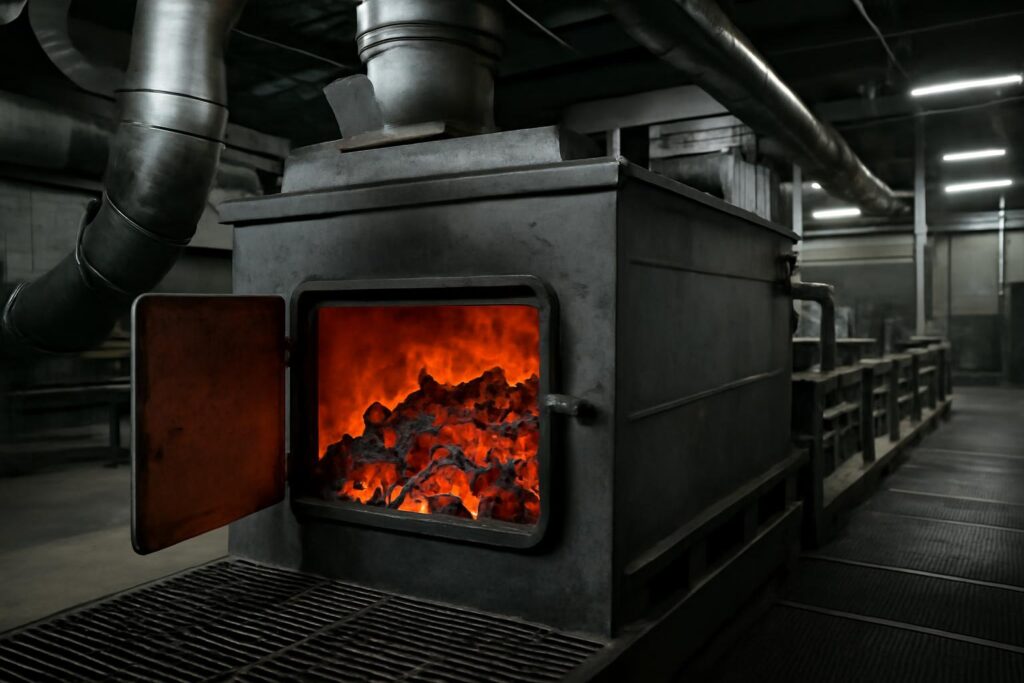
Vietnam Mangrove Charcoal industrial heating is a practical solid-fuel option for operations that need high heat, long burn time, and controllable combustion. When the charcoal is properly carbonized, graded, and kept dry, it can support steady thermal processes while limiting smoke, ash, and unplanned downtime. This guide explains performance specifications, suitable industrial uses, quality checks, storage practices, and purchasing controls; buyers sourcing other Vietnamese charcoal products can also learn how to verify a Vietnamese Binchotan manufacturer before importing.
Why Vietnam Mangrove Charcoal Fits Industrial Heating
Industrial facilities choose charcoal when they need a compact fuel with concentrated energy and responsive heat control. Vietnam Mangrove Charcoal industrial heating can be particularly effective in enclosed or semi-enclosed combustion systems where uniform sizing and stable fuel quality are maintained. Its value is not simply that it burns hot; it is that a well-specified product can deliver repeatable operating conditions from batch to batch.
High Fixed Carbon Supports Sustained Heat
High fixed carbon is a primary indicator of useful heat potential. Charcoal with a strong fixed-carbon profile generally burns longer and provides a more stable ember bed, helping operators maintain process temperature with fewer fuel additions. This is important for ovens, furnaces, metalworking units, brick drying, and food-processing equipment that cannot tolerate large temperature swings.
For a broader view of grades, applications, and selection criteria, review this Vietnam mangrove charcoal buying guide. Industrial users should always confirm actual laboratory values rather than buying solely on appearance or a generic product name.
Dense Structure and Long Burn Duration
Mangrove-based lump charcoal is often valued for its dense structure and extended burn duration. Larger, intact pieces create airflow pathways in a firebox while reducing rapid consumption compared with small, fragile fragments. This can improve labor efficiency where manual feeding is still part of the operating routine.
However, density alone does not guarantee performance. The carbonization process, cooling method, moisture exposure, particle-size distribution, and ash content all influence how the fuel behaves under real industrial load. A high-calorific-value charcoal product must also be consistent enough to support the combustion design of the equipment.
Suitable Applications and Combustion Systems
Vietnam mangrove charcoal can be used in industrial ovens, drying chambers, ceramics production, small foundry operations, restaurant-scale food manufacturing, and biomass-compatible thermal units. It is especially suitable where a clean, radiant heat source is preferred and where operators can manage air supply, fuel bed depth, and ash removal carefully.
Before conversion, assess whether the system requires lump fuel, screened charcoal, or charcoal fines. Equipment with controlled feeding may need a narrow size range, while grate-fired systems may tolerate larger pieces. Proper matching between fuel geometry and combustion hardware is essential for industrial charcoal fuel performance.
Performance Factors That Affect Industrial Heat Output
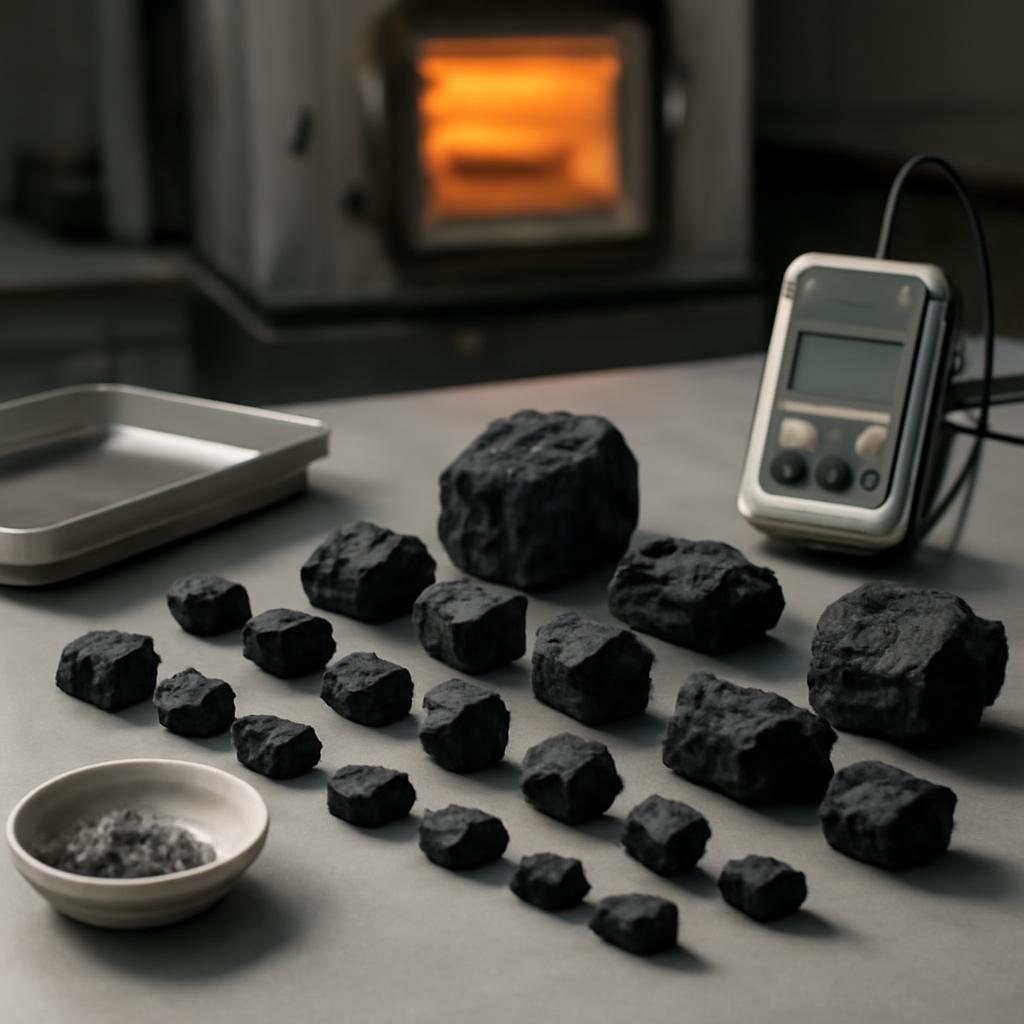
Industrial heating results depend on measurable specifications, not assumptions. A procurement specification should define calorific value, fixed carbon, moisture, volatile matter, ash, sulfur limits where relevant, and size distribution. These data points determine usable heat, residue volume, combustion stability, and maintenance requirements.
Calorific Value and Fixed Carbon
Charcoal calorific value indicates the heat released by a given mass of fuel. While the exact result varies by species, carbonization conditions, and test method, buyers should request a recent certificate of analysis from the production lot or a representative sample. Fixed carbon complements this measure by indicating the solid combustible fraction that sustains the burn.
For process planning, compare fuel on a delivered-energy basis rather than purchase price per bag or per tonne alone. A lower-priced charcoal with high moisture or excessive fines may require more handling and more fuel to achieve the same thermal output, raising the real cost per unit of useful heat.
Moisture, Ash, and Volatile Matter
Moisture absorbs energy before the charcoal can produce useful heat, so dry storage is fundamental. Excess moisture can slow ignition, create unstable fire conditions, and reduce thermal efficiency. Low moisture is particularly important for automated equipment, where inconsistent ignition can interrupt an otherwise controlled cycle.
Low-ash charcoal helps reduce clinker formation, ash-removal frequency, and contamination risk in sensitive applications. Ash composition matters as well as ash percentage: mineral-rich residue can interfere with grates and airflow. Volatile matter should be balanced; excessively high volatile content may increase smoke and flame variability, while properly carbonized charcoal generally offers a cleaner, more predictable burn.
Size Distribution and Mechanical Strength
Screening charcoal into defined grades supports even airflow and reliable feeding. Oversized pieces may bridge in hoppers, while excessive small particles can restrict airflow and burn too quickly. Request a size range appropriate to the combustion system, plus a stated maximum percentage of fines.
Mechanical strength is equally important during loading, container transport, and handling at the plant. Fragile charcoal can arrive as dust even when it looked acceptable at origin. Clear packaging, palletization, careful stuffing, and inspection upon receipt protect the performance expected from Vietnam Mangrove Charcoal industrial heating.
How to Specify, Test, and Handle Industrial Charcoal
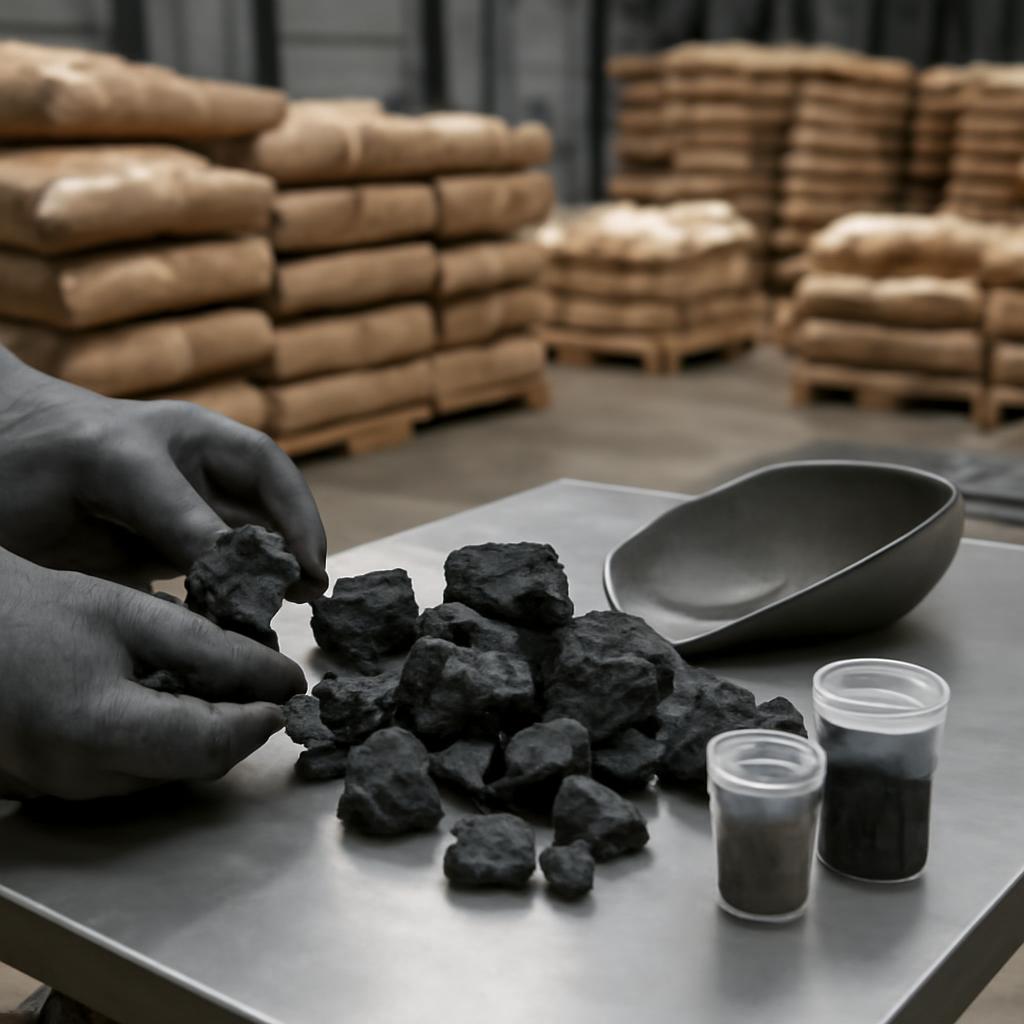
A strong purchasing process turns fuel quality into a controlled input rather than an operating surprise. Start with a written specification, verify a pre-shipment sample, and inspect each delivery against agreed standards. These steps reduce the risk of receiving wet, undersized, contaminated, or inconsistent charcoal.
Build a Practical Purchase Specification
Your specification should state the intended application, target piece size, acceptable fines percentage, maximum moisture, maximum ash, packaging format, and required test documents. It should also identify the sampling method and the remedy if a shipment fails inspection. Technical requirements must be tied to how the fuel will be used, not copied from an unrelated market segment.
- Define a target size range that matches the grate, burner, or hopper.
- Set limits for moisture, ash, and dust or fines.
- Request fixed carbon and calorific value data from a recognized test method.
- Specify clean packaging that protects against water exposure and breakage.
- Require traceable lot identification and pre-shipment photographs or samples.
For context on product characteristics beyond industrial use alone, consult this resource on mangrove charcoal quality and uses. It can help procurement teams align visual checks with the technical requirements that matter in their own equipment.
Verify Samples Before Full-Scale Ordering
Run a controlled trial before committing to a major order. Measure ignition time, temperature stability, ash accumulation, visible smoke, fuel consumption per production cycle, and operator handling time. Use the same equipment settings and operating conditions for each candidate fuel so the comparison is meaningful.
Laboratory analysis should be paired with a practical burn test. A sample can meet a stated calorific target but still perform poorly if the pieces are too small, too irregular, or vulnerable to breakage. The most useful evaluation combines analytical results with operating data from the actual thermal process.
Store and Feed Charcoal Correctly
Keep charcoal under cover, off the floor, and away from standing water. Use a dry, ventilated storage area with controlled access to prevent contamination. Bags or bulk containers should be handled gently to minimize dust generation, and stock should be rotated so older material is used first.
During feeding, avoid packing the fuel bed so tightly that airflow is restricted. Maintain routine ash removal and inspect grates, air inlets, and flue pathways. Safe combustion also requires suitable fire prevention procedures, spark control, ventilation, and compliance with local occupational and environmental requirements.
Cost, Sustainability, and Procurement Controls
The best charcoal supply decision balances thermal performance, delivered cost, operational reliability, and responsible sourcing. Price is important, but it should be evaluated against usable heat, wastage, labor, transport damage, and maintenance burden. A consistent supplier relationship can reduce variability that directly affects production output.
Calculate Cost Per Unit of Useful Heat
To compare alternatives, estimate total delivered cost and divide it by usable energy after accounting for moisture, ash, and handling losses. Include freight, packaging, unloading, storage losses, ash disposal, and labor. This approach often reveals that a stable, higher-quality product delivers better overall economics than a cheaper shipment with inconsistent particle size or excessive residue.
Track consumption by production batch, operating hour, or tonne of finished product. Over time, these records make it easier to identify changes in fuel quality and negotiate based on performance rather than anecdotal feedback. The goal is dependable industrial heating charcoal, not merely the lowest invoice price.
Responsible Sourcing and Traceability
Responsible sourcing is increasingly relevant for importers, manufacturers, and brands with sustainability commitments. Ask suppliers about raw-material origin, legal harvesting controls, carbonization practices, worker safety, and supply-chain records. Documentation should be reviewed carefully, especially when product claims include plantation origin, legal sourcing, or environmental certification.
Understanding the wider product category can strengthen due diligence. This Vietnam charcoal sourcing overview provides useful background for evaluating product claims alongside technical fuel specifications. Avoid unsupported sustainability statements and rely on verifiable documents whenever possible.
Supplier Controls That Protect Production
Use written quality agreements, approved samples, and shipment-level inspection procedures. Establish clear communication on lead time, container loading, packaging integrity, and acceptable variation. For critical operations, qualify more than one approved source or maintain a buffer inventory that protects production against transport delays.
A reliable supplier should be able to explain how charcoal is produced, screened, packed, and checked before dispatch. Consistency in these steps is a strong indicator that the fuel can support industrial heating without frequent adjustments to airflow, loading rates, or maintenance schedules.
Frequently Asked Questions
Is Vietnam mangrove charcoal suitable for industrial heating?
Is Vietnam mangrove charcoal suitable for industrial heating? Yes, when its size, moisture, ash, fixed carbon, and calorific value match the combustion equipment. It is commonly considered for processes requiring sustained, controllable heat.
What specifications should industrial buyers request?
What specifications should industrial buyers request? Request calorific value, fixed carbon, moisture, ash, volatile matter, size distribution, fines percentage, packaging details, and a representative test report or certificate of analysis.
Why does charcoal size matter in a furnace?
Why does charcoal size matter in a furnace? Consistent sizing supports predictable airflow and burn rate. Too many fines can block air passages, while oversized pieces may feed unevenly or bridge in handling systems.
How can ash affect industrial operations?
How can ash affect industrial operations? High ash increases residue, cleaning time, and the risk of restricted airflow or clinker formation. Low-ash fuel can improve uptime and simplify maintenance.
How should industrial charcoal be stored?
How should industrial charcoal be stored? Store it in a dry, covered, ventilated location, raised off the ground and protected from rain, contamination, crushing, and unnecessary handling.
