
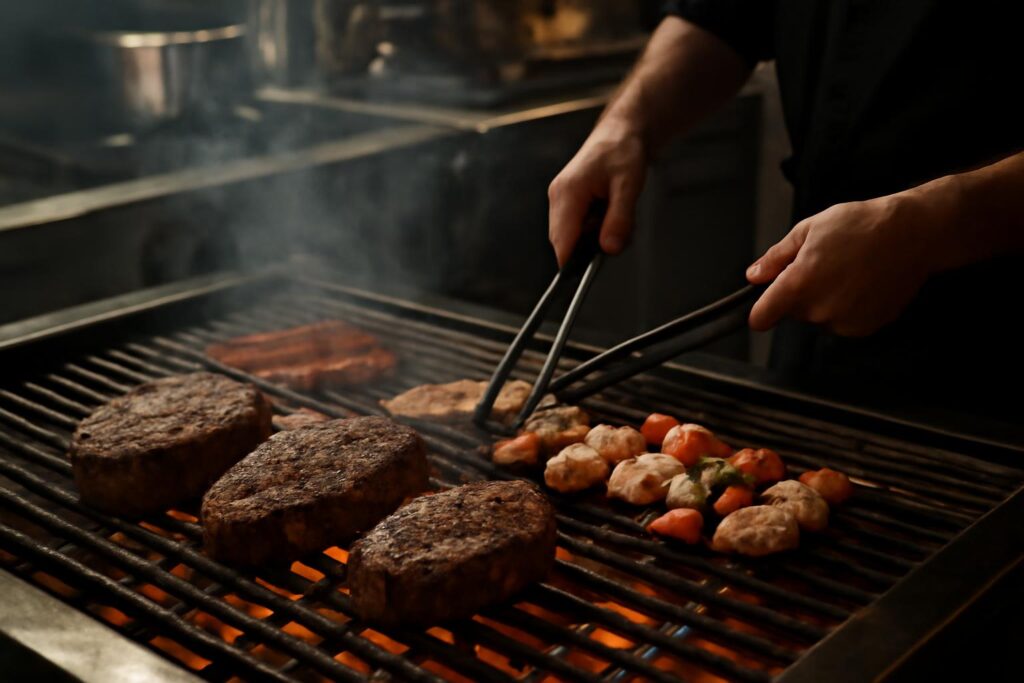
Vietnam Mangrove Charcoal for restaurant grilling is an excellent choice for kitchens that need high heat, long burn time, low ash, and reliable flavor control. It helps chefs maintain steady grilling performance during busy service while reducing refueling and cleanup. This guide explains how to assess quality, select the right lump size, run an efficient fire, and source charcoal responsibly for professional restaurant use.
Why Vietnam Mangrove Charcoal Fits Professional Grilling
Restaurant grills demand fuel that performs predictably from the first order to the final table. Vietnam mangrove charcoal is valued for its dense structure, strong heat output, and extended burn, making it well suited to steaks, seafood, skewers, grilled vegetables, and live-fire menus.
High Heat for Fast, Controlled Searing
Quality hardwood lump charcoal reaches the intense temperatures needed for browning proteins quickly while preserving a tender interior. For restaurants, this means stronger sear marks, shorter cooking times, and better control over high-volume grill stations.
Mangrove charcoal pieces are typically dense and slow to consume. A properly built coal bed stays productive through consecutive tickets, helping the kitchen avoid disruptive temperature drops during peak service.
Long Burn Time and Lower Ash
A long-burning charcoal reduces how often the grill team needs to add fuel. This can support more consistent heat zones and smoother service, especially when the menu relies on continuous grilling for several hours.
Low-ash charcoal is equally important in commercial operations. Less ash can improve airflow through the fire grate, reduce cleanup between shifts, and limit the chance of ash affecting food presentation. For a broader comparison of material characteristics and applications, review this Vietnam mangrove charcoal buying guide.
Clean Flavor for Menu Flexibility
Properly carbonized mangrove charcoal provides a clean, subtle wood-fired profile rather than an overwhelming smoke taste. That versatility allows chefs to season and sauce food with precision, whether the menu leans toward grilled seafood, premium beef, kebabs, or plant-based dishes.
For the cleanest results, choose charcoal that is dry, fully carbonized, and free from paint, chemical ignition aids, excessive dust, or foreign debris. Fuel quality should support the food, not compete with it.
How to Evaluate Charcoal Quality for Restaurant Service
Not every bag of charcoal delivers the same performance. Restaurants should evaluate suppliers against measurable standards instead of choosing solely by price, because inconsistent fuel can cause delays, wasted product, and uneven cooking.
Check Carbonization and Moisture
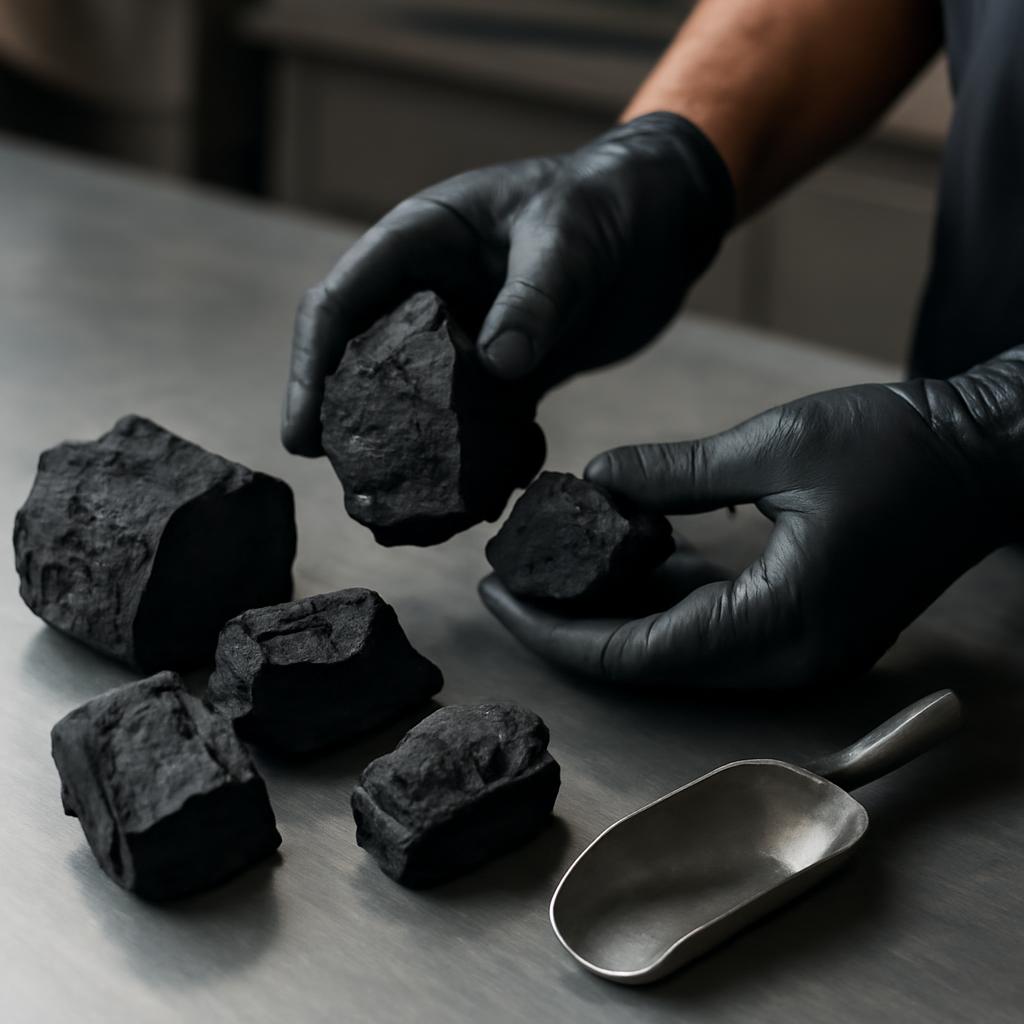
Well-made charcoal should look deeply black, feel lightweight for its size, and produce a clear, crisp sound when two pieces are tapped together. Poorly carbonized pieces may smoke heavily, smell sharp, or contain brown wood-like centers that burn unevenly.
Low moisture is essential for fast lighting and stable combustion. Excess moisture makes coals difficult to ignite, creates unnecessary smoke, and consumes valuable prep time before service begins. Ask suppliers about moisture control and packing conditions.
Specify Lump Size and Screen Out Fines
For a restaurant charcoal grill, medium-to-large pieces generally provide the most dependable airflow and burn rate. Oversized chunks can be slow to establish, while very small pieces and charcoal dust can restrict airflow and burn too quickly.
- Large pieces: useful for long, high-heat sessions and deep fire beds.
- Medium pieces: ideal for daily service, responsive heat adjustment, and even coal coverage.
- Fines and dust: should be minimized because they can reduce ventilation and increase waste.
Define an acceptable size range in the purchase specification and request a low percentage of broken material. This simple standard is often one of the most effective ways to improve consistency across deliveries.
Assess Burn and Ash Performance
Before committing to a large order, run a controlled kitchen trial. Record ignition time, time to cooking temperature, duration at usable heat, smoke level, ash volume, and the number of refuels needed during a normal shift.
Reliable low ash charcoal helps maintain airflow and minimizes interruptions. For deeper guidance on identifying grades, performance indicators, and suitable uses, consult this resource on mangrove charcoal quality and uses.
Best Practices for Using Mangrove Charcoal on the Grill
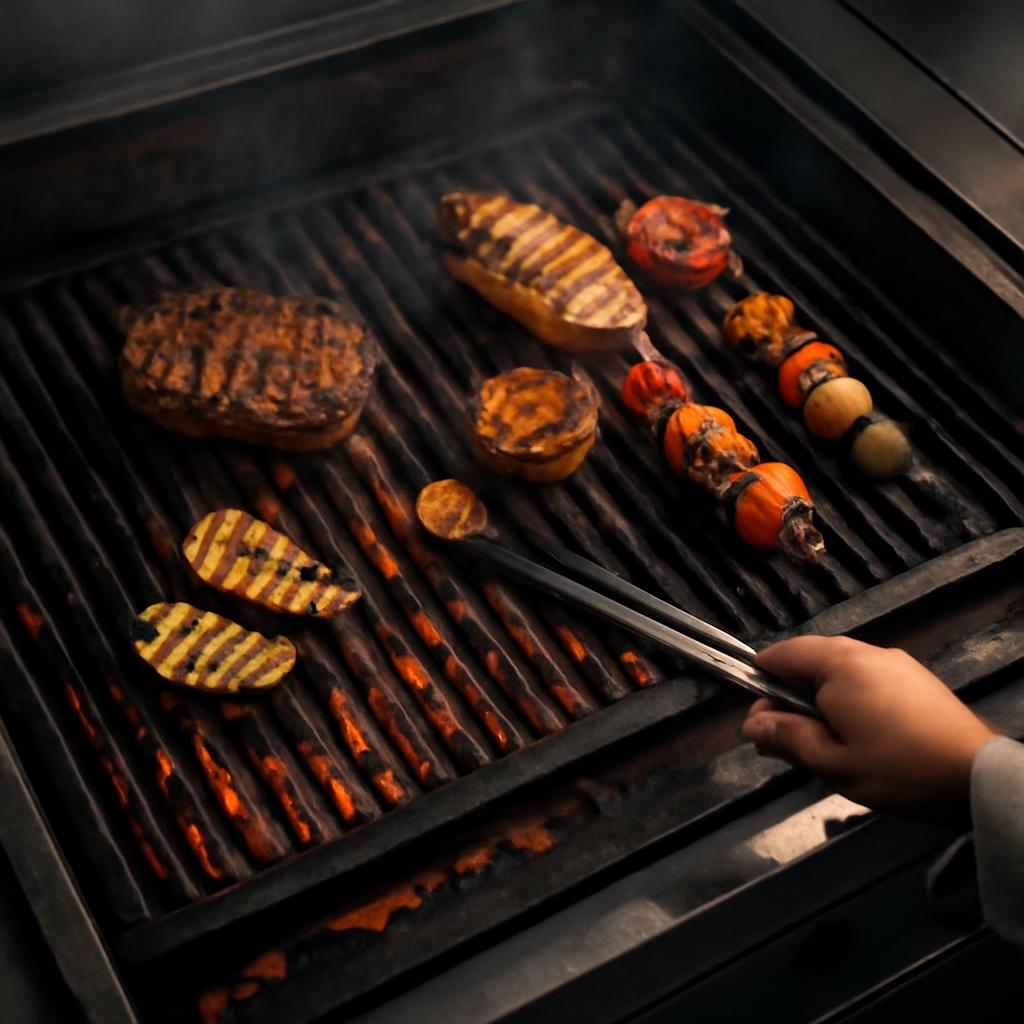
Even premium charcoal needs disciplined fire management. A repeatable setup process helps the grill team produce consistent results, reduce fuel waste, and respond quickly to changes in order volume.
Build Heat Zones Before Service
Create at least two zones: a dense, high-heat zone for searing and a thinner, moderate zone for finishing, holding, or cooking delicate items. On larger grills, adding a cooler edge gives the team a safe place to manage flare-ups without stopping production.
Allow the charcoal to establish a stable glow before placing food on the grate. A properly lit bed should have a bright ember base with a light gray surface on many pieces, rather than active heavy smoke from newly lit fuel.
Light Safely and Avoid Flavor Contamination
Use a chimney starter, electric charcoal starter, or other food-safe ignition method. Avoid gasoline, kerosene, and strongly scented accelerants, as they can create safety hazards and introduce unwanted flavors into food.
Start with enough fuel for the opening rush, then add dry charcoal in small amounts along the edge of the active bed. This approach prevents sudden temperature crashes and helps new pieces ignite gradually without smothering the fire.
Manage Airflow, Ash, and Flare-Ups
Oxygen drives charcoal combustion. Keep air intakes and ash areas clear, adjust vents carefully, and avoid packing the firebox so tightly that the coals cannot breathe. A clean grill grate and ash tray also support stronger, more stable heat.
Flare-ups are best managed by moving food to a cooler zone and limiting dripping fat, not by spraying the coals with water. Keep long-handled tools, heat-resistant gloves, and a documented fire-safety process at every live-fire station.
Sourcing and Storing Charcoal for Consistent Operations
A dependable charcoal program starts with supplier verification and ends with correct storage. The goal is not merely to buy fuel, but to protect a consistent grilling standard across every delivery and every service period.
Choose Suppliers With Clear Specifications
Request product details covering wood source, carbonization method, piece size, moisture expectations, ash level, packaging weight, and country of origin. A supplier able to provide samples and maintain repeatable grading is usually a stronger fit for commercial kitchens.
Responsible sourcing matters as well. Ask for documentation that supports legal supply chains and applicable forestry or export requirements. Understanding the full Vietnam mangrove charcoal supply profile helps purchasing teams ask more relevant questions before placing recurring orders.
Calculate Cost by Usable Heat, Not Bag Price
The lowest-priced bag can become expensive if it contains excess dust, burns rapidly, produces too much ash, or requires frequent refueling. Compare products by usable cooking hours, waste percentage, labor required for cleanup, and the number of bags consumed per shift.
Track these figures for several weeks after introducing a new product. This creates a practical cost-per-service measure and gives managers evidence for purchasing decisions rather than relying on assumptions.
Store Charcoal in a Dry, Safe Area
Keep bags off the floor on pallets or shelving, away from leaks, humidity, direct weather exposure, ignition sources, and food-preparation areas. Rotate stock using first-in, first-out practices so older inventory is used before newer deliveries.
Inspect bags upon arrival for tears, water damage, excessive powder, or contamination. A dry storage routine protects the performance of restaurant charcoal fuel and prevents avoidable losses before the charcoal reaches the grill.
Frequently Asked Questions
Is Vietnam mangrove charcoal suitable for restaurant grilling? Yes. Its dense composition, high heat potential, long burn time, and relatively low ash make it suitable for many professional grill applications when sourced and stored correctly.
What charcoal size is best for a restaurant grill? Medium-to-large lumps are usually best because they support airflow, produce steady heat, and reduce the amount of unusable dust in the firebox.
How can a restaurant test charcoal before buying in bulk? Request a sample and measure lighting time, usable burn duration, smoke, ash production, heat stability, and refueling needs during a typical service.
Does mangrove charcoal add a strong smoky flavor? Properly carbonized charcoal generally provides a clean, mild live-fire character. The final flavor depends on cooking technique, drippings, seasonings, and any additional wood used.
How should charcoal be stored in a restaurant? Store it sealed and dry, elevated from the floor, protected from moisture, and separated from heat sources and food-preparation areas.
