
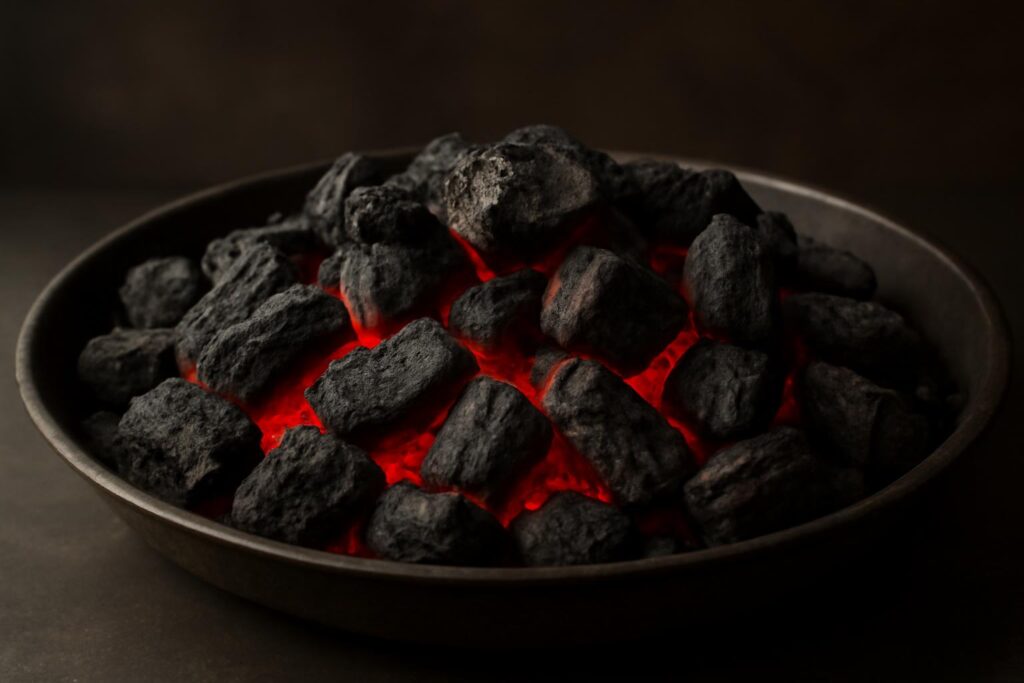
Vietnam Mangrove Charcoal uses include high-heat grilling, restaurant barbecue, home cooking, long-duration roasting, and selected industrial heat applications. Its dense hardwood structure delivers steady heat, long burn time, and relatively low smoke when properly carbonized. If you need fuel that supports cleaner flavor and dependable performance, this guide explains where it works best, how to select the right format, and how to use it safely.
Why Vietnam Mangrove Charcoal Performs So Well
Vietnam mangrove charcoal is valued because mangrove wood is naturally dense. When it is carbonized correctly, the resulting fuel can provide a strong, stable ember bed that is well suited to demanding cooking and heating tasks.
Dense hardwood for lasting heat
The compact structure of mangrove hardwood charcoal helps it burn more slowly than many lighter charcoal types. This makes it practical for grills, ovens, and stoves that need consistent heat without frequent refueling.
A quality batch should feel dry, hard, and substantial for its size. Dense pieces generally produce longer-lasting coals, although actual performance still depends on carbonization quality, piece size, airflow, and moisture exposure during storage.
Low-smoke cooking performance
Well-made low smoke charcoal can improve the cooking environment by reducing excessive fumes after the charcoal is fully lit. It is especially useful for open grilling areas, food stalls, and restaurants where a cleaner burn supports a more comfortable service space.
Smoke at startup is normal, particularly when using natural firelighters. Allow the fuel to ash over and develop glowing embers before placing food on the grate. Avoid charcoal that smells chemical, feels damp, or produces unusually heavy smoke.
Reliable fuel for heat-focused cooking
For buyers comparing grades, shapes, and sourcing standards, the Vietnam mangrove charcoal buying guide offers a broader view of quality indicators and purchasing considerations. The best choice depends on whether the priority is fast ignition, long duration, uniform heat, or reduced breakage in transit.
Charcoal is not a flavor substitute for clean technique. Its core advantage is controlled radiant heat, which helps cooks build sear, color, and texture while keeping the fire manageable.
Best Cooking and Grilling Applications
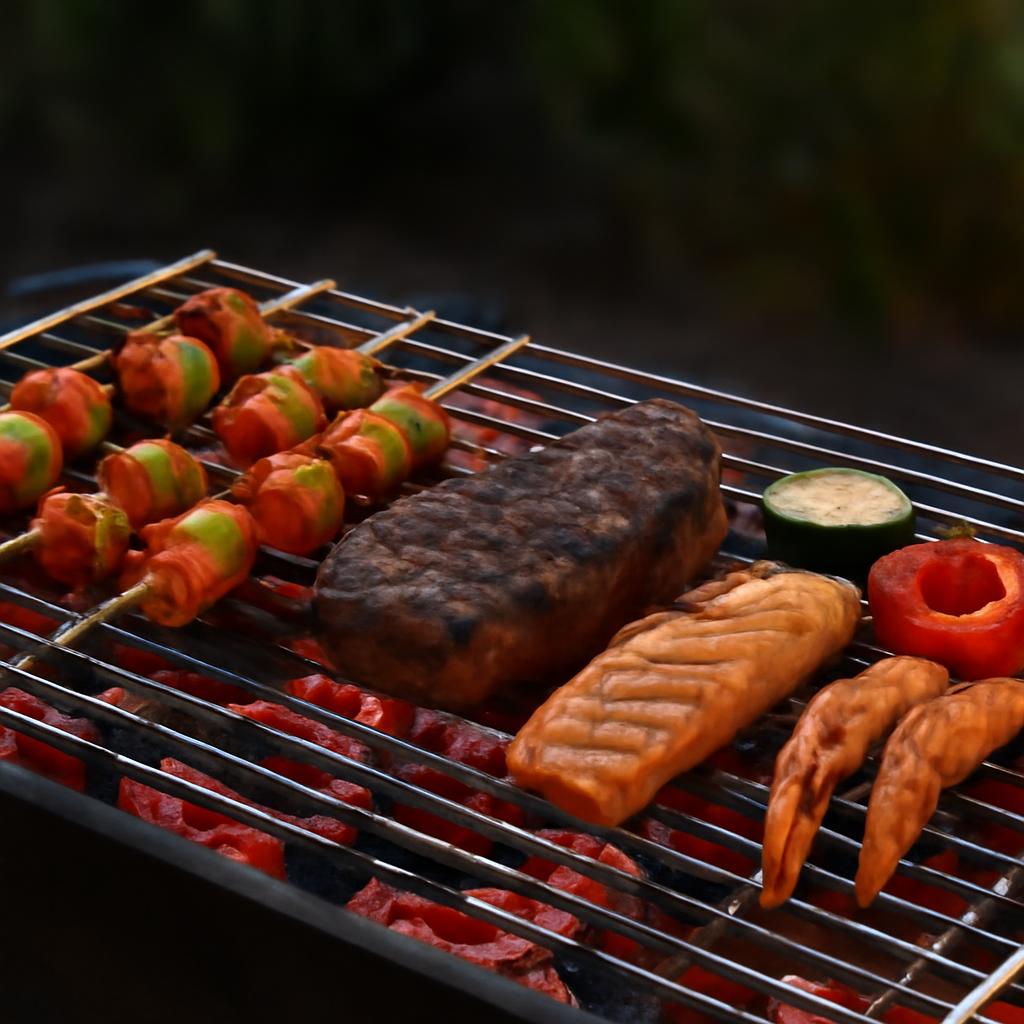
The most common Vietnam Mangrove Charcoal uses are culinary. Its steady burn makes it suitable for direct grilling, indirect cooking, rotisserie work, and long service periods where reliable heat matters.
Restaurant barbecue charcoal
Restaurant barbecue charcoal must hold heat through repeated orders and changing grill loads. Dense mangrove charcoal is often chosen for skewers, seafood, steaks, grilled vegetables, and tabletop barbecue because it can sustain a hot coal bed with fewer interruptions.
For busy operations, sort charcoal by size before lighting. Medium and large pieces help create a durable base, while smaller pieces can be used sparingly to fill gaps. This simple approach improves airflow and makes temperature management easier.
Home grilling and outdoor cooking
At home, long burning charcoal is useful for weekend barbecues, camp-style cooking, and family meals that require more than a quick burst of heat. Build a two-zone fire: place most coals on one side for searing and leave the other side cooler for gentler finishing.
Use a chimney starter or approved natural firelighter instead of fuel accelerants. Once the surface turns lightly gray and the center glows red, spread the coals evenly. This reduces flare-ups and helps prevent food from picking up harsh, sooty flavors.
Roasting, baking, and specialty cuisine
Charcoal-fired ovens and covered grills can use mangrove charcoal for roasting poultry, baking flatbreads, cooking clay-pot dishes, or finishing smoked foods. The goal is not constant flame; it is a stable ember bed that creates even radiant heat.
Learn more about selecting fuel for different cooking methods in this guide to mangrove charcoal quality and uses. Matching the charcoal grade to the equipment can reduce waste and improve cooking consistency.
Commercial and Household Uses Beyond the Grill
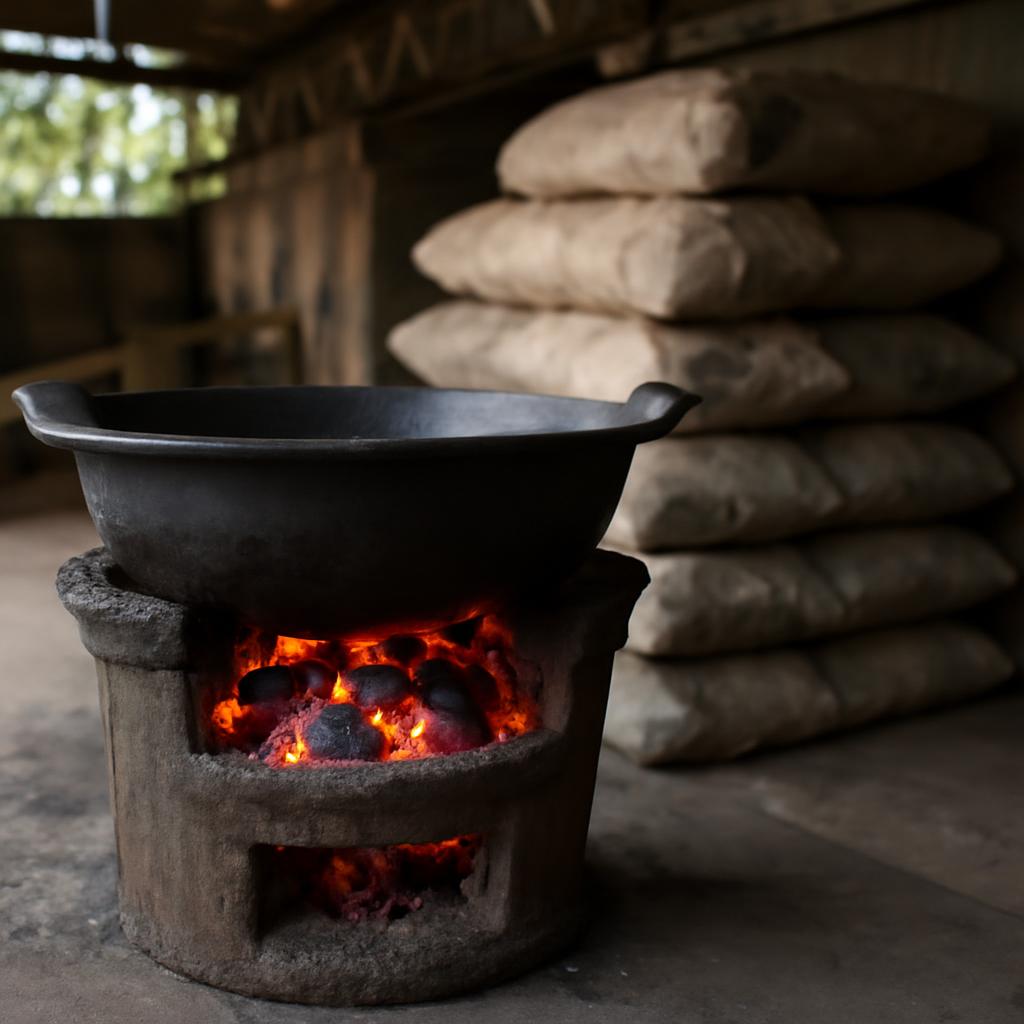
Although food preparation is the leading use, Vietnam mangrove charcoal can also support non-food heating needs when the charcoal grade, appliance design, and local safety requirements are appropriate.
Heat for traditional stoves and small food businesses
Street-food stalls, small bakeries, and traditional charcoal stoves may rely on charcoal for direct heat. A stable fuel source can support simmering, grilling, roasting, and warming operations, particularly where electrical or gas equipment is unavailable or impractical.
Use only in appliances designed for charcoal, and ensure ventilation is adequate. Burning charcoal produces carbon monoxide, an odorless and dangerous gas, so it must never be used indoors, in enclosed tents, garages, vehicles, or poorly ventilated spaces.
Industrial and craft heating
Some small-scale workshops use hardwood charcoal as a heat source for craft processes, metalwork, or controlled firing tasks. These applications require equipment-specific temperature control and should follow workplace ventilation, fire prevention, and emissions rules.
For commercial procurement, consistency matters as much as heat. Buyers should ask about moisture level, ash content, fixed carbon, piece-size range, packaging strength, and the intended application before ordering in volume.
Choosing lump charcoal or briquettes
Mangrove charcoal briquettes are often preferred when uniform shape, easy stacking, and predictable burn behavior are needed. Lump charcoal may be favored for natural irregular pieces, quick airflow, and high-heat grilling, but it can vary more in size.
A complete Vietnam mangrove charcoal overview can help buyers compare formats and quality checks before choosing a product for kitchens, restaurants, or trade supply.
How to Choose and Use Mangrove Charcoal Safely
Getting the best results from Vietnam mangrove charcoal starts with purchasing dry, properly carbonized fuel and using it in a safe, ventilated setting. Good storage and lighting practices protect both performance and food quality.
Quality checks before buying
Look for charcoal that is dry, hard, and free from visible mold or excessive powder. Excessive dust may indicate rough handling or weak carbonization, while a large amount of uncarbonized wood can cause extra smoke and uneven burning.
- Choose a piece-size range that fits the grill or stove.
- Ask for specifications such as moisture, ash content, and fixed carbon when buying commercially.
- Check that bags are sealed and protected from rain or ground moisture.
- Request sustainable sourcing documentation where relevant to your purchasing policy.
Lighting and temperature control
Start with a modest amount of charcoal and add more only after the first pieces are fully lit. Arrange coals with space between them so oxygen can circulate, then adjust vents gradually rather than making sudden changes.
For high heat, place the grate closer to a concentrated coal zone. For slower cooking, spread the coals into an indirect layout and keep a cooler area available. Close vents only when you are ready to reduce heat, not while the charcoal is still struggling to ignite.
Storage, disposal, and fire safety
Store unopened or opened bags in a dry, elevated location away from water, ignition sources, and children. After cooking, close grill vents if the appliance allows it and wait until all ash is completely cold before transferring it to a non-combustible container.
Never dispose of warm ash in a plastic bin, cardboard box, or garden waste bag. Keep a fire extinguisher, sand, or another suitable suppression method nearby whenever charcoal is in use.
Frequently Asked Questions
What are the main Vietnam Mangrove Charcoal uses?
Its main uses are grilling, barbecue service, roasting, outdoor cooking, charcoal ovens, and selected commercial heating applications.
Is mangrove charcoal good for grilling?
Yes. Properly carbonized mangrove charcoal is popular for grilling because its density can provide steady heat and a long burn time.
Does mangrove charcoal produce a lot of smoke?
Quality charcoal usually produces less smoke after it is fully ignited. Damp fuel, poor carbonization, grease flare-ups, and restricted airflow can create more smoke.
Can mangrove charcoal be used indoors?
No. Charcoal should never be burned indoors or in enclosed spaces because it produces carbon monoxide, which can be fatal.
How should mangrove charcoal be stored?
Keep it sealed or covered in a dry, well-ventilated area, raised off the floor and protected from rain, humidity, and open flames.
