
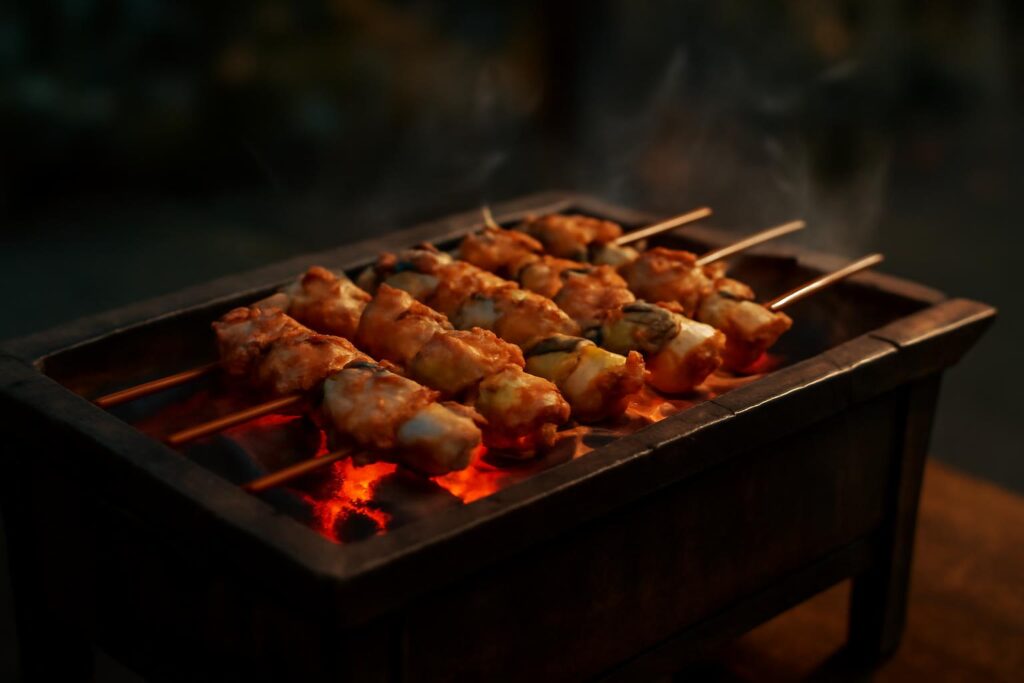
Vietnam Mangrove Charcoal for yakitori is a strong choice when you need steady heat, long burn time, and a clean grilling profile that lets chicken, tare, and seasoning stand out. Its dense hardwood structure can support the controlled, high-heat cooking that yakitori demands. If inconsistent embers, excess ash, or smoky flavors are affecting your skewers, this guide explains how to assess charcoal quality, light it properly, manage the grill, and buy grades suited to professional or home use.
Why Vietnam Mangrove Charcoal Works for Yakitori
Yakitori depends on precise heat control. Skewers cook close to the coals, often in repeated passes, so fuel must create a dependable ember bed rather than erratic flames. Vietnam Mangrove Charcoal for yakitori is valued for its density, sustained heat output, and relatively low ash when it is properly carbonized and screened.
Dense hardwood for stable embers
Mangrove hardwood charcoal is typically heavier and denser than softer lump charcoal. This density supports a longer burn and helps the charcoal maintain an even cooking zone during busy service. For yakitori restaurants, that can mean fewer interruptions for refueling and more consistent browning across every skewer.
A reliable high heat charcoal for grilling should produce glowing coals that respond predictably to airflow. When the grill is adjusted, the heat should rise or settle gradually instead of swinging sharply. This is particularly useful for delicate cuts such as chicken skin, liver, and tenderloin.
Clean flavor and controlled smoke
Good charcoal should enhance the grilled aroma without masking the ingredients. Properly made low ash charcoal has fewer loose particles and carbonizes more completely, helping reduce unpleasant smoke caused by residual moisture, dust, or incomplete burning.
Charcoal quality starts before it reaches the grill. Review the broader criteria for Vietnam mangrove charcoal quality when comparing density, carbonization, ash content, and practical end uses. These details directly affect the flavor, cleanliness, and speed of a yakitori station.
Suitable for traditional yakitori grills
A narrow, rectangular yakitori grill charcoal setup concentrates heat beneath the skewers. Dense mangrove pieces work best when arranged in an even layer with a few slightly larger pieces at the edges to sustain the fire. Avoid filling the grill too deeply, as an overly tall coal bed can scorch tare before the interior cooks.
For most service, use medium-to-large pieces that create airflow gaps while still forming a continuous ember base. Very small fragments can be useful for quick heat adjustments, but too many fines will restrict airflow and raise ash.
How to Select and Prepare Charcoal for Service
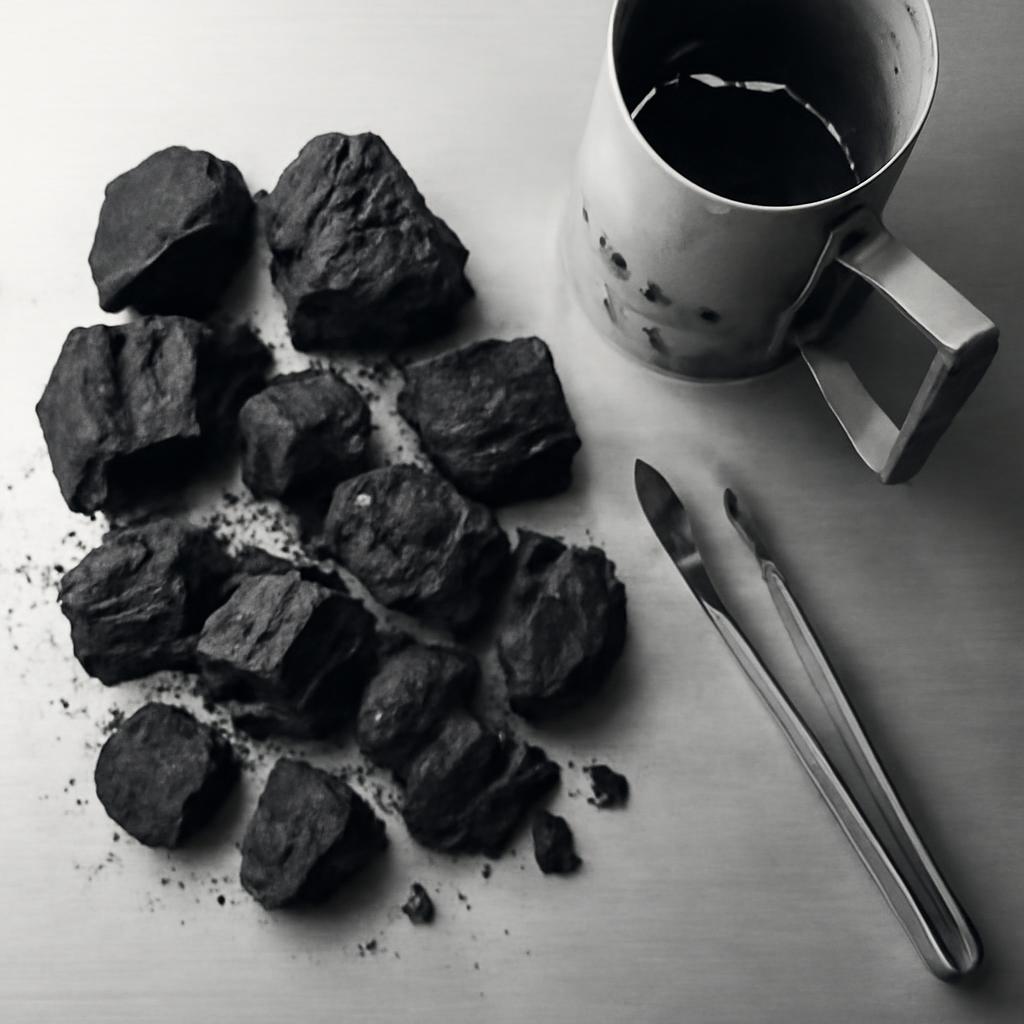
Not every bag of charcoal performs the same way. The best selection for yakitori has hard, dry pieces, limited dust, and a consistent size range. A visual inspection, a simple sound check, and a small burn test can prevent poor fuel from disrupting cooking service.
What to look for in a quality shipment
Choose charcoal with a high proportion of solid pieces rather than powder. Pieces should feel dry, look well-carbonized, and make a crisp sound when lightly tapped together. Excessive breakage can indicate rough handling, weak carbonization, or a product that will burn too quickly.
- Piece size: Medium and large pieces are easier to arrange and maintain.
- Moisture: Dry charcoal lights more cleanly and produces less initial smoke.
- Dust level: Minimal fines help protect airflow through the brazier.
- Ash behavior: Lower ash output supports cleaner, longer grilling sessions.
Build a two-zone coal bed
Start with a hotter center zone for searing and a gentler edge zone for finishing, holding, or cooking fatty pieces. This arrangement lets the cook move skewers instead of relying only on height or constant turning. A two-zone bed is especially helpful when a single order includes different cuts with different cooking speeds.
For a deeper reference on charcoal grades, end uses, and sourcing standards, consult this mangrove charcoal buying guide. Matching the grade to the grill format matters as much as choosing a dense hardwood species.
Light charcoal without contaminating flavor
Use a chimney starter, a dedicated charcoal burner, or a clean gas ignition method. Avoid lighter fluid, painted wood, treated paper, or scented fire starters because volatile residues can transfer undesirable odors to food. Wait until the pieces are evenly ignited and show a stable red core with a light outer ash before cooking.
Allow time for the initial smoke to clear before placing skewers over the heat. If the charcoal smells sharp, chemical, or damp after ignition, stop and identify the cause rather than trying to cover it with sauce or seasoning.
Grilling Techniques for Better Yakitori Results
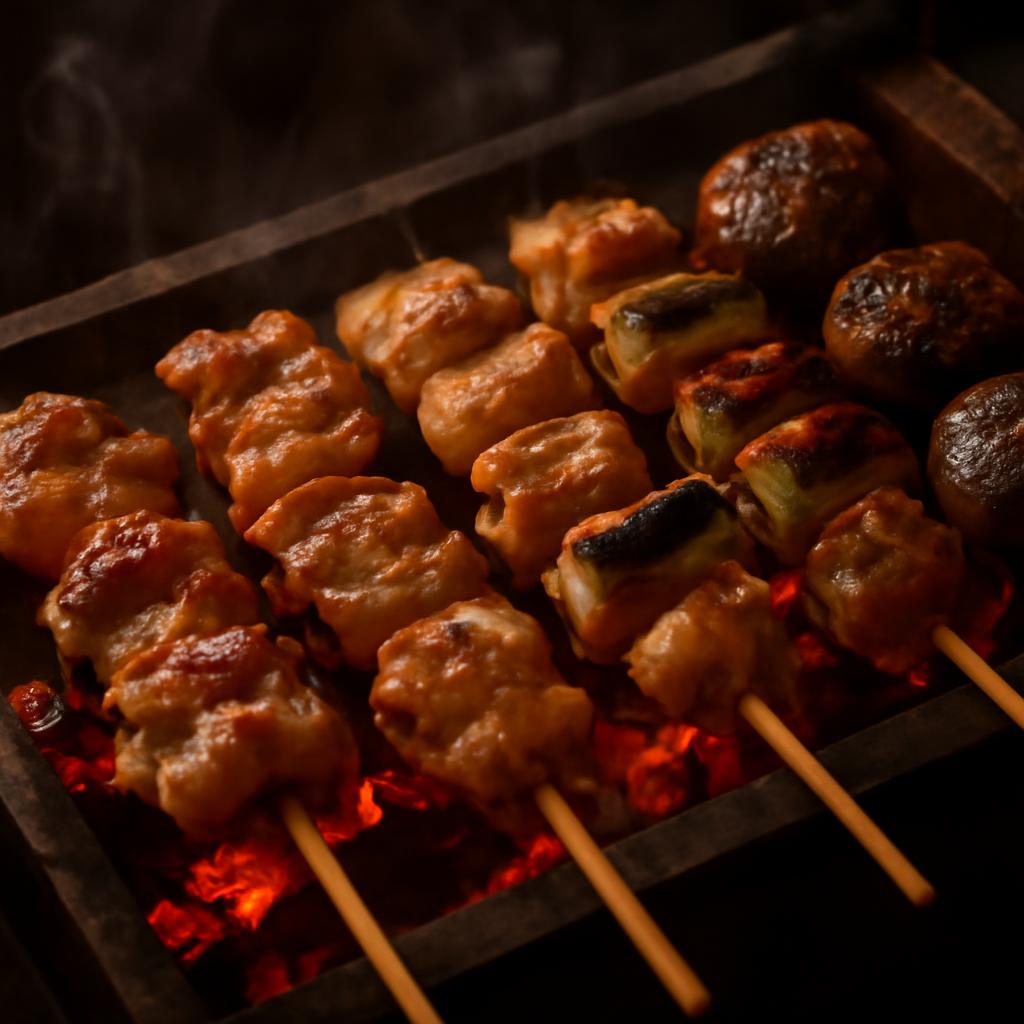
Excellent yakitori comes from managing distance, timing, and drippings. Vietnam Mangrove Charcoal can deliver the intensity needed for crisp skin and caramelized tare, but the cook must use that heat in short, deliberate stages rather than leaving skewers in one position.
Set the right distance from the embers
Place skewers close enough to hear a lively sizzle but far enough to avoid instant blistering. The ideal distance changes with the thickness and fat level of the ingredient. Chicken thigh can tolerate stronger radiant heat, while liver and vegetables need a softer zone and more attentive movement.
Use the hand test only as a rough guide and always prioritize visual cues. The surface should brown steadily, fat should render without uncontrolled flare-ups, and the skewer should turn easily. Raise the grate or shift the skewer toward the cooler edge when the surface darkens too quickly.
Control flare-ups and tare glazing
Fat dripping onto coals can create flames that char food unevenly. Keep a clear cooler zone, move skewers quickly when flames rise, and avoid pressing fatty pieces into the fire. A small fan can revive embers, but use it gently because a hard blast can spread ash onto the food.
Apply tare in thin layers near the final stages of cooking. Repeated light glazing develops shine and depth while limiting burnt sugar. Dense charcoal helps because it maintains heat after the lidless grill is repeatedly opened and skewers are moved.
Match skewers to the heat zone
Cook similar cuts together whenever possible. Skin, wing tips, and fatty thigh benefit from the hottest section, while breast, scallion, mushrooms, and liver are easier to manage at moderate heat. Rotate frequently for even coloration and rest finished skewers briefly before serving.
Understanding the wider uses of Vietnam mangrove charcoal can also help operators choose fuel strategies for robata, barbecue, and small charcoal grills beyond yakitori.
Storage, Safety, and Buying Considerations
Even premium charcoal loses performance when stored poorly. Keep bags dry, elevated from damp floors, and protected from rain or condensation. Proper storage preserves ignition speed, reduces smoke, and helps maintain the consistent heat that yakitori cooking requires.
Store charcoal in a dry, ventilated area
Keep unopened bags on pallets or shelving rather than directly on concrete. Once opened, transfer unused charcoal to a dry bin with a secure lid, but do not seal warm charcoal that has not fully cooled. Moisture can make the next lighting session smoky and slow.
Separate usable medium and large pieces from fines when possible. This simple step gives the cook better control: larger pieces maintain the main ember bed, while smaller pieces are reserved for filling gaps or restoring a weakening area.
Verify responsible sourcing and consistency
For commercial purchasing, ask suppliers about wood origin, carbonization methods, size specifications, moisture targets, and packaging. Responsible sourcing is an important consideration for sustainable mangrove charcoal, especially when supply chains involve coastal forest resources. Request documentation where available and prioritize suppliers that can provide consistent batches.
Run a test burn before committing to a large order. Measure practical factors such as lighting time, burn duration, ash volume, smoke at startup, spark behavior, and the percentage of broken pieces. A small trial on your actual grill gives more useful answers than marketing claims alone.
Use charcoal safely in every setting
Burn charcoal only in a properly ventilated outdoor or commercial grilling environment. Never use it indoors, in enclosed rooms, or in poorly ventilated spaces because burning charcoal produces carbon monoxide. Keep a fire extinguisher suitable for cooking areas nearby, use heat-resistant tools, and let ashes cool completely in a metal container before disposal.
When buying restaurant-grade charcoal, prioritize consistent performance over the lowest bag price. Fuel that burns longer, creates less ash, and protects food flavor can reduce labor, waste, and service disruptions over time.
Frequently Asked Questions
Is Vietnam Mangrove Charcoal good for yakitori? Yes. Dense, properly carbonized mangrove charcoal can provide long-lasting, high heat and a clean grilling profile well suited to yakitori.
Does mangrove charcoal add a strong smoky flavor? Quality charcoal should produce a subtle grilled aroma, not heavy or chemical smoke. Strong odors often indicate moisture, impurities, or incomplete carbonization.
What size charcoal pieces are best for a yakitori grill? Medium-to-large pieces are generally best because they maintain airflow and form a stable ember bed. Small pieces are useful only for minor heat adjustments.
How long should charcoal burn before cooking yakitori? Begin cooking when the charcoal has an even glowing core, stable heat, and most startup smoke has cleared. Timing varies with piece size and lighting method.
How should unused mangrove charcoal be stored? Store it in a dry, covered, ventilated area away from moisture. Keep bags off the floor and place opened charcoal in a dry container after it has cooled completely.
