
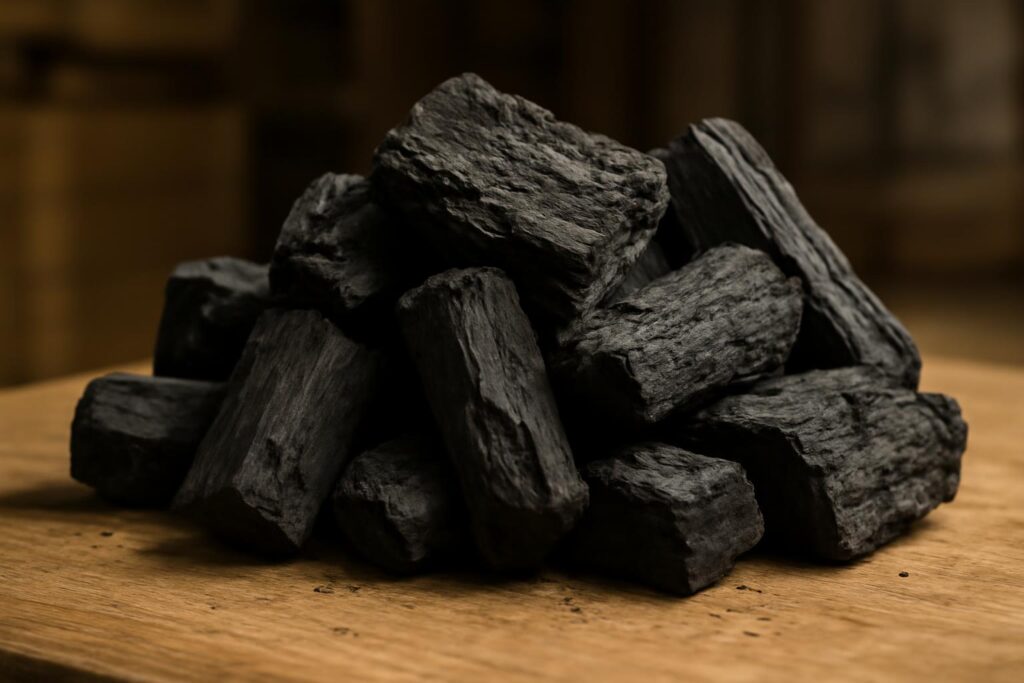
Vietnam Mangrove Charcoal moisture content should ideally be kept at 5% or lower for reliable ignition, strong heat output, and cleaner combustion. Excess moisture adds weight, makes charcoal harder to light, and can reduce usable energy. If you need consistent quality for grilling, shisha production, or wholesale distribution, this guide explains the accepted moisture range, practical testing methods, storage controls, and purchase specifications. You will also learn how moisture interacts with ash, fixed carbon, packaging, and container transport.
Why Moisture Content Matters in Vietnam Mangrove Charcoal
Moisture is the water retained inside or on the surface of charcoal after carbonization, cooling, handling, and storage. In commercial trade, it is a core quality metric because it directly affects how much usable fuel a buyer receives. Low-moisture Vietnam mangrove charcoal generally lights faster, burns more steadily, and produces more practical heat per kilogram.
Moisture changes usable heat value
Before charcoal can generate heat for cooking or industrial use, any retained water must evaporate. That evaporation consumes energy. As a result, a shipment with elevated charcoal moisture level can feel slow to ignite and may deliver less effective cooking heat than a dry shipment of the same gross weight.
For buyers comparing suppliers, moisture should never be evaluated alone. It belongs beside fixed carbon, ash percentage, volatile matter, size distribution, and hardness. A broader view of Vietnam mangrove charcoal quality standards helps procurement teams avoid judging charcoal by appearance alone.
Why mangrove charcoal requires careful handling
Mangrove charcoal is valued for its dense structure, long burn time, and high-temperature potential. However, porous charcoal can absorb humidity after production if it is exposed to rain, damp warehouse floors, humid air, or damaged packaging. Even properly carbonized charcoal can lose market-ready condition during poor post-production handling.
This is especially important in tropical supply chains, where seasonal humidity and port-side delays can create conditions for moisture uptake. Dry production is only the first step; dry handling, dry packaging, and dry storage protect the final product.
Moisture also affects commercial fairness
Because charcoal is commonly sold by weight, excess water can inflate shipment weight without increasing fuel value. Buyers should request a documented maximum moisture percentage and define the test basis in the purchase agreement. This creates a clear acceptance standard at loading and destination inspection.
Recommended Moisture Levels and How to Test Them

For most premium cooking and export-grade applications, a practical target is 0% to 5% moisture. Many buyers set a maximum of 5%, while stricter programs may request 3% or lower when product consistency, easy lighting, and extended storage stability are critical.
Typical specification ranges
The right threshold depends on the intended use, packaging, climate, and customer expectations. The following ranges are commonly useful as buying references:
- Premium restaurant and barbecue charcoal: 0% to 5%
- General export mangrove charcoal: maximum 5%
- Charcoal stored or shipped in humid conditions: target below 5% before dispatch
- Specialized processing applications: follow the buyer’s stated technical specification
A low result is valuable only when sampling is representative. Test samples should be collected from several bags and different positions in the lot, not only from clean, dry pieces at the top of a package. This approach gives a more credible picture of the shipment’s actual condition.
Oven-dry testing method
The most dependable laboratory approach is the oven-dry method. A weighed charcoal sample is dried at a controlled temperature until it reaches constant mass, then reweighed. Moisture content is calculated from the lost mass as a percentage of the original sample weight. This method is suitable for supplier quality control and independent inspection.
For routine checks, a calibrated moisture meter may provide a quick indication, but meter readings should be verified periodically against an oven-dry result. Charcoal density, particle size, temperature, and instrument settings can influence rapid measurements.
What to request in a supplier report
Ask for a recent certificate of analysis that lists moisture, fixed carbon, ash, volatile matter, and test method. A complete charcoal quality certificate should identify the sample date, lot reference, and laboratory or inspection source. When contracts are substantial, arrange pre-shipment inspection with mutually agreed sampling rules.
Understanding the full specification is easier when paired with a practical mangrove charcoal buying guide, particularly for buyers balancing performance requirements against budget and logistics.
How Moisture Affects Performance, Storage, and Shipping
High moisture does more than delay ignition. It can increase smoke during startup, lower the perceived heat output, complicate customer use, and create avoidable claims after delivery. In tightly controlled foodservice and retail channels, inconsistent lighting performance can harm repeat sales even when the charcoal looks visually acceptable.
Combustion and user experience
Dry mangrove charcoal generally reaches cooking temperature more efficiently because less energy is diverted to evaporating water. Damp pieces may hiss, smoke longer during lighting, or require more starter material. These effects matter for barbecue operators who need predictable turnaround between service periods.
Moisture should also be reviewed with fixed carbon content. High fixed carbon supports longer, hotter burning, but avoidable moisture can reduce the practical benefit. A balanced specification protects both laboratory quality and real-world performance.
Warehouse storage controls
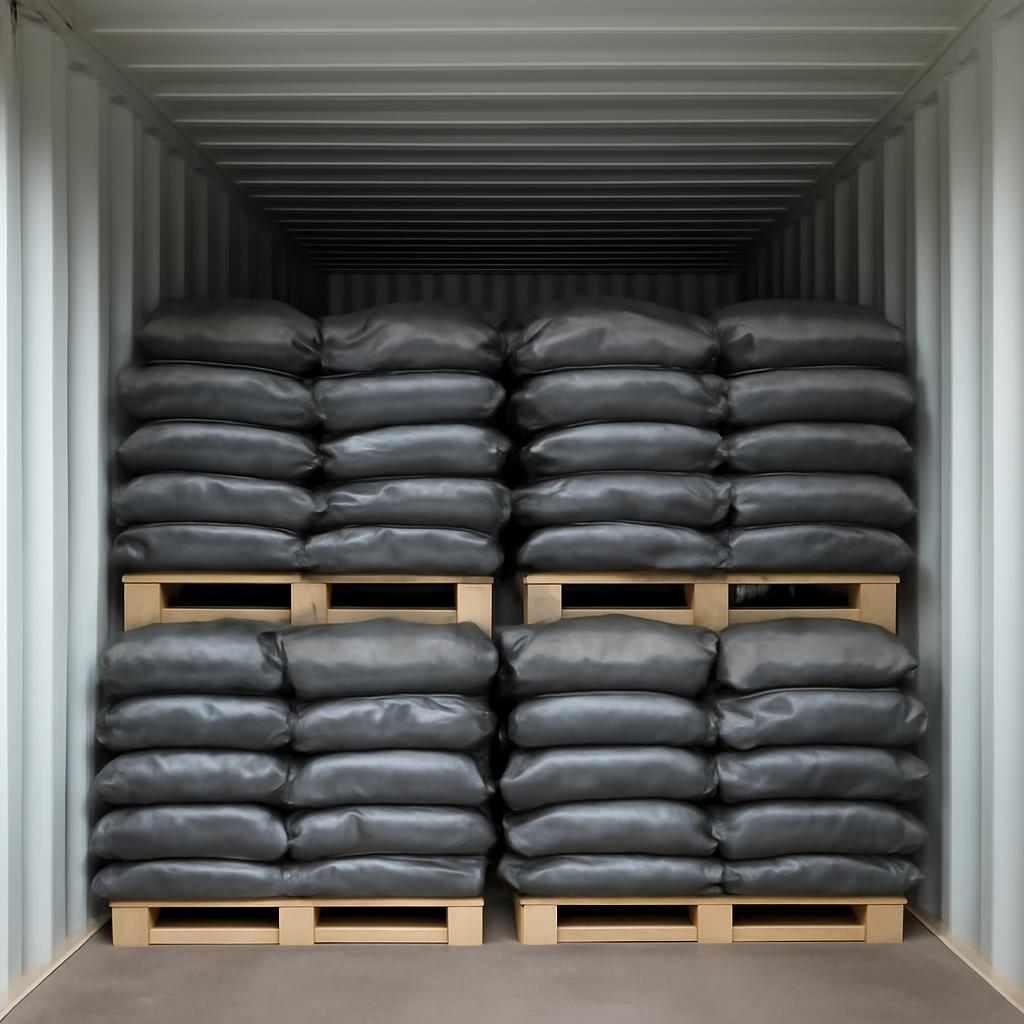
Store bagged charcoal in a covered, ventilated area on pallets or racks, never directly on concrete or soil. Keep it away from leaking roofs, open doors during rain, and wet cleaning zones. Use moisture-resistant outer packaging and rotate inventory so older stock is dispatched first.
Warehouse teams should inspect bags for tears, condensation, mold odors, or softened cartons. Although charcoal itself is not a food product, packaging damage can allow moisture absorption and downgrade saleable stock. Maintaining proper charcoal storage conditions is often less expensive than managing a moisture-related claim.
Container and port risk
Container loading should take place only when cargo and packaging are dry. Avoid loading during rain, use clean and dry container floors, and protect bags from contact with walls where condensation may form. Desiccants, liners, and dry dunnage may be appropriate based on route length and seasonal humidity.
For a wider view of product selection, applications, and transport considerations, review this guide to Vietnam mangrove charcoal uses before finalizing an order specification.
How Buyers Can Specify and Control Moisture Content
The most effective way to control moisture is to make it a measurable contract condition, not a vague preference. State the maximum percentage, sampling plan, test method, inspection timing, and remedy for non-conforming cargo. Clear language prevents disputes between supplier, inspector, freight partner, and buyer.
Build a clear purchase specification
A useful specification can state: moisture maximum 5% by oven-dry method, measured on representative pre-shipment samples. Add requirements for packaging integrity, bag weight tolerance, permitted charcoal size range, ash limit, and fixed carbon minimum. This creates a practical framework for evaluating the complete shipment.
If your market needs a stricter standard, do not simply request “dry charcoal.” Specify the exact maximum moisture percentage and confirm that the supplier can maintain it after cooling, bagging, warehouse storage, and container loading.
Use inspection checkpoints
Quality control is strongest when it occurs at multiple points. Check incoming raw material and weather exposure, monitor post-carbonization cooling, inspect packaging before palletizing, and verify the finished lot before loading. These checkpoints reduce the chance that a dry production batch becomes a damp export shipment.
For larger orders, retain sealed reference samples from the inspected lot. If a claim arises at destination, retained samples and documented conditions can help determine whether moisture developed before shipment or during downstream handling.
Buyer checklist before confirming shipment
- Confirm the agreed maximum moisture percentage and test method.
- Review the latest laboratory or inspection report.
- Verify that samples were drawn from multiple bags and locations.
- Inspect packaging for holes, wet marks, and weak seams.
- Confirm the warehouse and container are dry before loading.
- Record loading conditions with inspection notes and photographs.
With these controls in place, Vietnam Mangrove Charcoal moisture content becomes a manageable quality parameter rather than an expensive surprise after delivery.
Frequently Asked Questions
What is the ideal moisture content for Vietnam mangrove charcoal?
What is the ideal moisture content for Vietnam mangrove charcoal? A target of 0% to 5% is widely suitable for premium grilling and export use. Many contracts set 5% as the maximum acceptable level.
Can moisture make charcoal difficult to light?
Can moisture make charcoal difficult to light? Yes. Water must evaporate before efficient combustion begins, so damp charcoal often lights more slowly and may produce extra startup smoke.
How is charcoal moisture content measured?
How is charcoal moisture content measured? The oven-dry method is the most reliable: weigh a representative sample, dry it to constant mass, reweigh it, and calculate the weight loss percentage.
Does high moisture increase the shipping weight?
Does high moisture increase the shipping weight? Yes. Added water increases gross weight but does not provide useful fuel value, which is why a moisture limit should be included in the contract.
How can charcoal be protected from moisture during shipping?
How can charcoal be protected from moisture during shipping? Use intact moisture-resistant packaging, dry pallets, a clean dry container, protection from rain during loading, and suitable moisture-control materials for the route.
