
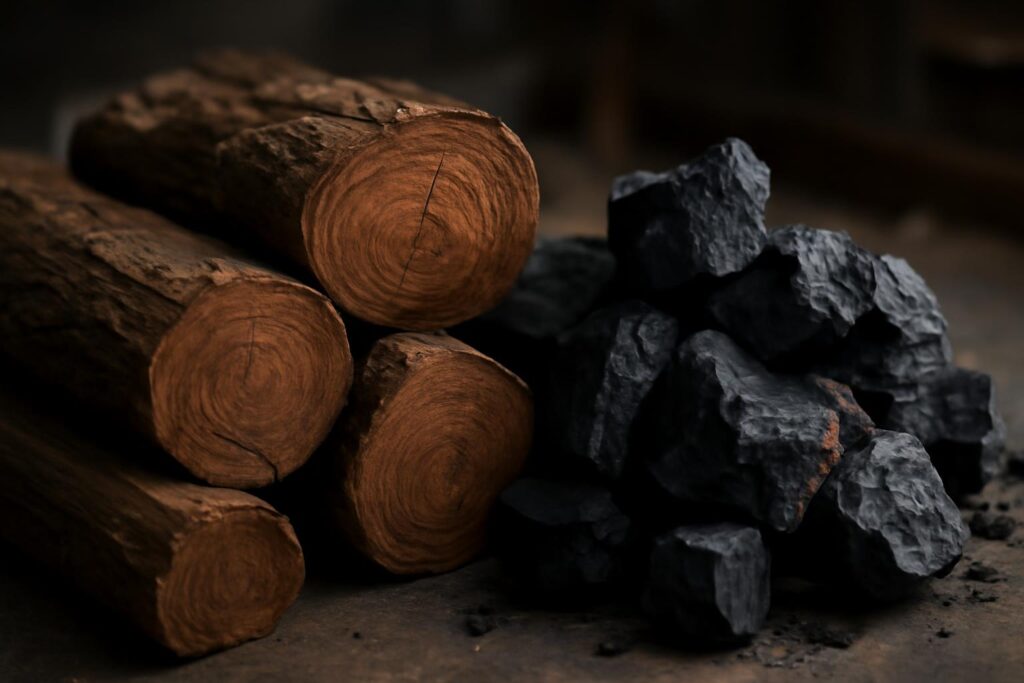
The best mangrove species for Vietnam Mangrove Charcoal are dense hardwood species, especially Rhizophora and Bruguiera, because they produce long-burning, high-heat charcoal with stable structure. If you need dependable grilling fuel or a consistent supply for trade, species selection is the foundation of performance and responsible purchasing. This guide explains the leading species, the wood traits that matter, sustainable sourcing signals, and how to match charcoal to its intended use.
Why Species Selection Determines Charcoal Quality
Mangrove charcoal quality begins long before carbonization. The species, maturity, wood density, moisture level, and kiln control together determine fixed carbon, burn duration, heat output, ash content, and smoke behavior. Dense mangrove hardwoods are valued because their tight grain creates a strong charcoal structure that is less likely to crumble during packing and transport.
Wood density creates lasting embers
High-density mangrove wood generally yields charcoal with durable pieces and slow, even combustion. This makes it a practical choice for restaurants, barbecue distributors, and industrial users who need a dependable ember bed rather than a fast, short-lived flame. When comparing Vietnam mangrove charcoal, look beyond appearance and ask about the source species and carbonization method.
Species with dense heartwood can retain heat for longer under controlled airflow. This supports steady grilling temperatures, reduces the need for frequent refueling, and helps users manage cooking more precisely. Well-made charcoal should feel hard, sound crisp when tapped, and show limited dust in the bag.
Carbonization turns hardwood into usable fuel
Proper charcoal carbonization removes moisture and volatile compounds while preserving a porous carbon structure. Inconsistent kiln temperatures can leave partially carbonized wood, creating smoke, odor, or difficult ignition. A well-managed process produces a cleaner burn and more predictable performance from the same species.
For a broader evaluation of grades, performance factors, and purchasing criteria, use this Vietnam mangrove charcoal buying guide alongside supplier specifications. Species is essential, but final quality also depends on sorting, drying, packaging, and storage conditions.
Species influences commercial consistency
For bulk buyers, uniform raw material improves consistency between shipments. Mixed hardwood charcoal may perform well, but it can vary in density, sizing, ash, and burn time. Specifying the preferred mangrove genus, lump-size range, moisture target, and breakage tolerance helps create a clearer purchasing standard.
Do not assume that a darker color alone proves quality. Charcoal should be assessed through sample testing, including ignition time, burn duration, ash residue, odor, piece hardness, and packaging cleanliness. These checks reveal whether the wood and process are suitable for the intended market.
Key Mangrove Species Used for Vietnam Mangrove Charcoal
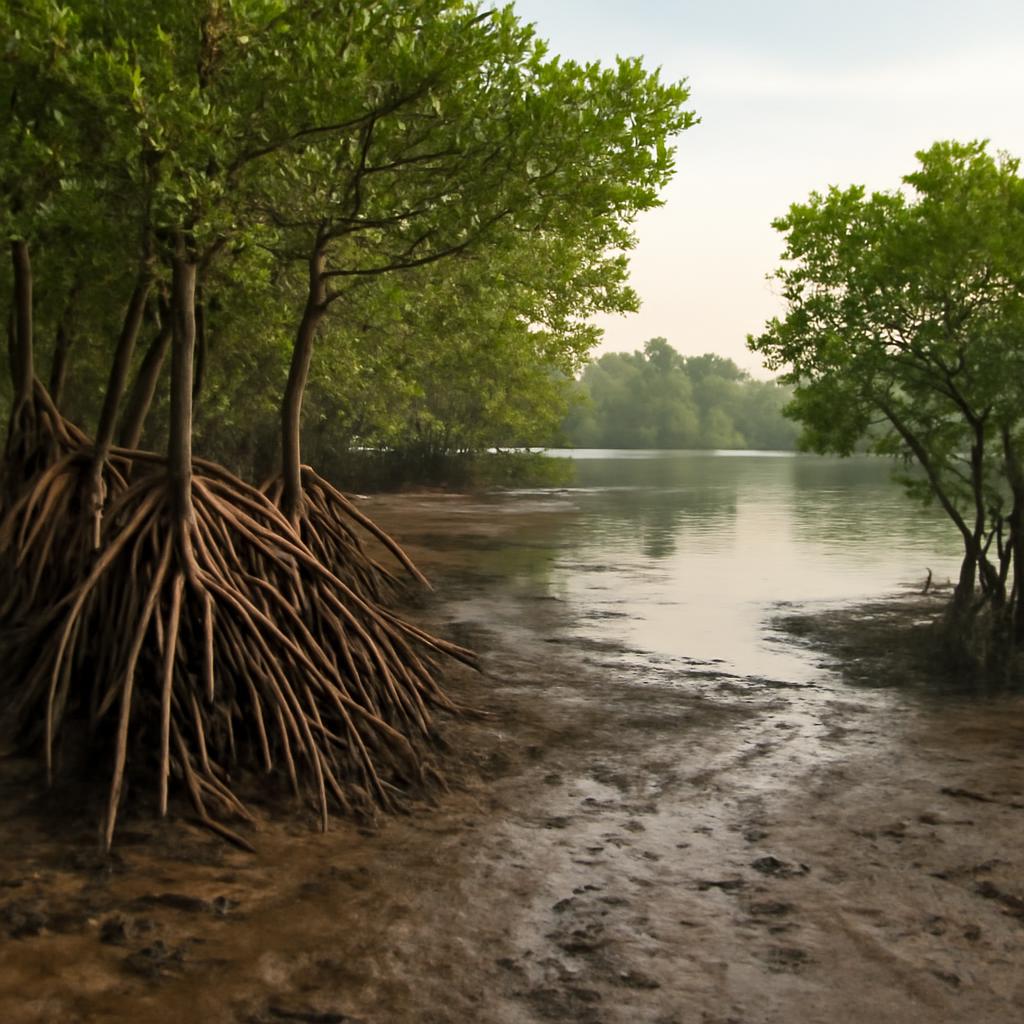
Vietnamese coastal mangrove ecosystems contain several hardwood species, but not every tree type produces charcoal with the same commercial value. Species from the Rhizophora and Bruguiera genera are commonly associated with dense wood and strong fuel properties. Availability can vary by region, season, legal harvesting rules, and plantation management.
Rhizophora: a preferred dense hardwood
Rhizophora charcoal is widely sought after for its density, long burn time, and high, steady heat. Rhizophora trees are recognizable by their prop-root systems in intertidal environments, while their wood is appreciated for creating robust lump charcoal. When carbonized correctly, it can provide durable embers suited to prolonged grilling and professional kitchen operations.
Buyers should still verify the product rather than rely only on a species claim. Ask whether the charcoal is primarily Rhizophora, whether it is mixed with other woods, and whether the lot was screened for uniform size. Clear disclosure supports fair comparison between offers.
Bruguiera: dense wood for stable heat
Bruguiera charcoal is another strong option where legally available and responsibly produced. Its dense wood can yield hard charcoal with a controlled, steady burn. It is often considered suitable for applications that value heat retention, including barbecue service where a stable cooking zone is more useful than a sudden burst of flame.
Because species distribution differs across mangrove areas, a reliable supplier should explain the wood mix honestly. A product described as mangrove charcoal may include more than one approved hardwood species; what matters is that the material meets the required performance specification and traceability standard.
Species comparison for practical purchasing
In practical terms, Rhizophora is frequently selected for premium lump charcoal where long-lasting embers and piece strength are priorities. Bruguiera can also deliver excellent density and heat stability. The best choice is not simply the most familiar species; it is the legally sourced, properly carbonized material that matches the buyer’s use case.
- Rhizophora: commonly favored for dense, long-burning lump charcoal.
- Bruguiera: valued for hard wood, steady heat, and durable embers.
- Mixed approved mangrove hardwoods: can be suitable when species composition and performance are transparently specified.
For an overall view of product formats and performance expectations, consult this guide to mangrove charcoal quality and uses. It helps buyers connect species selection with practical decisions about grilling, hospitality, resale, and bulk procurement.
Responsible Sourcing and Processing Standards
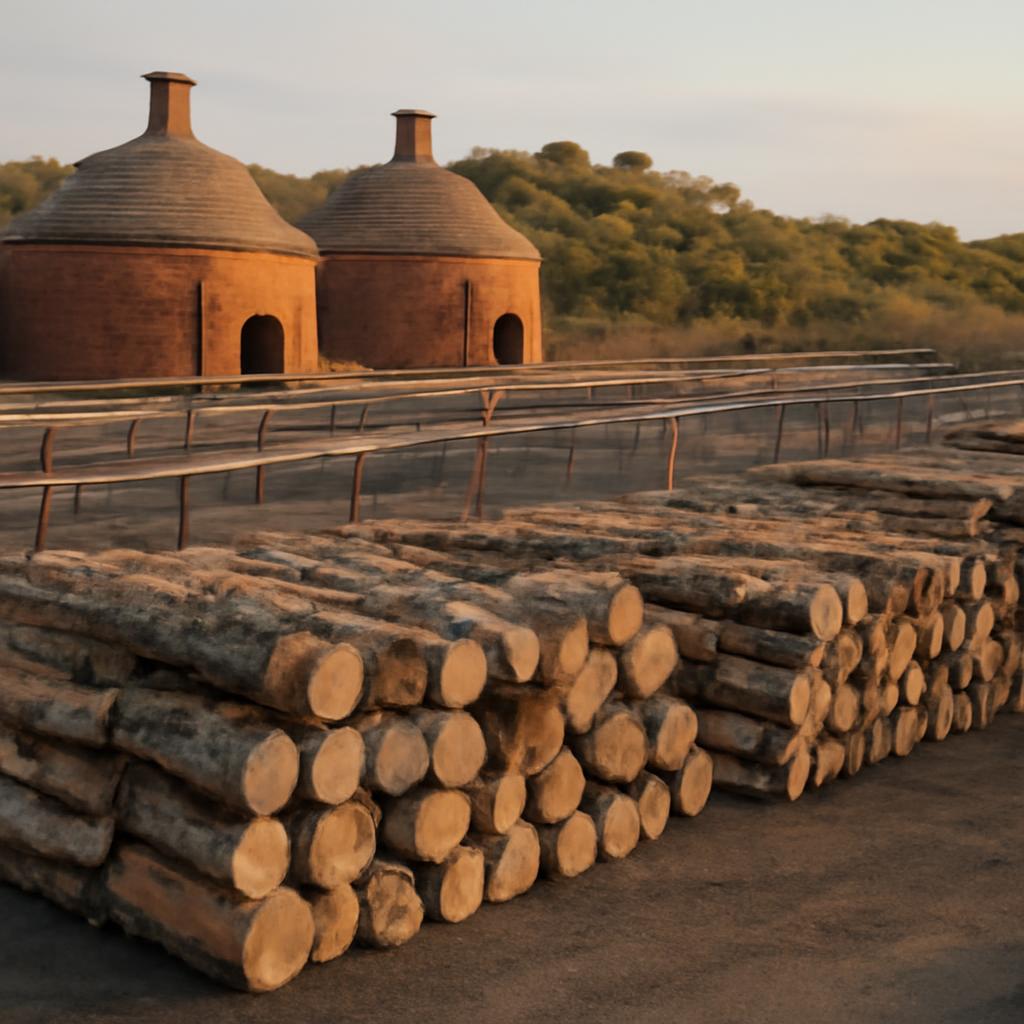
Mangrove forests protect shorelines, store carbon, support fisheries, and provide habitat for many species. Therefore, charcoal production must never be separated from legality and forest stewardship. Responsible buyers should prioritize sustainable mangrove charcoal sourced through legal, documented supply chains that respect restoration, planting, and management requirements.
Traceability is a non-negotiable purchasing signal
Ask suppliers for clear information about raw-material origin, harvesting authorization where applicable, transport records, production location, and export documents. Traceability does not only support environmental responsibility; it also reduces the risk of inconsistent quality, interrupted supply, and customs complications.
A responsible sourcing program should avoid vague claims. Statements such as “eco-friendly” should be backed by details about forest management, legal compliance, replanting or restoration practices, and chain-of-custody controls. Buyers should request documentation that is appropriate for their market and order size.
Efficient kilns reduce waste and smoke
Modernized or well-operated kilns can improve yield, reduce wood waste, and help control emissions compared with poorly managed open burning. The goal is complete, even carbonization without over-burning the charcoal into fragile, low-yield material. Careful cooling also matters because exposure to oxygen too early can cause combustion and product loss.
After carbonization, charcoal should be cooled, sorted, screened, and packed in dry conditions. Excess fines reduce customer satisfaction, while damp storage can make ignition difficult. Quality control at this stage protects the value created by selecting the right mangrove species.
What responsible buyers should request
Before placing a large order, request a representative sample and a written specification. Useful details include declared species or species mix, charcoal form, piece-size distribution, moisture level, ash level, fixed carbon where tested, packaging type, and inspection terms. This converts broad marketing language into measurable requirements.
Learn how sourcing standards fit into product evaluation with this responsible Vietnam mangrove charcoal selection guide. A disciplined buying process protects product performance while encouraging legitimate, better-managed supply chains.
How to Choose Charcoal by Species and End Use
The right charcoal depends on how it will be used. A restaurant may prioritize long burn duration and uniform heat, while a retailer may need clean, attractive lumps with low breakage. An industrial buyer may focus on repeatable specifications and container-scale consistency. Start with the application, then select the species profile and grade that best support it.
For barbecue and food service
For grills, choose dense lump charcoal from well-carbonized mangrove hardwoods with low visible dust and a consistent medium-to-large size range. Hard Rhizophora or Bruguiera-based charcoal can support extended cooking sessions and maintain an even ember bed. Always conduct a burn test using the same grill configuration used in normal operation.
Food-service buyers should assess odor during ignition and cooking, ash accumulation, spark behavior, and how easily heat can be adjusted through airflow. Clean processing and dry packaging are as important as the nominal species name.
For resale and export programs
Retail and export orders need packaging that protects lumps from breakage and moisture. Define carton strength, inner bag material, net weight tolerance, labeling requirements, palletization, and container loading procedures before production begins. A sample approved at the start should become the reference for the full shipment.
For premium positioning, communicate factual benefits such as dense hardwood feedstock, long-lasting heat, screened sizing, and responsible sourcing documentation. Avoid unsupported environmental claims, and make sure that every product statement can be verified by supplier records or quality testing.
A simple supplier evaluation checklist
Use the following checklist to compare suppliers of mangrove charcoal objectively:
- Confirm the declared mangrove species or species mix.
- Review legal origin and available traceability documents.
- Test a representative sample for heat, burn time, ash, odor, and breakage.
- Set written specifications for size, moisture, dust, packing, and inspection.
- Verify that storage and loading practices protect charcoal from water and crushing.
The strongest purchase decision combines the right species with repeatable production controls. By treating species identity, carbonization quality, and responsible sourcing as one standard, buyers can secure charcoal that performs reliably and supports a more accountable supply chain.
After selecting the appropriate species and grade, buyers can view mangrove charcoal wholesale options for export specifications, packaging, and enquiries.
Frequently Asked Questions
Which mangrove species is best for charcoal in Vietnam?
Rhizophora is commonly preferred for dense, long-burning charcoal, while Bruguiera is also valued for hard wood and stable heat. The best option depends on legal availability, carbonization quality, and the intended use.
Is all mangrove charcoal made from one species?
No. Some products use a single primary species, while others use a declared mix of approved mangrove hardwoods. Buyers should request a clear species statement and a performance specification.
How can I check whether mangrove charcoal is good quality?
Inspect hardness, lump size, dust level, dryness, ignition behavior, burn duration, ash, and odor. A controlled burn test of a representative sample is the most practical verification method.
Why is responsible sourcing important for mangrove charcoal?
Mangroves protect coastal ecosystems and support local biodiversity. Legal, traceable sourcing helps reduce environmental risk and supports a more reliable long-term charcoal supply.
Can mangrove charcoal be used for restaurant grilling?
Yes. Dense, properly carbonized mangrove hardwood charcoal can be well suited to restaurant grilling because it offers stable heat and long-lasting embers. Confirm food-service suitability through sample testing and supplier documentation.
