Vietnam Mangrove Charcoal certifications are not usually a single universal certificate; buyers should verify legal origin, sustainable sourcing evidence, product test reports, export documentation, and any market-specific compliance requirements. If you need dependable charcoal for import, retail, food service, or industrial use, certification claims must be supported by traceable documents rather than labels alone. This guide explains which records matter, how to validate them, how certification relates to product quality, and how to screen suppliers with confidence.
What Vietnam Mangrove Charcoal Certifications Really Mean
Certification language can be confusing because charcoal moves through forestry, processing, export, food-contact, and customs rules. A legitimate claim should identify the standard, the certificate holder, the issuing body, the certificate scope, and the period of validity. A vague statement such as “eco-certified” is not enough for professional procurement.
Certification is not one document
For Vietnam mangrove charcoal, a credible compliance package may combine charcoal export documentation, source-material records, a production-site profile, laboratory results, and shipping documents. The exact mix depends on the destination country and intended use. For example, barbecue charcoal sold into a retail market may need different evidence than charcoal purchased as an industrial fuel.
It is also essential to distinguish a forest-management certificate from a product-quality test. Sustainable sourcing evidence addresses where biomass came from and how it was managed, while a laboratory report may address moisture, ash, volatile matter, fixed carbon, sulfur, or size distribution. Neither document automatically replaces the other.
Why traceability matters for mangrove-based products
Mangrove ecosystems are environmentally sensitive, so purchasers should give priority to transparent, legal, and responsibly managed supply chains. Legal timber origin verification may include harvesting permissions where applicable, invoices, transport records, supplier declarations, and batch-level purchase records. Documentation should clearly match the species description and raw-material category used by the producer.
Before comparing certificates, understand the full product specification through this Vietnam mangrove charcoal buying guide. It helps buyers connect documentary compliance with practical requirements such as burn time, heat output, smoke level, packing format, and end use.
Claims that deserve closer review
Be cautious when a supplier shares a cropped certificate, omits the certification number, presents an expired document, or cannot explain whether the certificate covers the factory, raw material, or finished charcoal. A valid certificate can still be irrelevant if its scope does not cover the shipment being offered.
- Check the legal name and address of the certificate holder.
- Confirm the listed activity, such as processing, trading, or forest management.
- Match certificate dates to the purchase order and shipment date.
- Ask whether the exact production site and product category are included.
Key Certifications and Documents to Request
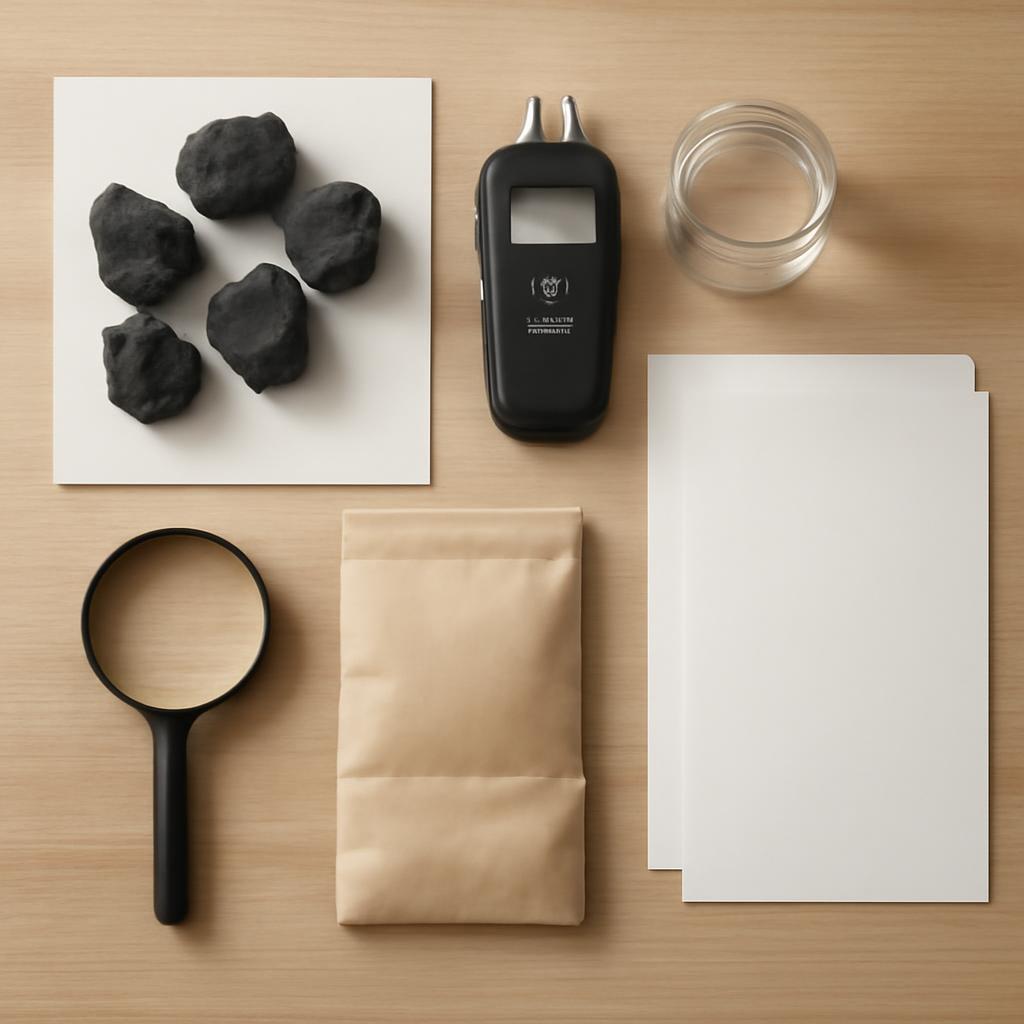
The right request list gives buyers a repeatable way to evaluate Vietnam mangrove charcoal certifications. Ask for documents before confirming the order, then ask for batch-specific evidence before final payment. This approach reduces the risk of receiving material that differs from the approved sample or compliance file.
Sustainable sourcing and chain-of-custody evidence
Where suppliers claim responsible forestry, request verifiable FSC chain of custody charcoal documentation if FSC-certified material is being offered. Check the certificate code in the relevant public certificate database, confirm the product scope, and verify that sales documents use the claim correctly. Do not assume that a supplier’s general FSC status means every charcoal batch is FSC-certified.
Other sourcing evidence can include forest-owner records, plantation documentation, raw-material purchase contracts, transport notes, and declarations of legal origin. For reclaimed or by-product material, request a clear explanation of the feedstock, the upstream activity that generated it, and records showing why it is lawful and traceable.
Quality and safety test reports
A charcoal quality certificate should be tied to a defined sample, testing method, laboratory identity, and date. Core parameters commonly include fixed carbon, ash content, moisture, volatile matter, calorific value, particle size, and foreign-material content. For food grilling applications, buyers may also require testing for contaminants relevant to their destination market.
Ask whether the report represents a current production batch or only a historical sample. A strong supplier can explain sampling procedures, retain batch records, and provide reasonable consistency across deliveries. Results should be reviewed against the agreed specification, not simply accepted because a report exists.
Export and destination-market paperwork
Standard shipping records may include a commercial invoice, packing list, bill of lading, certificate of origin when required, customs declaration, and phytosanitary or other documents only where applicable. Importers should also verify destination-country rules for charcoal classification, packaging, labeling, chemical compliance, and food-contact expectations.
For a broader view of performance and end-use suitability, compare the paperwork with mangrove charcoal quality and uses. Documentation should support, not distract from, the physical attributes your customers expect.
How to Verify a Certified Shipment Before Purchase

Verification should happen in stages: evaluate the supplier, approve documents, inspect the sample, and confirm the shipment. This process is more reliable than making a buying decision based on a certificate image sent over email.
Step 1: Validate the issuing body and certificate scope
Start by identifying who issued the certificate and whether that organization is credible for the claimed standard. Use official registries when available, verify the certificate number, and compare every detail with the supplier’s legal entity. If the exporter is not the certificate holder, request a documented supply-chain connection between the two businesses.
Read the scope carefully. A certificate for wood trading does not necessarily cover charcoal manufacturing, and a certificate for one site does not automatically cover another site. Ask the supplier to state in writing how the certified claim applies to the specific product, quantity, and lot you intend to purchase.
Step 2: Match documents to the batch and specification
Build a simple batch file containing the purchase order, approved specification, test report, source declaration, packing list, and shipment details. The product name, lot number, weight, package type, and manufacturing date should align wherever those fields are used. Inconsistencies are a reason to pause and request clarification.
For bulk orders, independent pre-shipment inspection can confirm bag count, gross and net weight, moisture exposure, breakage, contamination, and package condition. Sampling should be representative, especially when the container contains multiple production lots or mixed size grades.
Step 3: Check physical quality against the paperwork
A document review must be paired with a physical assessment. Inspect charcoal for excessive dust, uncarbonized wood, stones, metal, plastic, mold, unusual odors, or inconsistent grading. Conduct controlled burn tests to assess ignition, heat stability, spark behavior, smoke, ash volume, and burn duration according to your intended application.
Use the supplier’s records to define acceptance criteria before loading. A detailed Vietnam charcoal supplier evaluation process should compare certificate claims, documented specifications, sample performance, and shipment inspection results as one decision framework.
Responsible Sourcing, Quality Control, and Supplier Due Diligence
Responsible procurement is not limited to passing customs. It protects brand reputation, supports lawful supply chains, and helps prevent avoidable quality disputes. The best suppliers make their process visible, from raw-material intake through carbonization, sorting, packing, and final inspection.
Assess the production site and operating controls
Request current photos or a live virtual walkthrough of the facility, and consider an on-site audit for recurring or high-volume purchases. Review storage conditions, separation of raw materials and finished goods, dust control, lot identification, weighing practices, worker safety, and fire-prevention measures. These operational details often reveal whether a supplier can deliver consistently.
Ask how the producer prevents mixing between certified and non-certified material when both are handled at the same site. A dependable system uses clear lot codes, documented inventory movement, controlled storage areas, and reconciliation of incoming feedstock with outgoing product.
Build measurable purchase specifications
A purchase contract should state species or permitted raw-material description, charcoal form, size range, moisture maximum, ash maximum, fixed-carbon target, prohibited contaminants, packaging, labeling, tolerances, sampling method, inspection rights, and remedies for nonconformance. Clear specifications convert broad certification claims into enforceable commercial expectations.
For food-service or consumer markets, add destination-specific restrictions and require advance notice of any production, raw-material, or certificate-status changes. Maintain a document-retention schedule so you can trace each shipment if a customer, regulator, or auditor raises a question later.
Make certification part of a long-term sourcing program
Certification verification works best as an ongoing control, not a one-time gate. Recheck validity before repeat orders, monitor test-result trends, record nonconformities, and periodically review supplier performance. Suppliers that communicate openly about limitations, corrective actions, and traceability are generally safer partners than those offering overly broad assurances.
Ultimately, responsible sourcing of Vietnam mangrove charcoal depends on evidence that is current, relevant, and traceable to the exact product purchased. Combining documentation, testing, inspection, and supplier oversight gives buyers a defensible basis for choosing compliant material.
Once documentation and shipment claims have been verified, compare them with KAOLA’s Mangrove Charcoal export program before confirming a commercial order.
Frequently Asked Questions
Is there one mandatory global certificate for Vietnam mangrove charcoal?
No. Requirements vary by source material, certification claim, destination country, intended use, and buyer policy. Most buyers need a combination of legal-origin evidence, product testing, and export documentation.
How can I verify an FSC claim for charcoal?
Check the certificate code in the official FSC certificate database, confirm the holder and scope, and ensure the sales documents correctly identify the certified claim for the purchased product.
What laboratory tests should charcoal buyers request?
Common tests include moisture, ash, fixed carbon, volatile matter, calorific value, particle size, and contamination screening. Add market-specific safety tests when charcoal is intended for cooking or retail sale.
Can a certificate from a trading company cover a manufacturer?
Not automatically. Ask for documented supply-chain evidence and verify whether the trader’s certificate scope and claim rules cover the product and transaction in question.
How often should certification documents be checked?
Check validity before every significant order and whenever the supplier, factory, raw material, certification status, or shipment details change. Review batch-level test reports for each shipment or according to your risk plan.
