
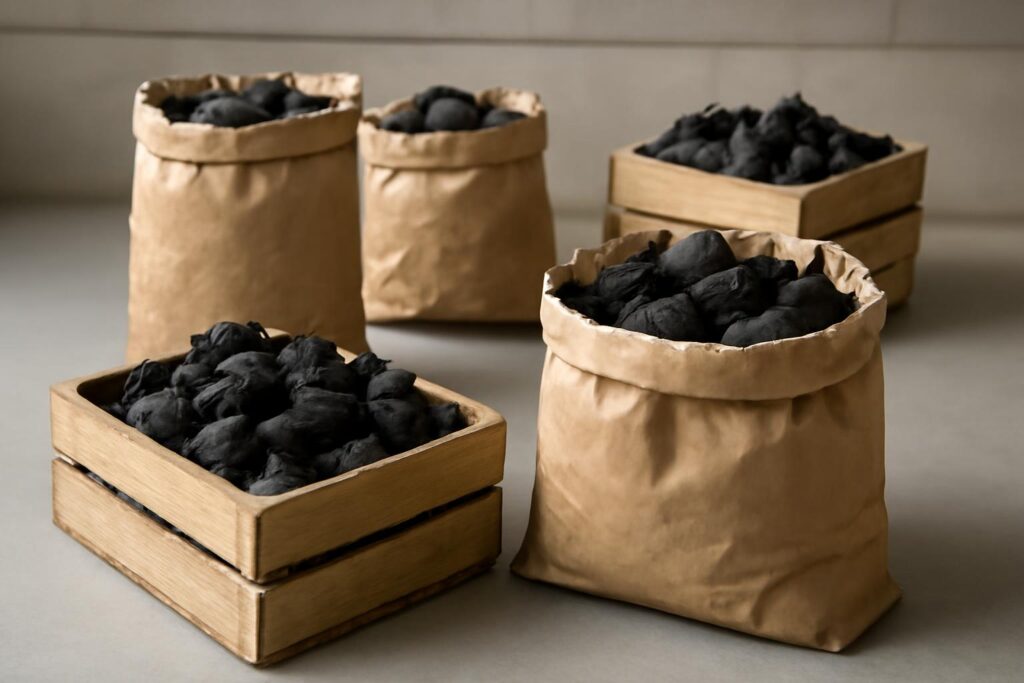
The Vietnam Mangrove Charcoal HS code is commonly classified under HS 4402.90, covering wood charcoal, including shell or nut charcoal, whether or not agglomerated; however, the final tariff line can differ by destination country. Correct classification matters because it determines duties, customs declarations, and shipment clearance. This guide explains how to confirm the right code, prepare export documents, avoid common errors, and align your order with destination-market rules.
Vietnam Mangrove Charcoal HS Code: The Correct Classification
For international trade, mangrove charcoal from Vietnam is generally declared within heading 4402, which covers wood charcoal. The widely used six-digit Vietnam Mangrove Charcoal HS code is 4402.90 when the product is natural wood charcoal and does not fall into a more specific national subheading.
Understanding HS Heading 4402
HS heading 4402 includes wood charcoal obtained by carbonizing wood in kilns, retorts, or controlled pits. This scope normally includes lump charcoal made from mangrove wood, as well as charcoal in pieces, granules, powder, or agglomerated forms. The description on the commercial invoice should accurately state the product form, such as natural mangrove lump charcoal.
Importers should not confuse charcoal with raw firewood, wood chips, activated carbon, or barbecue fuel blends containing additives. These products may be classified under different headings. Product composition and manufacturing process are the foundation of a defensible charcoal customs classification.
Why 4402.90 Is Often Used
At the Harmonized System six-digit level, 4402.90 commonly serves as the residual category for wood charcoal that is not classified as bamboo charcoal. Many countries add further digits for local customs reporting, tariff schedules, or statistical purposes. Therefore, an eight-digit or ten-digit code shown in one market may not be valid in another.
Before sourcing, review the material, burn characteristics, and grading standards described in the Vietnam mangrove charcoal buying guide. Clear product specifications help ensure that the HS description, packaging statement, and customs declaration all match.
Product Details That Affect Classification
Classification should reflect the actual goods shipped, not only the sales name. Customs teams may assess whether the cargo is natural lump charcoal, compressed briquettes, charcoal fines, or a blended fuel product. A consistent specification sheet reduces the risk of questions at the border.
- Wood species and origin of the raw material
- Form: lump, fines, powder, or briquette
- Whether binders, accelerants, or other additives are present
- Packaging type, net weight, and retail or bulk presentation
- Production method and intended end use
How to Verify the HS Code for Your Destination Market

HS 4402.90 is a practical starting point, but it is not a substitute for destination-country confirmation. Every importer should verify the local tariff suffix, duty rate, import restrictions, and documentary requirements before issuing a purchase order or arranging freight.
Start With the Import Country Tariff Database
Search the official customs tariff database in the country where the cargo will be cleared. Enter the six-digit HS heading and review the national subdivisions below it. This step identifies the applicable wood charcoal tariff code, duty treatment, and any special import measures.
Do not rely solely on codes shown on marketplace listings, prior invoices, or documents from another market. A code used for a shipment to one country may have a different suffix, tariff rate, or declaration requirement in another jurisdiction.
Request a Binding Classification When Needed
For repeat orders, high-value shipments, or products with unusual processing, consider requesting a binding tariff classification from the destination customs authority. This formal decision can provide stronger certainty than an informal interpretation and supports consistent entries across future shipments.
A customs broker can also compare the product specification, photographs, sample details, and production information against local rules. This is especially valuable when the shipment involves briquettes, mixed charcoal, or nonstandard packaging.
Match the Code to the Exact Product Description
The invoice, packing list, bill of lading, and customs entry should describe the product in the same practical terms. For example, if the goods are natural wood lump charcoal, avoid labeling them as activated carbon or manufactured fuel briquettes. Inconsistent wording can trigger delays, examinations, or post-entry corrections.
Buyers assessing mangrove charcoal quality and uses should also confirm that their chosen grade is documented precisely. Grade, size range, moisture level, and packaging format can support a more transparent import file.
Export Documents and Customs Compliance
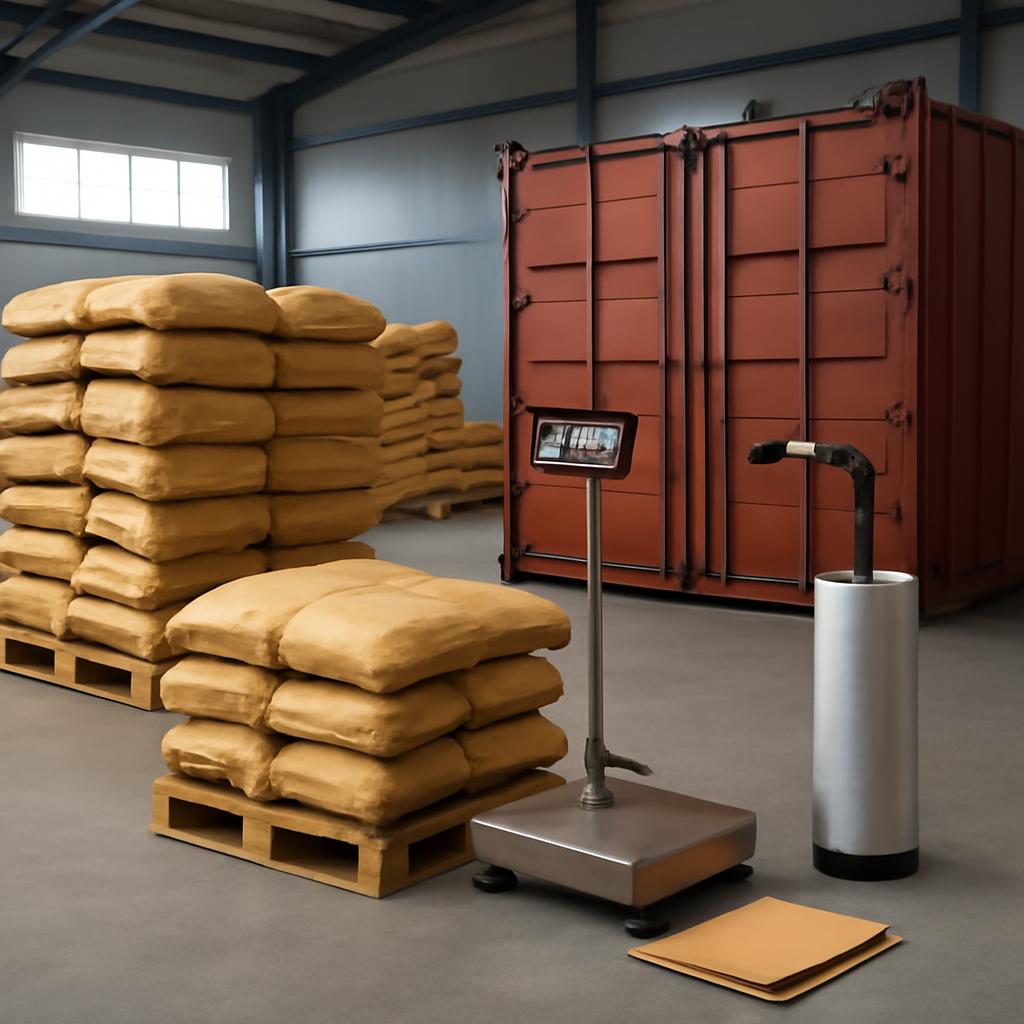
Accurate classification is only one part of customs compliance. A successful Vietnam charcoal export also requires complete, consistent paperwork that identifies the seller, buyer, product, quantity, value, origin, shipment terms, and transport details.
Core Shipping Documents
A standard shipment normally includes a commercial invoice, packing list, bill of lading or airway bill, and customs declaration. Depending on the transaction and destination, buyers may also request a certificate of origin, certificate of analysis, fumigation-related documents, or other product-specific evidence.
- Commercial invoice: product description, HS code, unit price, total value, Incoterms, and currency
- Packing list: bag count, net and gross weight, dimensions, and container loading details
- Transport document: vessel or flight reference, consignee information, and shipment routing
- Certificate of origin: when required for customs clearance or preferential tariff claims
Origin and Legality Considerations
Importers should confirm that the wood source and production process meet applicable forestry, environmental, and trade requirements. Authorities may ask for evidence supporting origin or legal sourcing, particularly where timber-product controls or due-diligence rules apply.
Use language that is factual and traceable: identify the goods as mangrove wood charcoal, state the country of origin where appropriate, and avoid unsupported sustainability claims. Reliable documentation protects both the exporter and importer during customs review.
Common Compliance Errors to Avoid
Frequent mistakes include using an incomplete tariff code, declaring a generic product name, listing a net weight that differs from the packing list, or assigning a code without checking destination rules. Another risk is calling a product “briquettes” when the shipment contains untreated lump charcoal.
For a broader view of specification, packaging, and sourcing controls, consult the Vietnam mangrove charcoal sourcing guide. A documented purchase specification makes it easier to prepare compliant shipping papers from the beginning.
Commercial Details That Support a Smooth Shipment
Customs clearance becomes more predictable when commercial terms and product records are agreed before production. Importers should align the HS code, product specification, packaging, Incoterms, and destination documentation checklist in one purchase file.
Build a Shipment Specification Sheet
A practical specification sheet should include the HS code for wood charcoal used as a reference, product form, size range, fixed carbon target, ash content, moisture content, volatile matter, packing format, and total order quantity. It should also state whether the product is natural lump charcoal or processed material.
This record gives the supplier, freight forwarder, broker, and receiving team one consistent source of information. It also helps avoid disputes when cargo is inspected or compared with samples.
Choose Terms That Define Responsibilities
Incoterms determine which party handles transport arrangements, risk transfer, and certain export or import tasks. Select terms that match operational capability rather than treating them as price labels. The importer remains responsible for complying with destination-market import rules even when a seller organizes freight.
Confirm who will provide shipping instructions, file export declarations, obtain any required origin documents, and pay destination duties and taxes. Written responsibility allocation reduces costly last-minute changes.
Final Pre-Shipment Checklist
Before cargo departs, compare every document against the approved order. Verify the consignee name, product description, number of bags, net and gross weights, invoice value, country of origin, and destination-market tariff code. Keep digital copies available for customs brokers and insurers.
The key takeaway is simple: use HS 4402.90 as the common international classification reference for Vietnam mangrove charcoal, then validate the complete local code and requirements with destination customs authorities or a licensed broker. This disciplined approach supports accurate duty planning and fewer clearance disruptions.
Frequently Asked Questions
What is the HS code for Vietnam mangrove charcoal?
Answer: Vietnam mangrove charcoal is commonly classified under HS 4402.90 for wood charcoal. Always confirm the full national tariff code with the importing country.
Is mangrove lump charcoal different from charcoal briquettes for HS purposes?
Answer: It can be. Natural lump charcoal and briquettes may be described differently depending on processing, binders, and local tariff subdivisions. Use the exact product specification.
Can the exporter choose the final import HS code?
Answer: The exporter can provide a proposed classification, but the importer should verify the final code under the destination country’s customs tariff system.
What documents are usually needed to import wood charcoal?
Answer: Typical documents include a commercial invoice, packing list, bill of lading or airway bill, and customs declaration. Origin or compliance documents may also be required.
Does HS 4402.90 guarantee a specific duty rate?
Answer: No. Duty rates depend on the destination country, origin treatment, trade agreements, and the complete local tariff classification.
