
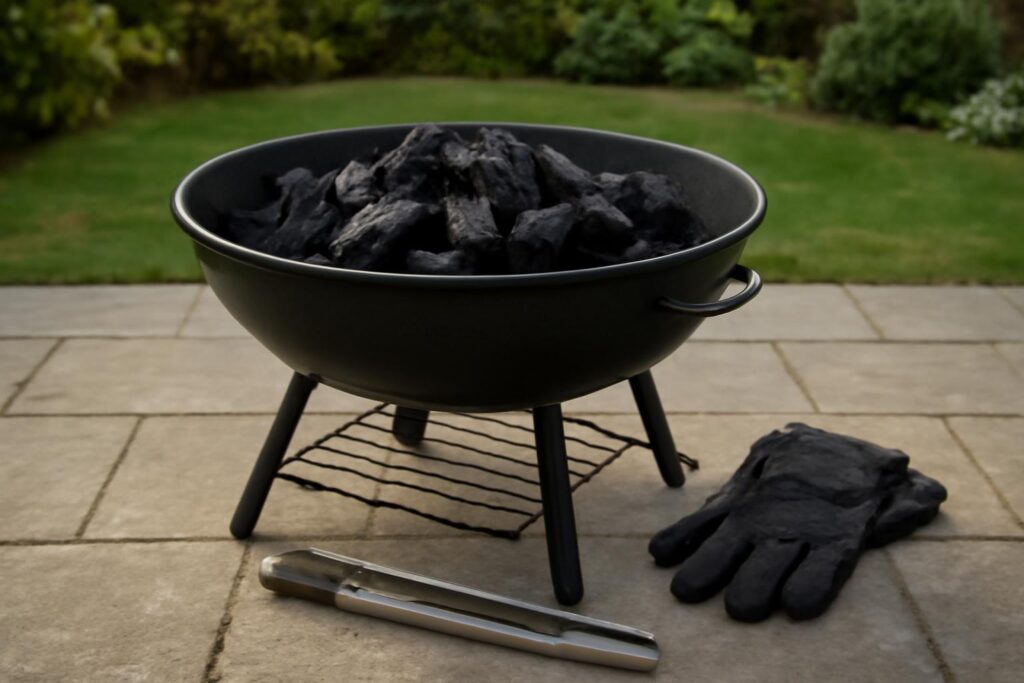
Vietnam Mangrove Charcoal fire safety
Why Vietnam Mangrove Charcoal Requires Safe Handling
Vietnam mangrove charcoal is valued for its density, long burn time, and steady heat. Those same qualities mean that briquettes or lump pieces can remain hot for hours after cooking appears finished. Treat every ember as active until it has been completely cooled with water or isolated in a purpose-built metal ash container.
Dense Fuel Means Long-Lasting Heat
High-quality mangrove charcoal commonly produces sustained heat with relatively low smoke when it is dry and properly carbonized. For a broader overview of grading, performance, and applications, consult this Vietnam mangrove charcoal buying guide. Long burn duration is useful for grilling, but it also requires longer supervision and a deliberate cooling process.
Use only a charcoal grill, brazier, or firebox designed for solid fuel. Place it on a level, non-combustible surface such as concrete, brick, or compacted gravel, and keep it away from dry leaves, wooden fencing, awnings, fuel containers, and other flammable materials.
Carbon Monoxide Is the Hidden Danger
Burning charcoal creates carbon monoxide, an odorless and potentially fatal gas. Never use mangrove charcoal indoors, in a garage, inside a tent, in a vehicle, or in any enclosed or poorly ventilated area. Opening a window or door does not make indoor charcoal use safe.
For restaurants and outdoor kitchens, maintain clear airflow around the cooking station and follow local fire codes. A carbon monoxide alarm is an additional safety layer in nearby occupied areas, but it is not permission to burn charcoal indoors.
Start With a Safe Cooking Zone
Build a clear perimeter around the grill so children, pets, guests, and staff cannot accidentally touch hot metal or coals. Keep a dry-chemical fire extinguisher rated for ordinary combustibles and flammable liquids, or a suitable fire blanket, within easy reach. Avoid loose clothing and use long-handled tools and heat-resistant gloves for charcoal grill safety.
How to Light Mangrove Charcoal Safely
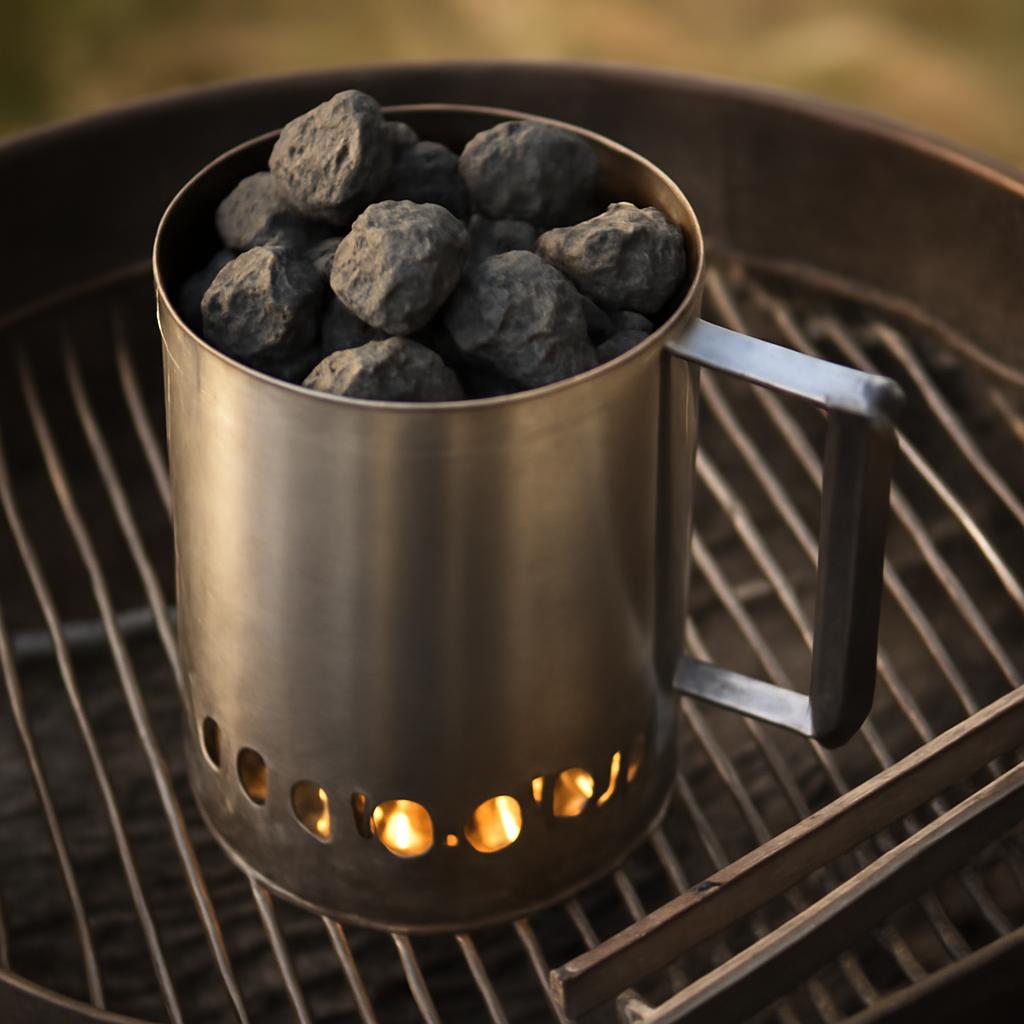
A controlled ignition method reduces flare-ups, uneven burning, and exposure to harmful fumes. The safest approach is to light small quantities gradually, allow the charcoal to ash over, and add more fuel only when the fire bed is stable.
Choose Appropriate Ignition Tools
A chimney starter with natural firelighters is a reliable option for lighting charcoal safely. Place the chimney on the grill grate or another non-combustible surface, load it without overfilling, and light the starter according to its instructions. Electric charcoal starters may also be used outdoors where their manufacturer permits.
Do not use gasoline, diesel, kerosene, alcohol, aerosol sprays, or other volatile liquids. These products can cause sudden flash fires, contaminate food, and create dangerous vapors. If using charcoal lighter fluid, use only a product labeled for charcoal, apply it before ignition, and never add it to lit or warm coals.
Wait for a Stable Coal Bed
Allow pieces to develop a light gray ash layer before spreading them across the fire grate. This indicates that surface ignition is established and helps produce more predictable cooking heat. Use tongs or a metal poker rather than hands or improvised plastic tools.
For grilling methods and fuel selection guidance, review the practical mangrove charcoal uses and buying advice. Properly sized, dry pieces are easier to light evenly and less likely to produce excessive sparks or smoke.
Control Heat With Arrangement, Not Extra Fuel
Create a two-zone fire by placing coals on one side of the grill and leaving the other side empty. This gives you a cooler area for indirect cooking and a safe place to move food if flames rise. Keep the lid available to reduce oxygen if a small flare-up occurs, while following the grill manufacturer’s ventilation guidance.
- Use a small initial load of charcoal.
- Keep the grill vents unobstructed during normal burning.
- Move dripping food away from direct flames.
- Never lean over the grill while adding charcoal.
Safe Cooking, Storage, and Disposal Practices
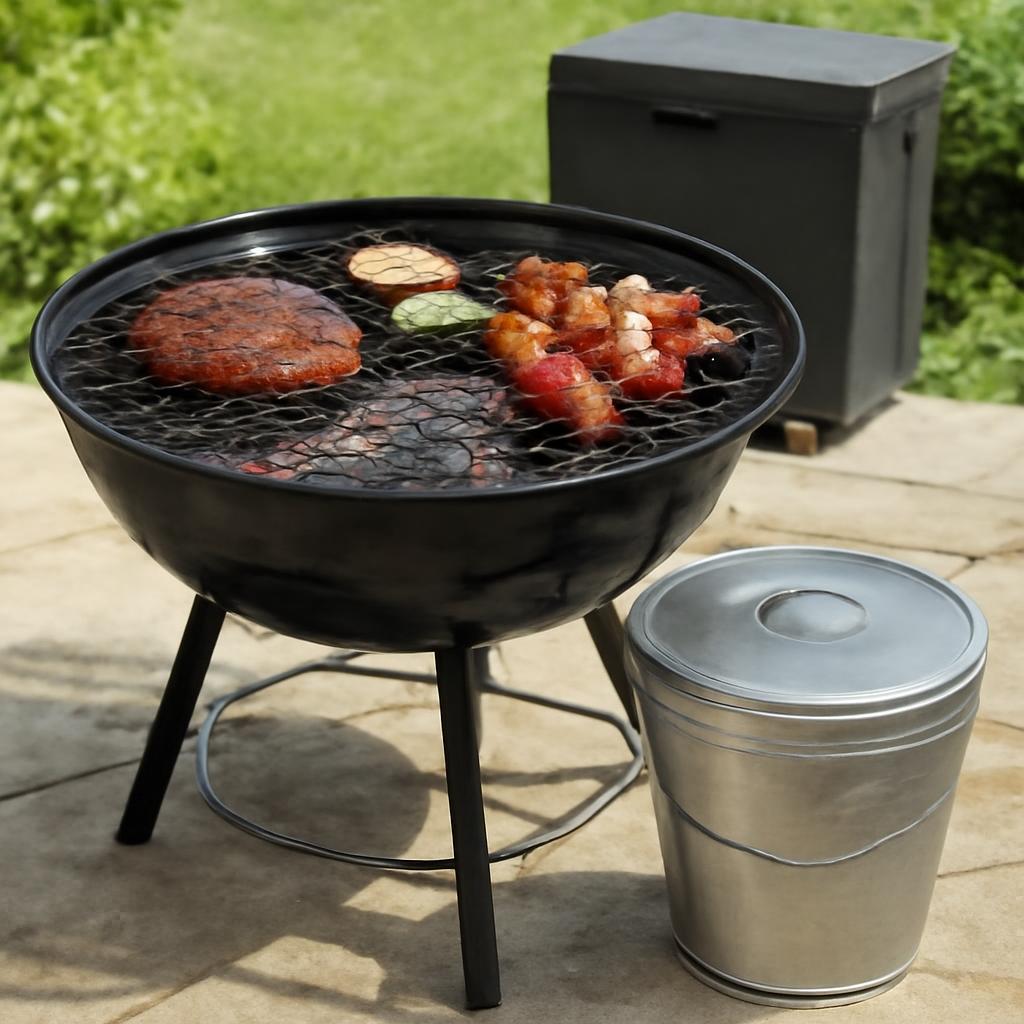
Safe charcoal use continues after ignition. Preventing grease fires, protecting fuel from moisture, and disposing of ash correctly are essential parts of Vietnam Mangrove Charcoal fire safety.
Prevent Grease Fires During Cooking
Trim excess fat where practical and keep a drip tray clean to reduce flare-ups. If flames become large, move food to the indirect zone, close the grill lid if appropriate for the equipment, and avoid spraying water onto hot grease. Water can spread burning oil and create steam burns.
Do not overload the cooking grate or leave fatty foods unattended. Regular cleaning of grates, ash trays, and grease management components supports safe barbecue practices and reduces the buildup that can ignite unexpectedly.
Store Charcoal in a Dry, Secure Place
Keep unused mangrove charcoal in a sealed, moisture-resistant container or its unopened packaging, stored away from open flames, heaters, and direct weather exposure. Dry fuel lights more consistently and produces less smoke than damp charcoal. Keep the storage area inaccessible to children and separate from lighter fluid or other chemicals.
When sourcing fuel, look for consistent sizing, low dust, and packaging that protects the product in transit. Understanding quality mangrove charcoal characteristics can help you choose fuel that is easier to manage safely during cooking.
Cool Ash Completely Before Disposal
After cooking, close the grill according to its operating instructions and allow coals to burn out naturally. Ash can retain heat for 24 hours or longer. Transfer cooled ash with a metal scoop into a metal container with a tight-fitting lid, then place the container on a non-combustible surface away from buildings.
Never place warm ash in cardboard boxes, plastic bins, garbage bags, or ordinary household waste containers. Confirm that ash is cold to the touch before disposal, and follow local waste rules for ash disposal.
Emergency Response and Risk Prevention
Preparation is the most effective response to a charcoal incident. Know where your extinguisher is, keep access routes clear, and stop cooking immediately if fire behavior becomes unpredictable.
Responding to a Small Grill Fire
For a small, contained flare-up, move food away from the heat and close the lid to limit oxygen if the grill design supports that action. Do not carry a burning grill or attempt to move hot charcoal. If the fire spreads beyond the grill, use an appropriate extinguisher only when it is safe to do so, then call emergency services.
Do not use water on grease fires. A fire blanket or an extinguisher appropriate for kitchen and ordinary combustible fires may be safer, provided you have a clear exit path and the fire is still small. When in doubt, evacuate the area and seek professional emergency assistance.
Treat Burns and Smoke Exposure Seriously
For a minor heat burn, cool the area under cool running water for at least 20 minutes, remove tight items such as rings if possible, and cover loosely with a clean, non-fluffy dressing. Do not apply ice, butter, oils, or adhesive materials. Seek urgent medical care for severe, large, deep, electrical, chemical, or facial burns.
Headache, dizziness, nausea, confusion, weakness, or unusual sleepiness near burning charcoal may indicate carbon monoxide exposure. Move everyone to fresh air immediately, call emergency services, and do not re-enter the area until it has been declared safe.
Use a Simple Pre-Use Safety Check
Before every cook, inspect the grill for damaged legs, blocked vents, excessive grease, loose components, and ash buildup. Verify that the unit is outdoors, stable, clear of combustible materials, and attended by a responsible adult. This brief inspection prevents many common charcoal fire hazards.
- Outdoor location with open airflow.
- Stable grill on a non-combustible surface.
- Extinguisher or fire blanket nearby.
- Long-handled tools and heat-resistant gloves ready.
- Metal ash container available for final cleanup.
Frequently Asked Questions
Is Vietnam mangrove charcoal safe for indoor cooking? No. Burning any charcoal indoors or in enclosed spaces can produce dangerous carbon monoxide. Use it outdoors only in a properly designed charcoal appliance.
Can water be used to put out mangrove charcoal? Water can cool coals when applied carefully after cooking, but it should not be sprayed onto grease fires. Allowing coals to burn out naturally is often the safest method when time permits.
How long do charcoal ashes stay hot? Ashes and buried embers can stay hot for 24 hours or longer. Place them in a covered metal container and confirm they are fully cool before disposal.
Why does mangrove charcoal sometimes spark or smoke heavily? Moisture, dust, small fragments, poor airflow, or contaminants can increase smoke and sparks. Use dry, clean, properly stored charcoal and avoid overloading the firebox.
What extinguisher should be kept near a charcoal grill? Keep a suitable multipurpose dry-chemical extinguisher nearby and know how to operate it. Follow local fire safety requirements for commercial cooking areas.
