
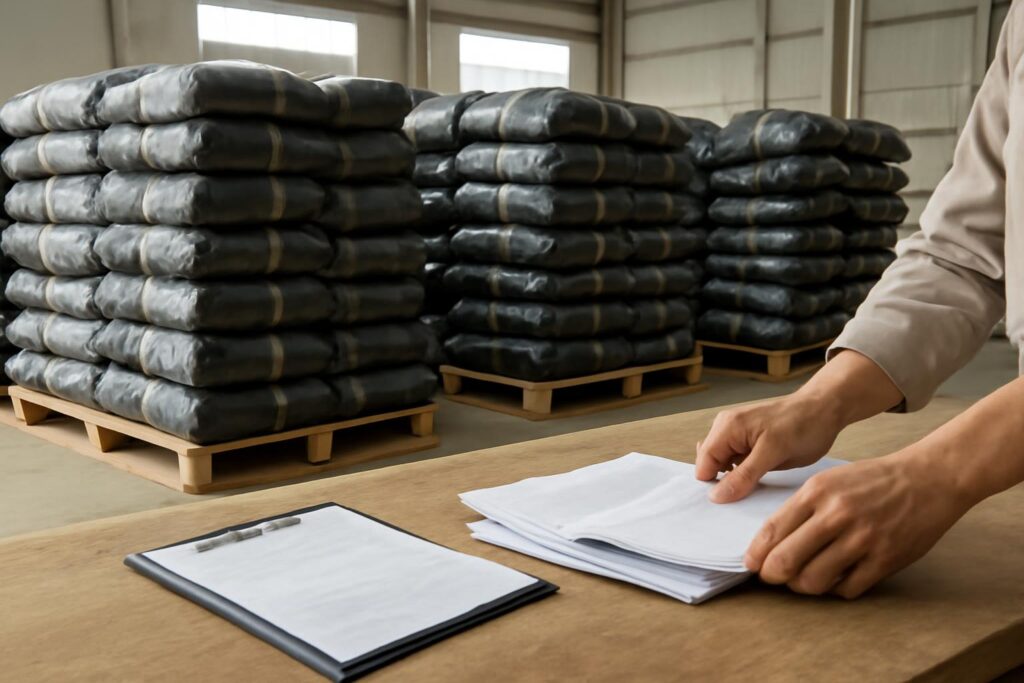
Vietnam Mangrove Charcoal customs clearance
Prepare Documents for Vietnam Mangrove Charcoal Customs Clearance
Successful clearance begins before the container is sealed. Customs authorities assess whether the declared goods, values, origin, quantities, and supporting records are consistent. For charcoal exports from Vietnam, document accuracy is especially important because the material may be reviewed as a wood-derived or agricultural commodity depending on the market.
Core shipping and customs documents
A standard shipment should include a commercial invoice, packing list, bill of lading, sales contract, and customs declaration. The invoice should clearly state the product description, grade, packaging format, net and gross weight, unit price, Incoterms, and country of origin. Avoid vague descriptions such as “charcoal” alone; use a precise description such as mangrove charcoal for fuel use where accurate.
Many buyers also request a certificate of origin for charcoal to support origin claims, preferential tariff treatment, or supplier verification. The applicable certificate format depends on the destination country and trade arrangement, so confirm eligibility before issuing a preference claim.
Product specifications that support the declaration
Attach a product specification sheet showing carbon content, ash content, moisture, volatile matter, fixed carbon, particle size, and intended use when available. These details help distinguish the shipment from activated carbon, wood chips, biomass fuel, or other carbon products that can have different classifications and controls.
Clear specifications also protect commercial expectations. Buyers evaluating Vietnam mangrove charcoal quality can compare grades, burn performance, and packaging needs before the cargo reaches customs.
Pre-shipment document control
Before loading, compare the invoice, packing list, bill of lading instructions, certificate of origin, and any inspection certificates line by line. Product name, package count, weight, consignee details, vessel information, and marks must not conflict. A single inconsistency can trigger a query, amendment, demurrage exposure, or delayed release.
- Use the same commercial product description across all documents.
- Confirm the consignee’s importer registration and tax identification details.
- Keep production, sourcing, and fumigation records accessible if requested.
- Send draft documents to the buyer or broker before final issuance.
Classify the Product and Confirm Import Requirements

Correct classification is the foundation of duty calculation and regulatory screening. Mangrove charcoal is commonly assessed within HS heading 4402 for wood charcoal, but the final HS code for wood charcoal must be confirmed against the importing country’s tariff schedule, product form, and customs guidance.
Why the tariff code must be verified
An incorrect code can lead to reassessment, penalties, cargo holds, or a rejected preferential-duty claim. Do not assume that every charcoal product belongs in the same tariff line: activated carbon, briquettes with additives, and charcoal powder may require separate treatment. Ask the customs broker to validate the code before the purchase order and again before entry filing.
Importers should also verify duty rates, value-added tax or goods and services tax, trade remedies, and any licensing requirement. The destination country—not the exporter—ultimately controls admissibility and the final customs decision.
Plant-health and wood-product controls
Some jurisdictions may require a phytosanitary certificate for charcoal, a fumigation certificate, pest-free evidence, or a declaration related to wood packaging material. Whether a phytosanitary document is needed can depend on how the charcoal was processed, its packaging, and local quarantine rules. Obtain written confirmation from the destination-side broker or quarantine authority rather than relying on general assumptions.
Wood pallets and dunnage should comply with ISPM 15 where required. Heat-treated and properly marked packaging reduces the risk of a border hold caused by non-compliant wood packaging, even when the charcoal itself is acceptable for import.
Legality and sustainability evidence
Buyers may require proof that raw materials were lawfully sourced and that the supply chain meets environmental expectations. Maintain traceability records, supplier declarations, production records, and any applicable forestry or environmental documentation. These records are valuable during due diligence reviews and when authorities ask for additional origin evidence.
For a broader view of sourcing standards, applications, and procurement checks, consult the mangrove charcoal buying guide before finalizing shipment terms.
Manage Inspection, Clearance, and Delivery
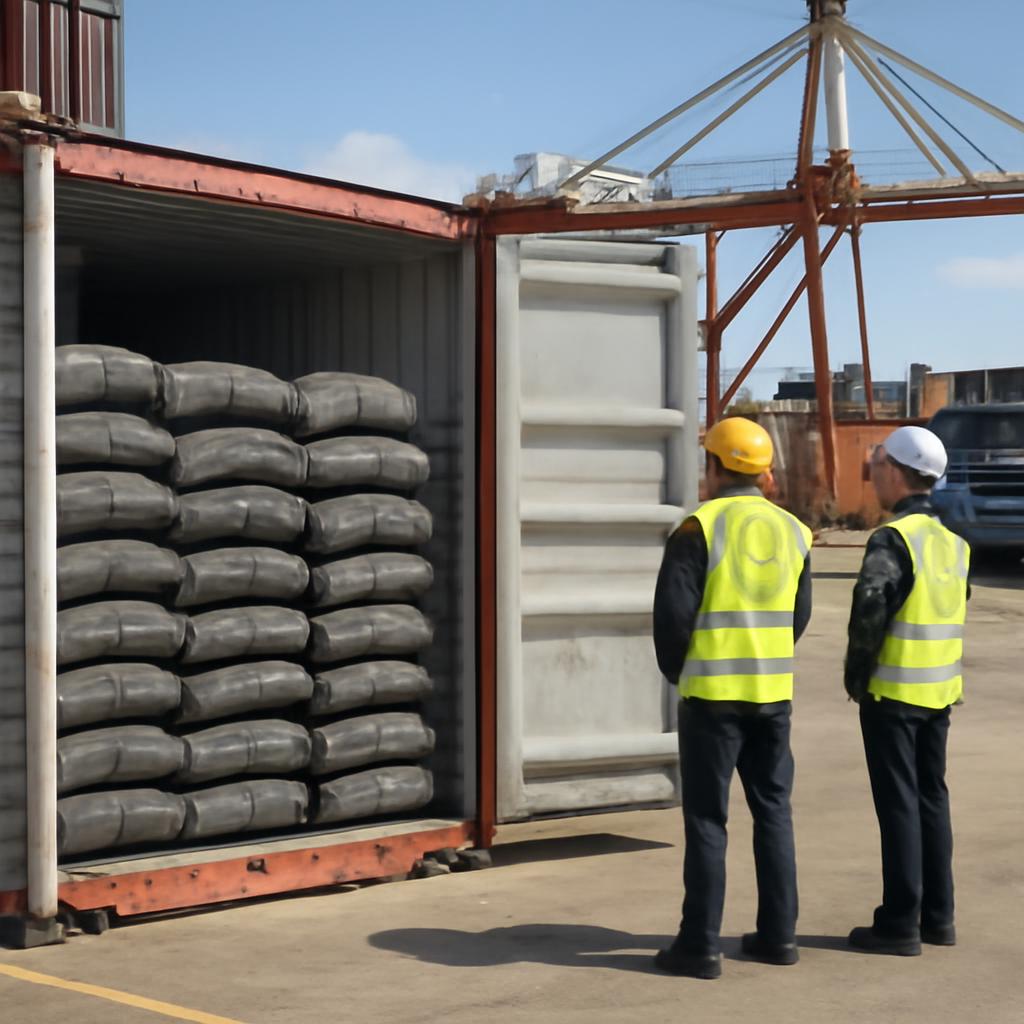
Once the cargo arrives, the importer or appointed broker files the entry declaration, pays assessed taxes and duties, and responds to any customs or quarantine review. Efficient charcoal import clearance procedures depend on submitting a consistent entry package and keeping communications open among the exporter, importer, carrier, and broker.
Entry filing and customs review
The broker generally submits the tariff classification, customs value, origin, invoice, bill of lading, packing list, and supporting certificates through the destination country’s import system. Customs may release the cargo immediately, request documents, scan the container, or select it for physical examination.
Provide documents quickly if a query occurs. Delayed responses can create storage, detention, and demurrage charges. Keep one controlled document folder with final versions only, so the exporter and importer do not submit conflicting information.
Physical inspections and sampling
When selected for examination, officers may compare packaging, markings, weights, and product appearance against the declaration. They may also inspect pallets, container cleanliness, and signs of pests or contamination. If samples are taken, retain a representative pre-shipment sample and the related quality report for comparison.
Clean, durable packaging helps prevent disputes. Bags or cartons should be sealed, correctly counted, and protected from moisture. Cargo that arrives wet, contaminated, or poorly marked can attract additional scrutiny even when the paperwork is correct.
Release and inland delivery
After customs and any quarantine release, arrange delivery within the terminal’s free-time window. Confirm that the release order, delivery appointment, truck capacity, and warehouse receiving schedule are ready before pickup. The importer should archive clearance records, duty receipts, and inspection notices for future audits.
Commercial success does not end at release. Understanding the uses of mangrove charcoal helps importers select the right grade for grilling, heating, or other approved market applications and reduces claims after delivery.
Avoid Delays and Control Compliance Risks
The most common delays in Vietnam Mangrove Charcoal customs clearance are preventable: incomplete documents, inconsistent weights, unsupported origin claims, incorrect tariff codes, and late responses to inspections. A written pre-shipment compliance checklist is the most practical control for exporters and importers.
Common causes of customs holds
Customs holds often arise when the invoice description is too broad, the declared value appears unusual, certificate details do not match the bill of lading, or the destination authority needs to confirm whether plant-health rules apply. An importer should never file based on estimated weights, draft documents, or an unverified code.
Another avoidable issue is treating a broker as a replacement for product knowledge. The broker manages the entry, but the exporter and importer remain responsible for supplying truthful, complete, and technically accurate information.
Practical pre-clearance checklist
Use the following controls before dispatching a shipment:
- Confirm the final HS classification with the destination-side customs broker.
- Verify duty, tax, quota, licensing, and trade-remedy exposure.
- Check whether phytosanitary, fumigation, or ISPM 15 evidence is required.
- Match invoice, packing list, bill of lading, certificates, and container details.
- Confirm the importer has authority to import and a broker is appointed.
- Share final document scans before vessel arrival.
When to seek specialist advice
Seek destination-specific advice when shipping to a new market, using preferential origin treatment, importing large volumes, or facing a prior customs hold. Regulations can change, and requirements vary by port, product form, and national agency. A binding classification ruling or written agency guidance may be worthwhile for recurring shipments.
This article provides operational guidance, not legal or customs advice. The final compliance obligation rests with the importer and exporter, who should confirm current rules with qualified customs, legal, and quarantine professionals in the destination market.
Frequently Asked Questions
What documents are needed for Vietnam Mangrove Charcoal customs clearance?
Answer: Typical documents include a commercial invoice, packing list, bill of lading, customs declaration, product specification sheet, and any required certificate of origin, fumigation, or phytosanitary documents.
What HS code applies to mangrove charcoal?
Answer: Wood charcoal is commonly reviewed under HS heading 4402, but the exact tariff line depends on the destination country and product form. Confirm the final code with a local customs broker.
Is a phytosanitary certificate required for charcoal?
Answer: It depends on the importing country, processing level, packaging, and quarantine rules. Obtain destination-specific confirmation before shipment.
Can mangrove charcoal be cleared without a certificate of origin?
Answer: In many markets, clearance may still be possible, but a certificate of origin can be required for tariff preference, buyer requirements, or origin verification. Check the destination rules.
How can importers reduce customs delays?
Answer: Verify the HS code and import conditions early, use matching final documents, provide accurate values and weights, ensure compliant packaging, and appoint a qualified customs broker before arrival.
