
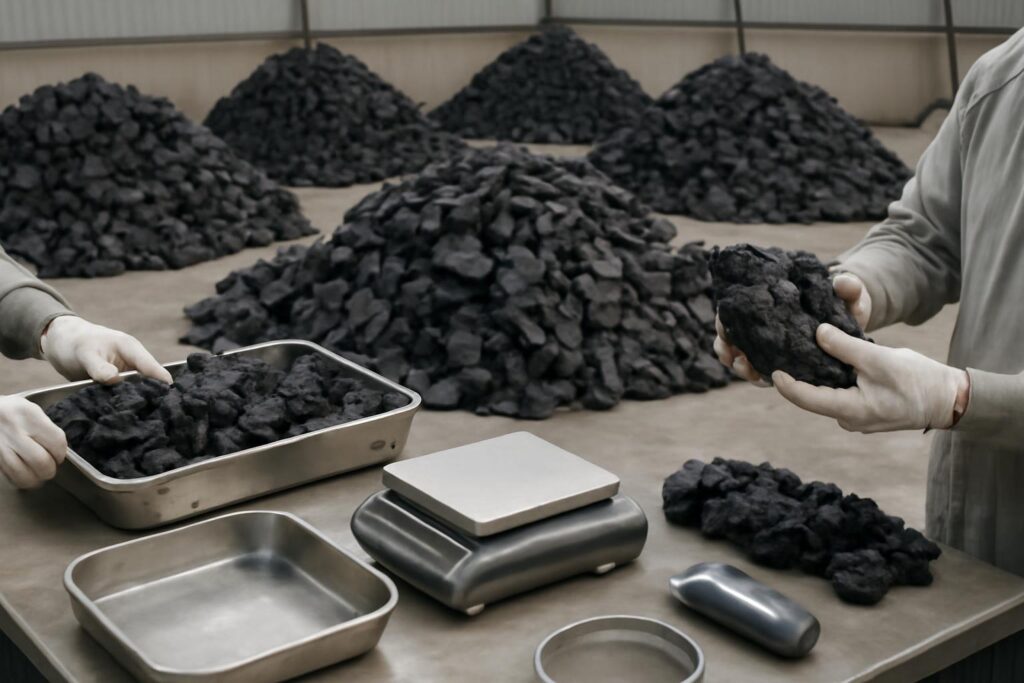
Vietnam Mangrove Charcoal export quality control
Export Quality Specifications for Vietnam Mangrove Charcoal
Quality control begins with a written specification agreed before production. Mangrove charcoal can vary by wood source, carbonization conditions, storage exposure, and handling, so an exporter should never rely on a generic description such as “premium grade.” A clear contract should define the product form, acceptable tolerance, inspection method, and remedy if results fall outside the agreed range.
Core physical and chemical parameters
The most important charcoal quality specifications normally include fixed carbon, moisture, ash content, volatile matter, calorific value, size distribution, and foreign matter. For many barbecue markets, buyers favor dense lump charcoal with high fixed carbon, low moisture, low ash, long burn time, and minimal smoke. Exact targets vary by market and application, so the purchase order must remain the controlling document.
As a practical benchmark, exporters commonly monitor moisture below 5–8%, ash at a low agreed percentage, stable fixed carbon, and a consistent lump range. These figures are not universal guarantees; wood species, product grade, and destination requirements must be verified for every order. A sound control plan records both target values and permitted tolerances.
Size, appearance, and contamination control
Buyers also assess what they can see and handle. The shipment should contain the contracted proportion of large, medium, and small pieces, with fines controlled to the agreed limit. Excess powder can indicate rough handling, weak packing, over-drying, or poor screening. Oversized pieces may create packing inefficiency, while undersized material can reduce perceived value.
Each batch should be checked for stones, soil, metal, uncarbonized wood, plastic, and other foreign materials. Color and sound can support inspection: properly carbonized mangrove charcoal is generally dark, hard, and resonant when tapped. However, visual checks do not replace test data. For a wider explanation of product traits and buyer considerations, consult this Vietnam mangrove charcoal buying guide.
Packaging as a quality parameter
Export packaging must protect the product from moisture uptake and breakage. Strong multiwall paper bags, moisture-resistant liners where appropriate, accurately printed outer cartons when requested, and secure palletization can all reduce transit damage. Bag weight, sealing quality, carton strength, and marks must be inspected before loading because packaging failures often become quality claims at destination.
- Define net weight and allowable weight tolerance per bag.
- Specify lump-size ranges and maximum fines percentage.
- State limits for moisture, ash, volatile matter, and foreign matter.
- Confirm whether food-contact, fumigation, or destination-specific packaging rules apply.
A Practical Quality Control Process from Production to Loading
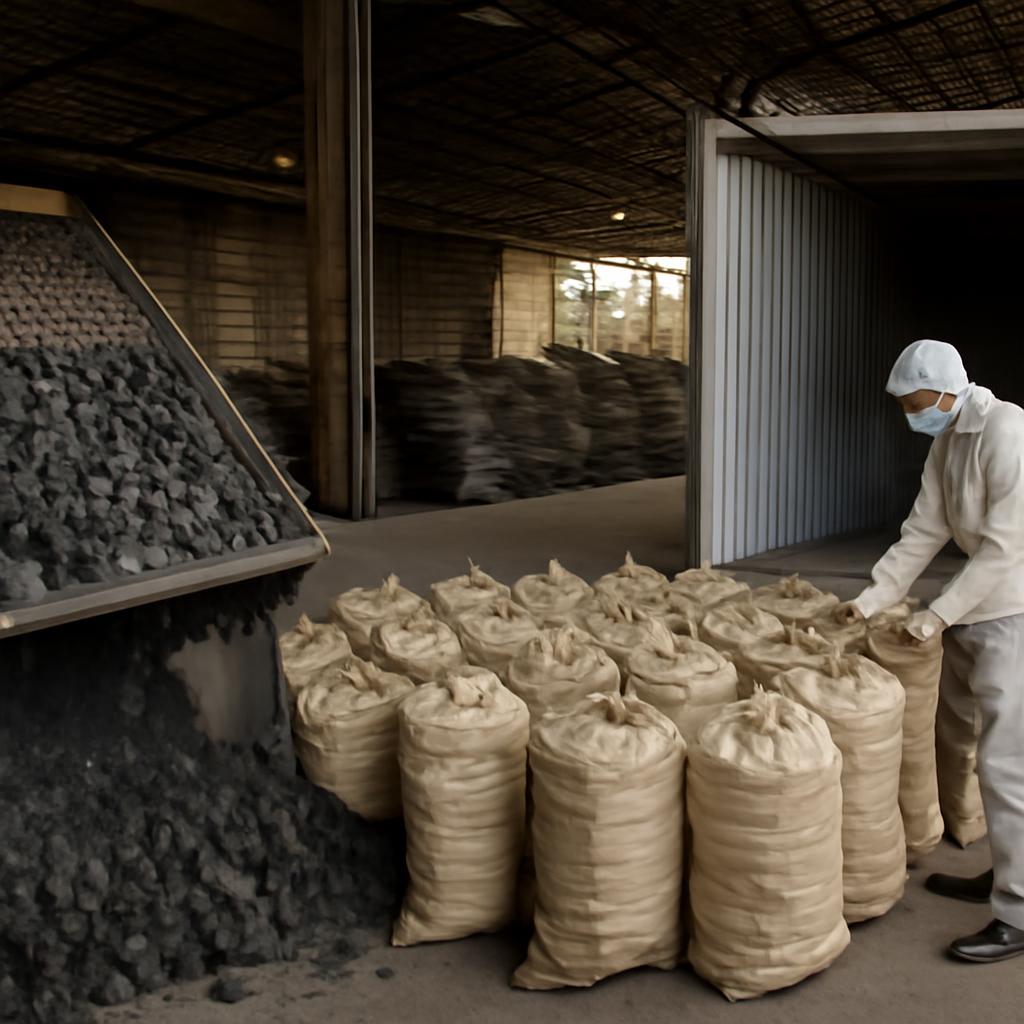
Effective charcoal export inspection is a process, not a final-day activity. Quality must be controlled at raw-material intake, carbonization, cooling, grading, packing, storage, and container loading. Assigning checkpoints at every stage makes defects easier and less expensive to correct.
Control the raw material and carbonization cycle
Start with legally sourced mangrove wood or approved production feedstock that is clean and suitable for the contracted grade. Wet, muddy, mixed, or decayed feedstock increases variation and contamination risk. Batch records should identify the production date, kiln or carbonization unit, feedstock lot, operator, and estimated output.
Carbonization must be managed carefully to avoid under-carbonized pieces, excessive volatile matter, and fragile over-burned charcoal. After the kiln cycle, charcoal should cool fully in a controlled area before sorting. Packing material that is still hot can create fire hazards, condensation, odor, or accelerated breakage.
Screening, grading, and in-process sampling
Screening removes fines and separates lumps into the specified size grades. Use calibrated sieves or a documented screening method rather than subjective sorting alone. Inspectors should collect samples from multiple points in the batch, not only from the top of a pile, because fines and moisture can concentrate unevenly.
For each lot, record the sample weight, sampling locations, visual condition, size distribution, and preliminary moisture reading. A retained reference sample, sealed and labeled with the batch number, is useful if a dispute arises later. This discipline strengthens traceability and provides evidence that the shipment matched the approved production lot.
Pre-shipment and container-loading checks
Before stuffing, verify that the container is dry, clean, odor-free, structurally sound, and free of previous cargo residue. Inspect floor condition, roof leaks, door seals, and ventilation points. Moisture damage is especially important because dry charcoal can absorb humidity during storage and ocean transit.
During loading, supervisors should confirm bag counts, net weight, packing condition, and loading pattern. Keep photographic records of the empty container, early loading stage, mid-load condition, completed load, door closure, and seal number. These records support both the exporter and buyer if a carrier, warehouse, or handling issue is questioned.
Documents, Testing, and Buyer Acceptance Criteria

Test reports and shipping documents convert quality claims into verifiable facts. Exporters should align the laboratory method, sampling procedure, reporting format, and acceptance threshold with the buyer before production. This is especially important when comparing results from different laboratories, as methods and sample preparation can influence outcomes.
Laboratory testing and certificates of analysis
A certificate of analysis for charcoal should identify the product, lot number, sample date, test method, and results for the agreed parameters. Depending on the market, testing may cover moisture, ash, volatile matter, fixed carbon, calorific value, and sulfur or other restricted substances. Use a competent laboratory and preserve the original report with the shipment file.
Do not present estimated figures as certified results. If the buyer requests third-party verification, arrange inspection before loading or at the agreed pre-shipment stage. Independent inspection is particularly useful for first orders, large volumes, strict retail programs, and transactions with payment conditions tied to inspection results.
Shipping documents and traceability
Typical export files may include the commercial invoice, packing list, bill of lading, certificate of origin when required, inspection certificate, certificate of analysis, fumigation documentation if applicable, and sustainability or legality records requested by the destination market. Document names and requirements differ by country, product use, and buyer program.
Traceability should connect each container to a production batch, quality report, packing date, and seal number. Strong traceability supports quick root-cause analysis if a buyer reports wet bags, high fines, or off-spec test results. It also reinforces confidence in mangrove charcoal quality standards across repeat orders.
Agree on acceptance and dispute rules in advance
Buyer acceptance criteria should state how samples are drawn, which test method applies, who pays for third-party inspection, and how conflicting results are resolved. Specify whether quality is determined at origin, at loading, or at destination. Without this language, a claim can become difficult to assess fairly after cargo has passed through multiple handlers.
Include a reasonable claim window and require evidence such as photos, unopened bag samples, inspection reports, and container condition records. Clear procedures protect serious buyers while preventing vague or unsupported complaints from becoming open-ended commercial disputes.
How Exporters Prevent Claims and Build Long-Term Trust
The strongest quality strategy is consistency. Exporters that standardize grades, train inspectors, retain samples, and communicate honestly about tolerances are better positioned to earn repeat business. Quality control should be treated as a commercial system that protects product performance, brand reputation, and payment security.
Build a documented quality assurance system
Create written standard operating procedures for receiving, carbonization, cooling, grading, sampling, packing, storage, and loading. Train staff to identify under-carbonized pieces, moisture exposure, damaged bags, and excessive fines. Calibrate weighing scales and moisture meters regularly, and review nonconforming batches before they enter finished-goods storage.
A simple corrective-action log can reveal recurring causes of defects. For example, high fines may point to rough forklift handling, weak bags, or excessive drop height; elevated moisture may point to poor storage ventilation or container leaks. Solving the production cause is more reliable than merely re-sorting a shipment.
Communicate transparently with buyers
Send pre-shipment photos, packing details, test results, and loading evidence in a timely manner. If a lot differs slightly from the original target but remains usable, disclose it before loading and obtain written approval. Transparent communication reduces surprises and can preserve a commercial relationship that would otherwise be damaged by an avoidable claim.
Buyers evaluating performance should also understand the relationship between density, burn behavior, smoke, and intended use. This overview of Vietnam mangrove charcoal uses helps procurement teams match the correct grade to restaurant, retail, or industrial needs.
Use a final release checklist
No container should be released until the final checklist is signed by responsible quality and logistics staff. The checklist should confirm product grade, test status, bag count, weights, packaging condition, container condition, seal number, and required documents. This final gate is one of the most effective controls in the entire export process.
- Match finished goods to the approved sample and purchase specification.
- Confirm laboratory results are within the agreed limits.
- Verify dry, intact packaging and correct weight markings.
- Record container cleanliness, loading photos, and seal details.
- Archive all records by batch and shipment reference.
Frequently Asked Questions
What is the most important quality test for mangrove charcoal? There is no single test. Buyers usually evaluate moisture, ash, fixed carbon, volatile matter, size distribution, and contamination together because each affects performance and value.
How is moisture controlled before export? Charcoal should be fully cooled, stored in a dry covered area, packed in protective materials, and loaded only into a dry, leak-free container.
Should buyers request third-party inspection? Third-party inspection is advisable for first transactions, high-value orders, strict specifications, or contracts that require independently verified results.
Why do charcoal shipments contain too many fines? Common causes include inadequate screening, fragile charcoal, excessive handling, poor bag strength, high drop heights, and rough loading or transport.
What records should an exporter retain? Keep purchase specifications, batch records, sampling logs, laboratory reports, packing checks, container photos, seal records, and all shipping documents.
