

Vietnam Mangrove Charcoal export documentation typically includes a commercial invoice, packing list, bill of lading, customs declaration, certificate of origin when requested, and buyer-required quality or phytosanitary documents. Exporters and importers need an accurate, consistent document set to avoid customs holds, port delays, rejected cargo, and payment disputes. This guide explains the required paperwork, product compliance checks, shipment workflow, and practical controls for exporting mangrove charcoal from Vietnam with confidence.
Core Documents for Vietnam Mangrove Charcoal Exports
Documentation should be prepared as one controlled file set, not as separate forms completed at the last minute. Every document must match on seller and buyer details, product description, package count, net and gross weight, shipment terms, container number where applicable, and destination, with package specifications informed by sustainable charcoal packaging trends in the EU. This discipline is essential for Vietnam mangrove charcoal export documentation because charcoal is a natural, carbonized product that may receive closer scrutiny from customs authorities, carriers, and buyers.
Commercial Invoice and Packing List
The commercial invoice establishes the transaction value and should state the agreed Incoterms, currency, payment terms, product grade, quantity, unit price, and total amount. Use a clear description such as mangrove charcoal, hardwood charcoal, or barbecue charcoal only when it accurately reflects the product, packaging, and contract specifications.
The packing list should show packaging type, number of bags or cartons, dimensions where requested, net weight, gross weight, and container loading details. For buyers sourcing premium fuel, align the description with the specifications discussed in the Vietnam mangrove charcoal buying guide, including size range, moisture target, ash level, and intended use.
Bill of Lading and Transport Instructions
The bill of lading is issued by the ocean carrier or freight forwarder after shipment. Carefully verify the shipper, consignee, notify party, port names, cargo marks, package count, declared weight, and freight terms before release. A single mismatch between the bill of lading and the invoice can complicate customs clearance or bank document review.
Provide complete shipping instructions early, especially for a containerized charcoal shipment. Confirm whether the buyer needs an original bill of lading, sea waybill, telex release, or surrender bill. The chosen release method must match the sales contract and payment protection arrangement.
Customs Declaration and Supporting Files
The exporter or authorized customs broker files the export customs declaration through Vietnam’s electronic customs system. Supporting records commonly include the sales contract, commercial invoice, packing list, transport booking information, and documents demonstrating the legal origin of goods when requested.
Keep a final PDF archive of the approved declaration and all submitted attachments. Customs authorities, buyers, banks, and auditors may request these records after the vessel has departed, so a traceable archive is part of good export governance rather than an administrative afterthought.
Compliance, Quality, and Origin Requirements

Before issuing export documents, confirm that the charcoal source, processing method, product classification, and destination-market requirements are understood. Documentation cannot correct a compliance problem after the cargo is packed. Buyers should also evaluate product suitability through a reliable mangrove charcoal quality and uses overview before finalizing specifications.
Legal Source and Traceability Evidence
Mangrove charcoal requires particularly careful source verification. Exporters should maintain supplier records, purchase records, production records, and any legally applicable forestry or origin documentation that demonstrates the material was obtained and processed lawfully. Do not make unsupported claims about species, sustainability, plantation origin, or certification.
A documented chain of custody improves buyer confidence and supports investigations if a destination authority requests clarification. Where third-party certification is requested, verify the certification scope, validity period, covered facilities, and chain-of-custody rules before showing any claim on export paperwork.
Certificate of Origin and Trade Preferences
A certificate of origin for charcoal may be requested by the importer, customs broker, bank, or destination customs authority. The correct form depends on the importing country, applicable trade agreement, tariff treatment, and rules of origin. Origin certificates should be based on verified production facts and issued through the appropriate authorized process.
Never assume that a certificate of origin is automatically required for every shipment or that it automatically grants preferential duty. Confirm the importer’s customs requirements before production begins, because product classification and origin rules can affect the document format, supporting evidence, and timing.
Quality Certificates and Inspection Reports
Many buyers request a charcoal quality certificate, certificate of analysis, or independent inspection report. Typical testing may cover moisture, ash, fixed carbon, volatile matter, particle size, foreign material, and packaging condition. The testing method, sample method, and acceptable tolerances should be agreed in the purchase contract.
Use the same quality language across the contract, invoice, packing list, certificate of analysis, and shipping marks. If the cargo is marketed for grilling or restaurant use, accurate specification control protects the commercial value associated with quality mangrove charcoal and reduces claims upon arrival.
Preparing Shipment and Customs Clearance
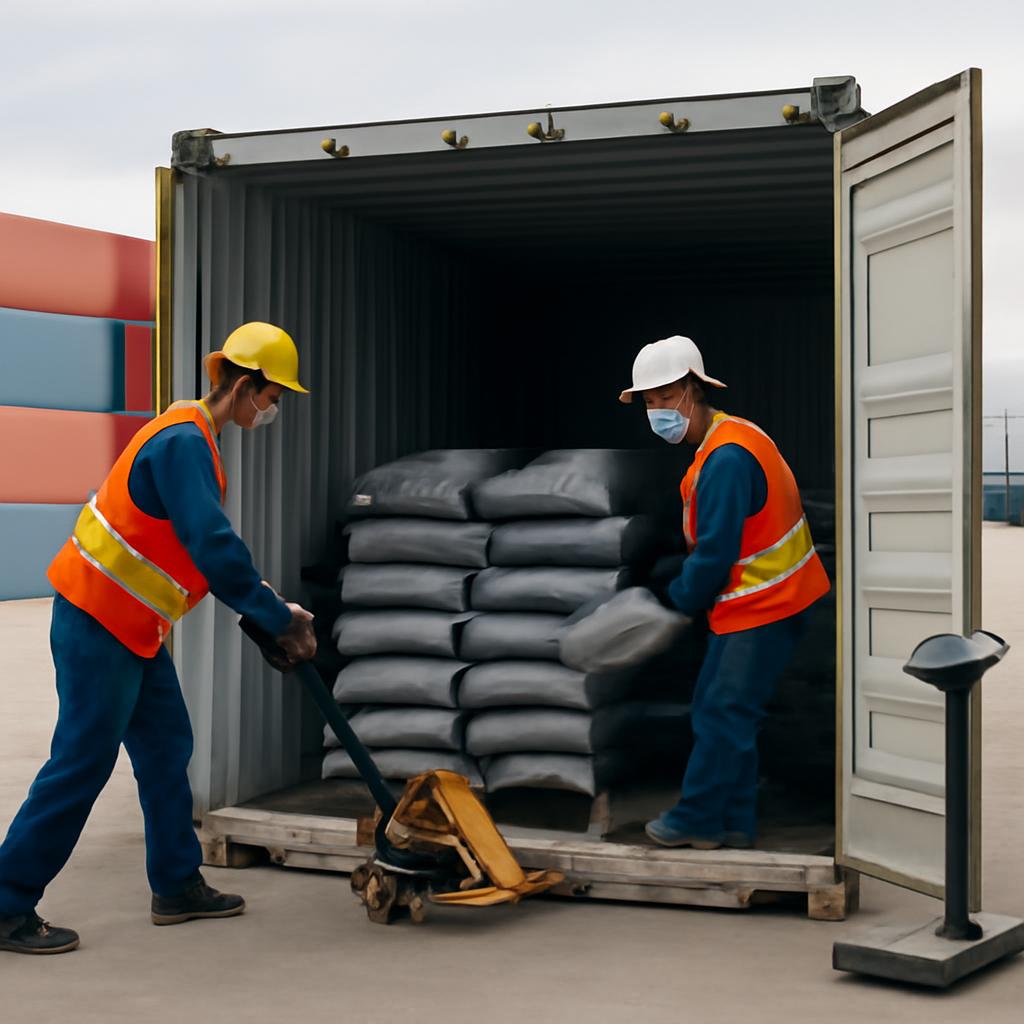
A controlled shipment workflow prevents most documentation failures. Start with the buyer’s import instructions, validate the product classification and destination requirements, then create documents from one verified data sheet. Changes to weights, package counts, vessel schedules, or consignee details must be updated everywhere before final release.
Confirm HS Classification and Import Requirements
The HS code for wood charcoal is commonly within heading 4402, but the exact classification and national subheading should be confirmed with a qualified customs broker or destination authority. Classification influences tariff treatment, statistical reporting, potential permit requirements, and the wording expected on customs documents.
Ask the importer in writing whether the destination requires a phytosanitary certificate, fumigation certificate, inspection certificate, health-related declaration, import permit, or special packaging rule. Requirements can vary by country and by the presence of wood, bark, pests, soil, or untreated packaging materials.
Pack, Label, and Verify the Container
Charcoal must be dry, securely packed, and protected from contamination and crushing. Record the package count, lot or batch references where used, and verified weights before stuffing. Take time-stamped loading photos and retain the container number and seal number as part of the shipment file.
For sea freight, confirm carrier rules on commodity declaration, container condition, and cargo acceptance. Charcoal may be subject to carrier-specific safety screening or restrictions, so the freight forwarder should receive the correct product information early rather than after the booking is confirmed.
Release Documents in the Correct Sequence
After customs clearance and vessel departure, review draft transport documents against the approved commercial invoice and packing list. Send scanned copies to the buyer promptly, then release originals or arrange electronic release only after payment and contract conditions have been satisfied.
For letter of credit transactions, document compliance is especially strict. Dates, names, punctuation, descriptions, and document presentation periods must follow the letter of credit terms. When in doubt, obtain a pre-shipment document check from the bank or trade finance specialist.
Common Documentation Errors and Prevention
The most expensive export mistakes are usually preventable: inconsistent weights, vague product names, incorrect consignee details, unsupported origin statements, and late discovery of destination requirements. A simple pre-shipment checklist can prevent cargo delays that cost far more than careful document review.
Inconsistent Product and Weight Details
Do not allow the invoice to state one quantity while the packing list or bill of lading states another. Differences can occur after loading, but they must be explained, approved, and corrected consistently. Use one master shipment sheet as the source for every document.
Avoid generic descriptions that fail to identify the cargo adequately. The description should be commercially accurate and consistent with the contract, customs classification, and actual packed product. It should never exaggerate quality, origin, or certification status.
Late Requests for Destination Documents
Importers sometimes request a certificate only after cargo has sailed. This can create serious problems if the certificate requires a pre-shipment inspection, a specific original document, or government verification. Include a destination-document checklist in the quotation and contract stage, not only in the shipping stage.
Confirm who pays for inspections, certificates, legalization, courier service, and amendments. Clear responsibility under the selected Incoterms helps avoid disputes when an authority or buyer asks for an additional document.
Practical Pre-Shipment Checklist
Before final document release, verify the following points:
- Seller, buyer, consignee, and notify-party details match the contract.
- Product description, HS classification, package count, and weights are consistent.
- Invoice value, currency, Incoterms, and payment terms are correct.
- Origin, quality, inspection, and destination certificates are valid where required.
- Container number, seal number, vessel details, and ports match transport records.
- All final documents are reviewed by the exporter, broker, and buyer when appropriate.
Documentation requirements can change by country, buyer, and carrier. Treat this guide as a practical framework and obtain current confirmation from licensed customs professionals, authorized certificate issuers, and the destination importer before each shipment.
Frequently Asked Questions
What documents are normally required?
What documents are normally required for Vietnam mangrove charcoal exports? The core set usually includes a commercial invoice, packing list, bill of lading or sea waybill, export customs declaration, and any buyer- or destination-required origin, inspection, or quality documents.
Is a certificate of origin always necessary?
Is a certificate of origin always necessary? No. It depends on the importing country, buyer requirements, tariff preference claim, and customs procedure. Confirm the requirement before shipment.
What HS code applies to charcoal?
What HS code applies to wood charcoal? Wood charcoal is commonly classified under HS heading 4402, but the exact code must be confirmed for the specific product and destination market.
Can buyers request a quality certificate?
Can buyers request a quality certificate? Yes. Buyers often request laboratory results or third-party inspection covering moisture, ash, fixed carbon, size distribution, contamination, and packaging condition.
How can document mismatches be avoided?
How can document mismatches be avoided? Create every document from one approved shipment data sheet, review drafts before vessel departure, and ensure any change is updated across the full document set.
