
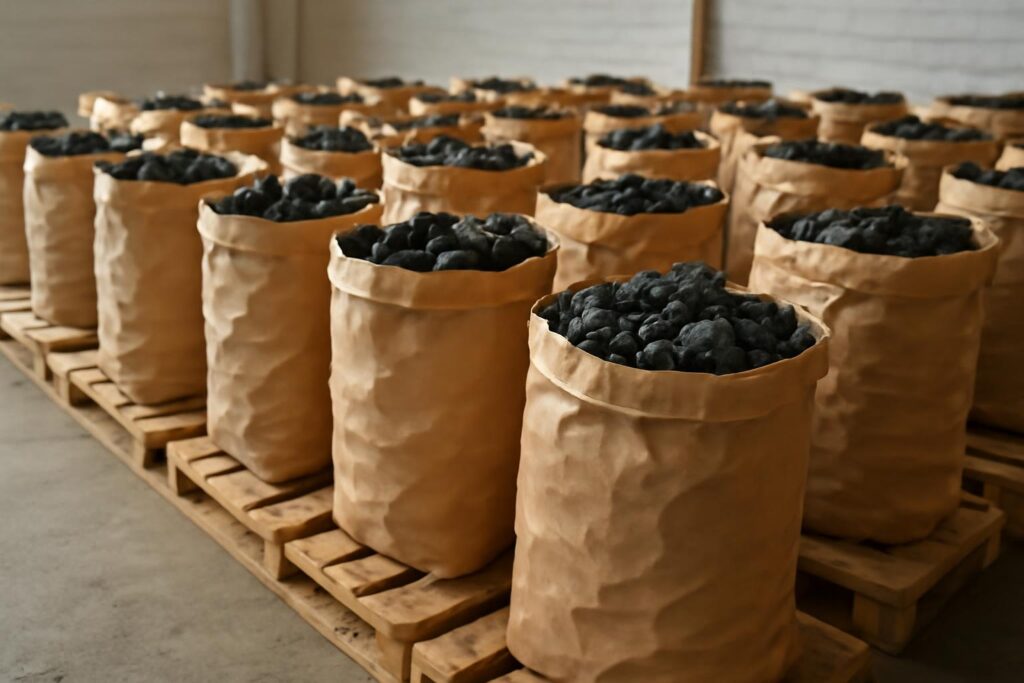
Dry, uncontaminated Vietnam mangrove charcoal can remain usable for many years when it is kept clean and protected from moisture. Usability still depends on storage conditions, packaging integrity, and a quality check before use. If you need dependable heat, low smoke, and consistent cooking performance, this guide explains the storage conditions, warning signs, and practical checks that preserve every bag. You will learn how moisture affects charcoal, how to organize warehouse stock, and how to confirm quality before grilling or commercial use.
How Long Vietnam Mangrove Charcoal Lasts
Vietnam mangrove charcoal is a carbon-rich fuel created through controlled carbonization of dense mangrove wood. Because quality charcoal contains very little moisture and volatile matter, it does not spoil like food. Its useful life depends far more on storage conditions than on the production date.
Expected shelf life under dry storage
When sealed or covered in a dry, ventilated location, mangrove lump charcoal can retain its fuel value for years. There is no fixed expiration date for dry charcoal. The key is preventing water exposure, excessive dust, chemical odors, and damage that turns larger pieces into excessive fines.
For importers, restaurants, and distributors, a practical stock-control rule is to use older intact inventory first while maintaining dry storage. This supports predictable charcoal storage duration without treating an old manufacturing date as an automatic quality failure.
Why density supports long-term usability
Dense mangrove charcoal is valued for long burn time, stable heat, and a relatively clean combustion profile. These traits are part of the broader product characteristics covered in this Vietnam mangrove charcoal buying guide. While density does not make charcoal waterproof, it gives properly carbonized pieces a durable structure when handled and stored correctly.
Packaging also matters. Strong paper bags with an inner liner, woven polypropylene sacks, and well-sealed cartons can help keep products clean during transport. However, packaging is a barrier, not a substitute for a dry warehouse floor and a protected loading area.
What Shortens Mangrove Charcoal Shelf Life
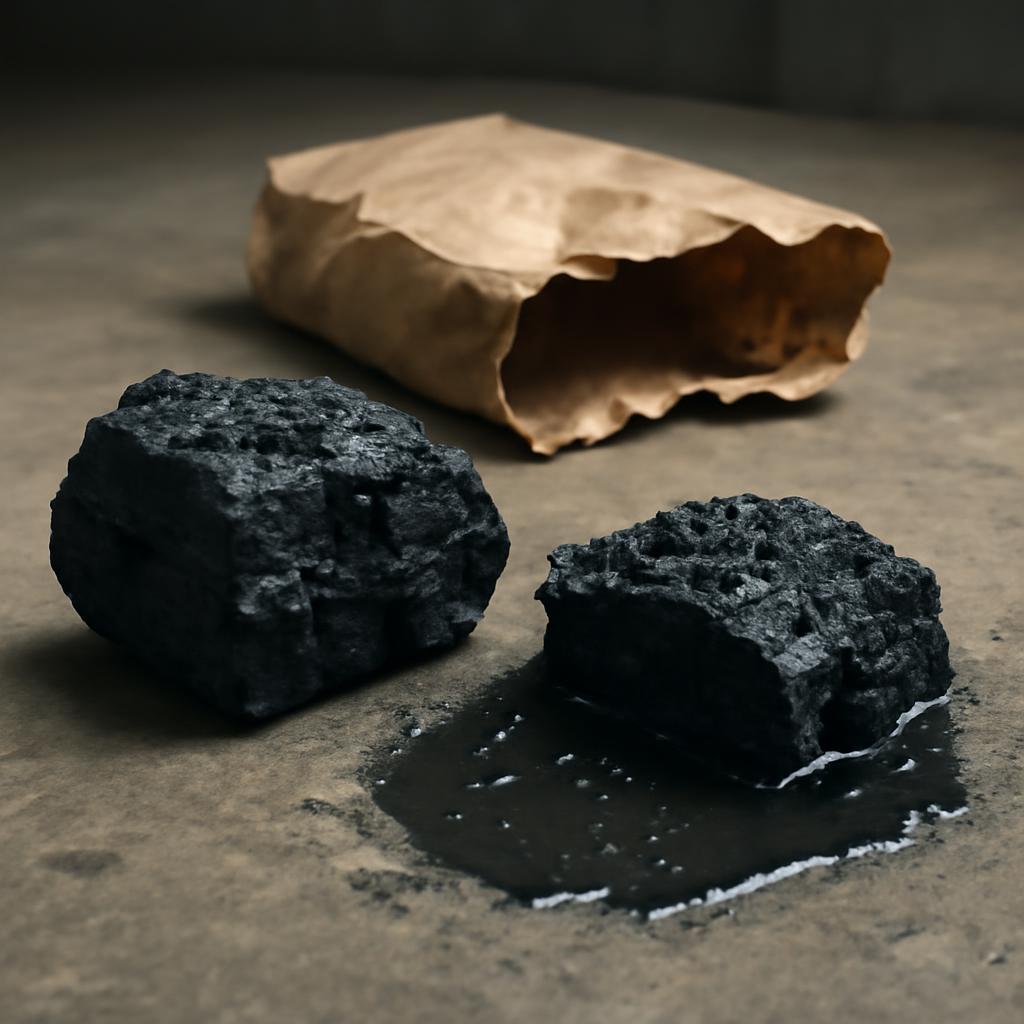
Moisture is the primary threat to Vietnam Mangrove Charcoal shelf life. Charcoal can absorb humidity from wet air, rain, standing water, or condensation. Damp fuel is harder to light, may smoke more during ignition, and can produce less consistent cooking heat.
Moisture and humidity exposure
High humidity charcoal storage is especially risky in coastal regions, rainy seasons, and unventilated containers. If water enters a bag, the charcoal may remain usable after thorough drying, but its condition should be checked carefully. Wet-and-dry cycles can weaken pieces and increase breakage during handling.
Use pallets to lift bags away from concrete floors, which can transfer moisture upward. Leave an air gap between stacks and exterior walls, repair roof leaks promptly, and avoid placing charcoal near doors where rain can blow inside.
Contamination and foreign odors
Charcoal has a porous surface, so it can pick up petroleum fumes, cleaning-product odors, paint vapors, or food residues. Never store it beside fuel, solvents, pesticides, fresh produce, or strongly scented goods. Contaminated charcoal should not be used for food preparation.
Understanding the intended application also helps determine handling standards. For a broader view of mangrove charcoal uses and quality requirements, consider whether the product is destined for restaurant grilling, household barbecue, or industrial heat. Food-service stock demands particularly strict cleanliness controls.
Breakage, ash, and poor inventory handling
Repeated dropping, overstacking, and rough loading can create small fragments and charcoal dust. A limited amount of fines is normal, but too much reduces airflow in a grill and makes portioning less convenient. Handle sacks gently, avoid excessive stack heights, and rotate inventory using a first-in, first-out system.
- Keep bags on dry pallets or shelving.
- Protect stock from rain, splash water, and direct ground contact.
- Store away from chemicals, fuel, and odorous materials.
- Inspect packaging after transport and before dispatch.
How to Store Vietnam Mangrove Charcoal Correctly
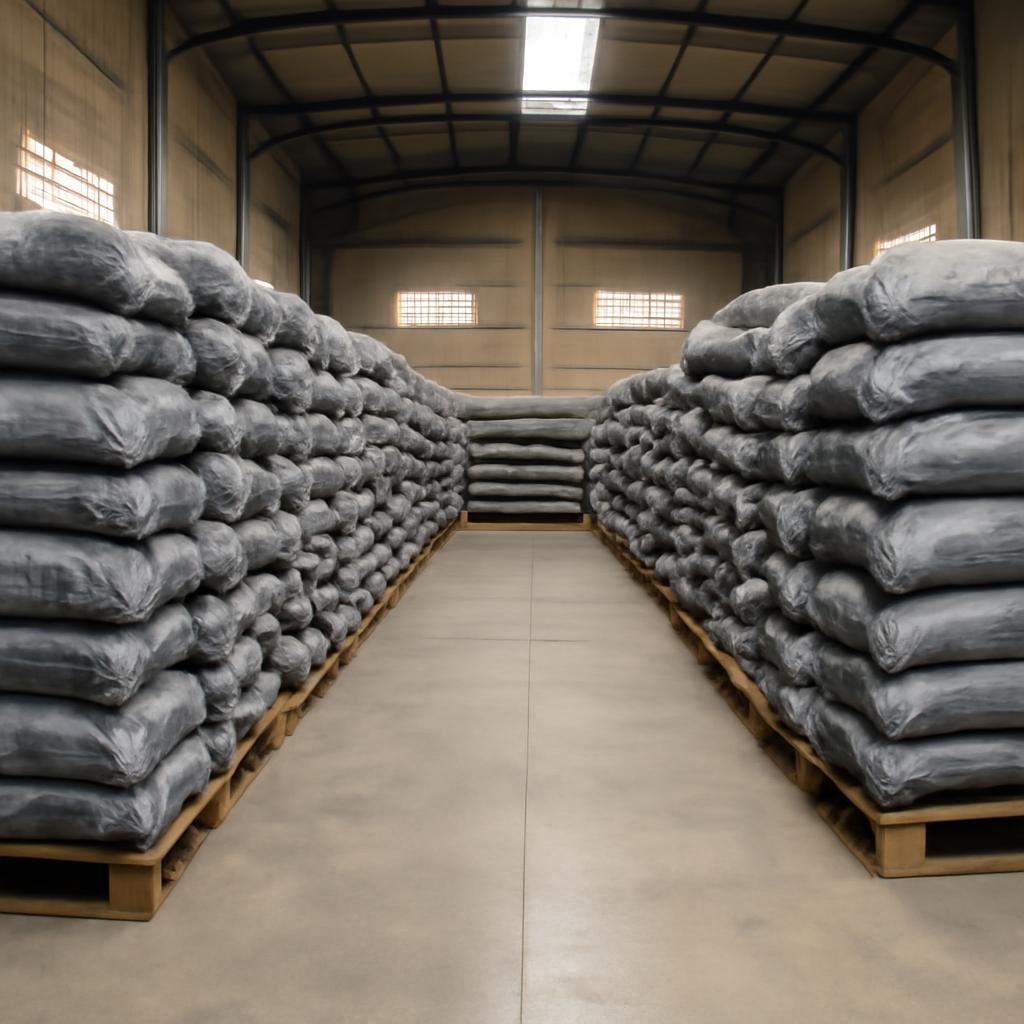
Effective charcoal storage conditions are simple: dry, covered, clean, and well organized. A warehouse does not need to be complicated, but it must reliably prevent water ingress and reduce unnecessary handling.
Set up a dry storage area
Choose a roofed space with sound drainage, intact walls, and adequate airflow. Keep bags elevated on pallets, ideally with enough clearance for routine cleaning and visual inspection. Avoid direct sunlight where it can weaken packaging over long periods, and prevent condensation by maintaining ventilation in enclosed storage areas.
For home users, an airtight bin can be useful only if the charcoal is completely dry before sealing. Locking in residual moisture can create musty odors and damp fuel. A clean lidded container stored indoors or under a dry covered area is usually the safest option.
Use packaging that matches the supply chain
Export-grade charcoal packaging should survive loading, container transport, unloading, and warehouse stacking. Inner liners may improve moisture resistance, while outer bags should be strong enough to limit tears. Do not place freshly produced charcoal into sealed packaging until it has cooled fully; hot charcoal can create safety risks and trapped condensation.
Buyers comparing specifications should assess more than bag appearance. Review carbon content, fixed carbon, moisture percentage, ash content, piece size, and packing method. These factors are explained alongside sourcing considerations in this Vietnam mangrove charcoal quality overview.
Monitor stock during long storage
Check stored bags periodically for wet spots, torn seams, pests around the storage area, unusual odors, or visible mold on packaging. Mold may grow on damp paper bags or external organic debris, rather than on carbon itself, but it is still a clear warning that the storage environment is too wet.
Record arrival dates, lot numbers, storage location, and inspection results. This simple discipline improves traceability and helps identify whether problems originated during shipping, unloading, or warehouse storage.
How to Check Charcoal Quality Before Use
Before using stored charcoal, inspect a small sample. Good mangrove lump charcoal should feel dry, firm, and lightweight for its size, with a hard carbonized surface. Minor dust is common, but bags dominated by crushed material may not perform as expected.
Visual and tactile inspection
Look for intact lumps with a dark black surface and a dry feel. Reject material that smells of chemicals, appears greasy, shows obvious damp clumping, or contains foreign matter. A dull sound and soft crumbling texture can indicate moisture exposure or poor carbonization.
A charcoal moisture test can be as simple as comparing ignition behavior from a representative sample. Damp charcoal typically takes longer to light, produces more startup smoke, and struggles to establish an even ember bed. For commercial purchasing, laboratory moisture testing provides more reliable verification.
Small burn test for performance
Light a small amount in a safe grill or approved combustion setup. Quality charcoal should ignite steadily with appropriate airflow, build a stable glowing bed, and avoid persistent harsh odors. Do not use charcoal for cooking if it produces unusual chemical smells or visible signs of contamination.
Burn time varies with piece size, airflow, grill design, and charcoal grade. Larger, denser pieces generally support a longer burn, while excessive small pieces can burn faster and restrict ventilation. Evaluate a sample under the same operating conditions used in regular service.
When replacement is the better choice
Replace stock if it has been soaked, contaminated with chemicals, mixed with unknown materials, or severely reduced to dust. The cost of replacing questionable fuel is usually lower than the risk of poor food flavor, unreliable grilling results, or unsafe use.
With dry, clean storage and routine checks, Vietnam mangrove charcoal can remain a dependable fuel long after purchase. The practical goal is not to chase a date on the bag, but to protect the product from moisture, contamination, and physical damage from delivery through final use.
Frequently Asked Questions
Does Vietnam mangrove charcoal expire?
Does Vietnam mangrove charcoal expire? Dry, uncontaminated charcoal can remain usable for years, but buyers should still check moisture exposure, contamination, packaging damage, and burning performance before use.
Can damp charcoal be used after drying?
Can damp charcoal be used after drying? It may be usable after complete drying if it has not absorbed chemicals or odors. Test a small sample first and discard contaminated material.
What is the best place to store charcoal?
What is the best place to store charcoal? Store it in a dry, covered, ventilated area on pallets or shelves, away from rain, ground moisture, chemicals, and strong odors.
How can I tell whether charcoal has absorbed moisture?
How can I tell whether charcoal has absorbed moisture? Warning signs include damp packaging, clumping, delayed ignition, excess startup smoke, and charcoal that crumbles unusually easily.
Should charcoal be stored in an airtight container?
Should charcoal be stored in an airtight container? Yes, but only when the charcoal is fully dry. A sealed container can protect dry charcoal, while sealing damp charcoal can trap moisture.
