
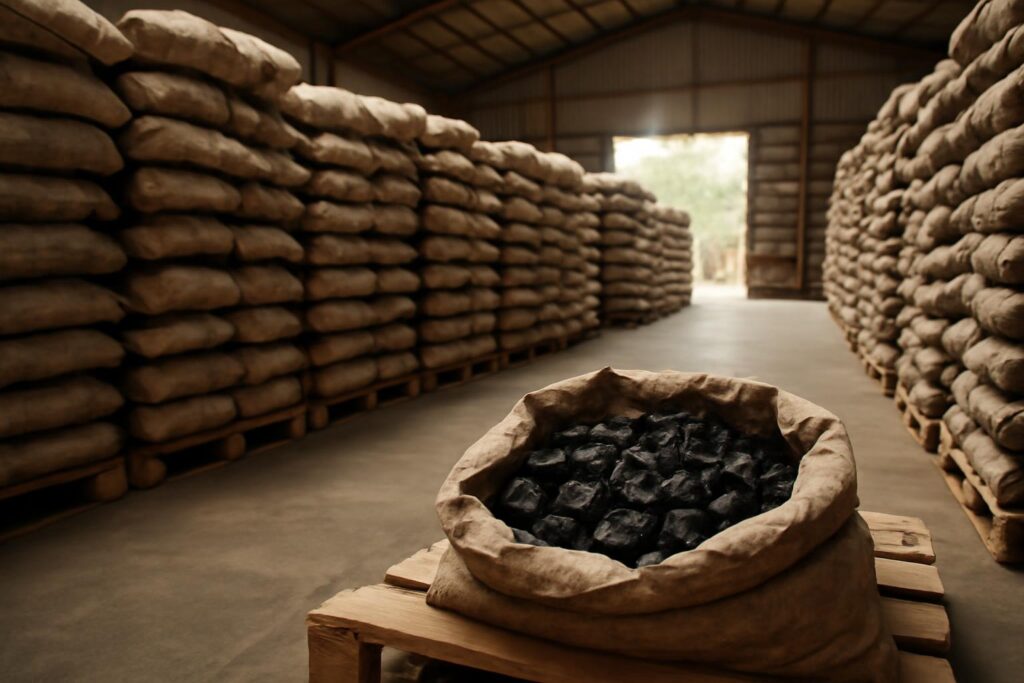
A reliable store Vietnam Mangrove Charcoal should provide dense, dry, consistently sized charcoal with clear origin, packaging, and shipment information. If you are sourcing charcoal for grilling, foodservice, or distribution, this guide helps you evaluate suppliers, verify quality, compare formats, and protect your purchase before placing an order. You will also learn which specifications matter most for performance, storage, and repeat supply.
What to Expect From a Store Vietnam Mangrove Charcoal Supplier
Buying from a store Vietnam Mangrove Charcoal supplier is not simply about finding the lowest price per kilogram. A dependable seller should make the product easy to identify, quote, inspect, and reorder. That means providing clear details about charcoal type, available sizes, packaging options, minimum order quantity, and delivery terms before payment is requested.
Product transparency comes first
Ask whether the product is natural hardwood charcoal, what mangrove wood source is used, and how the charcoal is carbonized. Good suppliers can explain the practical characteristics of their Vietnam mangrove charcoal, including density, expected burning duration, ash level, and suitable applications. Transparent product information helps buyers match the charcoal to barbecue, restaurant, wholesale, or export requirements.
For a broader view of product characteristics and sourcing priorities, review this guide to Vietnam mangrove charcoal quality and uses. It is especially useful when comparing product offers that use similar descriptions but have different performance standards.
Supply consistency matters for commercial buyers
Restaurants, retailers, and importers need more than a one-time shipment. Confirm whether the supplier can maintain the same grade over repeat orders, especially for mangrove lump charcoal. Variation in moisture, particle size, or carbonization can change ignition speed, heat output, smoke, and customer satisfaction.
Request a written specification sheet and sample photos taken in natural light. Where possible, obtain a physical sample before committing to a container or wholesale order. A sample should show the actual grade you will receive, not only the best pieces selected for display.
Communication signals service quality
A professional charcoal supplier answers practical questions directly: which grades are in stock, how the product is packed, when it can ship, and what documents accompany export cargo. Fast, precise communication reduces the chance of ordering the wrong grade or receiving packaging that does not meet your retail plan.
Be cautious when a seller cannot define product size ranges, avoids discussing moisture, or offers unusually broad promises without evidence. Clear specifications are more valuable than vague claims of premium quality.
How to Assess Charcoal Quality Before You Buy
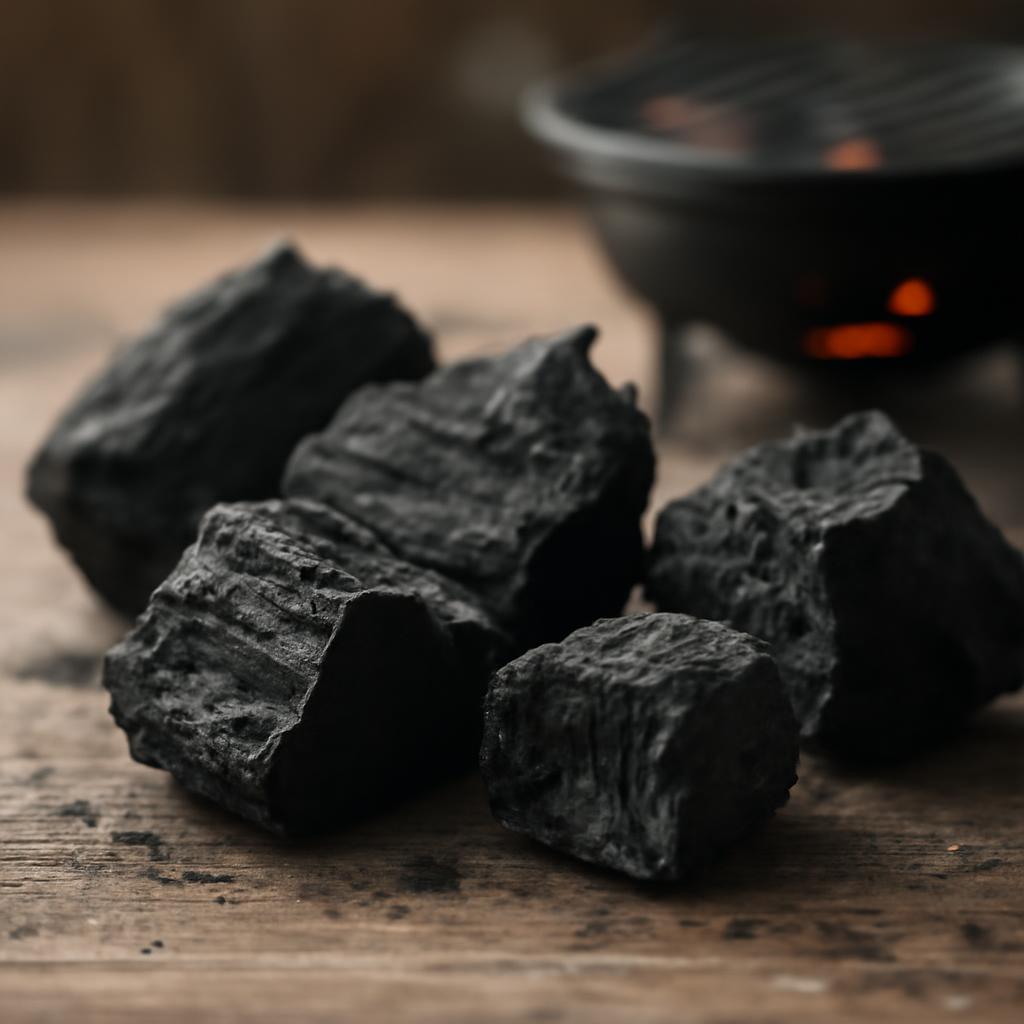
Quality assessment should focus on performance and consistency, not color alone. Premium charcoal typically feels hard and relatively light for its size, produces a clean ringing sound when two pieces are tapped together, and contains limited dust or soft, under-carbonized wood. These clues help identify properly made restaurant grade charcoal.
Check density, shape, and usable size
Dense pieces generally burn longer and maintain heat more steadily than fragile material. For grilling, buyers often prefer medium-to-large pieces that fit common fireboxes and allow airflow between lumps. Excessively small fragments can restrict oxygen, ignite unevenly, and create unnecessary waste.
Specify a size range instead of relying on terms such as “large” or “mixed.” For example, ask the supplier to state the percentage of pieces above your preferred minimum dimension and the acceptable percentage of fines. This protects the usability of every bag.
Review moisture, ash, and smoke performance
Low moisture charcoal lights more predictably and wastes less heat evaporating water. Low ash is also important for long service periods because it helps preserve airflow through the grill. The best choice depends on the intended equipment, but commercial kitchens usually value long burn time, stable heat, and manageable ash cleanup.
When considering product performance, use a complete mangrove charcoal buying guide to compare factors such as burn duration, heat stability, and food-grilling suitability. These measurements make supplier comparisons more objective.
Use samples and inspection criteria
Before placing a large order, inspect samples for visible soil, stones, foreign material, mold, excessive dust, and uncarbonized wood. Light a small test batch outdoors or in suitable ventilation and observe ignition, flame behavior, odor, smoke, and ash residue. Consistent charcoal should settle into a stable heat bed after ignition.
- Confirm the requested size distribution.
- Check for dry, hard pieces with limited breakage.
- Measure or request documented moisture and ash data when available.
- Test burn time in equipment similar to your intended use.
- Keep approved samples as a reference for future shipments.
Storage, Packaging, and Delivery Standards
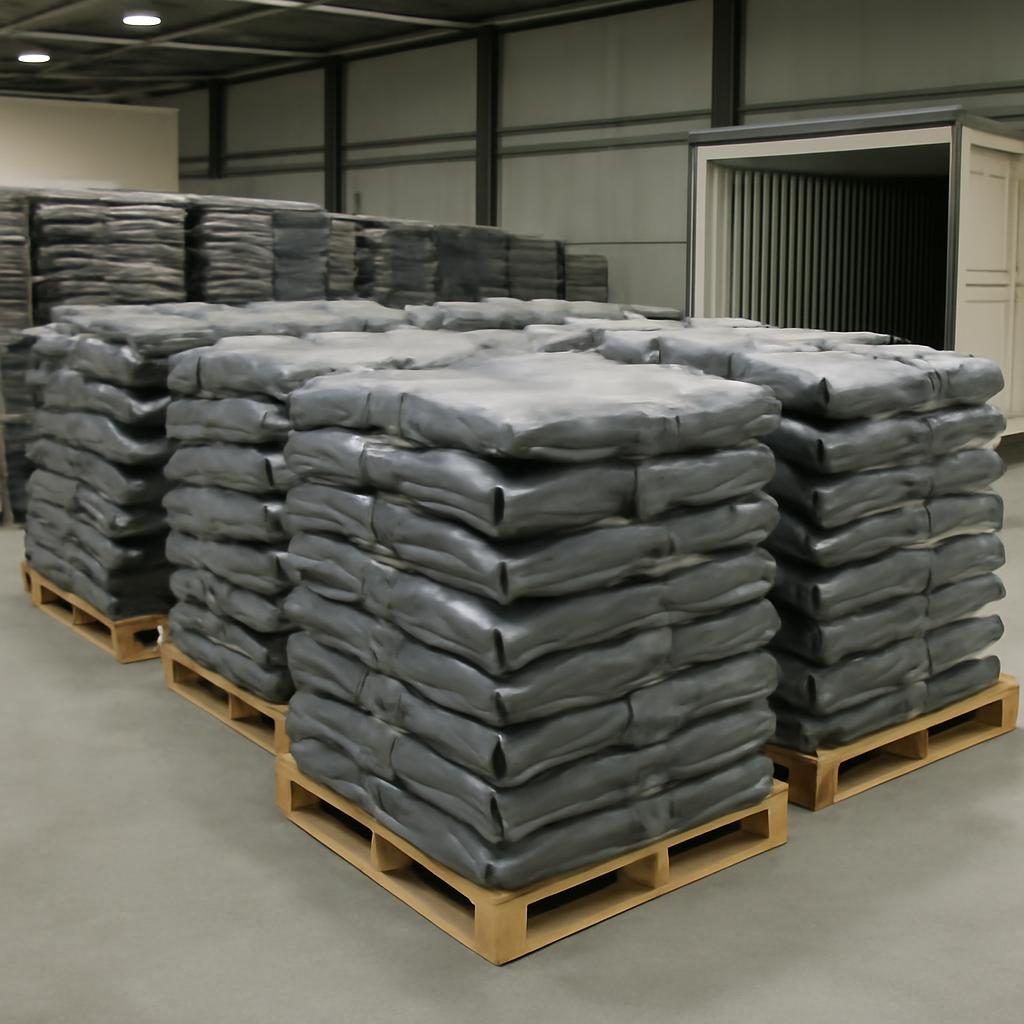
Even high-quality charcoal can lose value when it is poorly packed or stored. Charcoal absorbs moisture and breaks under pressure, so packaging and logistics deserve the same attention as the charcoal itself. Buyers should define bag weight, material, pallet requirements, labeling needs, and loading conditions before dispatch.
Choose packaging for the sales channel
Retail buyers may need durable printed bags in convenient sizes, while foodservice and wholesale customers may prefer larger sacks that reduce packing cost. Regardless of format, charcoal export packaging should resist tearing, reduce moisture exposure, and control dust leakage during handling.
Ask how bags are sealed, whether inner liners are available, and how many bags fit on a pallet or in a container. These details affect damage rates, warehouse efficiency, retail presentation, and landed cost per usable kilogram.
Store charcoal in dry, protected conditions
Keep bags off the floor on pallets or shelving, away from rain, standing water, and high-humidity areas. Avoid stacking loads so high that the bottom bags crush and turn into fines. A clean, dry, ventilated storage area helps preserve the properties expected from Vietnam BBQ charcoal.
Rotate inventory using a first-in, first-out approach, particularly in climates with seasonal humidity. Although charcoal does not spoil like food, poor storage can increase moisture and reduce reliable lighting performance.
Confirm shipping and documentation early
For cross-border orders, clarify the shipping method, lead time, Incoterms, export documents, container loading plan, and cargo insurance responsibilities. The supplier should also explain whether the shipment includes product specifications, packing lists, commercial invoices, and any destination-specific documents required by the buyer.
Understanding the full Vietnam charcoal sourcing process helps buyers plan inspections, freight, storage, and receiving checks before cargo arrives. Early planning reduces expensive delays and disputes.
Choosing the Right Charcoal for Your Market
The right charcoal grade depends on how customers will use it. A restaurant with long dinner service, a retail shop selling weekend barbecue fuel, and a distributor supplying multiple countries may all need different sizes, bag formats, and performance specifications. Define the end user before choosing a product grade.
For restaurants and professional grilling
Professional kitchens often prioritize consistent heat, low smoke after ignition, durable pieces, and efficient ash control. Larger or medium-size mangrove lump charcoal is commonly preferred because it can maintain a strong cooking bed over longer sessions. Request a grade designed for steady performance rather than simply the lowest-cost mixed size.
Run an operational trial using your own grill, ventilation conditions, cooking volume, and staff routine. A charcoal that performs well in a short demonstration may behave differently during extended service.
For retail and home barbecue customers
Retail customers value easy lighting, clean bags, practical pack sizes, and visible consistency. Consider offering more than one size option, such as a smaller convenience bag and a larger value pack. Clear product specifications and safe-use guidance can also build trust at the point of sale.
For home grilling, balanced piece size is often more important than unusually large lumps. Customers need charcoal that fits compact grills, lights reliably, and does not leave a bag full of dust.
For distributors and importers
Distributors should build a purchase specification that includes charcoal grade, particle-size tolerance, maximum fines, packaging, net weight, allowable moisture, inspection standards, and claim procedures. This document keeps every shipment aligned with the market segment you serve.
Do not select a supplier based on price alone. Calculate the usable yield after breakage, moisture exposure, and fine material are considered. The most competitive option is the one that provides dependable quality, predictable logistics, and satisfied repeat customers.
Frequently Asked Questions
What is Vietnam mangrove charcoal used for?
It is widely used for barbecue grilling, restaurants, catering, retail fuel sales, and commercial food preparation where steady heat and long-burning natural charcoal are desired.
How can I find a reliable store Vietnam Mangrove Charcoal supplier?
Choose a supplier that provides clear specifications, samples, packaging details, realistic lead times, and responsive answers about quality control and shipment terms.
What should I inspect in a charcoal sample?
Check piece size, hardness, dust content, moisture signs, foreign material, ignition behavior, smoke, ash, and burn duration in a test suitable for your equipment.
How should mangrove charcoal be stored?
Store it in sealed, durable bags in a dry, covered, ventilated area. Keep bags off the ground and protect them from rain, humidity, and crushing pressure.
Is larger charcoal always better?
No. Larger pieces may burn longer, but the ideal size depends on the grill, airflow, cooking style, and customer preference. A consistent size range is usually more important than maximum lump size.
