
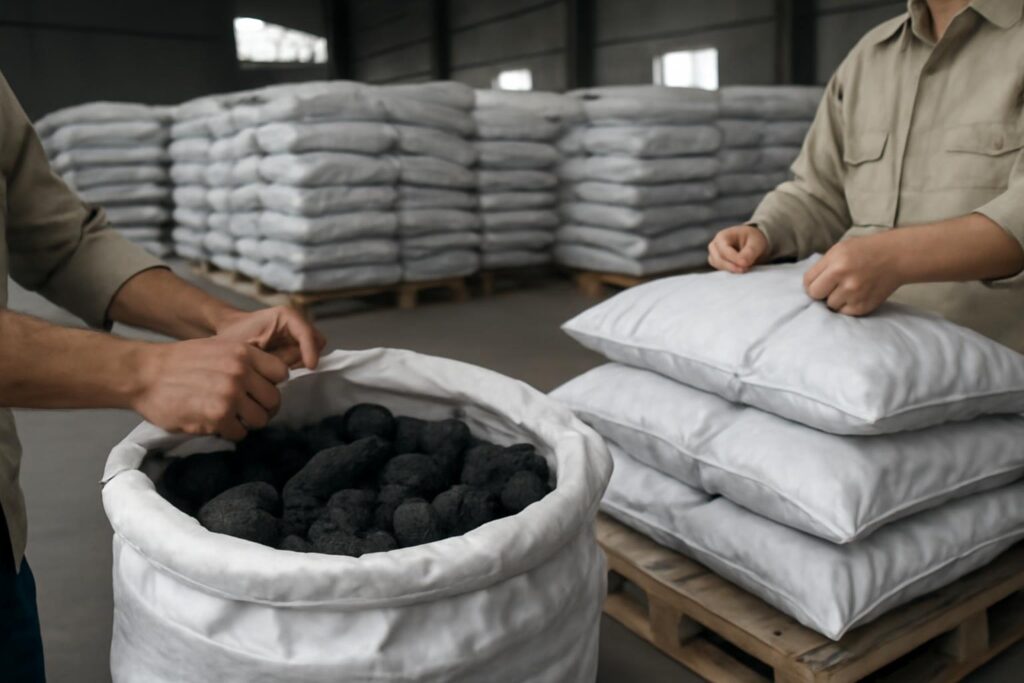
Vietnam Mangrove Charcoal packaging should protect the charcoal from moisture, crushing, dust loss, and contamination while matching the buyer’s retail or bulk-shipping needs. The right bag material, inner liner, weight, sealing method, and pallet configuration directly affect product quality and landed cost when arranging bulk BBQ charcoal imports. If you need dependable packaging for export orders, this guide explains practical formats, material selection, compliance checks, and quality-control standards before shipment.
Why Packaging Matters for Vietnam Mangrove Charcoal
Packaging is not an afterthought for mangrove charcoal; it is part of product preservation. Charcoal is porous and can absorb moisture and odors during storage or transit. A well-designed pack helps retain dryness, limits breakage, and presents a clean, reliable product to importers, distributors, restaurants, and end users.
Protecting calorific performance and appearance
Dry, low-dust charcoal performs more consistently at the point of use. When packaging resists humidity and rough handling, fewer pieces arrive cracked or reduced to fines. This is especially important for restaurant-grade charcoal packaging, where uniform pieces, clean handling, and a premium appearance influence repeat orders.
Packaging also supports buyers who are comparing grades and applications. For a broader view of material characteristics and end-use expectations, review this Vietnam mangrove charcoal buying guide before setting bag specifications.
Reducing loss through the supply chain
Every transfer point—factory, warehouse, container, port, distributor, and store—creates a risk of tears, punctures, and compression damage. Durable charcoal export bags reduce product loss and help suppliers maintain the declared net weight. For long-distance shipments, an outer woven layer combined with a moisture barrier is often more dependable than a single lightweight sack.
Good packaging creates commercial value as well. It can separate retail-ready products from industrial bulk stock, simplify stock counting, and improve shelf presentation without compromising handling strength. The goal is a package that protects the product first and communicates quality second.
Matching pack size to the buyer’s channel
Retail customers commonly request manageable packs such as 2 kg, 3 kg, 5 kg, or 10 kg, while foodservice and wholesale buyers may prefer 15 kg or 20 kg formats. Bulk users can require larger woven sacks or flexible packaging solutions. Select size according to how often the buyer handles inventory, not merely the lowest bag cost.
A smaller retail bag may require higher-quality printing and a stronger visual finish, whereas a wholesale bag prioritizes load capacity and stacking stability. Confirm the preferred net weight, tolerance, outer dimensions, and carton or pallet plan before production begins.
Choosing the Right Packaging Materials and Formats
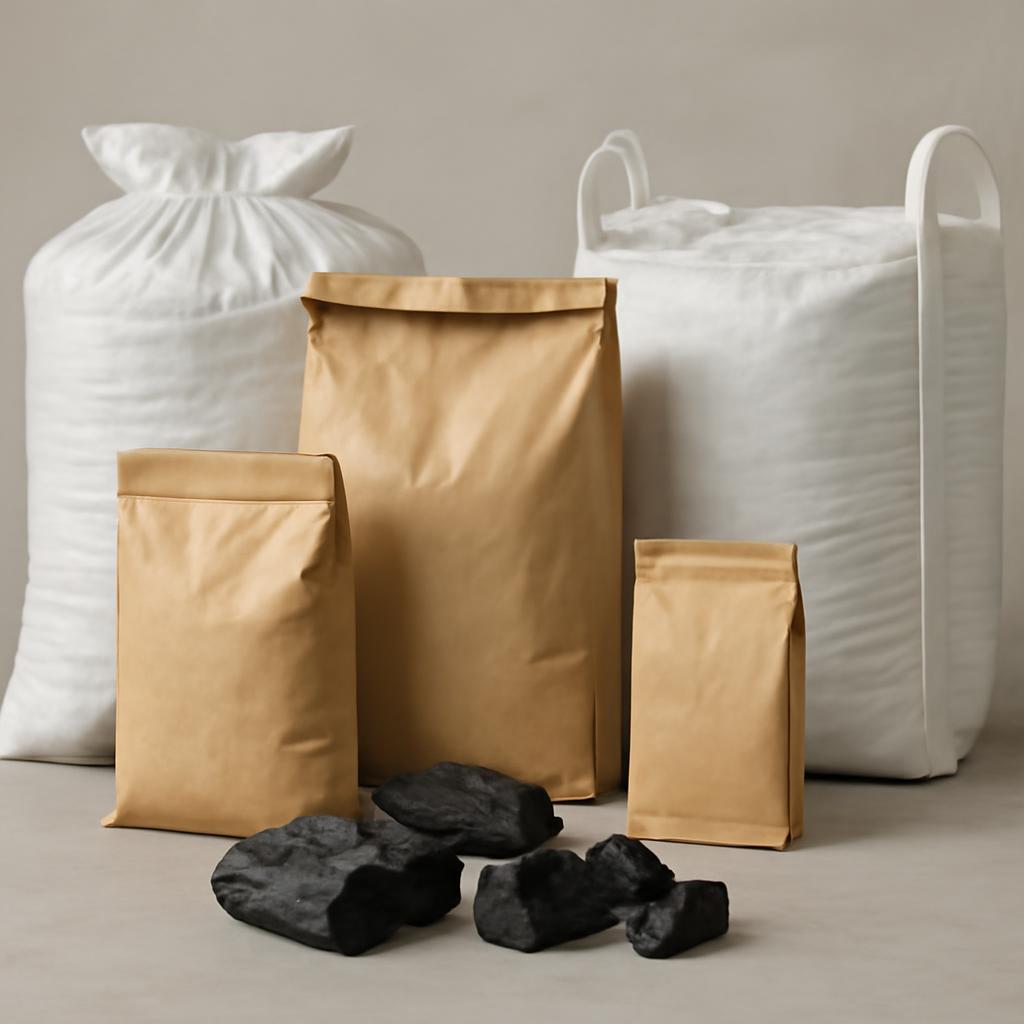
The best packaging format depends on charcoal grade, shipping route, branding requirements, and handling conditions. A strong option is usually a layered system: an inner moisture-resistant barrier, a durable outer structure, and secondary protection for palletized or containerized freight.
PP woven bags with protective liners
PP woven charcoal bags are widely used because they offer high tear resistance, practical cost control, and good load-bearing strength. A polyethylene inner liner can improve moisture protection and reduce dust leakage. This format is suitable for many 5 kg to 20 kg export packs, particularly where bags will be stacked and moved repeatedly.
Specify the fabric weight, denier, liner thickness, stitch type, and closure method instead of requesting a generic woven sack. A bag that looks acceptable when empty may fail once filled, palletized, and exposed to humidity changes during ocean transport.
Paper bags for retail positioning
Multiwall kraft paper bags can provide a natural, premium retail look, especially when paired with an internal barrier layer. They work best when the distribution chain is controlled and moisture exposure is limited. For retail markets that value a refined presentation, paper can reinforce a responsible sourcing message while keeping the product practical to carry.
However, paper alone is not ideal for every route. Assess warehouse humidity, port handling, container transit time, and stacking pressure. If conditions are demanding, use reinforced paper construction, a liner, or an additional outer shipper to prevent seam failure and water damage.
Retail-ready versus bulk packaging
Retail packs should balance easy carrying, clean sealing, and shelf appeal. Useful features include heat-sealed liners, reinforced handles, controlled ventilation where appropriate, and tamper-evident closures. Bulk packaging should focus on net-weight accuracy, puncture resistance, and secure pallet stacking.
Before choosing a format, align the packaging with the intended charcoal application. Buyers sourcing products for grilling, commercial kitchens, or distribution can compare use-based requirements through this mangrove charcoal uses overview. This prevents premium retail packaging from being used where heavy-duty industrial sacks are more appropriate.
Export Protection, Labeling, and Compliance
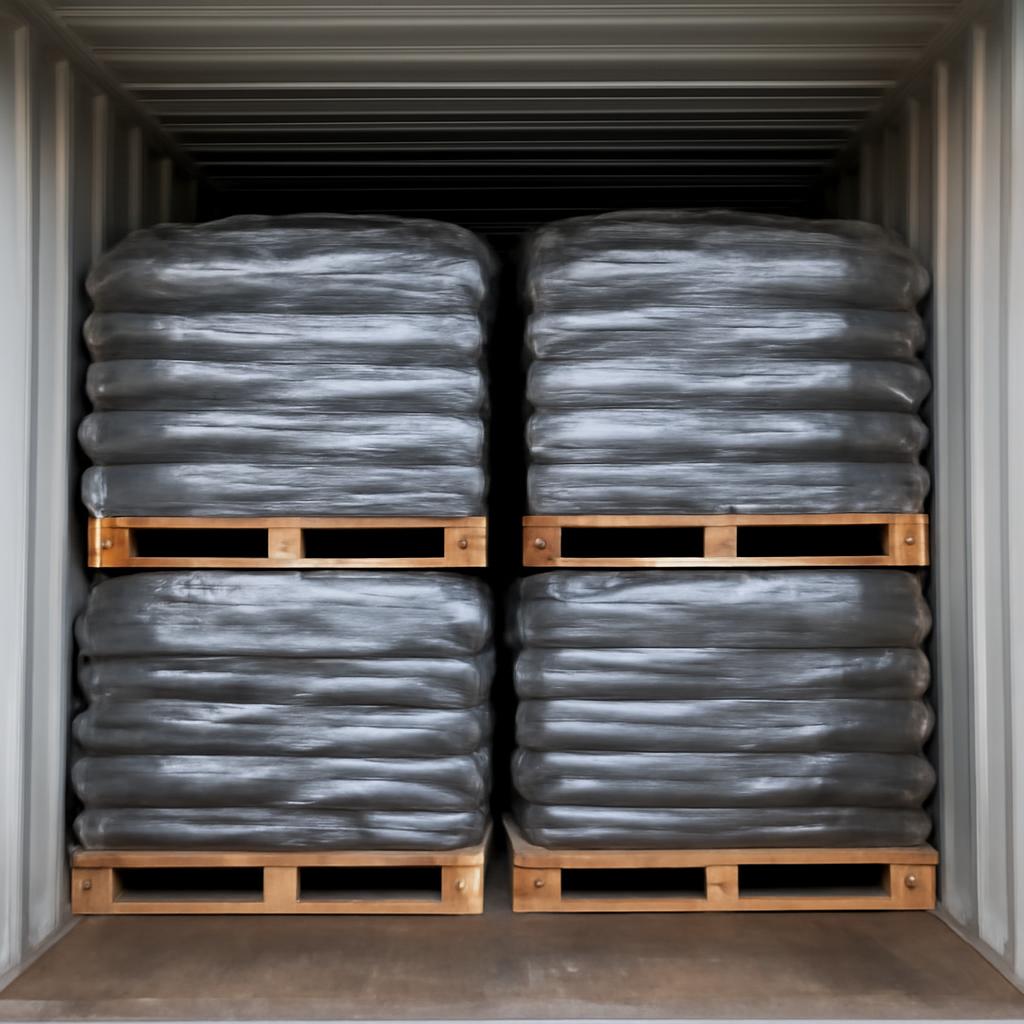
Export packaging must do more than hold charcoal. It should withstand container movement, protect against moisture, support traceability, and meet destination-market rules. Confirm requirements with the importer before finalizing artwork, labels, carton marks, or pallet treatment.
Moisture barriers and container preparation
Moisture-resistant charcoal packaging is essential when shipments travel by sea or pass through humid storage conditions. Use liners or barrier films where needed, keep bags off the container floor with pallets or dunnage, and ensure the cargo is loaded dry. Container desiccants may be considered for routes with elevated condensation risk.
Do not pack warm charcoal immediately after production. The product should be fully cooled and dry before bagging to reduce condensation, odor transfer, and potential safety concerns. A clean, dry loading environment is as important as the bag specification itself.
Clear product and shipment information
Labels should be accurate, legible, and aligned with the buyer’s market requirements. Common details include product name, net weight, country of origin, batch or lot reference, importer information where required, handling instructions, and any relevant safety statements. Avoid unsupported environmental or performance claims.
For branded retail packs, approve final artwork through a written proofing process. For bulk sacks, prioritize durable shipping marks that remain readable after friction and handling. Ink, adhesive labels, and printed surfaces should be tested against abrasion and humidity.
Pallets, cartons, and load stability
Secondary packaging protects individual bags during movement. Cartons can help retail packs retain shape, while stretch wrap, corner boards, and strapping improve pallet stability. Use a pallet pattern that distributes weight evenly and avoids overhang, which can lead to crushed edges and torn bags.
When wood pallets are required, verify destination rules for treated wood packaging. A clear loading plan should state bag count per pallet, pallet height, gross weight, and container loading sequence. These details reduce disputes and simplify receiving checks at destination.
Packaging Quality Control and Supplier Requirements
Reliable Vietnam Mangrove Charcoal packaging starts with written specifications and measurable inspection criteria. Buyers should approve a physical sample before mass production, then verify bags, closures, labels, weights, and pallet configuration during pre-shipment inspection.
Build a clear packaging specification sheet
A complete specification sheet should include bag type, dimensions, material layers, color, printing zones, net weight, permitted tolerance, closure method, liner requirement, carton details, pallet arrangement, and container quantity. It should also define acceptable defect limits for printing, stitching, contamination, and damaged bags.
Packaging requirements should be integrated with product requirements. Explore the relationship between charcoal grade, handling, and delivery quality in this Vietnam mangrove charcoal quality guide, then translate those needs into specific protection standards for each order.
Check weight, seals, and drop resistance
Quality control should verify net weight using calibrated scales and inspect seams for missed stitches, weak closures, and liner damage. Randomly selected bags can undergo handling simulations, including short drop checks and compression checks, to identify failures before the shipment is loaded.
Also inspect charcoal condition at packing: excessive fines, wet pieces, foreign material, or uneven sizing can undermine even the best packaging. Keep records of lot numbers, inspection results, and approved samples so any quality issue can be traced quickly.
Questions to ask before placing an order
- What bag material and liner thickness are proposed for the shipping route?
- How is net weight controlled and documented?
- What closure method prevents dust leakage and moisture entry?
- How many bags fit per pallet and per container without overloading?
- Can a pre-production sample and final packing sample be approved before shipment?
Choosing packaging on these measurable terms helps protect product condition, reduce claims, and create a more consistent purchasing experience. It also gives importers a practical basis for comparing supplier offers beyond the quoted price per bag.
Frequently Asked Questions
What is the best bag type for mangrove charcoal exports?
PP woven bags with moisture-resistant inner liners are a common export choice because they combine strength, dust control, and practical cost. The final choice should reflect pack weight, shipping route, and retail or bulk use.
Should charcoal be packed in paper or plastic bags?
Paper bags can suit premium retail presentation, especially with an internal barrier layer. Woven polypropylene is generally more durable for humid conditions, heavy loads, and repeated freight handling.
How can moisture damage be prevented during ocean shipping?
Pack only fully cooled, dry charcoal; use liners or barrier materials; keep cargo off the container floor; and consider desiccants when the route has high condensation risk.
What information should appear on charcoal packaging?
Include the product name, net weight, country of origin, lot or batch reference, importer details where required, and destination-market handling or safety information.
Which charcoal pack sizes are most common?
Common retail sizes are 2 kg, 3 kg, 5 kg, and 10 kg. Wholesale and foodservice buyers often use 15 kg or 20 kg bags, depending on handling and storage needs.
