
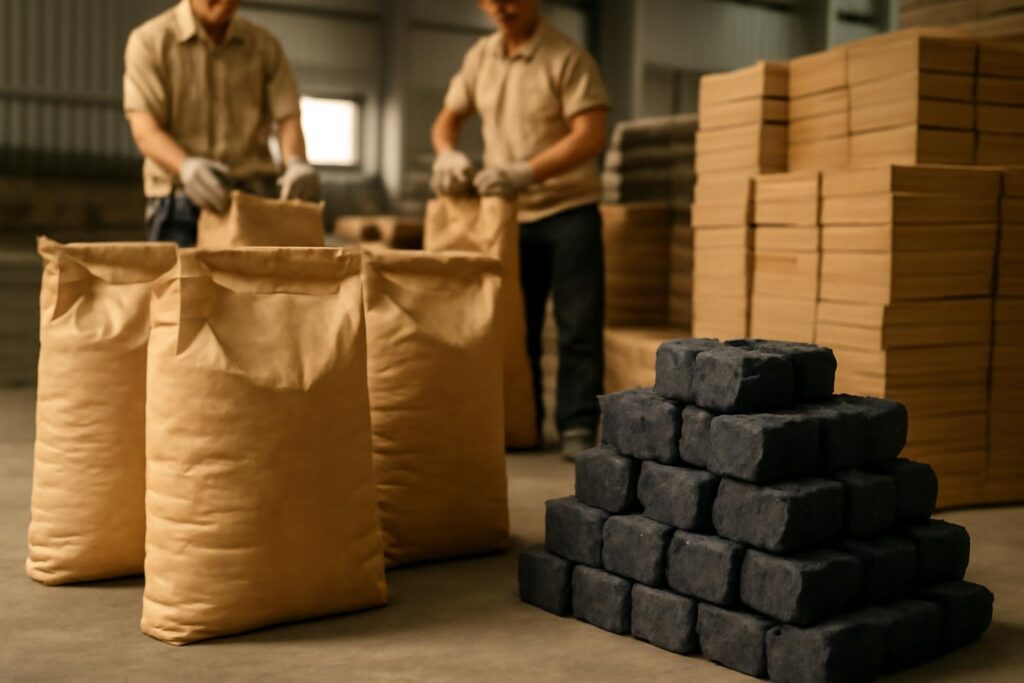
Vietnam Mangrove Charcoal private label enables distributors, retailers, and hospitality suppliers to sell consistent, high-heat charcoal under their own brand while sourcing from an experienced producer. The right program combines verified raw material sourcing, clear specifications, durable packaging, and batch-level quality control. If you need a dependable route from factory to shelf, this guide explains how to select products, set practical requirements, protect your brand, and prepare an efficient launch.
What Vietnam Mangrove Charcoal Private Label Means
Private labeling means a manufacturer produces charcoal to an agreed specification while your business owns the market-facing brand, packaging artwork, product positioning, and sales channel. Rather than developing a production operation from scratch, you can focus investment on distribution, customer relationships, and repeat orders.
Why mangrove charcoal fits premium positioning
Mangrove charcoal briquettes are valued by many grilling and foodservice buyers for stable heat, long burn time, and a compact form that is easy to pack and display. Product performance still varies by production method, carbonization quality, shape, and moisture level, so brand claims should always be supported by agreed testing and real-use evaluation.
For a broader view of sourcing factors, product applications, and buyer considerations, review this Vietnam mangrove charcoal buying guide. It helps place private-label decisions within the wider requirements of retail, restaurant, barbecue, and export markets.
Who benefits from a private-label model
A charcoal OEM Vietnam arrangement can suit importers, supermarket suppliers, e-commerce sellers, restaurant supply companies, and barbecue brands. It is especially useful when buyers need a distinctive pack size, market-specific labeling, or a branded product line without carrying the cost and operational risk of owning a charcoal factory.
Before approaching suppliers, define the sales channel and end user. A compact consumer bag needs a different presentation from a bulk foodservice sack, while a premium grilling line may require more detailed product information, stronger inner protection, and a consistent visual identity across multiple sizes.
Choose the Right Product and Specifications
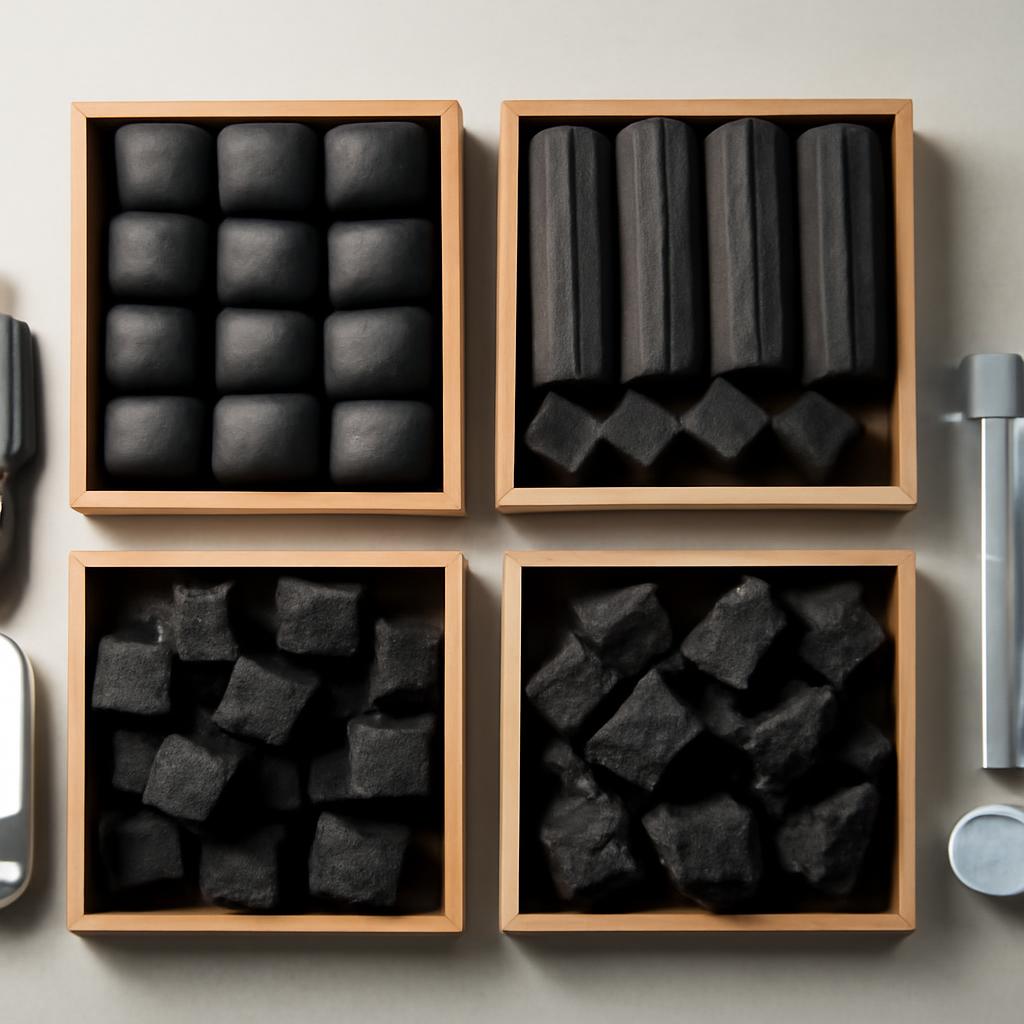
A successful launch starts with a written product brief, not a generic request for charcoal. State the product form, intended use, target market, order volume, preferred packaging, and acceptable quality range. This makes quotations comparable and prevents assumptions from becoming expensive disputes after production begins.
Select shape, size, and performance targets
Common choices include pillow briquettes, hexagonal briquettes, cubes, and natural lump charcoal. The best option depends on ignition expectations, cooking duration, airflow, presentation, and customer preference. For instance, Vietnam charcoal briquettes for retail grilling may prioritize uniform pieces and easy handling, while professional kitchens may place more value on heat stability and reliable replenishment.
Ask suppliers to document the measurable characteristics that matter to your customers. Typical specifications include moisture, ash content, fixed carbon, volatile matter, particle-size range, burn duration, odor during lighting, breakage tolerance, and net weight. Agree on the test method and sampling process as well as the target number.
Evaluate samples under real conditions
Never approve a product based on photos alone. Request samples from representative production, then test them using the same grill, airflow, lighting method, and cooking scenario your customers are likely to use. Record ignition time, heat consistency, smoke behavior, ash residue, fracture rate, and burn time.
Use the test results to choose a commercially realistic specification. Demanding an exceptionally low ash level or an unusually narrow size range may raise cost, reduce yield, or create supply delays. A balanced brief protects quality while keeping your private-label charcoal competitive in its intended market.
Match the product to the buyer segment
Premium specialty stores often respond to refined packaging, dependable piece uniformity, and transparent quality information. Foodservice buyers may prefer larger bags, efficient storage, and predictable performance across frequent orders. Positioning should reflect verified strengths rather than broad claims that cannot be consistently maintained.
When comparing options, use an informed baseline from this mangrove charcoal quality overview. It can help purchasing teams distinguish meaningful specifications from marketing language when evaluating sample results and supplier proposals.
Build a Reliable Private Label Supply Program

Private labeling is a supply partnership, not simply a packaging transaction. Your supplier should be able to explain how raw material is selected, how batches are produced, how quality is checked, and how finished goods are protected before loading. Clear documentation gives both sides a repeatable framework for growth.
Screen suppliers beyond the quotation
Price matters, but it should not be the only selection criterion. Evaluate factory capacity, export experience, responsiveness, lead-time reliability, sample consistency, quality-control procedures, and willingness to work from a written specification. For an export charcoal supplier Vietnam, experience with destination-market documents and container loading is equally important.
Ask practical questions: Can the factory produce your preferred sizes reliably? What happens if a batch misses the agreed specification? How are moisture and weight checked before shipment? Can the supplier provide production photos, inspection records, and loading evidence? Straight answers reveal operational maturity.
Create a clear approval process
Establish a sequence for artwork approval, pre-production sample approval, production confirmation, pre-shipment inspection, and shipping document review. Keep approved artwork, color references, barcode details, carton marks, and technical specifications in one controlled file. This avoids version errors when orders are repeated months later.
For higher-volume programs, retain a reference sample or signed product standard for each approved item. That reference gives your team and the factory a common point of comparison if questions arise about shape, density, color, packaging, or performance.
Plan order quantities and replenishment carefully
Minimum order quantities depend on charcoal form, bag type, print requirements, and container utilization. Custom-printed packaging may require larger commitments than neutral bags with applied labels. A phased launch can reduce risk: validate the product with a manageable first order, review sales and feedback, then expand the assortment or volume.
Use realistic demand forecasts and maintain a reorder point that accounts for production, packing, port handling, and ocean transit. Consistent availability is one of the strongest advantages a branded charcoal line can offer, particularly during grilling season or peak hospitality demand.
Packaging, Compliance, and Quality Control
Packaging is both a sales tool and a protective barrier. It must communicate the product clearly while resisting punctures, dust leakage, compression, humidity, and handling throughout the supply chain. Strong custom charcoal packaging protects customer confidence before the bag is ever opened.
Design packaging for the real distribution journey
Choose bag materials and outer cartons based on product weight, retail handling, warehouse stacking, climate, and last-mile delivery conditions. Include the information required by your market, such as net weight, country of origin, safe-use directions, storage guidance, barcode, and traceability details where applicable.
Keep product claims specific and defensible. If you state burn time, low smoke, or a particular composition, ensure the claim reflects tested product and the conditions under which it was measured. Avoid unsupported environmental statements; responsible sourcing claims should be backed by records appropriate to the destination market.
Use inspection checkpoints that protect the brand
Quality assurance should cover incoming material, production checks, finished-product sampling, packaging review, and container loading. A useful inspection checklist can include net weight, moisture, ash, size distribution, dust level, bag seal integrity, print accuracy, carton condition, and container cleanliness.
Agree in advance on acceptable quality limits and corrective actions. Independent pre-shipment inspection may be appropriate for new suppliers, large orders, or highly regulated retail programs. The goal is not to create friction; it is to confirm that the goods match the approved standard before they leave the factory.
Prepare for safe handling and market requirements
Charcoal is a combustible product, so storage and transport plans should prioritize dry conditions, sound packaging, fire prevention, and compliance with applicable shipping rules. Requirements differ by destination, carrier, and product classification. Confirm documentation and handling expectations with your freight forwarder, customs adviser, and supplier before booking.
To strengthen your product strategy, connect technical choices with this guide to mangrove charcoal uses. Understanding how customers grill, cook, and manage heat helps you select the right format, package size, and performance standard for your label.
Frequently Asked Questions
Is private labeling available for small orders?
It can be, but minimum quantities depend on the charcoal type, bag material, printing method, and factory policy. Neutral packaging with labels may require a lower minimum than fully custom printed bags.
What information should a private-label charcoal brief include?
Include charcoal form, target market, pack size, bag design, quality specifications, order quantity, destination port, testing requirements, and required documents. A detailed brief leads to more accurate pricing and fewer revisions.
How can a buyer verify charcoal quality?
Approve representative samples, define measurable specifications, request batch records, and use pre-shipment inspection when appropriate. Test samples in the intended cooking environment before approving full production.
How long does private-label production take?
Timing varies with stock availability, customization level, packaging lead time, order size, and shipping schedules. Confirm a written production and dispatch timeline before placing the order.
Can packaging be customized for retail and foodservice?
Yes. Retail bags, bulk sacks, cartons, labels, barcode placement, and pallet configuration can be tailored to the channel, provided the artwork and technical requirements are approved before production.
