
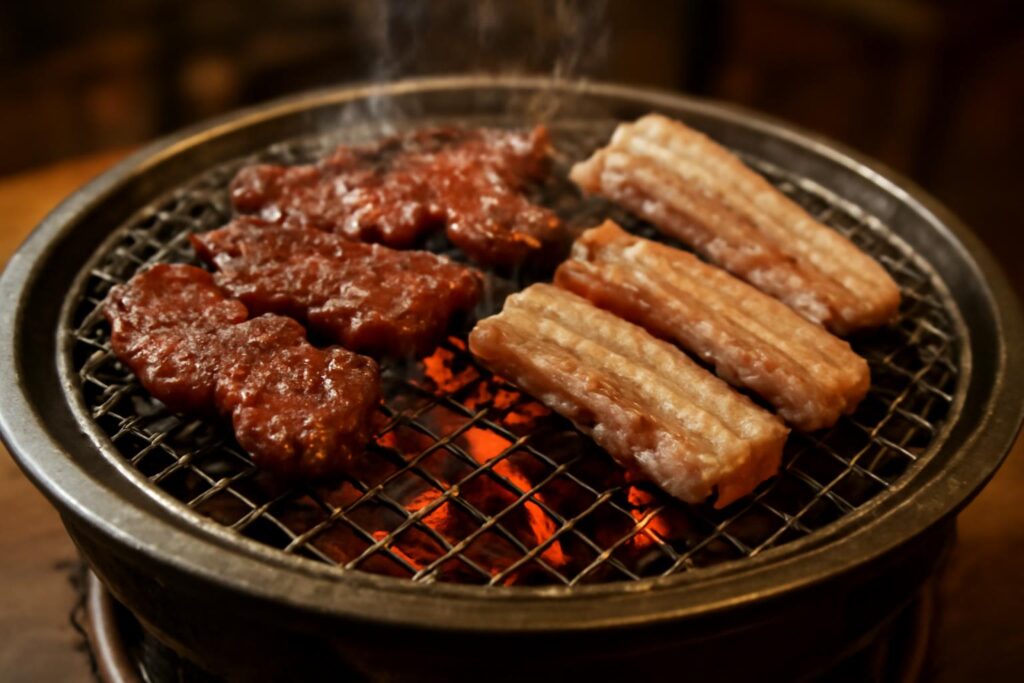
Vietnam Mangrove Charcoal for Korean barbecue is an excellent choice when you need steady high heat, long burn time, and a clean grilling profile for premium meat. Its dense structure helps maintain even heat across the grate, making it especially suitable for short, intense Korean barbecue cooking. If you want fewer refuels, reliable searing, and controlled smoke, this guide explains how to choose quality charcoal, light it correctly, manage the fire, and store it safely.
Why Vietnam Mangrove Charcoal Fits Korean Barbecue
Korean barbecue depends on direct, responsive heat. Thin slices of beef, pork belly, chicken, and marinated cuts cook quickly, so the fuel must stay stable instead of fading after the first round of grilling. Mangrove hardwood charcoal is valued for its density, which supports a longer, more consistent burn than many lightweight charcoal options.
High Heat for Fast Searing
A well-made batch of Vietnamese mangrove charcoal develops a strong ember bed that supports rapid browning and caramelization. This is useful for bulgogi, galbi, and unmarinated beef cuts, where a hot grate creates a savory crust before the interior overcooks. For broader specifications, grades, and applications, consult this Vietnam mangrove charcoal buying guide.
Long Burn Time for Tabletop Service
In a restaurant or extended home meal, charcoal must perform through multiple rounds of grilling. Long burning charcoal reduces interruptions because the ember bed remains usable longer. Rather than adding fuel constantly, the grill operator can focus on temperature control, grate cleaning, and serving food at the right moment.
Clean Heat and Balanced Smoke
Properly carbonized, dry charcoal produces a cleaner fire with less visible smoke than damp or partially carbonized fuel. This matters in indoor or semi-indoor Korean barbecue settings, where ventilation and guest comfort are major concerns. Meat drippings will still create flare-ups and aroma, but quality charcoal should not add harsh, chemical-like odors.
For Korean barbecue, choose medium-to-large pieces whenever possible. Uniform pieces create more predictable airflow and make it easier to build an even heat zone beneath the grill grate.
How to Select Quality Mangrove Charcoal
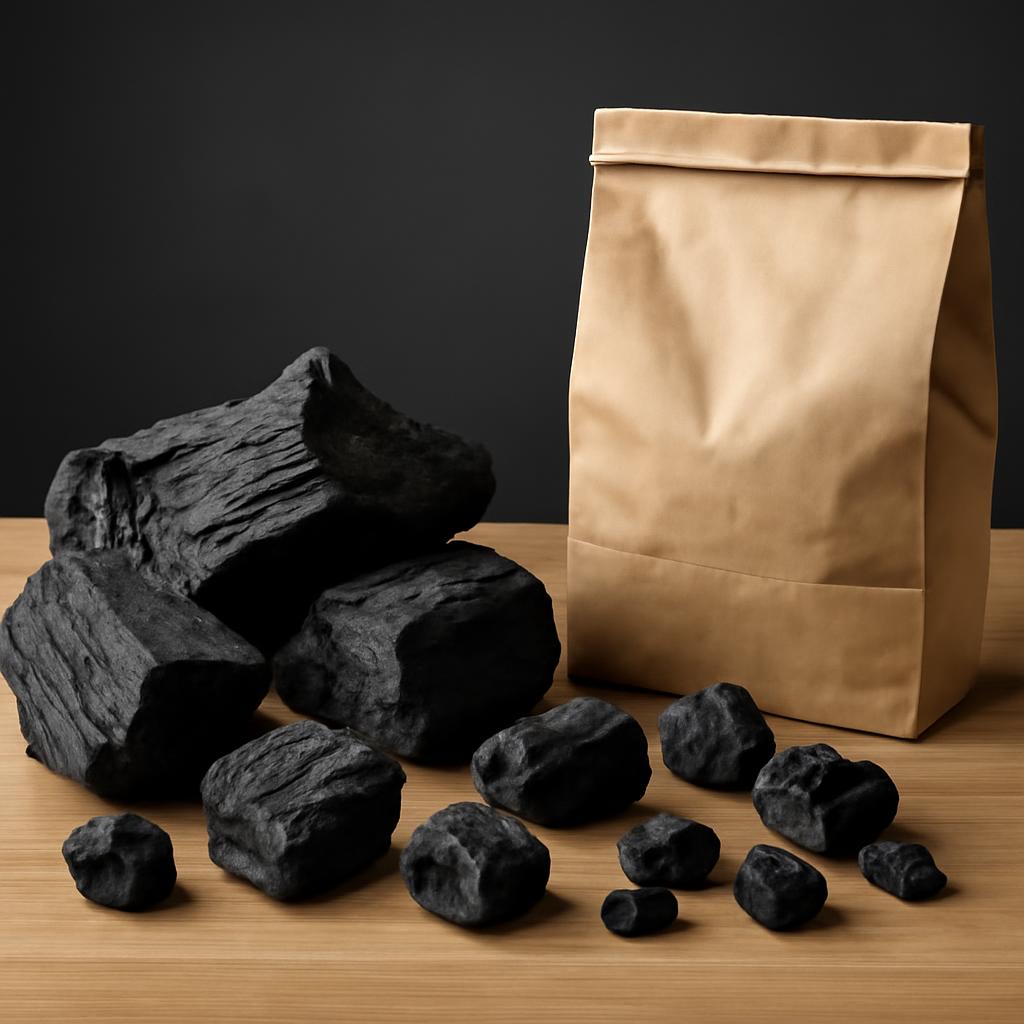
Not every charcoal bag delivers the same result. The best Vietnam mangrove charcoal for Korean barbecue is dry, dense, thoroughly carbonized, and packed with a practical range of usable lump sizes. Quality begins with the raw wood and continues through controlled carbonization, sorting, and protective packaging.
Check Density, Sound, and Carbonization
Pick up a few pieces if inspection is possible. Good lumps generally feel dense for their size and make a crisp, solid sound when tapped together. Their surface should look deeply carbonized rather than brown, soft, or fibrous. Under-carbonized pieces can smoke excessively, while overly fragile pieces may turn into wasteful fines during transport.
Look for Low Ash and Low Moisture
Low ash charcoal helps preserve airflow in compact tabletop grills. Excess ash can restrict oxygen beneath the coals, lowering heat output and forcing unnecessary refueling. Low moisture is equally important: wet charcoal is difficult to ignite, smokes more, and burns inconsistently.
Choose the Right Lump Size
For most Korean barbecue grills, a mixed but mostly medium-to-large lump charcoal for grilling size works best. Large lumps create lasting heat, while medium pieces fill gaps and help establish an even ember layer. Avoid bags dominated by dust, chips, or tiny fragments, as they burn too quickly and can block air vents.
- Color: Deep black, fully carbonized surfaces are preferred.
- Texture: Dry, hard lumps with minimal loose dust are ideal.
- Odor: Charcoal should smell natural and woody, never chemical.
- Packaging: Sealed, moisture-resistant bags protect performance during storage and shipping.
Understanding how species, carbonization, grading, and packaging affect output makes purchasing more reliable. Review the quality factors of mangrove charcoal before comparing suppliers or ordering in bulk.
How to Grill Korean Barbecue with Mangrove Charcoal
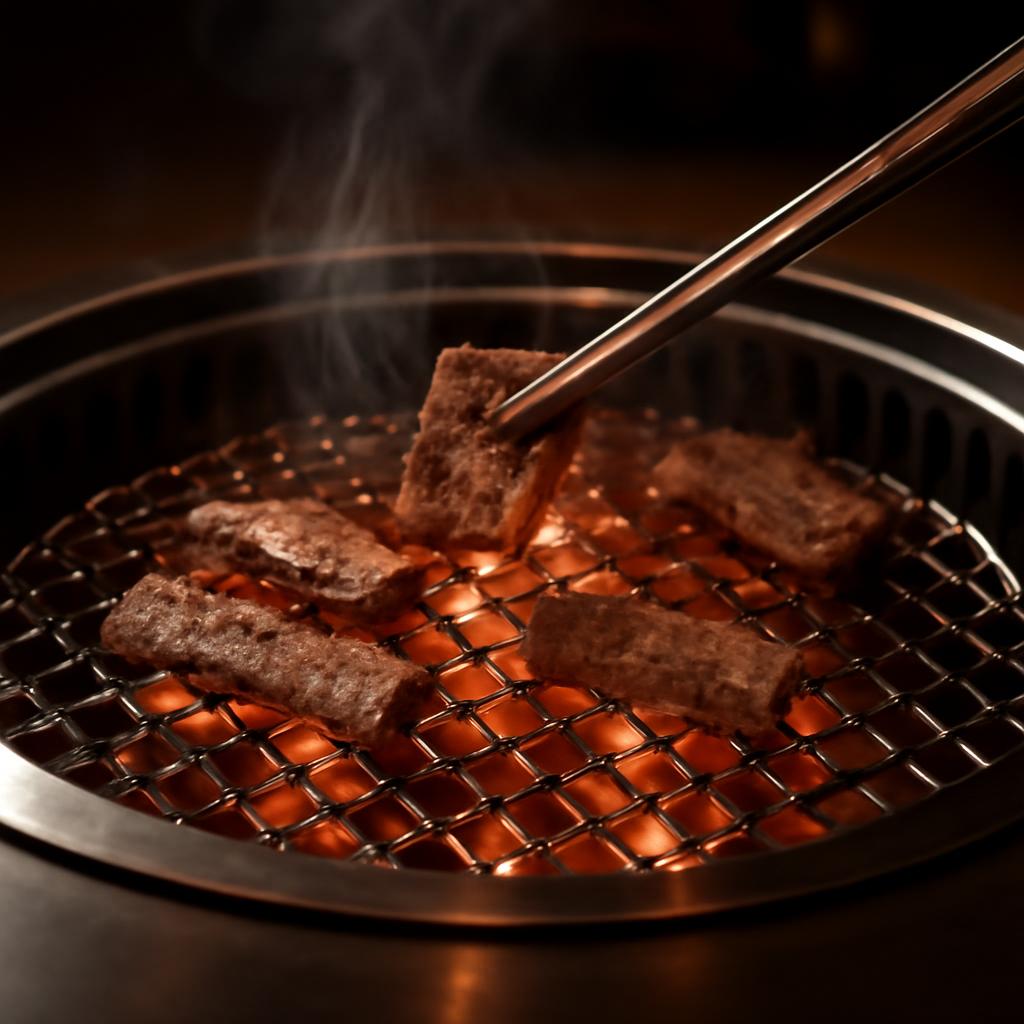
Successful charcoal Korean barbecue comes from managing embers, not chasing tall flames. Start with a fully lit charcoal bed, allow the initial smoke to settle, and place food over glowing coals. This approach gives you the intense heat required for searing while reducing soot and uncontrolled flare-ups.
Light the Charcoal Safely
Use a chimney starter, an electric charcoal starter, or natural firelighters in a well-ventilated area. Do not use gasoline, kerosene, or other volatile liquids. Wait until the charcoal is glowing and lightly coated with pale ash before transferring it to the grill. This usually produces a cleaner, more stable cooking fire.
Build an Even Ember Bed
Spread the glowing charcoal evenly for general grilling, then create a slightly deeper area on one side if your grill design allows it. The hotter side is ideal for quick searing, while the less intense area gives you a place to finish thicker pieces or move food away from flare-ups. Keep the coal basket or firebox clear enough for air to circulate.
Control Drippings and Flare-Ups
Fatty cuts such as pork belly can ignite when drippings hit hot coals. Turn food frequently, trim excessive fat when appropriate, and move pieces to a cooler zone if flames rise. Avoid pouring water directly onto the charcoal, because ash can scatter and steam can carry grease. Instead, reduce airflow briefly and reposition the meat.
For a deeper understanding of fuel selection across grill styles and cooking methods, explore this guide to Vietnamese charcoal uses. It helps match charcoal size and heat behavior to compact tabletop grills, restaurant units, and outdoor barbecue setups.
Storage, Safety, and Sustainable Sourcing
Even premium charcoal can lose performance when stored carelessly. Keep bags elevated from damp floors, protected from rain, and sealed after opening. Dry charcoal lights faster, produces cleaner heat, and gives more dependable cooking results during busy barbecue service.
Store Charcoal in a Dry, Ventilated Place
Use a lidded container or keep the original bag tightly closed inside a dry storage area. Avoid locations exposed to ground moisture or condensation. If charcoal feels damp, do not attempt to compensate with lighter fluid; allow it to dry naturally in a safe, sheltered space before use.
Handle Ash and Coals Responsibly
Charcoal can remain hot for many hours after cooking. Close grill vents where applicable and let the coals cool completely before removing ash. Place cold ash in a non-combustible container, and never dispose of it near dry leaves, paper, cardboard, or other flammable materials.
Ask About Traceability and Legal Supply
Sustainable sourcing matters, particularly with mangrove-related materials. Responsible buyers should ask suppliers about legal origin, documented production, moisture control, and quality inspection procedures. Clear product information supports consistent cooking performance while helping procurement teams make more accountable purchasing decisions.
When buying for restaurants, distributors, or frequent home use, request a sample before placing a large order. Test ignition time, smoke level, heat stability, ash volume, and breakage rate under real Korean barbecue conditions. A practical test is the most reliable way to confirm that the charcoal matches your grill and menu.
Frequently Asked Questions
Is Vietnam mangrove charcoal good for Korean barbecue? Yes. Its dense hardwood structure can provide high, stable heat and a long burn time, making it well suited to fast-grilling Korean barbecue cuts.
Does mangrove charcoal create a strong smoky flavor? Properly carbonized mangrove charcoal generally provides clean heat with a mild natural grilling aroma. Most smoke during cooking comes from meat fat and marinades contacting the coals.
What charcoal size is best for a Korean barbecue grill? Medium-to-large lumps are usually best because they maintain airflow and burn longer. A small amount of medium charcoal can help fill gaps for a more even ember bed.
How much charcoal is needed for a Korean barbecue session? The amount depends on grill size, ventilation, meal duration, and number of diners. Start with a single even layer of fully lit charcoal and add small amounts only when heat begins to decline.
Can mangrove charcoal be used indoors? Use charcoal only in purpose-built grills with effective ventilation and follow local fire-safety rules. Never burn charcoal in enclosed spaces, as it produces carbon monoxide.
