
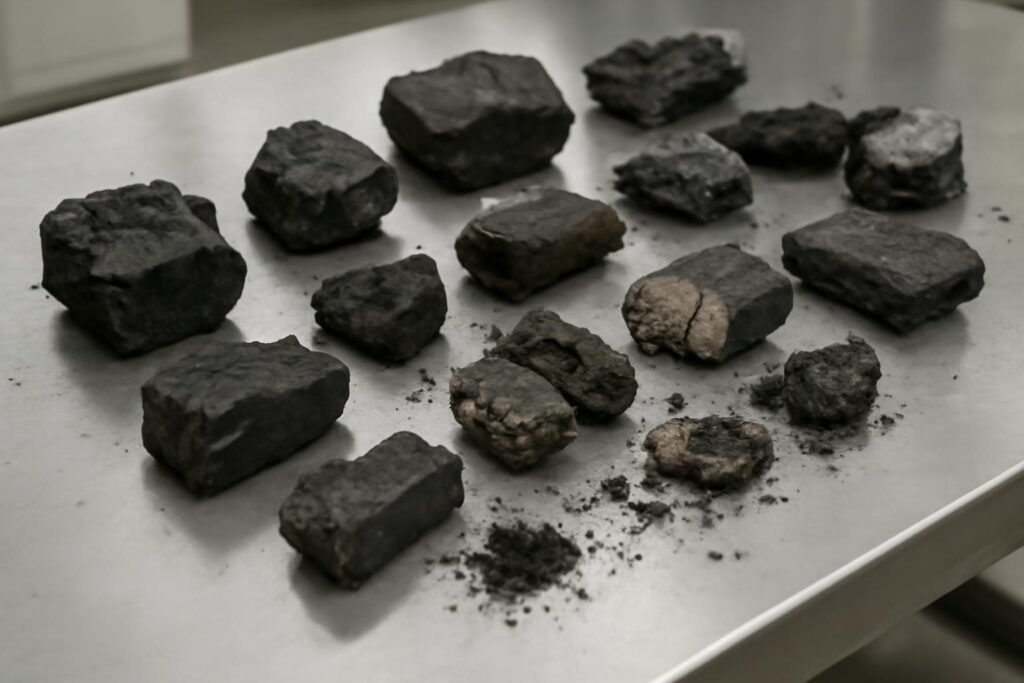
Vietnam Mangrove Charcoal defects usually include excessive moisture, cracks, under-carbonized pieces, high ash, dust, and inconsistent sizing; these issues reduce heat output, burn stability, and resale value. If you source charcoal for grilling, shisha, or wholesale distribution, inspecting the product against clear specifications before loading is the fastest way to avoid costly claims. This guide explains how to identify major defects, test quality at the factory, understand root causes, and build a practical acceptance standard for reliable shipments; importers can also verify a Vietnamese Binchotan manufacturer before ordering.
What Counts as a Vietnam Mangrove Charcoal Defect
Not every visual variation is a serious problem, but a defect becomes commercially important when it changes combustion performance, handling safety, packing yield, or the agreed product specification. Buyers should distinguish harmless surface marks from defects that create smoke, short burn time, unstable heat, or excessive waste.
Physical defects that reduce usable yield
Broken pieces, fine charcoal dust, and uneven dimensions are among the most common mangrove charcoal quality issues. A small percentage of breakage is normal after handling, yet too many fines lower the usable weight in each bag and make ignition less consistent. For lump charcoal, buyers should define the accepted size range and the maximum percentage of pieces below that range.
Deep cracks can also be a warning sign. Some surface checking occurs naturally during carbonization, but widespread cracking often indicates fast heating, rough handling, or weak charcoal structure. Fragile pieces can turn into powder during container transport, especially when bags are loosely packed or stacked without protection.
Carbonization and combustion defects
Under-carbonized charcoal is a critical defect because residual volatile material can cause visible smoke, sharp odor, sparking, and uneven burning. It may look dark on the outside while showing brown or woody material inside when split. Properly carbonized mangrove charcoal should have a dense black core, a dry sound when tapped, and stable combustion after lighting.
Over-carbonization creates a different problem. Charcoal exposed to excessive heat or time in the kiln can become overly brittle, reducing its transport strength. The best outcome is a balanced carbonization process that preserves density while minimizing smoke-producing volatiles. For broader product expectations, review this Vietnam mangrove charcoal quality guide.
Contamination and appearance problems
Foreign matter such as stones, soil, metal fragments, plastic, unburned wood, or wet packaging is unacceptable in commercial supply. These defects may damage equipment, create safety concerns, or signal poor production controls. Mold, a musty odor, and soft pieces usually point to moisture exposure during storage or shipment.
Color alone is not a complete quality test. A uniform black appearance is desirable, but buyers should prioritize internal carbonization, moisture, ash level, density, and burn behavior. A clean-looking bag can still contain a high level of fines or poorly carbonized pieces.
How to Inspect Charcoal Before Shipment
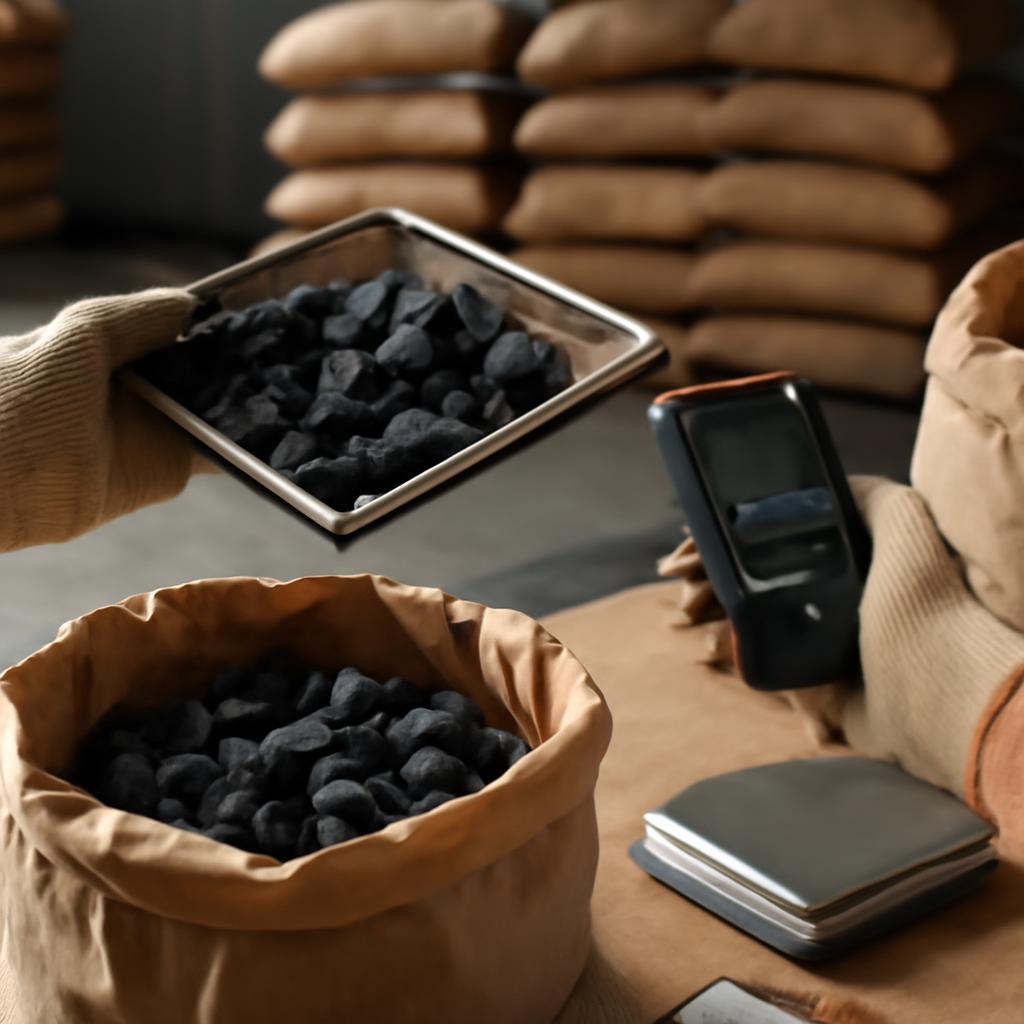
A structured charcoal quality inspection should happen before final loading, not after the container reaches its destination. Use random sampling across production lots, bag positions, and pallet layers so the result reflects the actual shipment rather than a hand-picked sample.
Start with packaging and moisture checks
Inspect bags for tears, weak seams, open mouths, and signs of water exposure. Packaging must protect charcoal from humidity while surviving manual handling and container movement. Check that net weight, bag type, and packing configuration match the purchase order, and confirm that the container is clean, dry, and free from strong odors.
Charcoal moisture content is a priority because wet charcoal is harder to light, may smoke more, and adds non-usable weight. A moisture meter can provide a quick indication, while a controlled oven-dry test is more accurate. Set a maximum moisture limit in the contract and test multiple samples rather than relying on one bag.
Check size, fines, and structural strength
Measure representative pieces with a sizing screen or simple gauge. Record the percentage within the agreed range, the oversize fraction, and the undersize or dust fraction. For premium retail packs, low fines are especially important because consumers expect clean handling and consistent airflow between pieces.
A practical strength check involves dropping several representative pieces from a consistent low height onto a hard, clean surface and observing fragmentation. This is not a substitute for laboratory testing, but it helps identify fragile charcoal that may arrive as dust. Compare the result across lots to spot inconsistent kiln output.
Run a controlled burn test
Light a measured sample under the same conditions each time and record ignition time, smoke level, odor, sparks, heat stability, burn duration, and remaining ash. Strong mangrove charcoal should ignite predictably, burn with steady heat, and avoid persistent smoke after it is fully lit. The test should be repeated on samples from more than one lot.
Do not judge a shipment on burn time alone. Dense pieces may burn longer, but a practical product also needs acceptable ignition, low odor, manageable ash, and enough structural integrity for packing. A documented checklist turns subjective opinions into a repeatable approval process.
Common Causes of Quality Failures
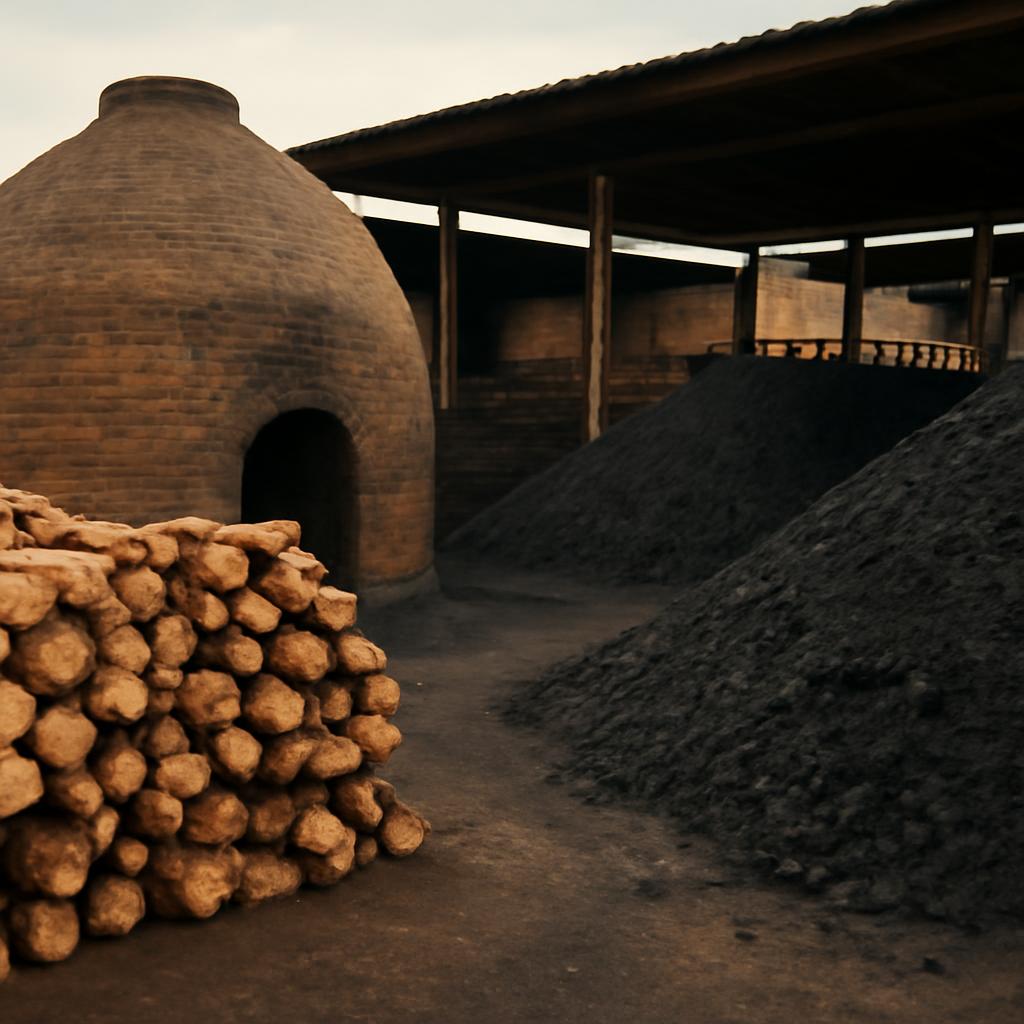
Most Vietnam Mangrove Charcoal defects originate in one of four stages: raw material selection, kiln operation, cooling, or post-production handling. Identifying the stage helps buyers request the right corrective action instead of simply rejecting a batch without addressing the cause.
Raw material inconsistency
Mixed wood sizes, variable wood age, and poorly dried feedstock can produce uneven carbonization. Thick sections need different heat penetration than thin branches, so combining them without process control may leave some pieces under-carbonized while others become brittle. Responsible sourcing should also include legal and traceable supply practices.
Raw material quality affects density and final shape. Dense mangrove wood can produce high-performing charcoal, but the finished product still depends on sorting, kiln management, and storage discipline. Species labels should never replace actual inspection and testing.
Poor kiln control and cooling practices
Rapid temperature changes, insufficient carbonization time, and uncontrolled oxygen exposure can create smoky interiors, cracks, or partially burned wood. A stable kiln process uses appropriate loading, controlled airflow, and enough time for the carbonization cycle to complete evenly.
Opening a kiln too early is another common source of defects. Hot charcoal exposed to oxygen can reignite, form excess ash, or weaken structurally. Cooling should occur in a controlled environment before sorting and bagging, with adequate time allowed to prevent hidden hot spots.
Storage and logistics damage
Even well-made charcoal can fail after production if it is stored on damp floors, exposed to rain, or packed before fully cooling. Moisture uptake leads to mold risk, lower ignition performance, and possible bag damage. Warehouses should be dry, ventilated, and protected from direct weather exposure.
Container stuffing also matters. Over-compression, inadequate palletization, and poor load distribution can increase breakage. Buyers seeking dependable performance across use cases should align defect limits with the intended market, as explained in this mangrove charcoal uses and buying guide.
Specifications and Prevention for Buyers
The strongest protection against quality disputes is a written specification that defines measurable acceptance criteria. Terms such as “premium” or “high quality” are too vague on their own; the purchase order should state exactly what will be inspected and what happens when a lot falls outside tolerance.
Build a clear product specification
Include charcoal type, size range, maximum fines, maximum moisture, ash limit, acceptable breakage, prohibited contaminants, packaging details, net weight tolerance, and inspection method. If burn duration or smoke level is important for the target market, define the test conditions so supplier and buyer evaluate performance in the same way.
- Specify the intended application: barbecue, restaurant grilling, retail, or industrial use.
- Set measurable limits for moisture, dust, ash, and undersized pieces.
- Require random pre-shipment samples and retain reference samples.
- Define photo, video, and test-report requirements before loading.
- State the remedy for non-conforming goods, including re-sorting or replacement.
Use third-party inspection and lot control
For larger orders, arrange an independent pre-shipment inspection. The inspector should sample multiple bags from different areas, verify packing counts, review container condition, and document key findings with dated evidence. This process is particularly valuable when the shipment will travel long distances or serve a quality-sensitive retail market.
Lot numbering improves traceability. When each production batch is labeled and recorded, a defect can be traced back to a kiln cycle, sorting team, or packaging date. This makes corrective action faster and helps prevent repeated charcoal ash content or moisture failures in future orders.
Choose suppliers based on process, not promises
Reliable suppliers can explain their raw material controls, carbonization method, cooling time, sorting process, warehouse conditions, and quality checks. They should be willing to share realistic tolerances and address defects before loading. A supplier that guarantees perfection without an inspection system may create more risk, not less.
Before confirming a long-term order, request a representative sample, test it under your normal conditions, and compare it with the approved specification. For a full framework covering selection, quality signals, and applications, use this Vietnam mangrove charcoal buying guide as a companion resource.
Frequently Asked Questions
Are cracks always a defect?
Are cracks always a defect? No. Light surface cracks can be normal, but deep, widespread cracks combined with easy breakage usually indicate weak structure or poor process control.
What is the most serious defect?
What is the most serious defect? Under-carbonization is often the most serious because it can cause smoke, odor, unstable burning, and customer complaints. Contamination and excessive moisture are also major rejection risks.
How can moisture be checked?
How can moisture be checked? Use a moisture meter for quick screening and an oven-dry method for a more reliable measurement. Test random samples from several bags and locations.
Can high ash be prevented?
Can high ash be prevented? Ash is influenced by raw material and carbonization control. Request a defined ash limit, avoid contaminated feedstock, and verify performance through batch testing.
Should buyers inspect every shipment?
Should buyers inspect every shipment? Yes, especially for new suppliers, large orders, or strict end-use requirements. Routine sampling and documented pre-shipment checks reduce the chance of expensive claims.
