
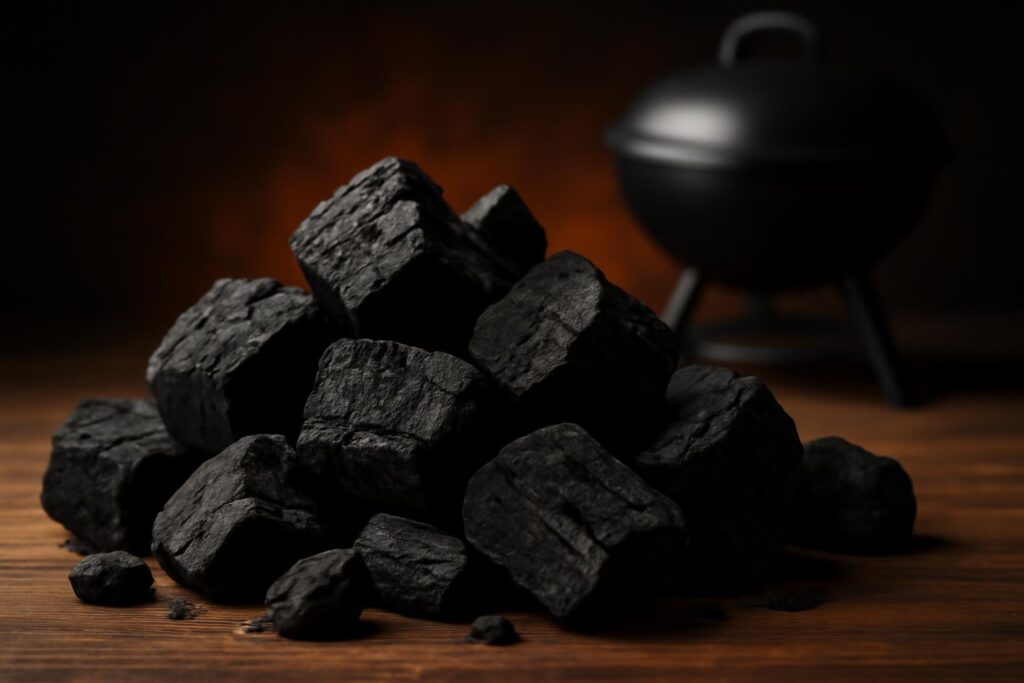
Vietnam Mangrove Charcoal calorific value typically ranges from about 7,000 to 7,500 kcal/kg for well-carbonized, dry lump charcoal, although actual results vary by moisture, ash, and grading. Buyers who need dependable heat should evaluate calorific value alongside fixed carbon, volatile matter, and moisture rather than relying on one figure alone. This guide explains what the numbers mean, what affects cooking performance, how to compare supplier specifications, and which applications benefit most from dense mangrove charcoal.
Understanding Vietnam Mangrove Charcoal Calorific Value
Calorific value is the amount of heat released when charcoal burns completely. It is commonly reported in kcal/kg, MJ/kg, or BTU/lb. For commercial purchasing, the number provides a practical starting point for estimating fuel efficiency, cooking duration, and the amount of charcoal needed per service or production run.
Typical heat range for dry mangrove lump charcoal
Premium Vietnam mangrove charcoal is widely valued for its dense structure and strong heat output. A typical specification for dry, properly carbonized material falls around 7,000 to 7,500 kcal/kg, equivalent to roughly 29.3 to 31.4 MJ/kg. Material at the upper end of this range is generally well carbonized, low in moisture, and screened to reduce dust and undersized pieces.
However, calorific value must be read carefully. A quoted figure may be based on dry-basis laboratory testing, while the delivered product may contain moisture absorbed during storage or shipping. Always ask whether the reported value is dry basis, as-received basis, gross calorific value, or net calorific value.
Why calorific value matters in real cooking
High heat output helps grills reach searing temperature quickly and supports stable heat over longer cooking periods. For restaurants, exporters, and distributors, this can mean fewer refills, more consistent grill management, and lower fuel consumption per batch. Learn how heat performance fits into the broader Vietnam mangrove charcoal quality guide before selecting a grade.
Heat value alone does not guarantee a better user experience. A charcoal with strong energy content but excessive sparks, smoke, or breakage may not suit premium foodservice use. The best products combine high energy density with clean ignition, controlled burn behavior, and durable lump size.
What Determines Heat Output and Burn Performance
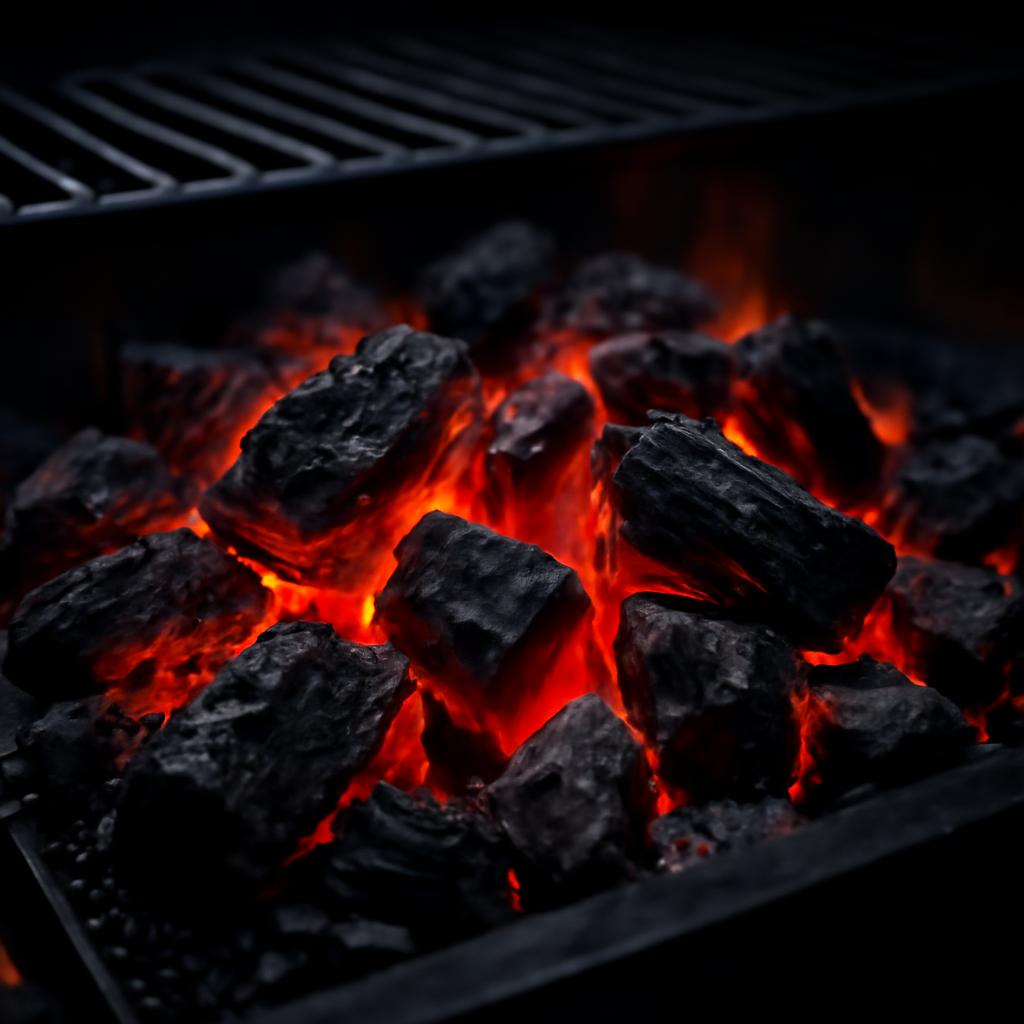
The Vietnam Mangrove Charcoal calorific value is influenced by raw material density, carbonization quality, moisture content, ash content, and handling after production. These factors interact, so a realistic evaluation should review the entire technical specification sheet.
Fixed carbon and carbonization quality
Fixed carbon content is one of the strongest indicators of a charcoal’s potential heat and burn duration. Proper carbonization removes much of the volatile material while preserving a carbon-rich structure. Higher fixed carbon commonly supports hotter, steadier combustion and less visible smoke once the charcoal is fully lit.
Incomplete carbonization can leave excess volatile matter, causing more smoke, odor, and uneven flames during ignition. Over-carbonization, meanwhile, can make charcoal brittle and increase breakage during packing and transport. The ideal process balances high carbon content with strong, usable lumps.
Moisture and ash content
Moisture content reduces usable heat because energy is consumed evaporating water before the fuel can burn efficiently. Even excellent charcoal can underperform if it is stored in humid conditions or packed without adequate moisture protection. For premium applications, low moisture is essential for reliable ignition and stable grilling heat.
Low ash charcoal also performs better in practical use. Ash does not produce heat, and excessive ash can restrict airflow through a grill or brazier. A low ash content supports cleaner operation, easier maintenance, and more efficient combustion, especially in long commercial cooking sessions.
Density, lump size, and airflow
Mangrove hardwood typically produces dense charcoal that burns longer than lighter, porous alternatives. Yet lump size matters: very large pieces can take longer to ignite, while small pieces burn quickly and may limit airflow when packed tightly. A well-graded product usually offers a balanced distribution for the intended stove, grill, or industrial unit.
For a wider view of material selection, end uses, and grading standards, review mangrove charcoal uses and buying considerations. Matching the grade to the equipment is often as important as choosing the highest available calorific value.
How to Verify Calorific Value Before Buying
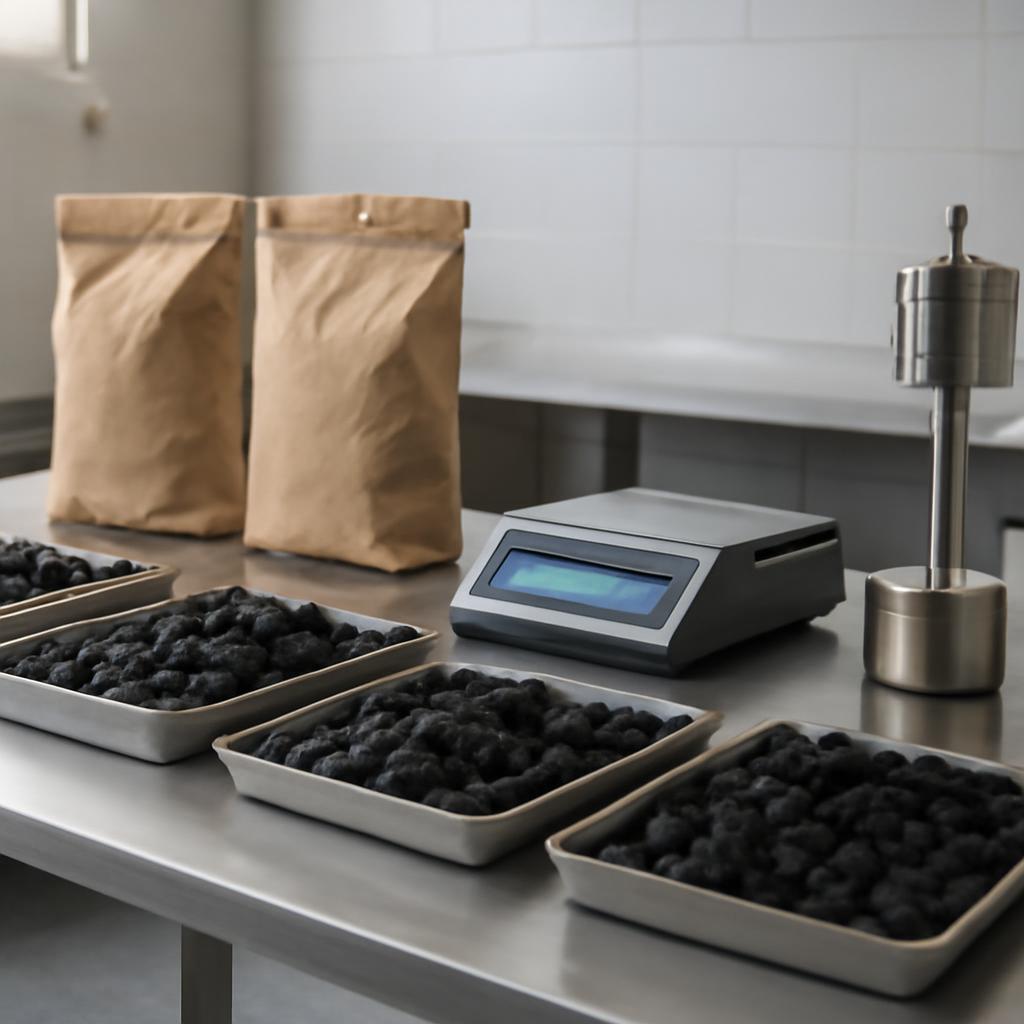
Serious buyers should treat calorific value as a verifiable specification, not simply a marketing claim. Request a recent certificate of analysis, clarify the testing basis, and inspect a representative sample before placing a large order.
Request a complete technical specification
A reliable specification sheet should list calorific value, fixed carbon, volatile matter, ash content, moisture content, size range, and origin. It should also identify the test method or laboratory basis where possible. This gives buyers enough information to compare competing offers on a like-for-like basis.
- Calorific value: Confirm the unit and whether the result is dry basis or as received.
- Fixed carbon: Higher values generally support longer, more stable burning.
- Moisture: Lower levels help protect usable heat output.
- Ash: Lower ash supports cleaner combustion and less residue.
- Size and fines: Consistent pieces improve airflow and predictable burn behavior.
Evaluate samples under real operating conditions
Laboratory figures are useful, but an application test is equally important. Ignite the sample in the same grill, oven, or furnace used in daily operations. Observe ignition time, smoke at startup, peak heat, burn duration, ash volume, spark behavior, and the amount of usable charcoal remaining after the test.
Compare samples by weight, not only by bag volume. Dense charcoal may look similar in volume yet provide considerably more usable energy per kilogram. A structured test across several batches can reveal whether the supplier delivers consistent quality over time.
Protect quality during shipping and storage
Even high-quality charcoal can lose commercial value through poor handling. Damaged bags create fines, exposure to moisture lowers performance, and weak palletization increases breakage. Require suitable packaging, dry container conditions, and a clear tolerance for dust and damaged material in the purchase agreement.
When comparing supply options, use the complete Vietnam mangrove charcoal buying guide to assess specifications, packaging, intended use, and quality controls together. This approach reduces the risk of paying for a high stated heat value but receiving inconsistent fuel.
Best Uses for High-Calorific Mangrove Charcoal
High-calorific Vietnam mangrove charcoal is especially suitable where sustained heat, low smoke after ignition, and long burn time matter. The right application depends on lump size, carbonization level, and the airflow characteristics of the equipment.
Restaurants, barbecue, and grilling
Foodservice operators value dense mangrove charcoal for reliable high heat and the ability to maintain a cooking zone without frequent refueling. It is well suited to grilling meat, seafood, vegetables, and skewers where a strong initial sear and controllable ember bed are important.
For premium grilling, choose a grade with uniform medium-to-large lumps, low moisture, and limited fines. This combination improves airflow, reduces sudden temperature swings, and helps staff maintain consistent service during busy periods.
Shisha and specialty charcoal markets
Some specialty markets require long-lasting, low-odor charcoal with controlled ash behavior. Although product form and processing requirements vary by market, the underlying energy performance remains important. Buyers should verify that the charcoal meets the relevant emissions, shape, and handling expectations for the final application.
Not every high-calorific lump charcoal is automatically suitable for every specialty use. Product safety, intended-contact requirements, ash characteristics, odor, and burning profile should all be assessed against the target market’s standards.
Operational tips for maximum usable heat
Store charcoal in a dry, covered area and keep bags off damp floors. Use adequate airflow during lighting, then regulate vents once a stable ember bed forms. Avoid overloading a grill with tightly packed small pieces, as restricted oxygen can reduce combustion efficiency and create more smoke.
For procurement teams, the best buying decision is based on delivered performance: usable heat per kilogram, burn duration, low ash, manageable smoke, and consistent grading. A strong calorific value is the foundation, but dependable results come from the full quality profile.
Frequently Asked Questions
What is the typical calorific value of Vietnam mangrove charcoal?
Vietnam mangrove charcoal commonly delivers around 7,000 to 7,500 kcal/kg when it is dry and properly carbonized. Actual results depend on moisture, ash, fixed carbon, and test conditions.
Is a higher calorific value always better?
Usually, a higher value indicates more heat potential per kilogram. However, buyers should also evaluate moisture, ash, smoke, lump strength, size consistency, and burn duration for real-world performance.
How does moisture affect charcoal heat output?
Moisture lowers usable heat because part of the combustion energy is used to evaporate water. Dry storage and moisture-resistant packaging help preserve performance.
What specification should restaurant buyers prioritize?
Restaurant buyers should prioritize strong calorific value, high fixed carbon, low moisture, low ash, uniform lump size, limited fines, and reliable burn consistency in their specific grill setup.
How can a buyer confirm a supplier’s calorific value claim?
Request a recent laboratory report, confirm the testing basis and units, inspect a representative sample, and conduct a practical burn test under normal operating conditions before scaling an order.
