
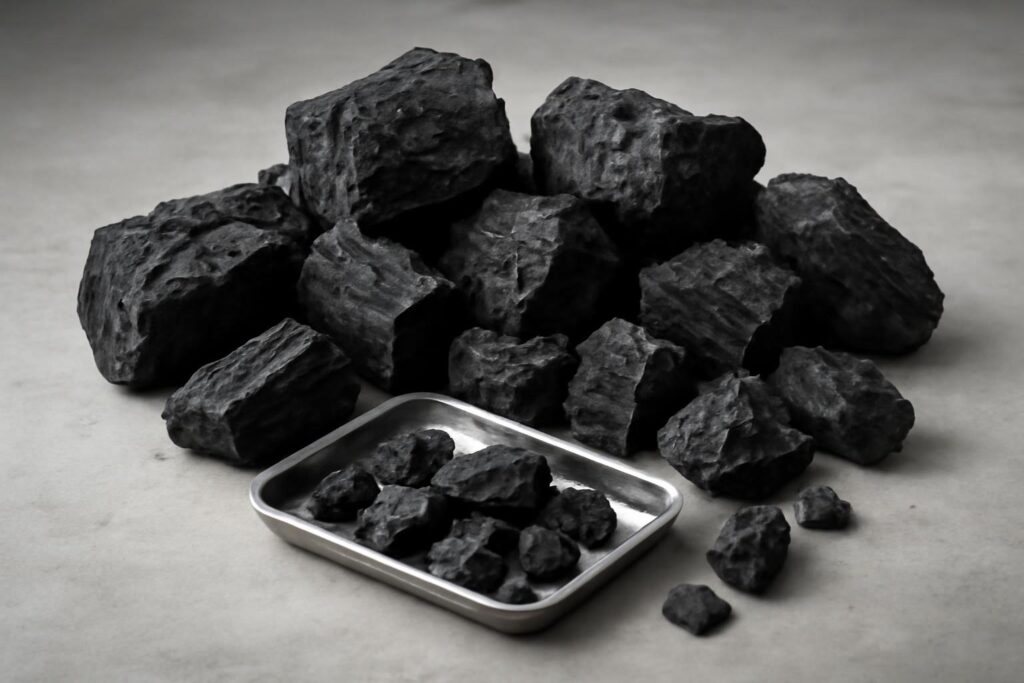
Vietnam Mangrove Charcoal quality standards are primarily judged by fixed carbon, ash, moisture, volatile matter, piece size, hardness, and the absence of contamination. Buyers who verify these specifications before loading can secure cleaner heat, longer burn time, and more consistent performance. This guide explains the practical benchmarks, inspection methods, grade selection, and supplier documents needed to buy with confidence.
Core Vietnam Mangrove Charcoal Quality Standards
Quality begins with measurable properties, not appearance alone. Premium Vietnam mangrove charcoal is usually dense, well-carbonized, low in moisture, and low in ash. These characteristics directly influence ignition behavior, heat output, burn duration, smoke levels, and residue after combustion.
Fixed Carbon and Volatile Matter
Fixed carbon indicates the solid combustible carbon remaining after moisture, volatile matter, and ash are accounted for. It is important, but it should not be treated as the only measure of shipment quality or published as one universal KAOLA value. The applicable target and reporting basis must be confirmed for the product, application, and order.
For calculation methods, reporting bases, sampling, and laboratory interpretation, read Vietnam Mangrove Charcoal Fixed Carbon Explained. This checklist focuses on how fixed carbon fits alongside ash, moisture, physical integrity, customized sizing, contamination controls, packaging, and inspection.
Ash Content and Moisture Content
Low ash charcoal is especially valuable for grilling, restaurant operations, and shisha-related applications because it leaves less residue and reduces cleanup. A commonly requested ash target is below 5%, although acceptable limits vary by market and intended use. High ash may signal soil contamination, bark, poor raw-material selection, or incomplete processing.
Charcoal moisture content should typically remain below 8%, with many buyers requesting 5% or less for dependable export performance. Excess moisture adds freight weight, slows ignition, lowers usable heat, and may encourage mold risks when packaging or storage conditions are poor.
Shape, Density, and Physical Integrity
Dense pieces with a metallic ring when tapped often indicate good carbonization and structural strength. Quality lump charcoal should have limited dust, minimal cracks, no visible foreign material, and a size distribution aligned with the contract. Common market screening examples may include 20–40 mm, 40–80 mm, and 80–150 mm, but these are not universal KAOLA specifications. The actual piece-size range, tolerance, and acceptable fines percentage are customized according to the buyer’s intended use, destination market, grill or furnace type, packaging format, and contract requirements. Final specifications are confirmed through sample approval and pre-shipment inspection.
Do not rely on a single visual sample. Ask for a representative sample drawn from multiple bags or areas of the stockpile, then compare its size, breakage rate, odor, and burn behavior with the approved reference sample.
How to Inspect, Test, and Verify a Shipment
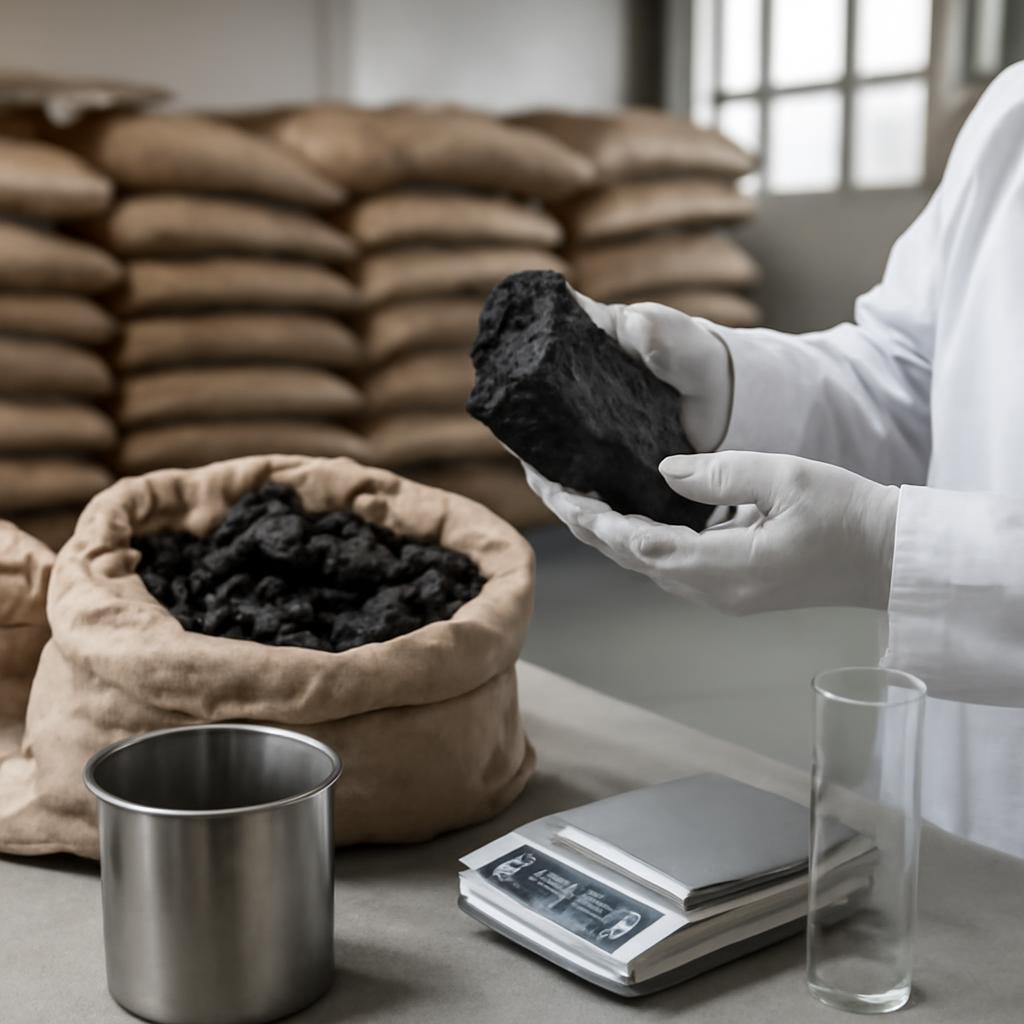
A robust inspection process combines document review, physical sampling, and independent testing. It protects buyers from inconsistent charcoal batches and turns broad claims such as “high quality” into verifiable acceptance criteria.
Write a Clear Product Specification
Start with a specification sheet that lists the minimum and maximum limits for each property. Include fixed carbon, ash, moisture, volatile matter, size range, fines percentage, prohibited contaminants, packaging type, net weight, and inspection timing. Define whether tolerances apply per bag, per container, or to the shipment average.
- Fixed carbon: minimum percentage and test basis
- Ash: maximum percentage
- Moisture: maximum percentage
- Size: agreed millimeter range and allowable oversize or undersize pieces
- Fines: maximum dust and fragments below the stated size
- Contamination: zero tolerance for plastic, stones, metal, treated wood, and chemical odor
Use Representative Sampling
Sampling only the top bags can hide breakage or moisture issues deeper in a container. A better method is to select bags from the front, center, and rear, then take portions from several points within each chosen bag. Combine and mix the portions for laboratory analysis while retaining sealed reference samples for both parties.
For container-scale orders, a pre-shipment inspection by an independent agency can verify carton counts, bag weights, labeling, visible condition, and random quality samples before the goods leave the factory. This is particularly useful when purchasing an export-grade charcoal supply for recurring commercial use.
Perform Simple Field Checks
Laboratory testing remains the best proof, but field checks quickly identify obvious defects. Look for a dry surface, hard pieces, limited powder, neutral woody odor, and uniform carbonization. During a controlled burn test, quality charcoal should ignite predictably, produce stable heat, avoid excessive popping, and leave a modest amount of pale ash.
Field testing should never replace a certificate of analysis for high-volume contracts. Instead, use it to confirm that the delivered lot resembles the approved sample and that no transport-related damage has occurred.
Matching Grade Specifications to End Use
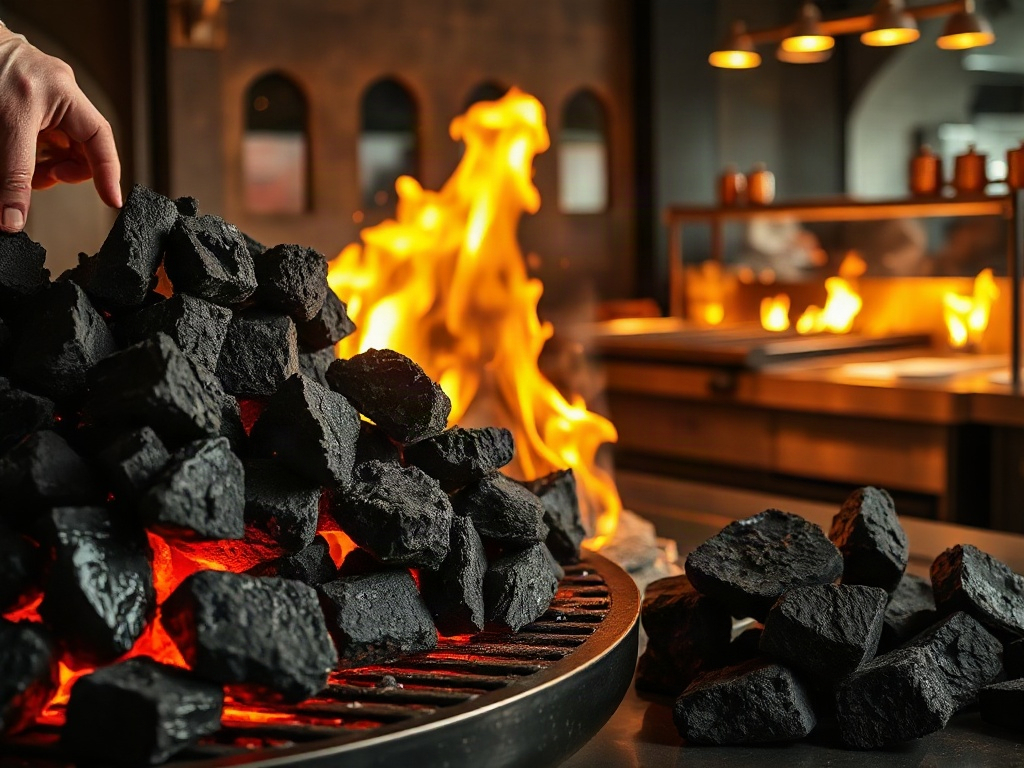
There is no single best charcoal specification for every buyer. The correct grade depends on whether the fuel is intended for barbecue, restaurant grilling, industrial heating, or other controlled combustion uses. Matching the specification to the application prevents overpaying for unnecessary properties or accepting performance that is too weak for the job.
Barbecue and Restaurant Grilling
Food-service users generally prioritize long burn time, steady heat, low smoke, low ash, and manageable piece sizes. Large, dense lumps are useful for longer grilling sessions, while medium pieces offer faster heat control. The charcoal must be clean and free from chemical accelerants, painted wood, plastic, and other contaminants that can create unwanted odors or food-safety concerns.
For buyers comparing species, formats, and performance attributes, the uses of Vietnam mangrove charcoal provide helpful context for choosing a fit-for-purpose grade.
Industrial and Commercial Heat Applications
Industrial buyers often focus on calorific consistency, fixed carbon, ash behavior, and predictable sizing for their equipment. Excessive fines can block airflow or create unstable combustion, while high ash can raise maintenance demands. A defined particle-size distribution and batch-to-batch laboratory results are more valuable than a vague claim of premium quality.
Where a process is sensitive to sulfur, chlorine, or other impurities, require specific limits in the contract and confirm them through accredited laboratory reports. Never assume that all natural charcoal has identical chemical composition.
Understanding Lump Charcoal Versus Briquettes
Lump charcoal is naturally irregular in shape and can vary more widely in size, whereas briquettes are manufactured to a more uniform form. For Vietnam mangrove lump charcoal, the key quality indicators are density, carbonization, piece size, low fines, and clean raw materials. Briquette specifications additionally require attention to binder type, ash contribution, shape, and compressive strength.
Buyers should evaluate each product according to its own performance standards rather than applying briquette expectations to natural lump charcoal. The contract should identify the product type clearly to avoid disputes during inspection.
Supplier Documentation, Packaging, and Responsible Sourcing
Reliable quality control extends beyond the charcoal itself. Supplier transparency, secure packaging, traceable production, and responsible sourcing all reduce commercial risk and support repeatable supply.
Documents to Request Before Ordering
Request a current product specification sheet, certificate of analysis, packing list, proforma invoice, and clear photos or videos of the actual stock. For larger orders, ask whether an independent pre-shipment inspection is available and agree on the inspection standard before production begins. Documents should correspond to the exact grade being supplied, not a generic catalog sample.
If legal origin or sustainability requirements apply in the destination market, request relevant evidence of lawful sourcing and chain-of-custody practices. Claims about mangrove origin should be treated carefully: responsible suppliers must comply with applicable forestry, environmental, and trade regulations.
Packaging That Preserves Quality
Strong, dry packaging helps maintain the agreed moisture level and limits breakage during handling. Woven polypropylene bags, kraft paper bags, cartons, or retail-ready packs may be used depending on the market, but the material must withstand stacking and shipment. Inner liners can reduce moisture exposure where appropriate, provided they do not trap dampness from insufficiently cooled charcoal.
Packaging specifications should include net weight, allowed weight tolerance, bag dimensions, carton strength if used, palletization requirements, and container loading method. Clear handling procedures reduce fines and help preserve the intended charcoal size grading at destination.
Build a Repeatable Supplier Approval Process
Approve suppliers through samples, documented specifications, trial orders, inspection results, and performance feedback from the final user. Keep records by lot number so that any quality issue can be traced and corrected. Repeat orders should be based on consistent results, not on the lowest quoted price alone.
A disciplined process makes Vietnam Mangrove Charcoal quality standards practical rather than theoretical. When every shipment is measured against the same agreed criteria, buyers can protect performance, reduce claims, and build a dependable supply relationship.
Match these inspection criteria with the declared grades and packing formats in KAOLA’s Mangrove Charcoal export program before approving a wholesale specification.
Frequently Asked Questions
How should buyers evaluate fixed carbon?
Use a product- and order-specific requirement with a stated test method and reporting basis. Do not rely on a universal headline number. See the specialist fixed-carbon guide for calculation and verification details.
What ash content should buyers request?
Acceptable ash depends on the application and should be written into the contract with the applicable test method. Lower ash is generally preferred where cleanliness and airflow are important.
Why is moisture important?
High moisture reduces usable heat, makes ignition harder, adds shipping weight, and can create storage problems. The accepted limit should be product- and order-specific.
How can a buyer reduce dust and broken pieces?
Agree the fines limit, customized size distribution, packaging, and loading method, then verify them through representative sampling and pre-shipment inspection.
Is a laboratory report necessary for every shipment?
The need depends on order size, application, contractual limits, and buyer requirements. For repeat or performance-sensitive orders, batch-specific evidence and representative sampling provide stronger control than a generic report.
