The Vietnam Mangrove Charcoal environmental impact can range from highly damaging to comparatively responsible, depending on whether wood comes from protected natural mangroves or legal, managed plantations. The decisive issues are forest conversion, traceability, kiln emissions, and the rate at which harvested areas regenerate. If you want to buy or assess this fuel responsibly, this guide explains the full environmental trade-off, the evidence to request, and the sourcing practices that make the greatest difference.
Why Mangrove Charcoal Has a High Environmental Stake
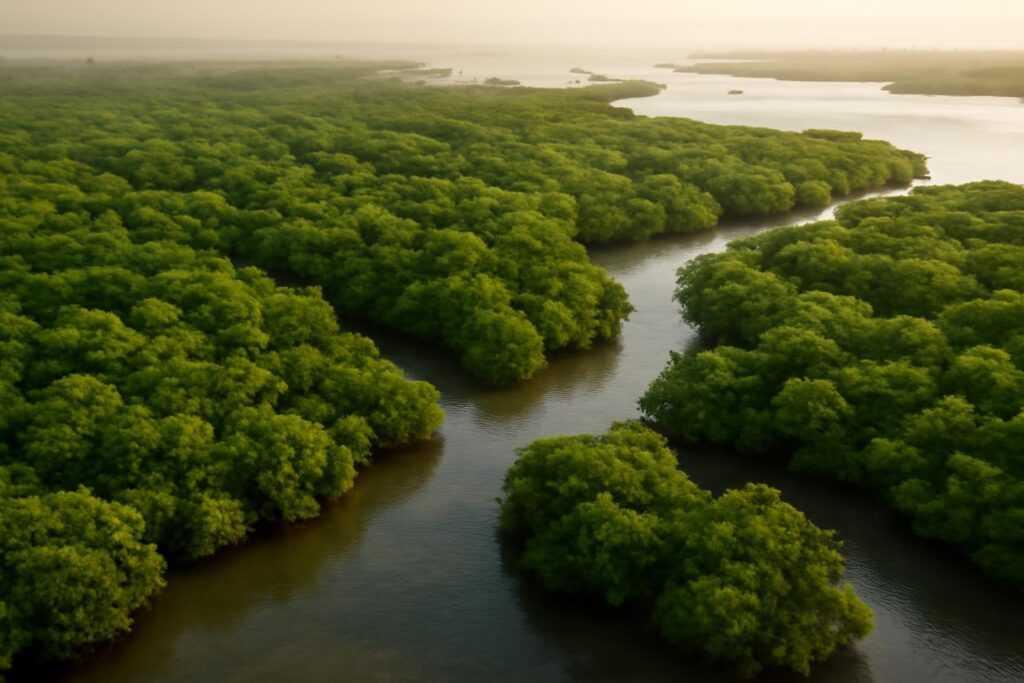
Mangrove forests are far more than a source of dense wood. They protect shorelines from waves and erosion, provide nursery habitat for fish and shellfish, filter water, and store substantial amounts of carbon in their biomass and waterlogged soils. When mangroves are cleared or degraded, the environmental cost can extend well beyond the charcoal supply chain.
Mangroves are a blue carbon ecosystem
Healthy mangrove ecosystems are widely recognized as important blue carbon ecosystems. Their soils can retain carbon for long periods because saturated conditions slow decomposition. Clearing a mangrove area can therefore release stored carbon and remove future carbon sequestration capacity, making forest protection central to any credible Vietnam Mangrove Charcoal environmental impact assessment.
The climate impact is not limited to the carbon dioxide produced during burning. Land-use change, soil disturbance, transport, drying, and carbonization all matter. A shipment of charcoal cannot be called environmentally preferable simply because it burns efficiently; its origin and production route must also be examined.
Coastal communities depend on intact forests
Mangroves support coastal livelihoods through fisheries, storm buffering, and wood resources managed within local rules. Uncontrolled harvesting can weaken these benefits and increase vulnerability for nearby communities. Responsible procurement should therefore consider social safeguards alongside forest data and product specifications.
For a wider view of product properties, applications, and buying criteria, consult this Vietnam mangrove charcoal buying guide. Environmental performance should be evaluated together with ash content, fixed carbon, moisture, and the intended use.
Why charcoal demand requires traceability
Charcoal is often traded through several intermediaries, which can obscure the original wood source. This makes charcoal supply chain traceability essential. Buyers need documentation that links the product to a defined production area, legal harvest permissions where applicable, and a producer that can identify its kiln process and handling practices.
The Life-Cycle Impacts of Vietnam Mangrove Charcoal
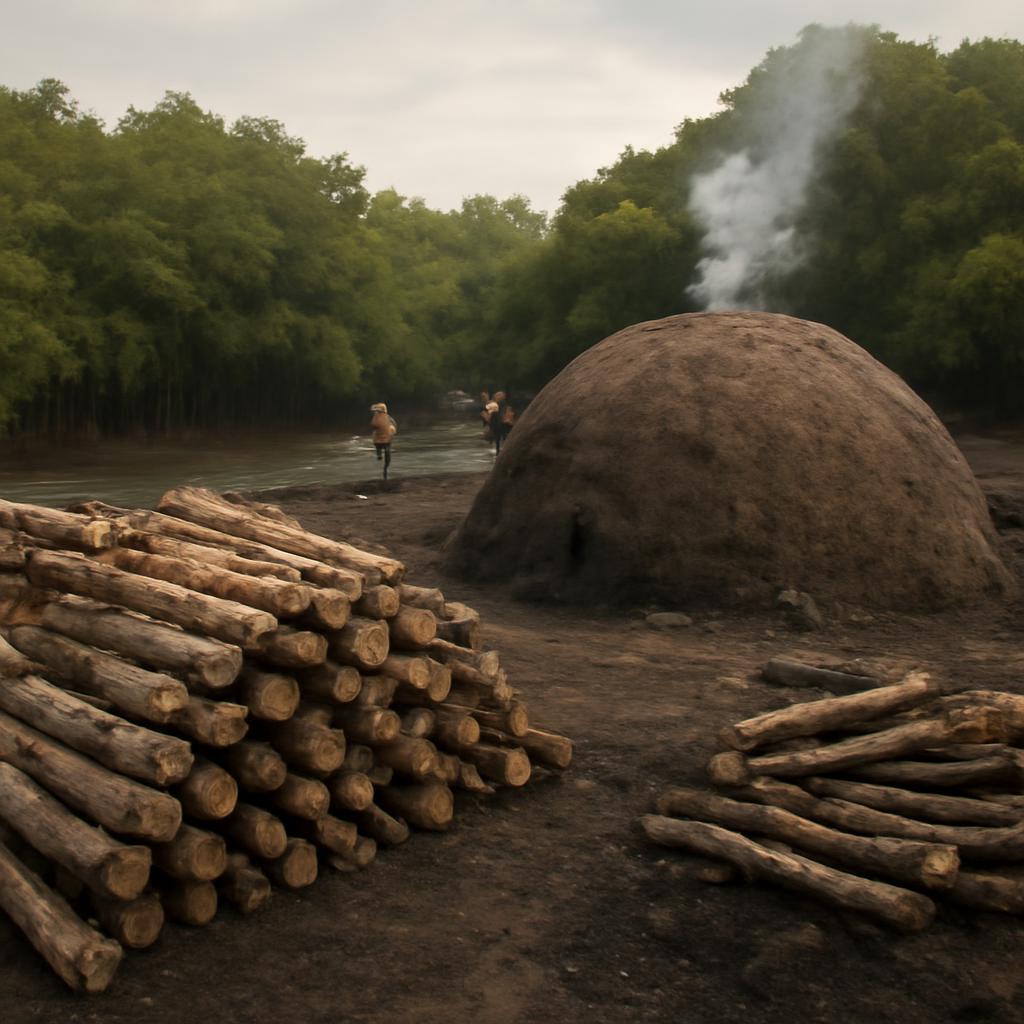
A fair environmental review looks at the entire life cycle rather than one isolated stage. The largest risk is typically upstream: harvesting wood from natural mangrove forests or converting mangrove land creates losses that efficient combustion cannot offset. Conversely, legal harvests from managed, regenerating sources may have a lower impact, although they still require careful verification.
Forest loss and habitat fragmentation
Mangrove deforestation reduces habitat complexity and can interrupt ecological connections between rivers, wetlands, and coastal waters. Even partial removal may change sediment movement, expose shorelines, and affect breeding grounds. The critical question is whether the charcoal feedstock came from protected or naturally regenerating forest, or from a documented management system with harvest limits and regeneration controls.
Claims such as “natural,” “premium,” or “long-burning” do not prove sustainable origin. Stronger evidence includes mapped source areas, supplier records, independent audits where available, and clear explanations of how regrowth is monitored after harvesting.
Carbonization efficiency and air emissions
Turning wood into charcoal requires controlled heating with limited oxygen. Traditional or poorly managed kilns can lose a large share of the wood’s energy and emit smoke, methane, particulates, and other pollutants. Improved kiln design, good drying practices, and recovery or controlled use of by-products can improve charcoal production emissions and reduce worker and community exposure to smoke.
Production efficiency does not eliminate the impact of burning charcoal, which still releases carbon dioxide. However, higher fixed-carbon charcoal can deliver more useful heat per unit of fuel, potentially reducing the quantity needed for a given cooking or grilling task. This operational benefit must never be used to excuse illegal or destructive sourcing.
Transport, packaging, and end use
Export transport, plastic-lined bags, breakage, and moisture damage add to the product footprint. Dense, well-carbonized pieces can reduce avoidable shipping weight and waste, while durable packaging can prevent moisture absorption and spoilage. At the use stage, charcoal should be burned only in well-ventilated outdoor or purpose-designed equipment because combustion smoke and carbon monoxide can be hazardous.
Understanding these trade-offs helps buyers compare Vietnam mangrove charcoal quality and uses without treating performance claims as environmental certification.
How Responsible Sourcing Can Reduce Harm
Lower-impact charcoal begins with an unambiguous commitment: no wood should come from illegal clearing, protected natural mangroves, or areas converted for production. The most credible approach combines legal compliance, source-level documentation, regeneration planning, efficient carbonization, and transparent communication with buyers.
Prioritize verified legal and managed feedstock
Sustainable charcoal sourcing requires more than a general statement from a seller. Suppliers should be able to identify the wood species, origin province or production zone, harvesting authorization where relevant, management method, and chain of custody. When third-party certification or credible local forestry verification is available, it can add useful assurance, but documents should still be reviewed for scope and validity.
Managed plantations or designated production forests may reduce pressure on natural ecosystems when harvesting cycles are planned and regeneration is demonstrable. The key distinction is not the marketing term used for the charcoal; it is whether extraction stays within ecological and legal limits.
Support restoration and regeneration
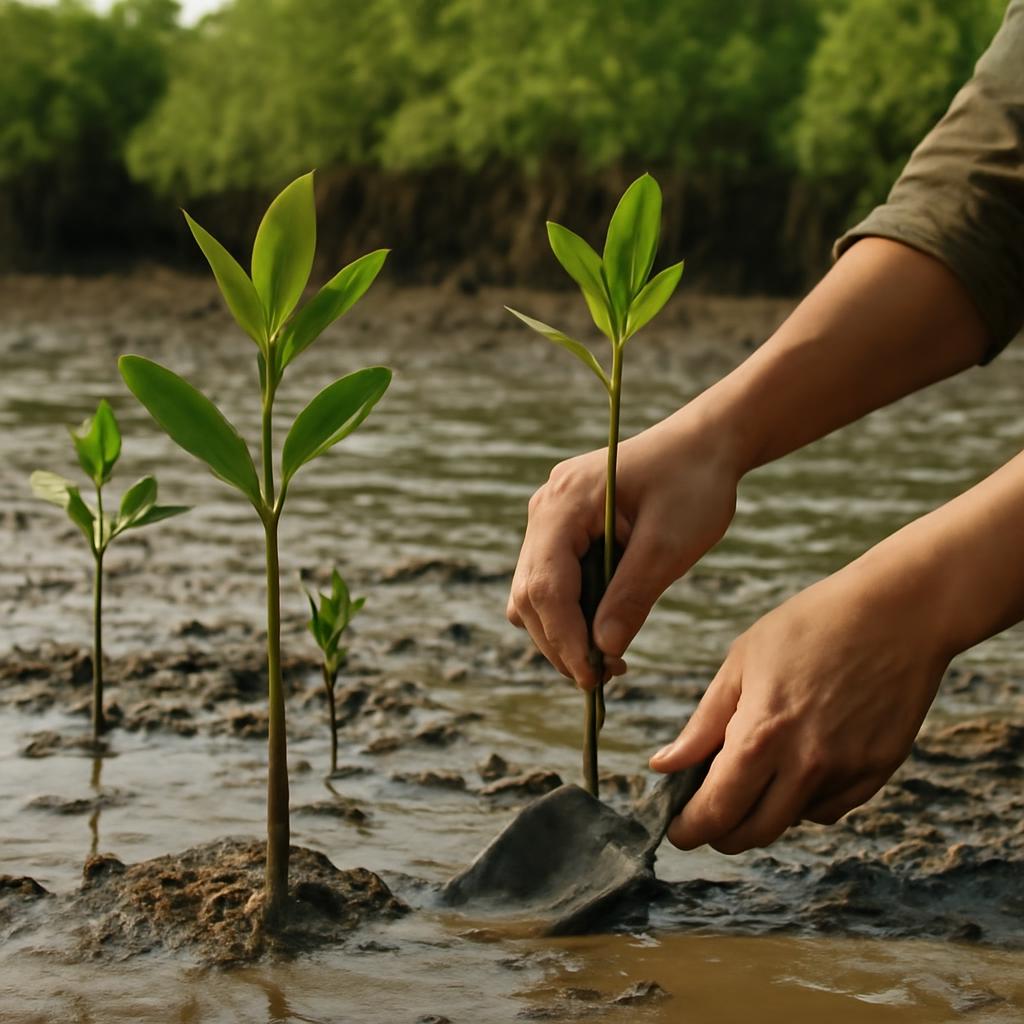
Mangrove restoration can help rebuild coastal protection and habitat, but it is not a simple substitute for avoiding damage. A responsible program protects existing forests first, restores degraded sites with appropriate native species, and monitors survival over time. Planting efforts that ignore hydrology, local ecology, or long-term maintenance may deliver weak results.
Buyers can ask suppliers whether they participate in restoration, community forest stewardship, or replanting programs. They should also ask for measurable details: location, area, species selection, monitoring period, and the relationship between harvesting volumes and regeneration outcomes.
Improve kiln practices and worker safeguards
Better kiln operation can reduce fuel waste and uncontrolled smoke. Useful measures include drying wood before carbonization, maintaining kiln seals, training operators, monitoring batch consistency, and handling hot charcoal safely to prevent re-ignition. These practices can improve product consistency while limiting avoidable emissions.
A responsible supplier should be prepared to discuss both environmental controls and labor conditions. This practical focus aligns with a broader mangrove charcoal sourcing guide, where quality decisions and responsible procurement should reinforce one another.
How Buyers Can Evaluate Sustainable Mangrove Charcoal
Buyers have real influence because documented demand rewards suppliers that invest in legal sourcing and cleaner production. Before placing an order, request evidence early, compare answers across suppliers, and treat vague sustainability language as a reason for further due diligence rather than as proof.
Ask targeted sourcing questions
A reliable supplier should answer direct questions clearly and consistently. Start with the source forest or plantation, legal status, harvesting cycle, regeneration plan, kiln technology, export documentation, and traceability records. If answers are incomplete, generic, or contradictory, the environmental risk is higher.
- What exact area or management source provided the wood?
- Is the source natural mangrove forest, a plantation, or another legal wood source?
- What evidence confirms legal harvest and chain of custody?
- How is regeneration monitored after harvest?
- What kiln method is used, and how are smoke and waste managed?
Match the fuel to the intended application
For grilling, restaurant use, or industrial heat, select charcoal based on performance needs such as piece size, moisture, ash, fixed carbon, and burn duration. Using the correct grade can reduce breakage, relighting, and excess consumption. Yet the best-performing fuel is not automatically the most responsible unless its origin is also verified.
Buyers should avoid demanding unusually cheap prices that may incentivize undocumented sourcing. A transparent supplier may have additional costs for legal procurement, storage, quality control, and environmental management. Evaluating total value rather than only the price per bag supports better purchasing decisions.
Use a practical decision framework
Choose a supplier only after weighing evidence across four areas: source legality, ecosystem protection, production emissions, and product quality. Where documentation is limited, reduce risk by ordering smaller volumes, requesting additional records, or choosing a supplier with stronger transparency.
Ultimately, the most responsible choice is charcoal with a verified legal source, no link to natural mangrove destruction, a credible regeneration approach, and production practices designed to reduce waste and pollution. This approach protects both procurement reliability and the coastal ecosystems on which long-term supply depends.
Buyers applying this responsible-sourcing framework can also review KAOLA’s mangrove charcoal specifications when evaluating a potential supply program.
Frequently Asked Questions
Is Vietnam mangrove charcoal environmentally friendly?
Is Vietnam mangrove charcoal environmentally friendly? It can only be considered comparatively responsible when its wood is legally sourced from managed and regenerating areas, not from protected or cleared natural mangroves, and when production emissions are controlled.
Does mangrove charcoal contribute to deforestation?
Does mangrove charcoal contribute to deforestation? It can contribute to mangrove deforestation when wood is harvested illegally or without effective management. Traceable, legally managed sourcing is essential to reduce this risk.
What proof should a buyer request?
What proof should a buyer request? Ask for source information, legal harvest records where applicable, chain-of-custody documentation, regeneration details, kiln information, and any relevant independent verification.
Are improved kilns enough to make charcoal sustainable?
Are improved kilns enough to make charcoal sustainable? No. Improved kilns can reduce waste and emissions, but they cannot offset ecological damage caused by destructive or illegal feedstock harvesting.
Is restoration a substitute for protecting existing mangroves?
Is restoration a substitute for protecting existing mangroves? No. Protecting intact mangroves is the priority because mature ecosystems provide immediate carbon storage, habitat, and coastal protection that new plantings may take years to develop.
