
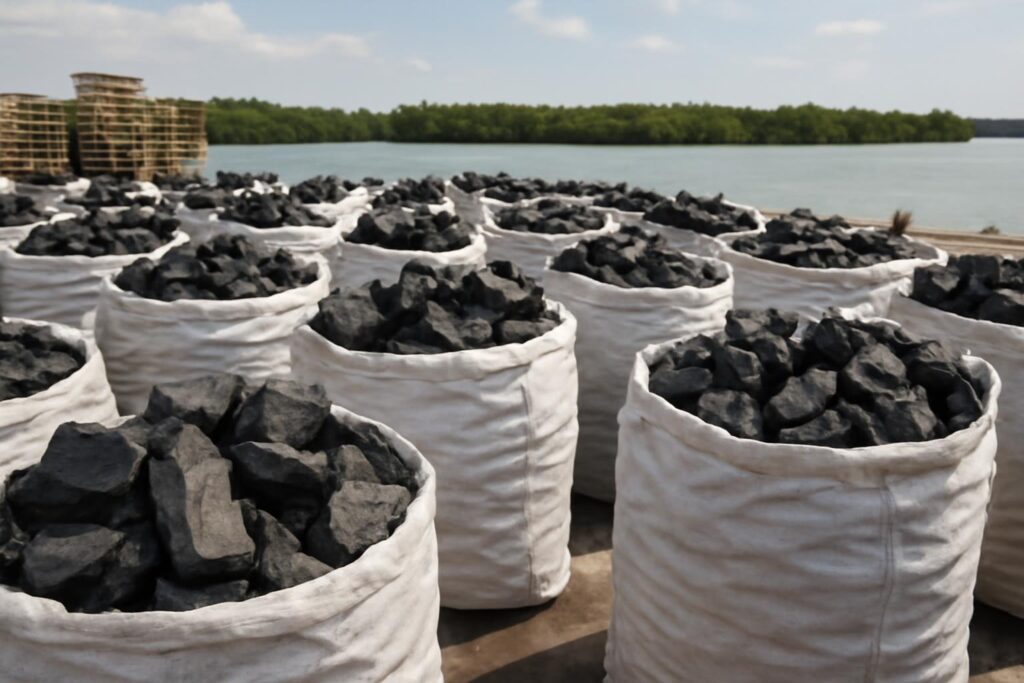
Vietnam Mangrove Charcoal export serves international buyers seeking dense, long-burning hardwood charcoal for grilling, shisha, industrial heating, and wholesale distribution. The most reliable results come from verified legal sourcing, measurable quality specifications, and export-ready documents. If you need to import with confidence, this guide explains market expectations, product grades, supplier checks, eco-friendly charcoal packaging options, shipment planning, and common risk controls.
Vietnam Mangrove Charcoal Export Market Overview
Vietnam Mangrove Charcoal export is valued for its high density, steady heat, extended burn time, and relatively low smoke when carbonization is properly controlled. International demand is strongest among importers that supply barbecue retailers, restaurants, foodservice operators, and regional charcoal distributors.
Why buyers choose mangrove charcoal
Mangrove-based hardwood charcoal can provide strong thermal performance because dense wood produces durable pieces with a long-lasting ember bed. Buyers often compare it with other Vietnam hardwood charcoal options based on fixed carbon, ash, moisture, spark level, odor, and piece-size consistency rather than appearance alone.
Product suitability depends on the intended market. Restaurant customers may prioritize heat stability and large chunks, while retail consumers may prefer clean-looking, uniformly sized charcoal in branded bags. For a wider product comparison, review this Vietnam mangrove charcoal buying guide before defining a purchasing specification.
Demand segments and buyer expectations
Bulk buyers commonly request charcoal for barbecue, shisha preparation, wholesale repacking, and selected industrial uses. Premium buyers usually expect low moisture, low ash, minimal dust, and a consistent carbonization profile. They may also require third-party inspection before loading.
Importers should avoid treating every black charcoal piece as equivalent. Origin, wood legality, kiln method, screening process, and storage conditions can materially affect performance and customer satisfaction. A detailed specification sheet is the foundation of a repeatable buying program.
Responsible sourcing is not optional
Mangrove ecosystems are environmentally sensitive, so responsible procurement is essential. Buyers should request evidence that raw material sourcing, harvesting, transport, and production comply with applicable local laws and destination-market requirements. Transparent suppliers are more likely to provide traceable records and realistic production information.
Responsible sourcing also protects commercial continuity. A shipment that cannot satisfy customs, customer due diligence, or sustainability requirements may create delays, rejected cargo, and avoidable financial loss.
Export Quality, Specifications, and Documentation

Successful Vietnam Mangrove Charcoal export transactions begin with specifications that can be inspected objectively. Do not rely only on terms such as premium, restaurant grade, or high quality; convert expectations into measurable acceptance criteria before production and loading.
Core quality specifications to request
A practical charcoal quality specification should state the product type, screened size range, moisture limit, ash limit, fixed carbon target, volatile matter expectation, dust tolerance, and foreign-material allowance. For lump charcoal export, buyers should also define the percentage of usable large pieces versus fines.
- Fixed carbon: Higher levels generally support longer, hotter burning performance.
- Moisture: Lower moisture improves ignition and reduces shipment-weight waste.
- Ash: Lower ash is typically preferred for grilling and premium foodservice applications.
- Piece size: Consistent screening improves retail presentation and end-user experience.
- Fines and dust: Limits reduce breakage complaints and repacking losses.
Request pre-shipment samples from the same production standard intended for the order. A representative sample should be tested and visually reviewed for density, cracking, carbonization consistency, odor, contamination, and particle distribution.
Documents for international shipment
Export paperwork varies by destination, product classification, and commercial terms, but buyers commonly need a commercial invoice, packing list, bill of lading, certificate of origin when applicable, and any agreed inspection or laboratory reports. Confirm requirements with a qualified customs broker before payment and loading.
For buyers assessing product performance, the broader mangrove charcoal quality standards can help turn technical needs into a clear purchase order. Documentation should match the actual shipment, including bag count, net weight, gross weight, container number, and product description.
Inspection and acceptance procedures
Independent pre-shipment inspection is a practical safeguard for first orders or large volumes. The inspection scope should cover quantity, packaging, labeling where relevant, container condition, visible contamination, moisture checks, piece-size sampling, and sealing records.
Include acceptance rules in the sales contract. Define sampling method, tolerance ranges, who pays for inspection, claims deadlines, and the remedy for a non-conforming shipment. Clear rules reduce disputes after the container has arrived.
How to Source Vietnam Mangrove Charcoal for Export
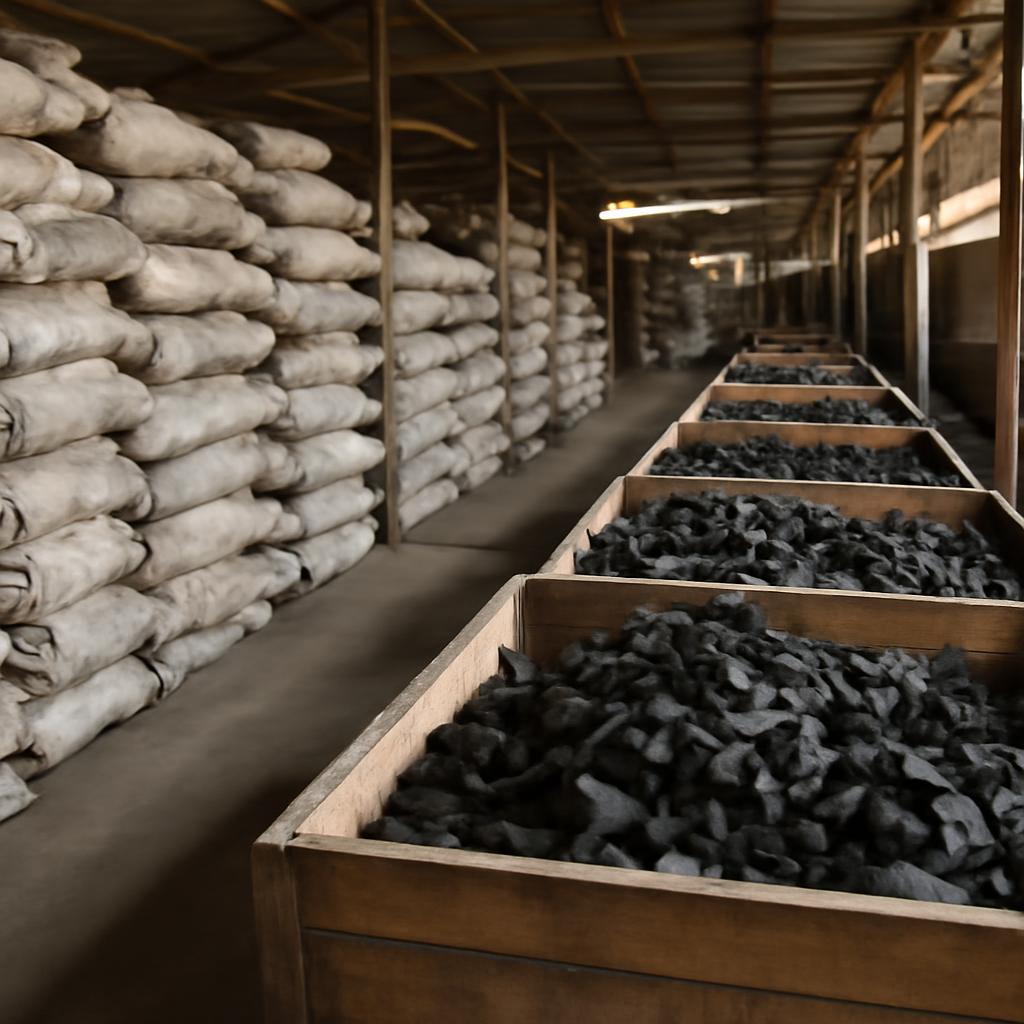
Sourcing charcoal is a process of verifying supply capability, legal compliance, quality control, and logistics readiness. The right supplier is not simply the one offering the lowest price; it is the one that can repeatedly deliver the specified grade with documents and packing that match your destination market.
Build a supplier verification checklist
Ask prospective suppliers about raw-material source, kiln capacity, monthly output, sorting method, storage practices, export history, and quality-control procedures. Request recent product photos, packing photos, sample availability, and company export documentation. Verify that production capacity is aligned with the requested shipment schedule.
For an initial order, start with a manageable volume and require a written specification. Compare received samples against the approved reference sample. This approach is especially important when purchasing BBQ charcoal from Vietnam for demanding retail or hospitality accounts.
Set commercial terms that protect both sides
A complete purchase order should list charcoal grade, size range, packing format, total quantity, unit price, Incoterms, port of loading, destination, production deadline, inspection terms, and payment schedule. Avoid vague wording that allows different interpretations of quality or quantity.
Payment structure should reflect transaction risk. Buyers may use a deposit plus balance after inspection, documentary collection, or a letter of credit depending on order value, supplier history, and bank availability. Seek professional trade and legal guidance for contract terms in your jurisdiction.
Evaluate total landed cost, not only factory price
The lowest quotation can become expensive if it includes excessive fines, weak bags, poor container loading, or missing export support. Calculate the total landed cost by including product price, inland transport, port charges, ocean freight, insurance, customs duty, inspection, local delivery, and expected handling loss.
Product selection should also align with end use. Explore uses of Vietnam mangrove charcoal to match lump size, burn profile, and packaging format with your customer segment before placing a repeat order.
Packing, Shipping, and Buyer Risk Control
Charcoal quality can deteriorate between factory and destination if packing, loading, and moisture protection are neglected. A dependable export plan preserves the approved grade from final screening through container arrival.
Select packaging for the sales channel
Bulk shipments may use large woven polypropylene bags, while consumer-ready products often use smaller printed paper or laminated bags placed inside master cartons or reinforced outer bags. Packaging must balance branding needs with moisture resistance, tear strength, and stacking performance.
Agree on net weight per bag, allowable weight tolerance, bag dimensions, palletization requirements, and total bags per container. If retail packaging is involved, confirm destination labeling rules before printing. Packaging mistakes can delay customs clearance or create costly repacking work.
Container loading and moisture prevention
Use clean, dry, odor-free containers with no holes, leaks, residue, or visible damage. Charcoal absorbs moisture readily, so loading should occur in dry conditions and should avoid contact with wet floors or exposed cargo. Desiccants and protective liners may be considered when appropriate for the route and packing system.
Loading records should include container number, seal number, bag count, loading photographs, and condition notes. These records support insurance claims and provide evidence if cargo condition is questioned at destination.
Manage shipment and compliance risks
Confirm the correct customs classification, destination import requirements, and carrier policies before booking. Some markets may apply rules related to forest products, packaging materials, fumigation, or commercial labeling. Work with an experienced freight forwarder and customs broker rather than assuming the same rules apply in every country.
Finally, plan for claims prevention: retain approved samples, signed specifications, inspection reports, shipping documents, and photographs. Strong records help resolve differences quickly and create a reliable foundation for long-term Vietnam Mangrove Charcoal export partnerships.
Frequently Asked Questions
What makes Vietnam mangrove charcoal suitable for export?
Its dense hardwood structure can provide long burn time, stable heat, and durable lump pieces when it is properly carbonized, screened, packed, and sourced through compliant supply channels.
What specifications should importers request?
Request fixed carbon, moisture, ash, volatile matter, size distribution, fines percentage, packaging type, net weight, and permitted foreign-material limits in writing.
Can buyers order branded retail bags?
Yes, many export programs can support retail packing, but buyers should confirm artwork approval, bag material, labeling rules, minimum order quantity, and carton requirements before production.
Is pre-shipment inspection necessary?
It is strongly recommended for new suppliers, high-value orders, or strict customer specifications. Inspection helps verify quantity, visible quality, packing, and container loading before shipment.
How can buyers reduce moisture and breakage issues?
Specify dry, strong packaging; use clean and dry containers; define fines limits; inspect loading; and retain photos and reports documenting the cargo condition before sealing.
