
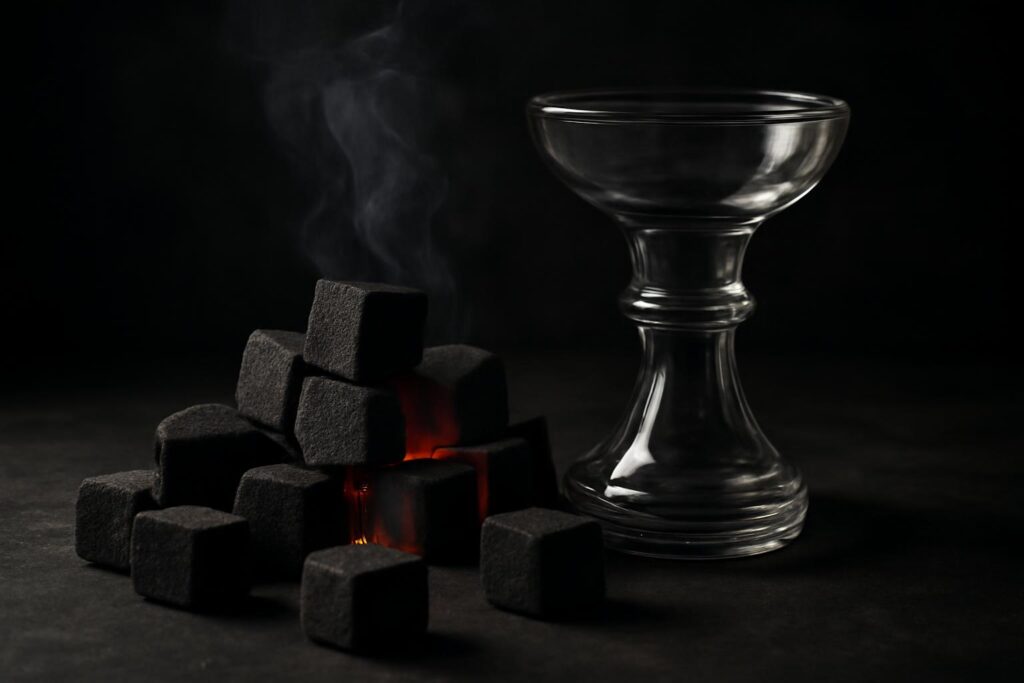
Vietnam Mangrove Charcoal for shisha is a strong choice for smokers who want long heat duration, low ash, and a clean-tasting session when the charcoal is properly carbonized and sized. If uneven heat, harsh flavor, or fast-burning cubes are disrupting your bowl, this guide explains how to identify quality mangrove charcoal, use it correctly, and buy it with confidence. You will also learn the right lighting method, heat-management basics, and storage practices that protect performance.
Why Vietnam Mangrove Charcoal Works for Shisha
Vietnam Mangrove Charcoal for shisha is valued for its dense hardwood structure. Density matters because a compact briquette generally burns more slowly and delivers steadier heat than lightweight, porous charcoal. For a shisha session, that stability helps tobacco heat evenly rather than scorch at the edges.
Long-lasting heat for consistent sessions
Well-made mangrove charcoal briquettes can maintain useful heat for an extended period, making them suitable for home sessions, lounges, and wholesale supply. The exact burn time depends on cube size, bowl design, airflow, and heat-management device, but dense cubes usually require fewer replacements during a session.
Consistent heat supports smoother flavor development. Instead of repeatedly adding and removing coals to correct temperature swings, users can begin with an appropriate number of fully lit cubes and make small adjustments as the bowl warms.
Neutral aroma and cleaner flavor
For shisha, charcoal should support the blend rather than compete with it. High-quality natural hookah charcoal should have minimal smoke and no chemical smell after it is fully ignited. A clean burn is especially important for delicate fruit, mint, tea, and floral profiles.
Raw material is only part of the equation. Controlled carbonization, careful screening, and proper drying determine whether the finished charcoal burns cleanly. For broader context on sourcing and end uses, review this Vietnam mangrove charcoal buying guide.
Low ash and practical cube strength
Low ash shisha charcoal keeps the bowl area tidier and makes routine coal handling easier. Ash will always occur, but a quality product should produce manageable ash without crumbling prematurely or leaving excessive residue.
Durability is equally important in commercial distribution. Cubes should arrive intact, resist breakage during normal handling, and retain a consistent shape. Uniform pieces make heat placement more predictable and help lounges standardize their service routine.
How to Choose Quality Shisha Charcoal
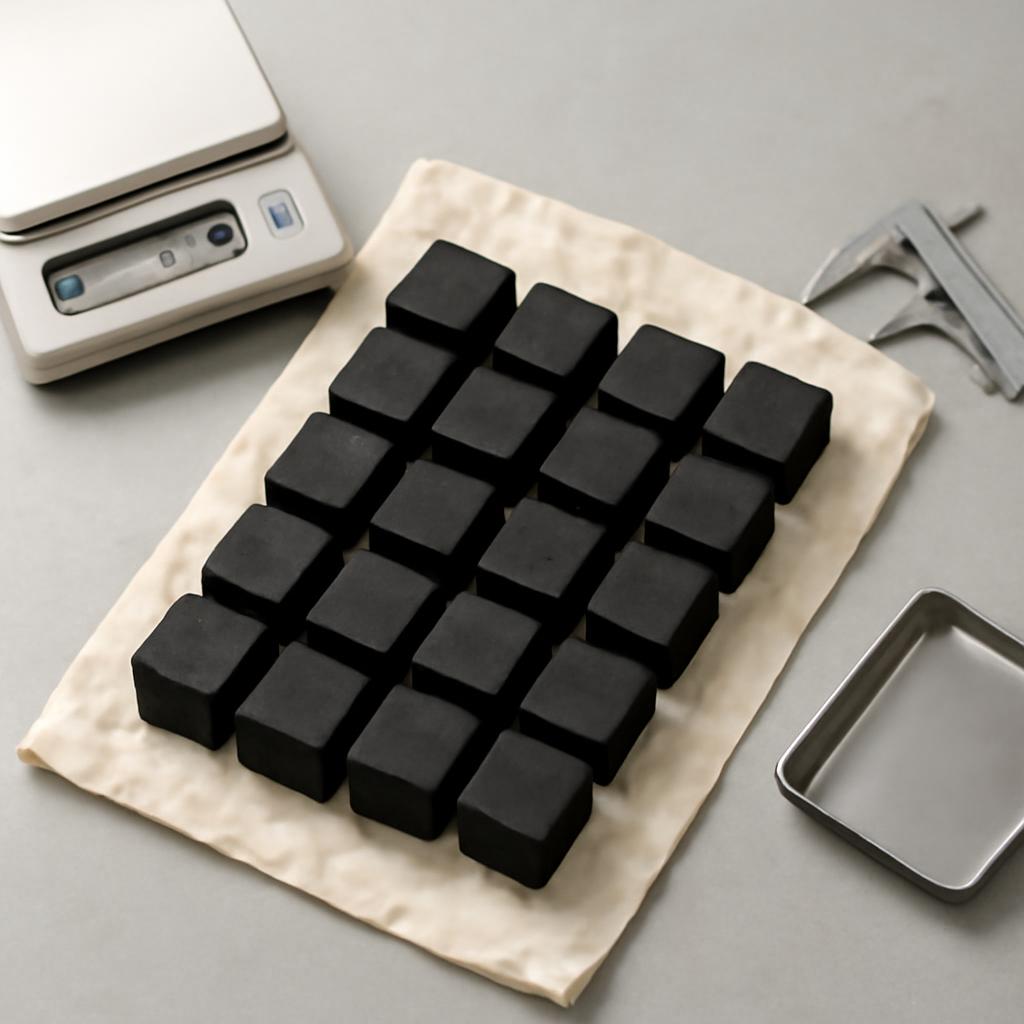
Not every black cube is suitable for shisha. Quality should be assessed through material, manufacturing consistency, physical condition, and real-world performance. A dependable supplier can also provide specifications that match the intended market and packaging format.
Check material and manufacturing transparency
Ask whether the product is made from mangrove hardwood charcoal and whether binders are used in the briquette process. Food-grade or natural binders may be used in some molded products, but the final coal should not release an artificial odor once fully lit.
Buyers should request information about ash level, moisture, fixed carbon, volatile matter, cube dimensions, and carton configuration. These details make it easier to compare offers fairly instead of relying only on a low quoted price.
Inspect shape, size, and density
Common coconut charcoal cubes are often used as a market benchmark, but mangrove-based alternatives can also perform well when density and carbonization are controlled. Choose a cube format that fits the target bowl and heat-management setup; popular options include compact cubes for smaller bowls and larger cubes for longer sessions.
Look for uniform dimensions, sharp but unbroken edges, and a dry surface. Excessive dust in a bag, many fractured pieces, or noticeably inconsistent cube sizes can lead to uneven heating and unwanted waste.
Test a sample before placing a bulk order
A sample test is the most reliable buying step. Fully light the coal, then evaluate ignition time, odor after ignition, heat output, ash behavior, cracking, and burn duration. Test it on the same bowl, foil or heat-management device, and tobacco style your customers will use.
When comparing suppliers, treat charcoal as a performance product, not only a commodity. This overview of mangrove charcoal quality standards can help buyers build a more informed specification checklist.
- Request a representative production sample, not an isolated hand-picked cube.
- Confirm dimensions and weight tolerance for each cube format.
- Check export packaging for moisture protection and impact resistance.
- Evaluate the product only after it is fully glowing red or gray.
How to Light and Use Mangrove Charcoal
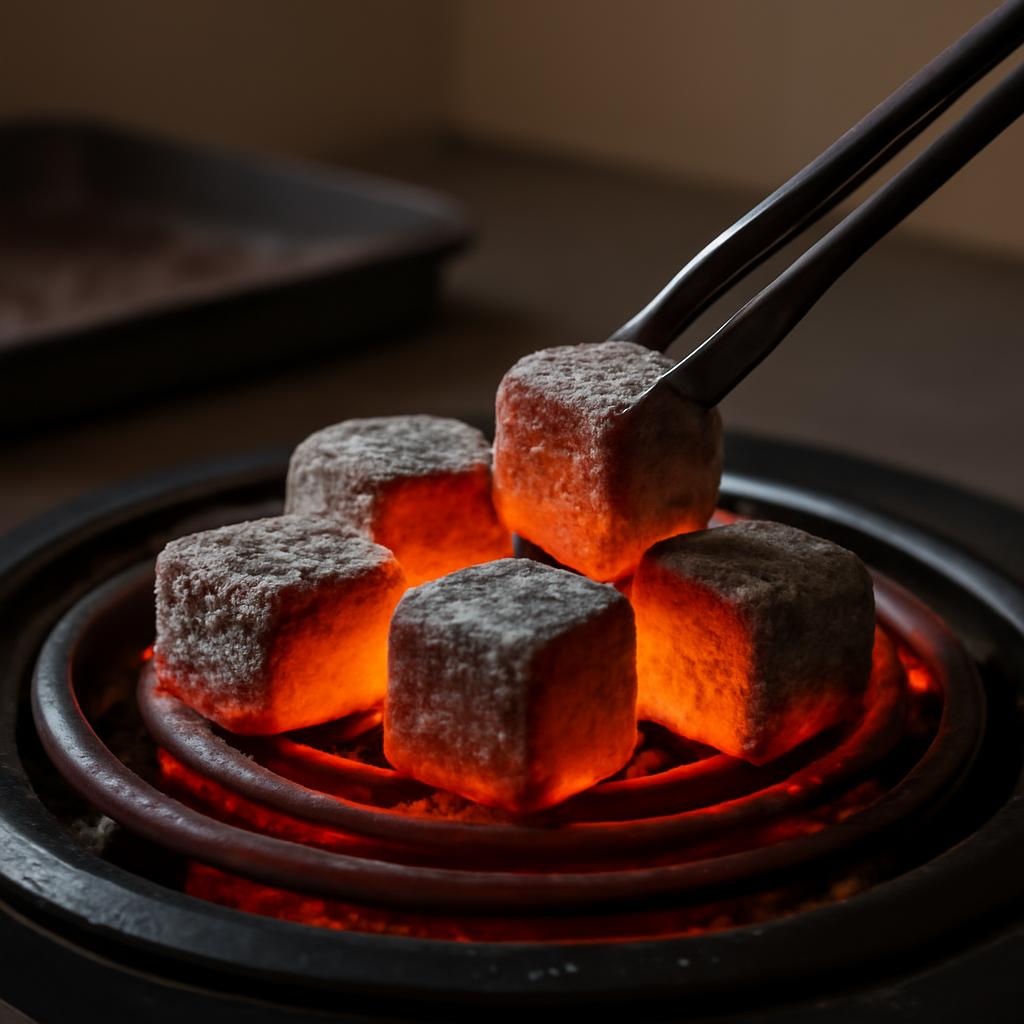
Correct lighting is essential for both flavor and safety. Vietnam Mangrove Charcoal for shisha should be heated completely before it touches the bowl. Partially lit charcoal can create unpleasant odor, unstable heat, and a harsher smoking experience.
Use a suitable heat source
An electric coil burner designed for charcoal is a practical option for natural briquettes. Place the cubes on the heated coil, turn them periodically with metal tongs, and wait until every side is covered with a glowing red or gray ash layer. Never use a microwave, and avoid lighting charcoal directly on delicate glass or unprotected surfaces.
Ventilate the area while lighting. Charcoal combustion produces carbon monoxide, so it must never be ignited or used in an enclosed, poorly ventilated space. Keep children, pets, loose clothing, and flammable materials away from the burner.
Start with controlled heat placement
For most standard bowls, begin with two or three fully lit cubes, depending on cube size, tobacco packing, foil thickness, and the heat-management device. Position the coals near the outer edge first. This allows gradual heating and reduces the risk of burning the top layer too quickly.
After several minutes, monitor flavor and smoke output. If the bowl tastes sharp or burnt, move a coal outward, remove one cube temporarily, or improve airflow. If the session feels weak, reposition the coals closer to the center or add heat gradually.
Manage ash without disrupting the bowl
Tap ash gently into a heat-safe tray using metal tongs. Do not shake coals aggressively over the bowl, as ash can enter the tobacco and alter the taste. Replace coals only when their heat has noticeably declined rather than following a fixed timer.
Effective shisha charcoal heat management is a balance between bowl preparation and coal control. For a wider understanding of charcoal selection across different applications, explore the uses of Vietnam mangrove charcoal.
Storage, Safety, and Purchase Considerations
Even premium charcoal can lose performance if it absorbs moisture or is transported carelessly. Good storage and a clear purchasing specification help preserve product quality from warehouse to shisha bowl.
Store charcoal in a dry environment
Keep unopened cartons elevated from the floor in a cool, dry area away from direct rain, humidity, and strong odors. Once a retail pack is opened, reseal it or transfer the cubes to an airtight container. Moisture can make lighting slower, increase cracking, and reduce consistent heat output.
For retailers and lounges, use stock rotation. Place older, properly stored inventory first and inspect cartons periodically for crushed corners, water damage, or excess charcoal dust. Clean storage practices reduce customer complaints and prevent avoidable waste.
Prioritize fire and ventilation safety
Always place lit or cooling coals in a non-combustible tray. Never discard warm charcoal in a plastic bin, paper bag, or household waste container. Let ash and remaining embers cool completely before disposal.
Natural charcoal is not odorless during ignition, and no charcoal should be used without fresh airflow. A responsible shisha setup includes a stable burner, quality metal tongs, a heat-safe surface, and continuous attention to active coals.
Buy according to your market needs
Importers, distributors, and lounges should specify cube size, retail pack weight, master-carton count, labeling requirements, and acceptable breakage levels before confirming an order. Ask for photos of packed cartons, loading details, and a sample approval process for repeatable quality.
Price matters, but the lowest-cost option can create losses through breakage, inconsistent burns, or customer dissatisfaction. A reliable supply of Vietnam charcoal supplier products should be evaluated on delivered performance, packaging strength, and consistency across production batches.
Frequently Asked Questions
Is Vietnam Mangrove Charcoal for shisha safe to use?
It can be used for shisha when it is properly manufactured, fully lit before use, and burned in a well-ventilated area. Never use charcoal in enclosed spaces because combustion produces carbon monoxide.
How many mangrove charcoal cubes should be used?
Most setups start with two or three fully lit cubes. The right amount depends on cube size, bowl type, tobacco packing, foil, and the heat-management device.
Does mangrove charcoal change shisha flavor?
Quality charcoal should contribute minimal odor and allow the tobacco flavor to remain clear. Chemical smells or harsh taste often indicate incomplete lighting, poor production, or excessive heat.
How long does mangrove charcoal burn for shisha?
Burn duration varies by density, cube size, airflow, and bowl setup. Dense, fully carbonized cubes generally last longer and provide more stable heat than lightweight charcoal.
How should shisha charcoal be stored?
Store it in a cool, dry location away from moisture. Keep opened packs sealed to protect the cubes from humidity and preserve reliable ignition and heat output.
