
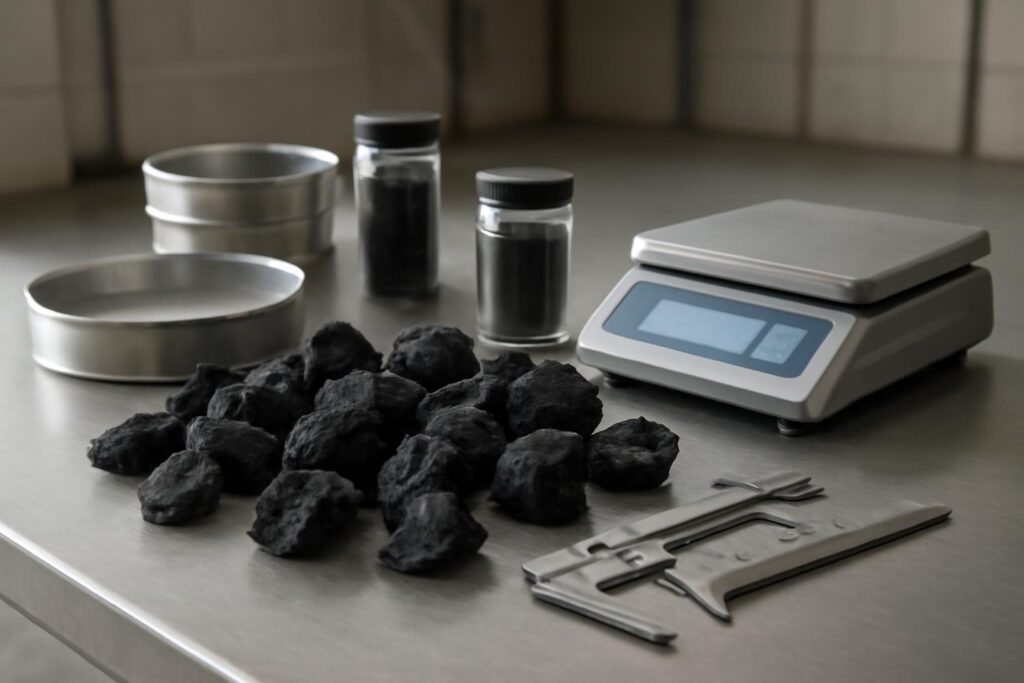
To inspect Vietnam Mangrove Charcoal quality, verify the charcoal’s size consistency, hardness, moisture, ash level, fixed carbon, odor, and burning performance before accepting a shipment. Reliable inspection combines a representative sample, a basic visual check, simple field tests, and independent laboratory confirmation when specifications are strict. This guide helps buyers identify premium material, avoid hidden defects, and build an acceptance checklist for every order.
Set the Quality Standard Before Inspection
Inspection starts with a written specification, not with a quick glance at the bags; importers sourcing binchotan can also learn how to verify a Vietnamese Binchotan manufacturer before placing an order. Define the intended use first: restaurant grilling, shisha, household cooking, industrial heating, or resale. Each application requires a different balance of lump size, burn duration, smoke level, and mangrove charcoal ash content.
Define measurable acceptance criteria
Ask the supplier to state target ranges for fixed carbon, volatile matter, moisture, ash, size distribution, and fines. For premium lump charcoal, buyers commonly seek high fixed carbon, low moisture, low ash, and a controlled fraction size. The exact threshold should match the contract rather than a generic claim of “high quality.”
A practical purchase specification should also define the permitted percentage of undersized pieces, broken charcoal, dust, and foreign materials. Without a tolerance for fines, an otherwise good container can lose value through excessive breakage during handling.
Understand the raw material and carbonization process
Authentic mangrove lump charcoal should show a dense structure and a stable carbonized appearance. Wood species, feedstock maturity, kiln control, and cooling practices all influence the final product. Learn the broader criteria in this Vietnam mangrove charcoal buying guide before comparing supplier offers.
Incomplete carbonization can leave excessive volatile matter, producing odor, smoke, and inconsistent ignition. Over-burning may create fragile pieces that look dark but crumble easily. A quality standard must therefore assess both chemical values and physical durability.
Prepare a representative sampling plan
Do not judge an entire shipment from one bag near the container door. Take incremental samples from multiple bags and locations, including the front, middle, rear, upper, and lower positions. Combine the portions into a composite sample, then retain a sealed reference sample for possible dispute resolution.
Record bag numbers, sampling locations, date, lot code, and observations. This simple chain of custody makes results more credible and prevents arguments about whether the tested sample represented the delivered cargo.
Perform a Visual and Physical Inspection
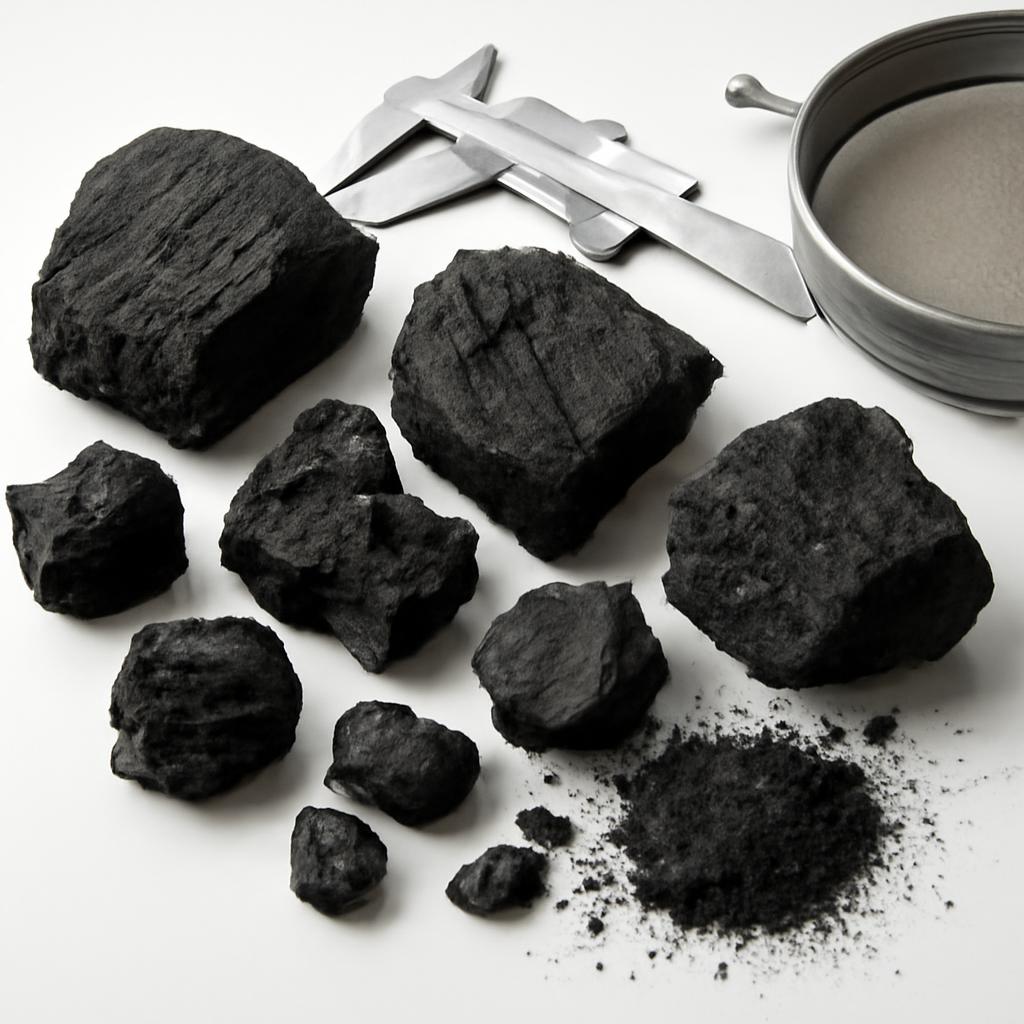
A visual and physical inspection reveals many problems before laboratory results arrive. Inspect the charcoal in daylight or under neutral white lighting, then evaluate color, texture, density, shape, breakage, and cleanliness. These checks are especially useful for identifying poor handling, mixed grades, or insufficiently carbonized material.
Check color, texture, and carbonization
Quality Vietnam mangrove charcoal is typically dark black to deep charcoal gray, with a hard, dense feel and visible wood-grain structure on broken surfaces. It should not appear wet, oily, muddy, or heavily coated with powder. Brown centers or woody-looking interiors may indicate incomplete carbonization.
Break several pieces and inspect the cross-section. A consistently carbonized interior is generally preferable to a piece with pale, raw-looking wood at its core. Use this observation alongside burn testing, because surface appearance alone cannot prove chemical quality.
Measure size distribution and fines
Separate a representative sample by the buyer’s required size range and weigh each fraction. This is the most dependable way to assess charcoal size distribution. Report the percentage within specification, the oversize fraction, the undersize fraction, and the dust or fines fraction.
- Use a clean scale and suitable sieves or size gauges.
- Weigh the full sample before sorting.
- Calculate each fraction as a percentage of total sample weight.
- Compare the result with the agreed packing specification.
High fines often signal weak charcoal, poor bagging, rough loading, or inadequate container protection. It can reduce airflow, create uneven heat, and make the product less attractive to end users.
Assess hardness and contamination
Gently press, snap, and handle several pieces. Good lump charcoal should resist ordinary handling and should not disintegrate into powder with light pressure. Some breakage is inevitable, but repeated crumbling is a clear warning sign.
Look for stones, soil, metal fragments, plastic, uncarbonized wood, or other foreign materials. Check bag interiors and container floors as well. For a complete product context, review the quality and uses of Vietnam mangrove charcoal to align physical grade with the final application.
Verify Performance With Practical Tests
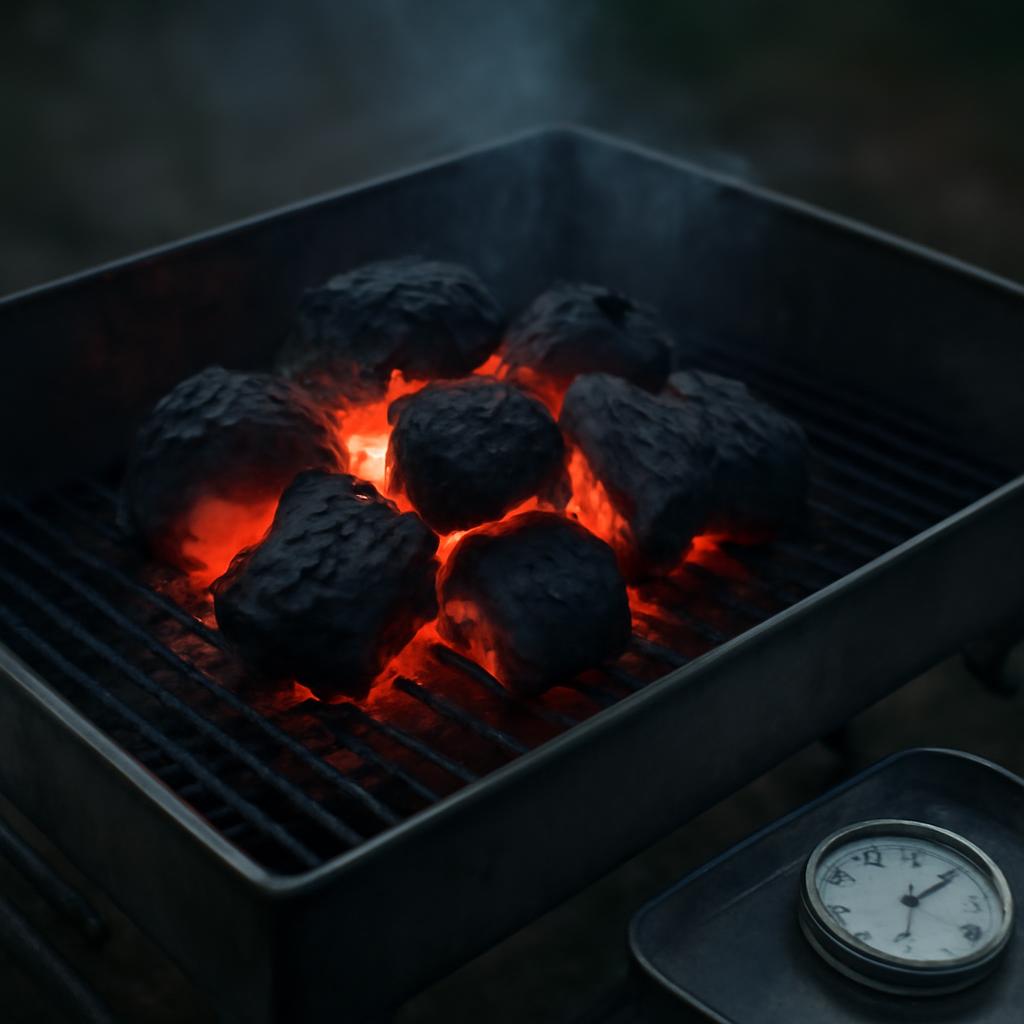
Field performance tests confirm whether the charcoal behaves as the specification promises. Conduct tests on multiple pieces from the composite sample, using the same ignition method and a controlled, well-ventilated area. Record results rather than relying on memory or a single impressive piece.
Evaluate ignition, smoke, and odor
Good charcoal should ignite predictably with an appropriate starter, then transition to a stable ember without persistent thick smoke or harsh chemical odor. Brief smoke during ignition can occur, but prolonged smoke may indicate moisture, volatile residues, contamination, or incomplete carbonization.
A clean-burning sample is particularly important for food service and grilling. Do not evaluate smoke in an enclosed space, and never use charcoal indoors without equipment designed for safe ventilation.
Measure burn time and heat stability
Weigh a selected sample, light it under consistent conditions, and record the time until useful heat declines. Charcoal burn time varies by piece size, airflow, and test setup, so compare samples only under the same conditions. Dense mangrove charcoal is valued because it can provide steady, long-lasting heat when properly carbonized.
Observe whether the ember bed remains even or develops rapid hot-and-cold fluctuations. Excessive sparking, sudden collapse, or frequent relighting can indicate inconsistent density or high volatile matter.
Confirm laboratory specifications
For container-scale purchasing, laboratory analysis is the strongest verification tool. Request testing for fixed carbon content, moisture, ash, volatile matter, and sulfur where relevant. Use an agreed sampling method and an independent laboratory when results determine payment, claims, or shipment acceptance.
Remember that results can vary with sampling, test method, and moisture exposure after production. State the analytical basis in the contract, including whether values are reported as received, dry basis, or another agreed basis. This prevents misleading comparisons between reports.
Control Documentation, Packaging, and Delivery
Charcoal quality can decline between factory inspection and destination delivery. Packaging integrity, container condition, moisture protection, and clear documents are therefore part of the inspection process. A strong pre-shipment check protects the buyer from receiving correct charcoal in the wrong condition.
Inspect packaging and container readiness
Verify bag material, bag weight, sealing quality, print accuracy, palletization if required, and the number of bags per shipment. Bags should be dry, intact, and capable of limiting loss of fines. Check that the container is clean, dry, odor-free, and free from leaks, pests, or residue from prior cargo.
Photograph the loading pattern, door area, container number, seal number, and finished cargo. These records support traceability if bags are damaged or moisture is discovered after arrival.
Match documents to the approved sample
Compare the commercial invoice, packing list, certificate of analysis, certificate of origin where applicable, and inspection report against the purchase order. Product name, grade, net weight, bag count, shipment lot, and declared specifications should be consistent across all documents.
Use the approved reference sample as a practical benchmark, but do not treat it as a substitute for a fresh shipment inspection. The delivered lot must independently meet the agreed tolerances.
Create a clear acceptance decision
Use a pass, conditional pass, or reject decision based on the contract. A conditional pass may be appropriate when a minor deviation is measurable and both parties agree on a remedy, such as a price adjustment or replacement quantity. Major deviations in moisture, ash, contamination, or fines should be documented immediately.
For a wider sourcing framework, use this Vietnam charcoal sourcing checklist alongside your shipment-specific inspection form. Consistent records turn quality control into a repeatable buying system rather than a last-minute visual check.
Frequently Asked Questions
What is the fastest way to inspect Vietnam Mangrove Charcoal quality?
What is the fastest way to inspect Vietnam Mangrove Charcoal quality? Check for dense, fully carbonized pieces, low visible dust, dry bags, minimal foreign material, and clean, steady burning. Confirm findings with a representative sample and laboratory testing for contractual purchases.
What ash level is considered good for mangrove charcoal?
What ash level is considered good for mangrove charcoal? Lower ash is generally preferred because it leaves less residue and supports cleaner operation. The acceptable level should always be defined in the purchase specification and verified by the agreed test method.
Why does charcoal produce too much smoke?
Why does charcoal produce too much smoke? Common causes include high moisture, incomplete carbonization, excess volatile matter, contamination, or poor ignition conditions. Test several representative pieces before drawing a conclusion.
How can buyers measure charcoal size distribution?
How can buyers measure charcoal size distribution? Weigh a representative sample, sort it through agreed size ranges or sieves, weigh each fraction, and calculate the percentage in specification, oversize, undersize, and fines.
Should every shipment be laboratory tested?
Should every shipment be laboratory tested? Laboratory testing is strongly recommended for new suppliers, high-value contracts, disputed lots, and strict technical requirements. Established suppliers may use periodic testing combined with every-shipment visual, physical, and documentation checks.
