
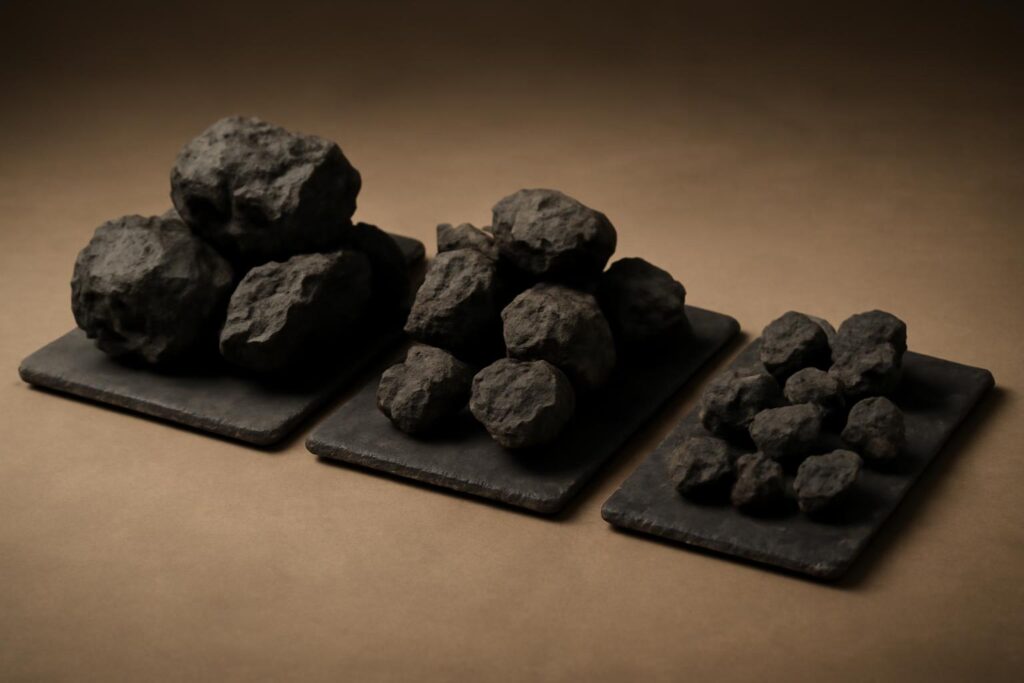
Vietnam Mangrove Charcoal size grades
Understanding Vietnam Mangrove Charcoal Size Grades
Size grading is the process of separating mangrove charcoal into defined piece ranges after carbonization and screening. Although specifications vary by supplier and market, grades are usually based on the longest dimension of each piece, expressed in centimeters or millimeters. A clear grade standard helps buyers receive a predictable product instead of a mixed load containing excessive fines, chips, and oversized pieces.
Why piece size matters
Charcoal piece size determines how fuel behaves in a grill, furnace, or shisha setup. Larger pieces generally create more stable airflow and last longer, while smaller pieces light faster because they have more exposed surface area. For foodservice buyers, a uniform charcoal lump size also makes fire management easier for staff during busy service periods.
Size is only one part of the specification. Density, fixed carbon, volatile matter, ash content, moisture, and carbonization quality all affect performance. For a broader evaluation framework, review this Vietnam mangrove charcoal buying guide before comparing supplier quotations.
How grades are measured
Professional suppliers normally screen charcoal after cooling, then measure representative samples against an agreed range. For example, a 5-15 cm grade should contain pieces within that range, subject to a stated tolerance. Buyers should ask whether the range refers to length only or both length and thickness, as this changes the practical appearance and burning behavior of the shipment.
Do not rely on a product photo alone. Photos can hide fines at the bottom of a bag or show only the largest pieces. Request a written charcoal grading standard, recent sample images taken from several bags, and a size-distribution report when ordering commercial volumes.
Natural variation and acceptable tolerance
Mangrove charcoal is a natural product, so exact uniformity is neither realistic nor necessary. What matters is a commercially reasonable tolerance that protects the intended use. A buyer may accept a small percentage of undersized fragments, but the maximum fines content and oversize percentage should be specified before production begins.
For premium retail products, narrow grading creates a cleaner unboxing experience and more consistent customer results. For industrial users, a wider range may be economical when combustion equipment can tolerate variation. The right standard is the one that matches the end-use equipment, packaging format, and price position.
Common Size Grades and Their Best Uses
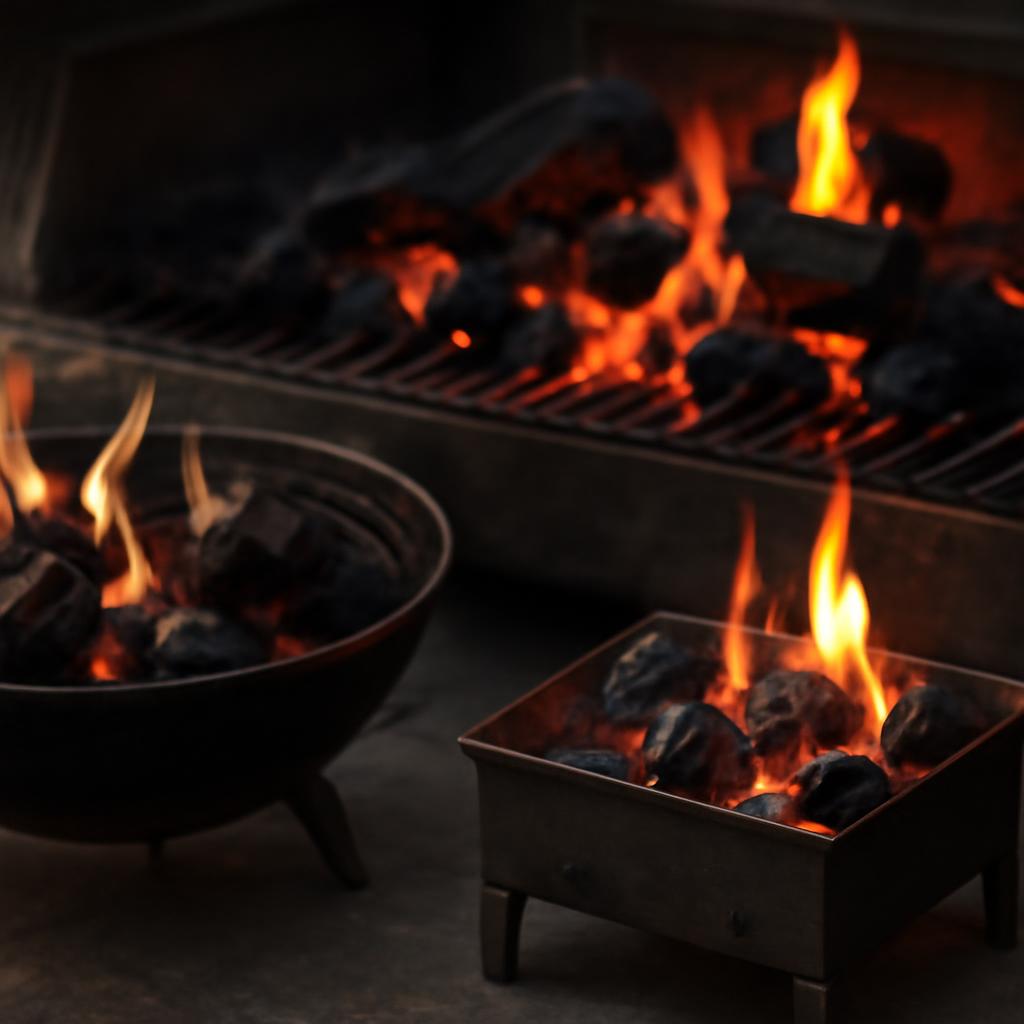
Vietnam Mangrove Charcoal size grades are often sold in broad commercial ranges rather than one universal global standard. The following ranges are useful reference points, but they should always be confirmed in the purchase contract. A supplier can adapt screening to meet a target market when the required grade is clearly communicated.
Large grade: 10-20 cm and above
Large lump charcoal, often 10-20 cm or larger, is valued for long burn duration and strong heat retention. It is a practical choice for restaurant grills, barbecue operations, and buyers who want fewer refueling interruptions. Larger pieces also leave more air gaps in the fire bed, supporting steady combustion when arranged correctly.
This grade is often associated with restaurant charcoal because professional kitchens need dependable heat over extended cooking periods. However, very large pieces may be inconvenient for small household grills or compact retail bags. If the market requires easy handling, specify a maximum piece length as well as a minimum size.
Medium grade: 5-15 cm
The 5-15 cm range is one of the most versatile options for charcoal wholesale buyers. It balances ignition speed, burn time, and packability, making it suitable for general barbecue, retailers, and mixed-use foodservice customers. Medium-size pieces are often easier to stack in cartons and less likely to create excessive empty space inside bags.
When buyers ask for a dependable all-purpose option, medium-grade mangrove lump charcoal is usually the safest starting point. It can work across many grill designs without requiring users to break down unusually large chunks. A consistent medium grade can also support stronger brand presentation in consumer packaging.
Small grade: 2-5 cm and chips
Small pieces in the 2-5 cm range ignite quickly and are useful where rapid heat buildup is more important than maximum burn duration. This category may serve small grills, charcoal blends, starter fuel applications, or industrial processes that require smaller feedstock. It should not automatically be treated as waste; its value depends on the buyer’s application.
Chips and fines below the agreed minimum size require separate control. Excessive fines can restrict airflow, create dust, and reduce the perceived value of packed charcoal. Buyers should distinguish between a deliberately purchased small grade and uncontrolled breakage generated during handling, transport, or poor packing.
How to Specify Size Grades for Bulk Orders
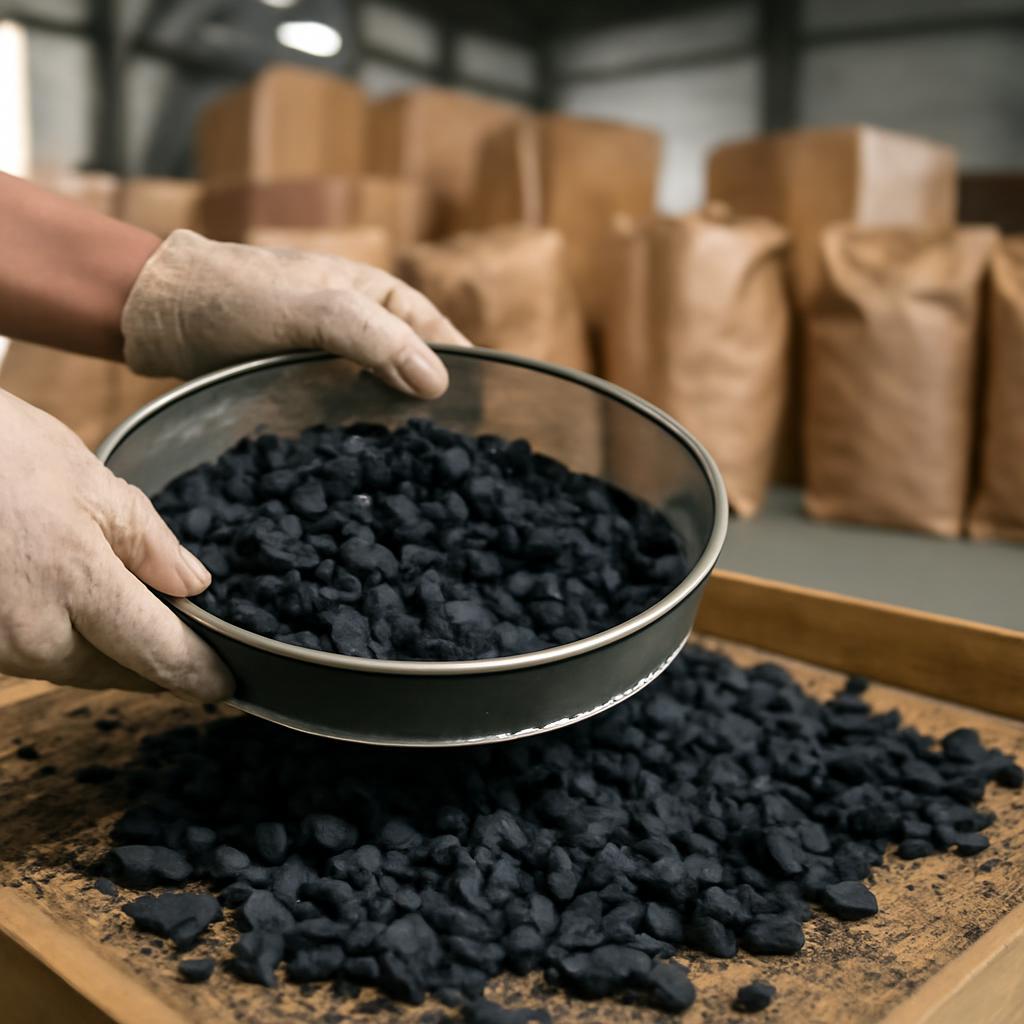
A successful bulk order begins with a specification that can be inspected objectively. Instead of writing only “large charcoal” or “mixed size,” state the size range, permitted tolerance, maximum fines level, packaging method, and inspection basis. These details reduce disputes and help the supplier select the right screening process before loading.
Build a clear purchase specification
Use a concise checklist in your inquiry or purchase order:
- Target piece range, such as 5-15 cm or 10-20 cm
- Maximum percentage below the minimum size
- Maximum percentage above the maximum size
- Allowed dust and fines content by weight
- Moisture, ash, and fixed-carbon requirements
- Bag weight, inner liner, carton, pallet, and container-loading requirements
This level of detail is essential for charcoal wholesale transactions. It gives both parties one measurable standard and prevents subjective claims after delivery. Where possible, attach approved sample photos and define the sampling method for pre-shipment inspection.
Match the grade to the end market
Retail customers usually prefer cleaner, more uniform pieces because they judge quality immediately when opening the bag. Restaurants may prioritize heat stability and long burning time, while industrial users may focus on screen size and production efficiency. A single supplier can often provide different grades, but every grade should be packed and labeled separately to prevent cross-contamination.
For guidance beyond size selection, consult the uses and quality factors of mangrove charcoal. Understanding the relationship between grade, density, and combustion helps buyers avoid selecting the cheapest option for an application that needs premium performance.
Request samples and third-party inspection
Before confirming a container order, request a physical sample that represents the agreed grade rather than a hand-picked display sample. Test it for breakage, ignition time, smoke level, heat output, and residue. If the order is large or intended for a regulated market, use an independent inspection company to verify size distribution, moisture, weight, and packing condition before shipment.
Inspection should include samples from multiple bags and locations within the lot. Checking only the outer bags can miss fines that settle during packing. A practical report should show the percentage of each size band, not merely a statement that the goods are “acceptable.”
Quality Control, Packing, and Storage
Correct grading can be lost if charcoal is handled poorly after screening. Mangrove charcoal is brittle enough to generate fragments when bags are overfilled, dropped, or compressed beneath heavy cargo. Quality control must therefore continue through packing, container loading, delivery, and warehouse storage.
Protecting size consistency during packing
Strong multiwall paper bags, woven polypropylene bags with liners, or retail cartons can reduce breakage when selected for the shipment route. Avoid overpacking, which crushes pieces and raises the level of dust. For higher-value grades, internal liners and careful palletization help preserve the desired charcoal size distribution until the product reaches the buyer.
Container loading should minimize loose movement. Cartons need stable stacking patterns, while bagged cargo benefits from proper bracing and dry conditions. The aim is not only to prevent visible damage but also to preserve the usable large and medium pieces that determine the product’s grade value.
Managing moisture and contamination
Charcoal readily absorbs moisture, which can make lighting more difficult and add unnecessary shipping weight. Store finished goods in a dry, covered area away from direct rain, wet floors, chemical odors, and combustible sources. Moisture control is especially important in humid transit conditions, where packaging and container ventilation must be planned carefully.
Contamination can also undermine a well-graded shipment. Sand, stones, foreign wood, metal fragments, and excessive ash should be excluded through clean production areas and documented screening procedures. Buyers assessing Vietnam charcoal export quality should review both the charcoal itself and the supplier’s handling discipline.
Using a practical acceptance checklist
At receipt, compare the delivered product with the approved sample and purchase specification. Weigh several bags, sieve a representative portion, assess dust at the bottom of the packaging, and inspect for moisture or odors. Record the findings with photos and batch references before the goods are distributed or repacked.
For a complete purchasing perspective, use this Vietnam mangrove charcoal quality resource alongside your grade specification. Combining size checks with combustion testing and packing inspection gives buyers a more reliable basis for long-term supplier approval.
Frequently Asked Questions
What is the most common size for Vietnam mangrove charcoal?
The 5-15 cm medium grade is widely used because it offers a practical balance of burn time, ignition speed, and packing efficiency. The best grade still depends on the grill, customer expectations, and intended market.
Are larger charcoal pieces always better?
No. Larger pieces usually burn longer, but they can be harder to ignite and less convenient for small grills. The most suitable grade is the one that matches the end use, not simply the largest available size.
How much fines content is acceptable?
Acceptable fines content varies by grade and market. Premium retail products generally require a lower percentage, while industrial applications may tolerate more. Always state the maximum percentage in the written specification.
Can a supplier customize charcoal size grades?
Yes. Many suppliers can screen mangrove charcoal to a requested range if the requirement is agreed before production. Confirm the range, tolerance, sampling method, and packing format in the purchase order.
What should be checked before accepting a shipment?
Check piece-size distribution, fines, moisture, bag weight, visible contamination, packing condition, and a burn test from representative samples. Compare every result with the approved sample and contract specification.
